The Hashemite Kingdom of Jordan stands as a pillar of resilience, compassion, and humanitarian leadership in a volatile Middle East. This was the resounding message delivered by World Health Organization (WHO) Director-General Dr. Tedros Adhanom Ghebreyesus as he wrapped up the intensive first day of his two-day State visit to Jordan. The high-level diplomatic and public health mission underscored the robust, enduring partnership between the WHO and the Jordanian government, focusing heavily on universal health coverage (UHC), cutting-edge mental health integration, and vital humanitarian health actions in the face of ongoing regional crises.
At the core of the Director-General’s itinerary was a pivotal audience with His Majesty King Abdullah II. The meeting served to reinforce Jordan’s global and national leadership in championing health equity, robust healthcare infrastructure, and emergency responsiveness. Discussions in the royal palace centered on strategic pathways to fortify health systems against future shocks, expand equitable access to medical care, and sustain international logistical support for regional emergency responses. Particular emphasis was placed on the Kingdom’s steadfast solidarity with the Palestinian people, specifically addressing the medical evacuation of patients from Gaza for specialized treatment in Jordanian facilities, alongside the millions of refugees hosted within the country’s borders.
Dr. Tedros commended King Abdullah II’s unwavering dedication to advancing universal health coverage. He extended formal gratitude to both the monarch and the Jordanian people for their extraordinary generosity in absorbing and providing comprehensive healthcare services to more than three million refugees, predominantly hailing from war-torn Gaza and neighboring Syria. Furthermore, Dr. Tedros spotlighted Jordan’s broader humanitarian footprint, drawing specific attention to His Majesty’s pioneering Medical Corridor initiative. This critical operational artery continues to deliver life-saving medical interventions and specialized care to critically ill and injured children evacuated directly from Gaza, demonstrating a profound global commitment to putting health and humanity above all else.
Inside the Hospitals: Witnessing the Frontlines of Care
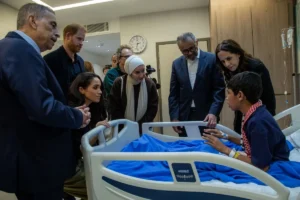
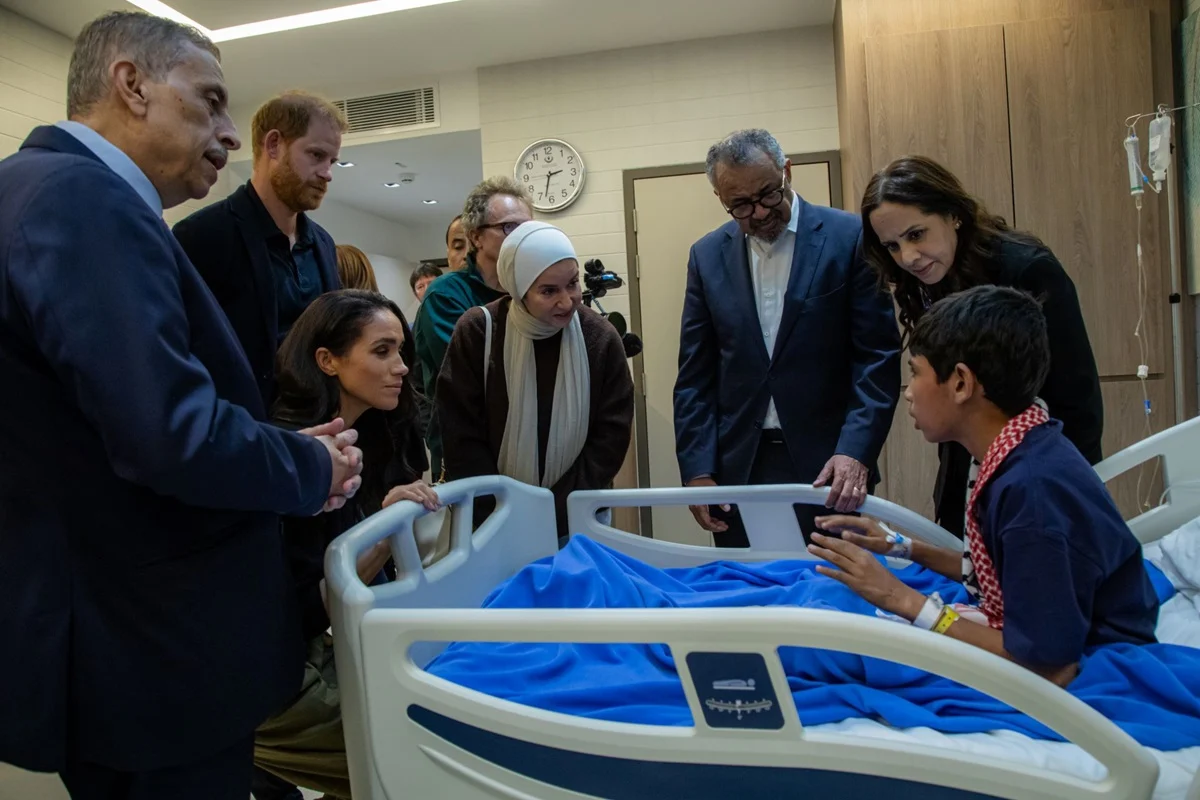
Following the high-level diplomatic consultations, Dr. Tedros transitioned from policy to practice by visiting a specialized, WHO-supported hospital in Amman dedicated to treating pediatric patients evacuated from the conflict zones of Gaza. The visit offered a sobering yet inspiring look at the human cost of modern warfare and the healing power of coordinated international medical logistics.
Walking through the pediatric wards, the WHO chief met directly with young patients undergoing intensive treatments for complex trauma injuries, pediatric cancers, and other life-threatening conditions. He also engaged with the frontline physicians, nurses, and allied health professionals whose tireless dedication keeps the facility running under immense pressure.
This hospital visit brought international attention to the indispensable nature of the Jordanian medical evacuation corridor. It served as a stark reminder that sustained, predictable international funding and geopolitical cooperation are imperative to ensure that children and other vulnerable populations caught in the crossfire can successfully navigate bureaucratic and physical blockages to access essential medical interventions.
Mobilizing Resources: High-Level Partner and Donor Convenings
Recognizing that frontline heroism requires robust financial backing, Dr. Tedros convened an exclusive, high-level roundtable meeting later in the day. The gathering brought together key health sector partners, international donor governments, United Nations agencies, and influential philanthropic organizations.
The primary agenda item was the mobilization and alignment of financing priorities aimed at structural health system strengthening within Jordan. Participants also evaluated ongoing humanitarian health actions, strategizing on how to scale up community-level mental health services and adequately support host nations bearing the disproportionate weight of protracted refugee populations.
During these sessions, the Director-General welcomed the deep collaboration and ongoing financial commitments demonstrated by international stakeholders. He emphasized that investing in Jordan’s healthcare ecosystem is not merely a localized endeavor, but a strategic investment in the stability and health security of the entire Middle East.
Bilateral Engagements on Primary Care and Mental Health
In addition to multilateral roundtables, Dr. Tedros held focused bilateral talks with Jordan’s Minister of Health. These discussions drilled down into the mechanics of institutionalizing primary healthcare as the bedrock for achieving comprehensive universal health coverage nationwide.
Jordan has consistently punched above its weight on the global health stage by systematically integrating mental health services directly into its primary healthcare framework. This progressive policy ensures that citizens and residents alike can access psychological support as a standard component of routine medical care, rather than as an afterthought. The WHO continues to provide technical and operational backing to this integration through the Director-General’s Special Initiative for Mental Health, establishing Jordan as a regional laboratory for innovative health policy delivery.
A High-Profile Coalition for Mental Health and Humanitarian Action
Adding an influential dimension to the day’s engagements, Dr. Tedros was accompanied throughout several key events by Prince Harry, The Duke of Sussex, and Meghan, The Duchess of Sussex. Participating in their official capacities as co-founders of Archewell Philanthropies and long-standing global advocates for the WHO, the royal couple brought intense international media visibility to the mission.
Archewell Philanthropies has a documented history of supporting key WHO health initiatives, ranging from advocating for equitable global distribution of COVID-19 vaccines to backing emergency medical evacuations and comprehensive mental health frameworks. Prince Harry, acting as a prominent global ally of the WHO’s mental health agenda, used the platform to underscore the urgent need to invest in mental health support across fragile communities and active emergency zones. He drew specific attention to the psychological toll inflicted upon men, adolescents, and children living through protracted crises.
Reflecting on the collaboration, Dr. Tedros expressed profound appreciation for the Duke and Duchess of Sussex. Their unwavering dedication to mental health advocacy and humanitarian relief has consistently injected vital visibility, resources, and psychological hope into some of the world’s most marginalized and vulnerable communities, amplifying the WHO’s core mission of attaining health for all.
Prince Harry echoed these sentiments, expressing deep honor at joining the WHO Director-General in a nation that exemplifies grace under pressure. Through their hands-on work with Archewell Philanthropies, the Duke noted that he and his wife have witnessed firsthand the life-changing impact of WHO-backed emergency healthcare delivery and psychosocial support programs.
Prince Harry emphasized that mental health must be treated as a fundamental human right rather than a luxury. He noted that psychological recovery is inextricably linked to human dignity, societal rehabilitation, and long-term regional peace, pledging that he and his organization remain steadfast in their commitment to standing alongside the WHO and global partners to eradicate stigma and expand access to psychological care for all conflict-affected populations.
Looking Ahead: Day Two Itinerary and Strategic Outlook
As the first day of the State visit drew to a close, preparations were already underway for a packed second day designed to examine Jordan’s specialized healthcare infrastructure and community outreach programs.
Dr. Tedros is scheduled to visit Jordan’s National Center for Rehabilitation of Addicts. Supported extensively by the WHO, this specialized facility provides integrated medical, psychological, and social rehabilitation services, serving as a model for evidence-based substance use treatment in the region.
Following this, the Director-General will meet with influential grassroots community leaders and women’s advocacy organizations, including representatives from the Jordanian Hashemite Fund for Human Development (JOHUD), to evaluate grassroots health resilience and gender-inclusive community empowerment.
The itinerary also features a high-profile tour of the internationally renowned King Hussein Cancer Center. There, Dr. Tedros will engage with oncology specialists and administrators to discuss cutting-edge advances in cancer therapeutics, clinical research, and multi-country regional partnerships aimed at closing the cancer care gap in the Middle East.
The high-level State visit will officially conclude with a final series of strategic consultations with international humanitarian stakeholders and operational partners. These closing engagements are designed to further cement Jordan’s undisputed status as an indispensable regional hub for medical evacuation logistics, emergency public health responses, and long-term health system resilience.
Through this visit, the World Health Organization and the Hashemite Kingdom of Jordan have successfully reaffirmed a shared vision: one where political will, international solidarity, and unwavering humanitarian principles converge to protect the most vulnerable and secure a healthier, more resilient future for the entire region.