The United States Supreme Court convened its 2026-2027 term with a landmark environmental hearing that could fundamentally reshape corporate accountability for global climate change. At the center of the docket is a high-profile lawsuit filed by Boulder, Colorado, against energy conglomerates Exxon Mobil and the Canadian petroleum firm Suncor. The legal battle centers on whether local municipalities can successfully sue fossil fuel producers under state laws to recover mounting infrastructure and recovery costs associated with a warming planet.
With dozens of similar municipal and state lawsuits pending across the United States, the Supreme Court’s eventual ruling carries profound implications. It will decide whether oil companies can be held financially liable for the cumulative environmental damages wrought by their products, or if such sweeping cross-border grievances belong exclusively in the halls of Congress and the federal executive branch.
A High-Stakes Legal Clash in Washington
During two hours of oral arguments, the eight participating justices offered few concrete indicators of their ultimate decision. However, they demonstrated a striking consensus on one central dilemma: identifying legal liability for the localized impacts of global climate change is an exceptionally complex and consequential task.
The case initially wound its way through Colorado state courts before oil and gas defense attorneys petitioned the Supreme Court to intervene. The energy corporations argue that climate change is an inherently national and international issue that cannot be managed piecemeal through individual state judiciaries. Conversely, the city of Boulder is urging the high court to remand the case back to Colorado, allowing the litigation to proceed to trial.
Justice Samuel Alito recused himself from the proceedings, leaving an eight-member bench to grapple with the multifaceted issues. Throughout the session, justices from across the ideological spectrum repeatedly pressed attorneys to strip the case down to its core components. "Why make this argument so complex?" multiple justices asked. Yet, the bench struggled to find common ground on what that simplified argument should be.
While the profound financial fallout for the fossil fuel industry weighed heavily on several justices, the immediate, tangible costs borne by local communities facing climate disasters received comparatively sparse exploration during the arguments.
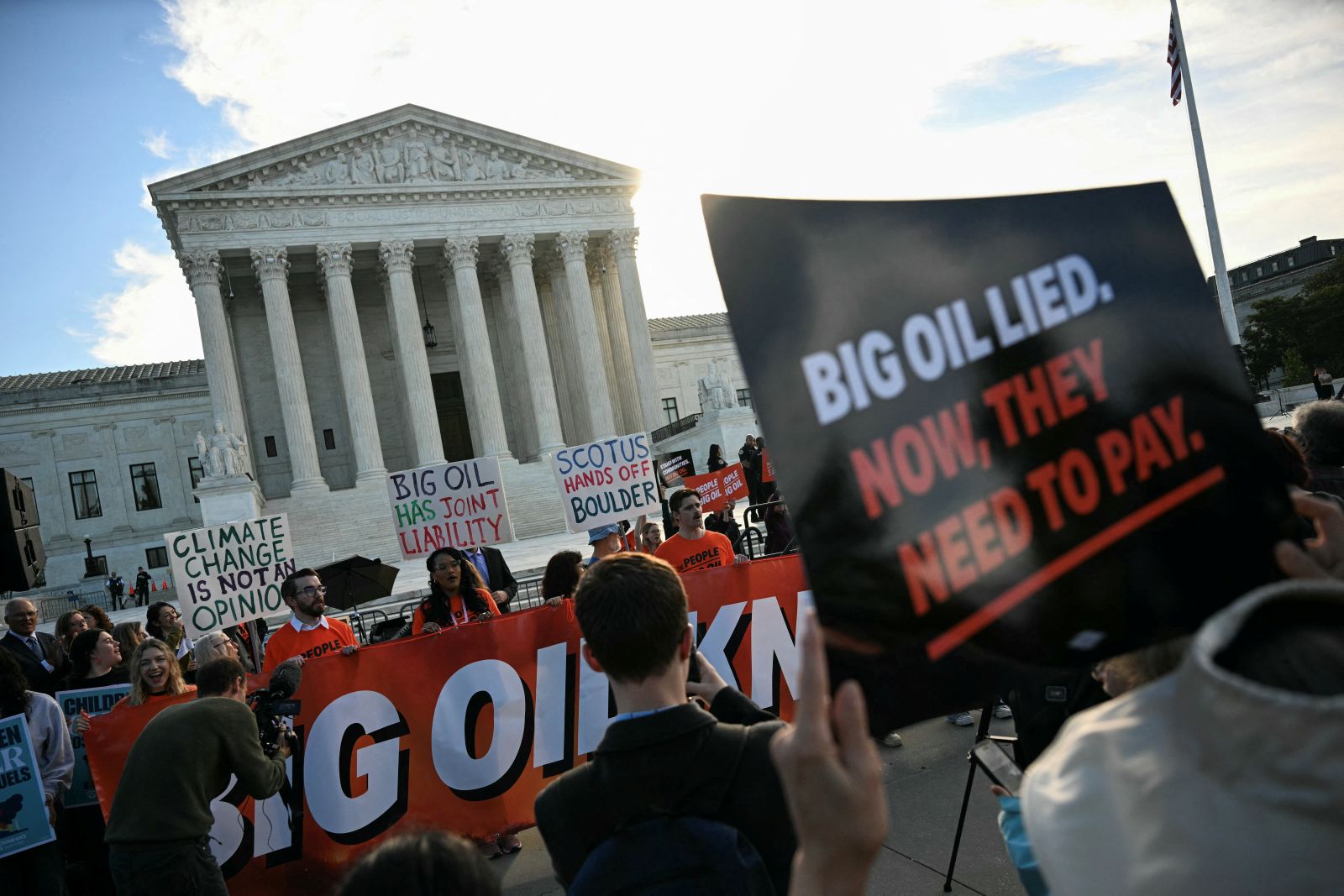
The Debate: Emissions Regulation Versus Corporate Deception
A major friction point during the hearing involved the fundamental legal framing of Boulder’s lawsuit. Several conservative and moderate justices leaned toward an interpretation advanced by Exxon Mobil and Suncor: that the lawsuit is, in practice, an unprecedented attempt to use state tort law to regulate global greenhouse gas emissions.
Kannon Shanmugam, the lead attorney representing the oil and gas companies, warned the court of a slippery slope. "This case involves an unprecedented effort to use state law to regulate global conduct," Shanmugam argued, suggesting that if Boulder succeeds, citizens could theoretically sue drivers for fueling up their cars anywhere in the nation on public nuisance grounds.
Justice Brett Kavanaugh echoed these concerns, stating he could discern no practical difference between ordering oil companies to pay climate damages and granting a state the authority to dictate global greenhouse gas emissions. Kavanaugh cautioned that the financial exposure could potentially "bankrupt" some energy firms, dismissing Boulder’s approach as overly cavalier given the stakes.
In contrast, Boulder’s legal counsel, Kevin Russell, pushed back firmly against the emission-regulation framing. Russell maintained that the city is not attempting to halt oil and gas production, nor is it seeking to restrict consumers from burning fossil fuels. Instead, Boulder’s legal theory is rooted in corporate deception—arguing that energy giants spent decades misleading the public about the known, large-scale environmental risks of their products while reaping massive profits.
Drawing a historical parallel, Justice Elena Kagan compared Boulder’s strategy to the landmark state-level lawsuits against major tobacco companies in the 1990s. Those cases successfully forced cigarette manufacturers to pay billions in healthcare costs and curb deceptive marketing campaigns without banning the sale of tobacco products.
"This is not an effort to reduce emissions," Russell emphasized during arguments. "Under our deception theory, they can continue to produce as much fossil fuels as they like and contribute to as much air pollution and greenhouse gas emissions as the market will bear when consumers are properly informed about the consequences of that decision. It doesn’t prohibit them from engaging in the conduct. It requires them to internalize a portion of the cost of their activities by paying for some of the damage."
Background Context and Chronology of Climate Tort Litigation
The legal battle in Boulder is part of a broader, multi-year wave of climate litigation sweeping the United States. Over the past decade, more than two dozen states, counties, and municipalities have filed lawsuits against major oil and gas corporations. These local governments are struggling to finance the soaring costs of climate adaptation and disaster recovery—ranging from rising sea-level defense walls to rebuilding communities devastated by unprecedented wildfires, such as the Marshall Fire in Boulder County.
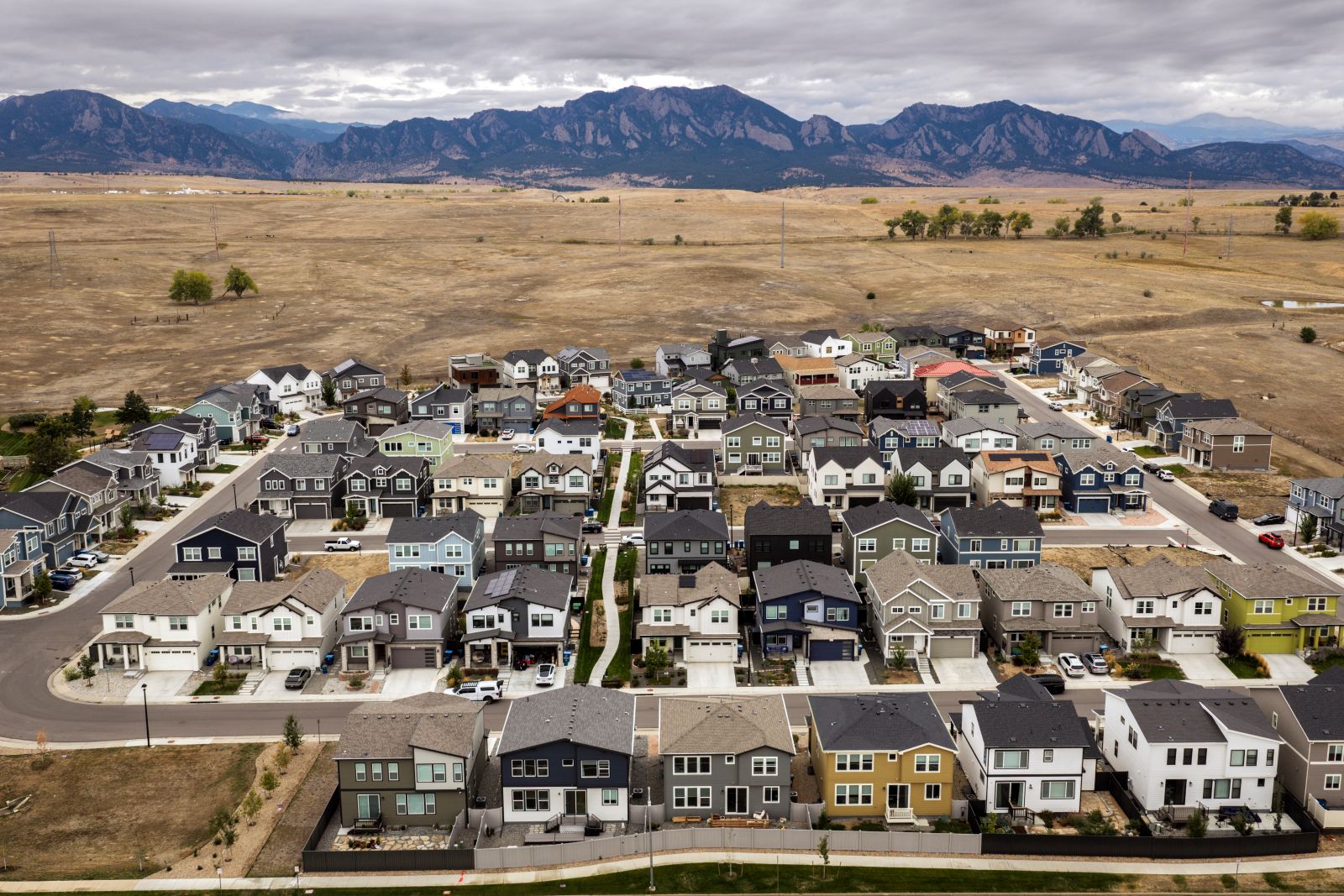
For years, the core procedural battleground focused on jurisdiction. Fossil fuel companies aggressively pushed to move these lawsuits out of state courts and into federal courts, where they believed they would receive a more favorable hearing based on federal environmental statutes like the Clean Air Act. However, a string of federal appellate court rulings consistently rejected the industry’s arguments, ruling that these nuisance and consumer protection lawsuits belonged in state courts. This string of defeats prompted the energy companies to elevate the fight to the Supreme Court, seeking a sweeping federal preemption shield.
The timeline of the Boulder litigation reflects this protracted struggle:
- 2018: Boulder County, alongside the city of Boulder and other local entities, files its lawsuit against Exxon Mobil and Suncor in Colorado state court.
- 2018–2023: Fossil fuel defendants successfully remove the case to federal court, setting off a multi-year jurisdictional ping-pong match through appellate courts.
- 2023–2025: Federal appeals courts repeatedly rule that the case should be remanded back to state courts, prompting oil companies to petition the U.S. Supreme Court for review.
- October 2026: The Supreme Court hears oral arguments in the term’s opening week, placing the future of municipal climate liability under national scrutiny.
Broader Economic and Legal Implications
The Supreme Court’s eventual decision—expected months from now—will send shockwaves through the American legal and economic landscapes. Legal experts note that the justices have multiple pathways for their ruling, ranging from broad constitutional doctrines regarding interstate commerce and federal regulatory authority to narrower interpretations of statutory intent.
Erika Kranz, an attorney with Harvard Law School’s Environmental and Energy Law Program, noted that the viability of dozens of pending climate suits depends entirely on the nuance of the court’s written opinion. "States and local governments are trying to recoup costs related to harms from climate change in a lot of different types of lawsuits," Kranz observed. "Whether these other cases run into trouble will depend on how justices write their decision."
If the court rules in favor of the oil companies by establishing that federal law preempts state-level climate lawsuits, it would effectively terminate virtually all similar municipal litigation nationwide. Conversely, a ruling that sends the case back to Colorado—whether via a narrow procedural dismissal or a 4-4 tie resulting from Justice Alito’s recusal—would allow Boulder and other local governments to proceed to trial, opening the door for monumental financial liability hearings.
Chris Winter, executive director of the Getches-Wilkinson Center at the University of Colorado Law School, highlighted the immense anxiety gripping corporate boardrooms. "There’s a lot of concern from the oil industry, from corporate actors, and from the conservative justices about the significant consequences of these cases," Winter said. "One way to get at that is to equate this case with previous cases, which were much more directly about regulation of pollution."
As the legal community awaits the court’s decision, the outcome remains one of the most anticipated verdicts of the decade. For Boulder and other vulnerable municipalities, the ruling will determine whether fossil entities must shoulder the financial burdens of climate change adaptation. For the energy sector, it represents a existential defense against a sprawling wave of litigation that threatens their long-term economic model.