Enacted in 1973 during the Nixon administration, the Endangered Species Act (ESA) was famously hailed by the U.S. Supreme Court as the most comprehensive legislation for the preservation of endangered species ever enacted by any nation. Over the past five decades, the statute has served as the bedrock of American conservation, preventing the permanent extinction of nearly 300 vulnerable species, including iconic American wildlife such as the bald eagle, the American alligator, and the grizzly bear. The U.S. Fish and Wildlife Service (USFWS), along with the National Oceanic and Atmospheric Administration (NOAA), has shouldered the responsibility of enforcing the law, evaluating struggling populations, and listing them as either "endangered" or "threatened."
Traditionally, the statute’s remarkable efficacy has relied on the interpretation of two foundational words: "take" and "harm." Under long-standing federal regulations, the statutory prohibition against "taking" an animal criminalized any attempt to harass, harm, pursue, hunt, shoot, wound, kill, trap, capture, or collect at-risk species. Furthermore, the explicit regulatory definition of "harm" ensured that developers and industries could be penalized if their commercial activities degraded a listed species’ vital breeding, feeding, or sheltering habitat. Whenever federal actions or private real estate and industrial developments threatened to disrupt these ecosystems, project developers were legally mandated to consult with wildlife agencies or secure formal incidental take permits prior to breaking ground.
That entire regulatory architecture shifted dramatically when the Trump administration implemented sweeping policy changes designed to curtail federal conservation oversight. In a move that sent shockwaves through the environmental and legal communities, the administration determined that razing the natural habitats where endangered and threatened species breed, feed, and shelter would no longer trigger federal penalties. In a separate internal directive, executive officials reinterpreted the statutory definition of "take," restricting its application exclusively to instances involving the direct, intentional killing of a protected animal. This narrow interpretation effectively strips away legal liability for accidental, incidental, or systemic habitat destruction caused by industrial expansion, infrastructure projects, and resource extraction.
The immediate legal fallout has been swift and contentious. Nearly two dozen state attorneys general filed formal lawsuits challenging the administration’s gutting of the core ESA definitions, arguing that the changes violate the clear intent of the 1973 statute and bypass required administrative procedures. Environmental law organizations have similarly mobilized to block the implementation of the new rules. Elizabeth Forsyth, a senior attorney in the biodiversity defense program at Earthjustice, summarized the gravity of the shift, stating that the rule changes represent an assault on threatened and endangered species unlike anything seen before in the history of American environmental law. According to legal experts, the policy is a calculated effort to eliminate habitat protections, remove automatic safeguards for threatened species, and transfer regulatory authority directly to industrial stakeholders.
These regulatory rollbacks are colliding with an escalating biodiversity crisis driven by anthropogenic climate change. As global temperatures rise, shifting ecosystems, prolonged droughts, and warming waters are forcing wildlife to adapt at unsustainable rates. The weakening of the federal regulatory framework removes the vital safety net that has kept vulnerable populations afloat, leaving dozens of iconic and lesser-known species entirely exposed to unchecked commercial development and habitat degradation.

North Atlantic Right Whale: Running Out of Time
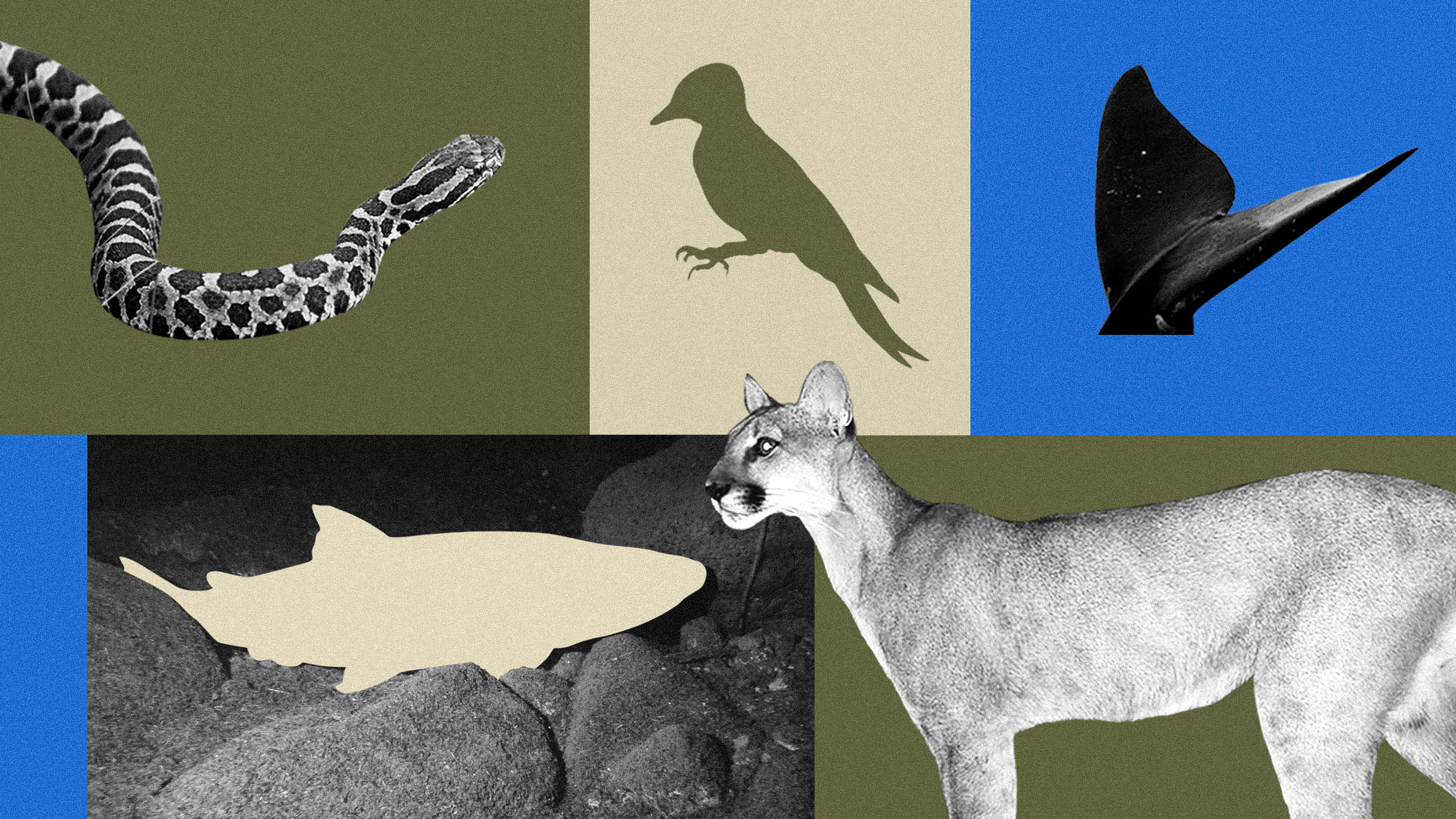
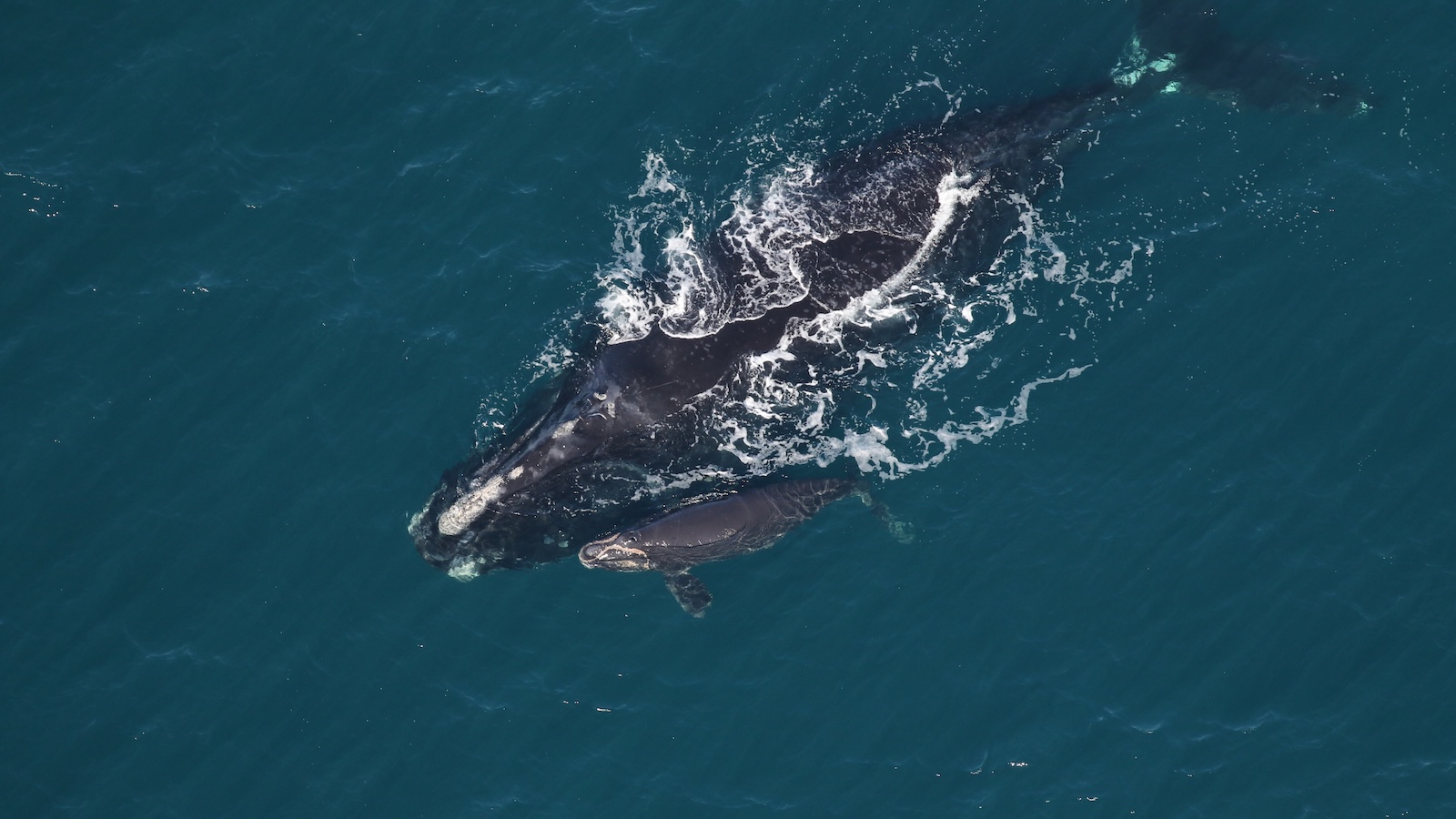
Among the marine species most immediately endangered by the policy shift is the North Atlantic right whale. Ironically named because whalers considered them the "right" whale to hunt due to their coastal proximity, slow speeds, and floating carcasses, the species was driven nearly to extinction before commercial whaling was banned in the 1930s. Today, the threats facing the remaining population of approximately 380 individuals—only 70 of whom are breeding females—are entirely incidental. Research shows that the leading causes of mortality are vessel strikes and entanglements in commercial fishing gear.
Since 2017, the species has experienced an official "unusual mortality event," with at least 43 whales confirmed dead and 133 observed suffering from severe injuries or poor health. Well before the recent overhaul of the ESA, the Trump administration had already begun dismantling whale protections. The National Oceanic and Atmospheric Administration announced plans to rescind mandatory ocean speed restrictions designed to prevent ship strikes and subsequently declined to expand designated critical habitats along the animals’ primary migratory routes. Legal analysts warn that the administration will weaponize its newly minted definition of "take" to defend these rollbacks in court, arguing that federal speed limits and operational restrictions exceed statutory authority because they regulate incidental, non-intentional harms. Because right whales face a critically low population baseline, conservationists emphasize that the species lacks the buffer of time to survive years of delayed legal battles.
Eastern Massasauga Rattlesnake: Fragmentation in the Midwest
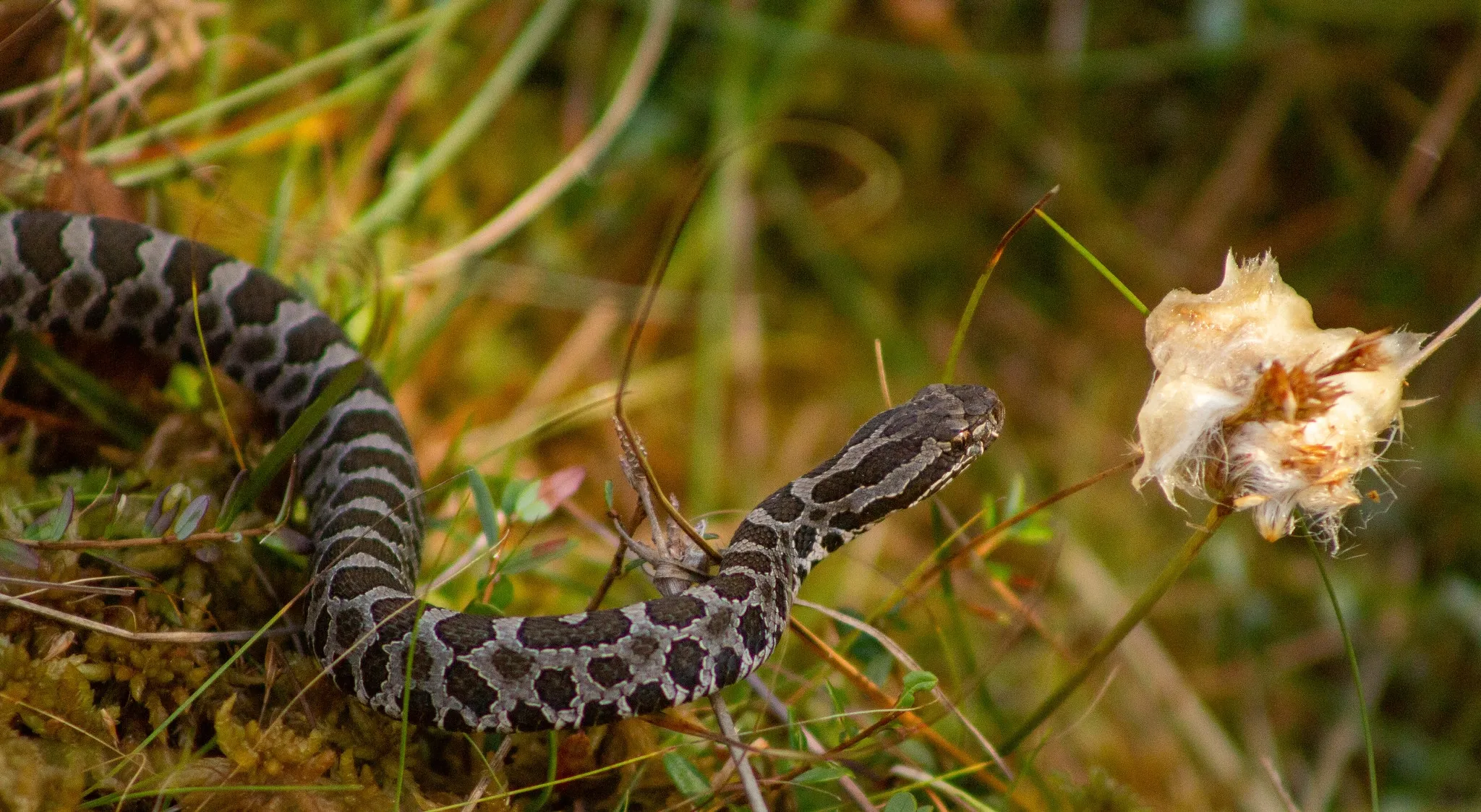
In the wetlands of the Great Lakes region, the eastern massasauga rattlesnake faces a parallel crisis. As the only venomous snake species native to Michigan, the three-foot-long reptile is frequently misunderstood, though state wildlife agencies have repeatedly issued public advisories urging citizens to stop harassing the shy, docile creatures. Etymologically rooted in the Anishinaabemowin word for "great river mouth," the massasauga depends entirely on intact wetland ecosystems.
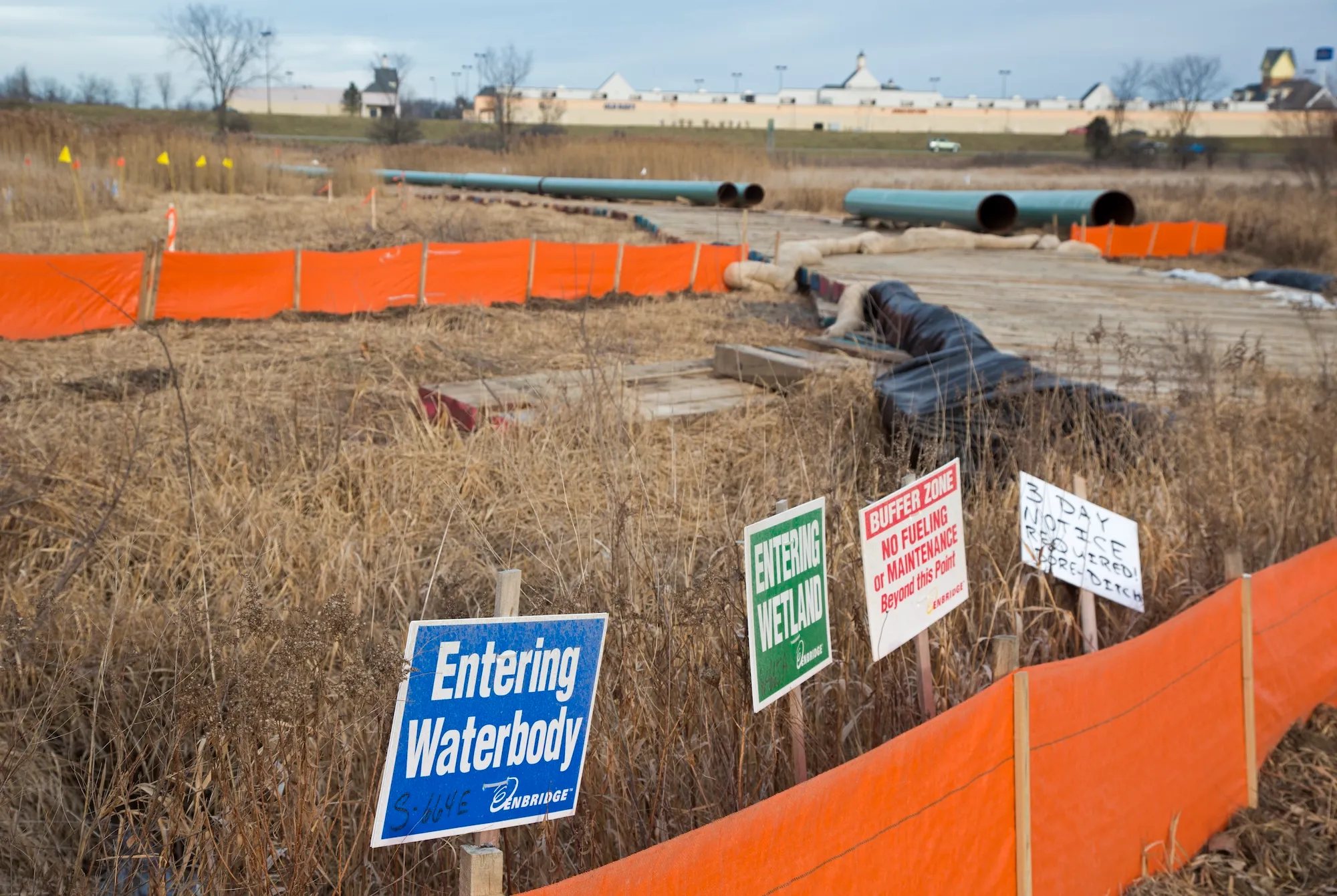
Over the past several decades, agricultural drainage, urban sprawl, and climate change have severely shrunk and fragmented the snake’s habitat across Illinois, Michigan, Ohio, and Wisconsin. This isolation prevents interpopulation breeding, lowering genetic diversity and making the species increasingly susceptible to emergent fungal diseases like snake fungal disease. Citing these pressures, the U.S. Fish and Wildlife Service listed the massasauga as threatened in 2016, sparking regional wetland conservation efforts. Under the revised federal rules, however, draining wetlands for pipeline construction, commercial real estate, or agricultural expansion—or accidentally crushing the snakes during heavy machinery operations—will likely escape federal prosecution. While states like Michigan maintain local endangered species laws and wetland protections, legal experts warn that these regional statutes are significantly narrower than the federal ESA, leaving critical regulatory gaps that state agencies are ill-equipped to fill.
Bull Trout: The Alpine Canary in the Coal Mine
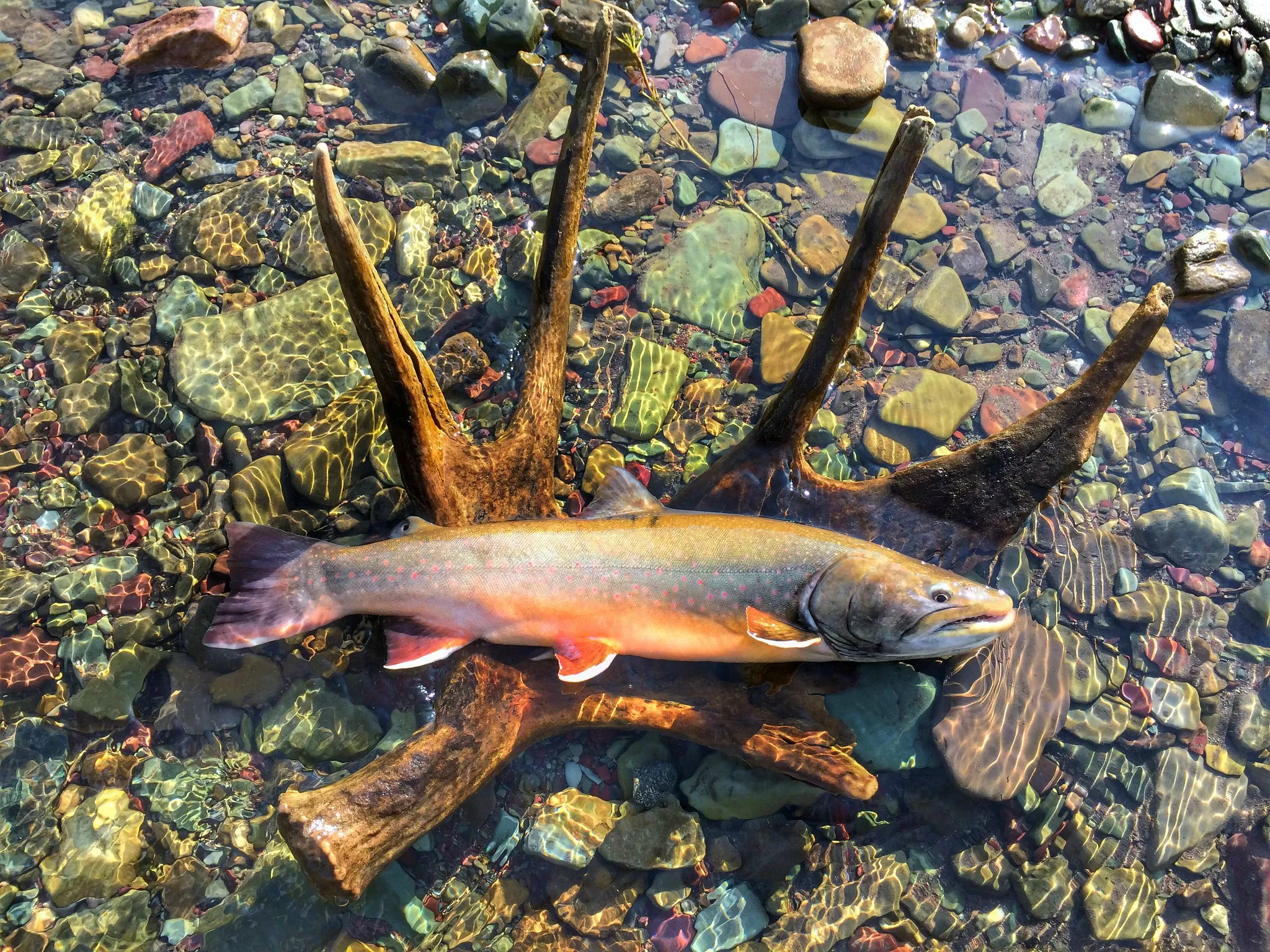
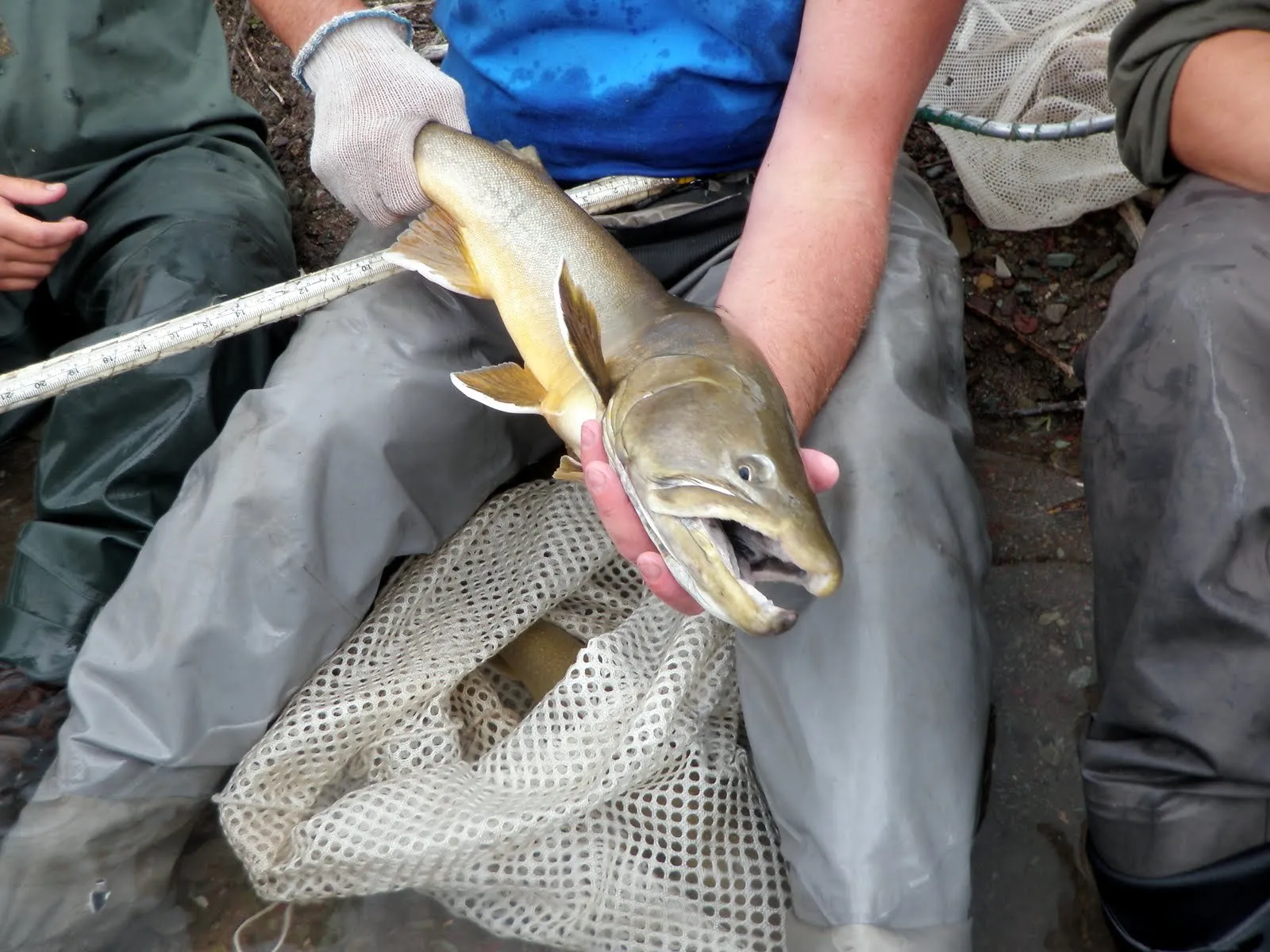
In the cold, crystalline streams of the Rocky Mountains, the bull trout serves as an ecological barometer for alpine ecosystem health. Characterized by their large heads and distinctive white-tipped fins, bull trout require cold, unpolluted water to survive and reproduce. Industrial logging, road construction, and resource extraction projects have dramatically increased sediment runoff, coating gravel riverbeds and suffocating delicate trout eggs.
Montana Fish, Wildlife and Parks has documented severe population contractions across roughly half of the species’ historic range, with fisheries biologists noting numerous formerly vibrant streams where the trout have vanished entirely over the past two decades. Listed as threatened under the ESA, bull trout have historically benefited from federal habitat protections that provided legal leverage for conservationists challenging large-scale timber sales and road construction in national forests. The Trump administration’s concurrent efforts to rescind protections for roadless areas in national forests and open public trails to motorized recreation, combined with the gutting of the ESA’s "harm" standard, threaten to remove the primary legal barrier preventing industrial activities from destroying remaining spawning grounds.
Florida Panther: Navigating a Booming Landscape
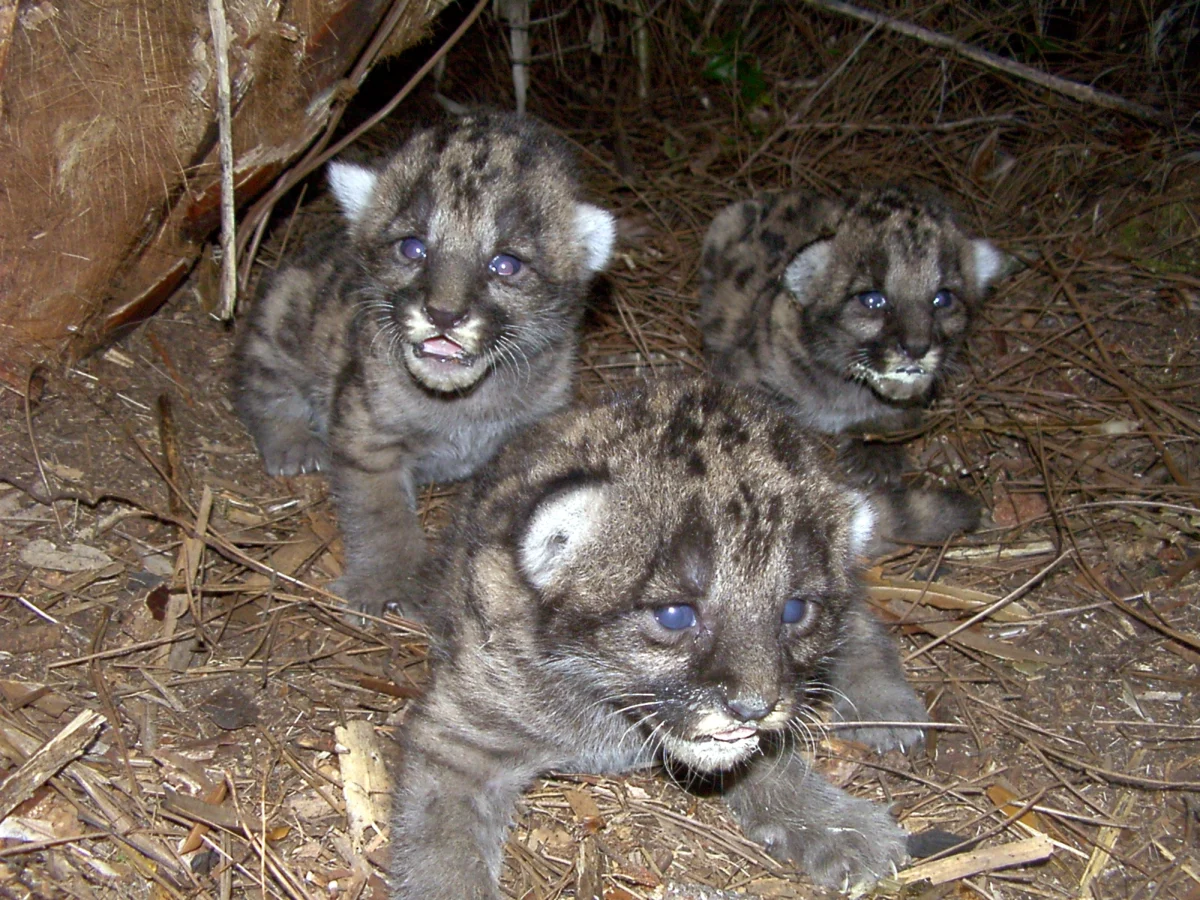
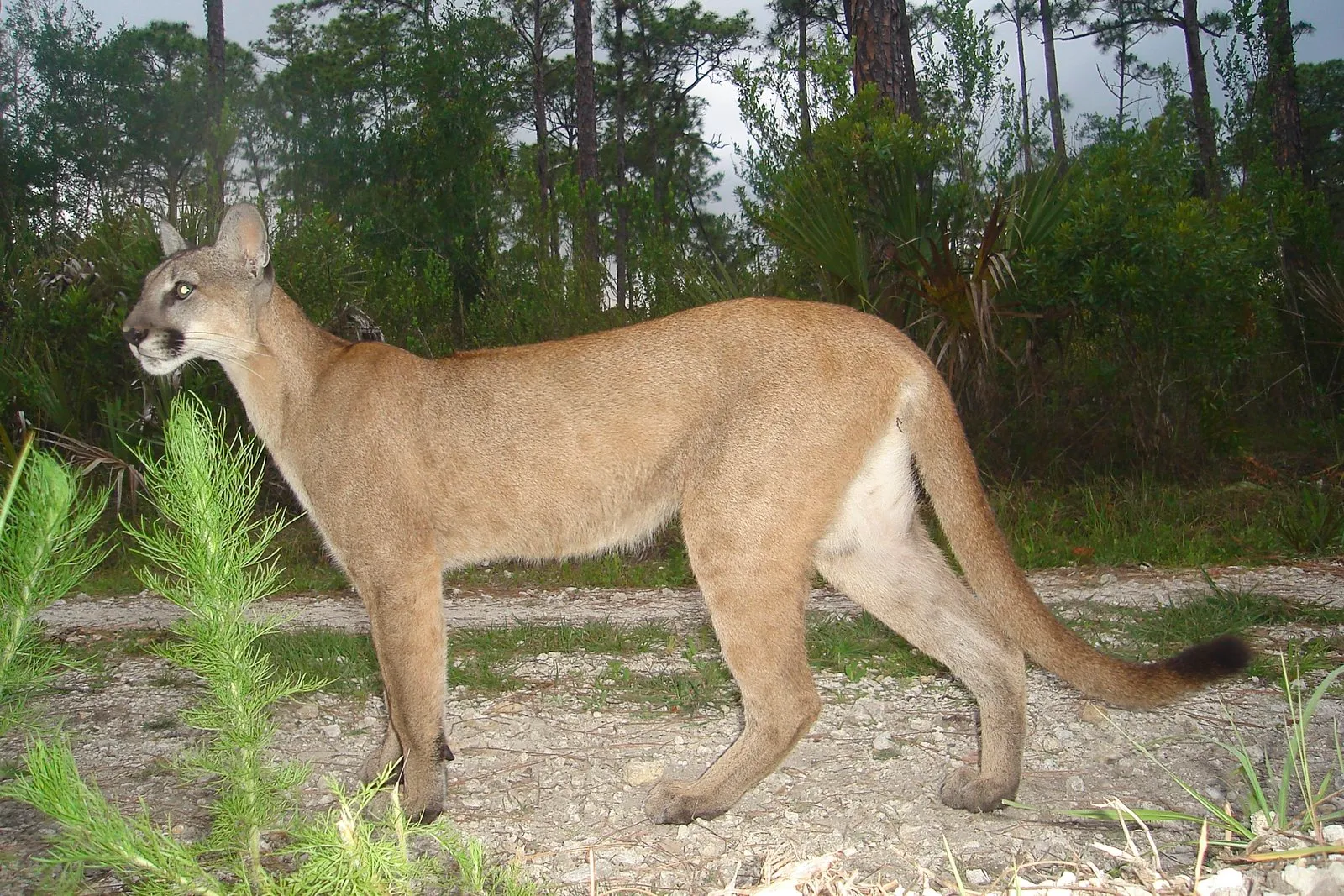
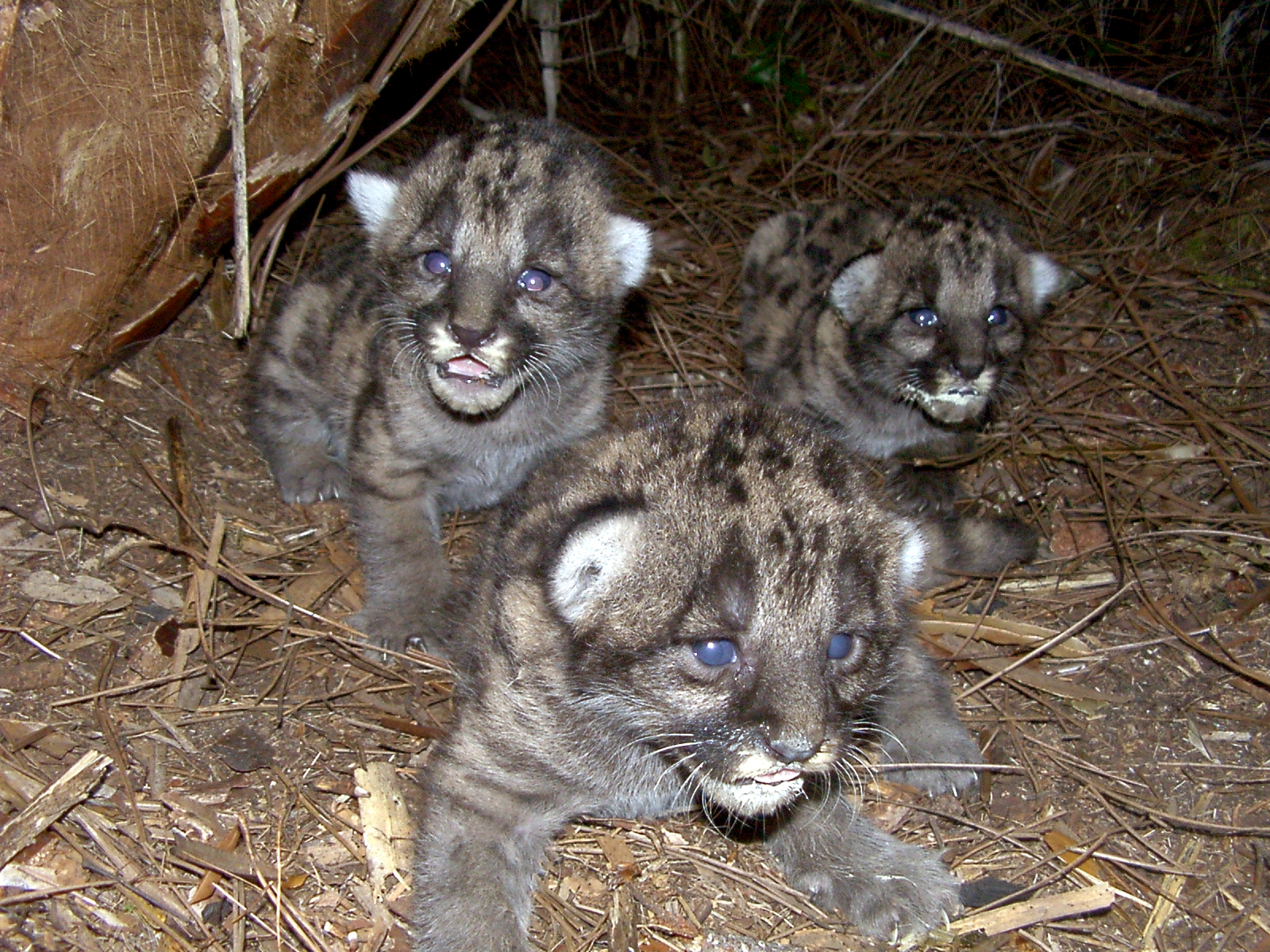
In the American Southeast, the Florida panther’s hard-won recovery is similarly jeopardized. Subjected to a state-sponsored bounty program until 1950, the panther population plummeted to a mere handful of individuals confined to the southern tip of the Florida peninsula. Thanks to decades of intensive conservation, reintroduction efforts, and genetic restoration, the population has rebounded to an estimated 200 individuals.
However, Florida’s explosive human population growth is driving rapid real estate development, transforming historic panther corridors into housing subdivisions and multi-lane highways. Vehicle collisions remain the leading cause of panther mortality. Because panthers were listed during the early years of the ESA, they lack the mandatory "critical habitat" designations that later-listed species enjoy. Wildlife biologists warn that under the administration’s narrowed definition of harm, developers operating near panther refuges will no longer be legally obligated to mitigate the fragmentation of vital migratory pathways, threatening to reverse a half-century of conservation gains.
California Sea Otters and Coastal Ecosystems
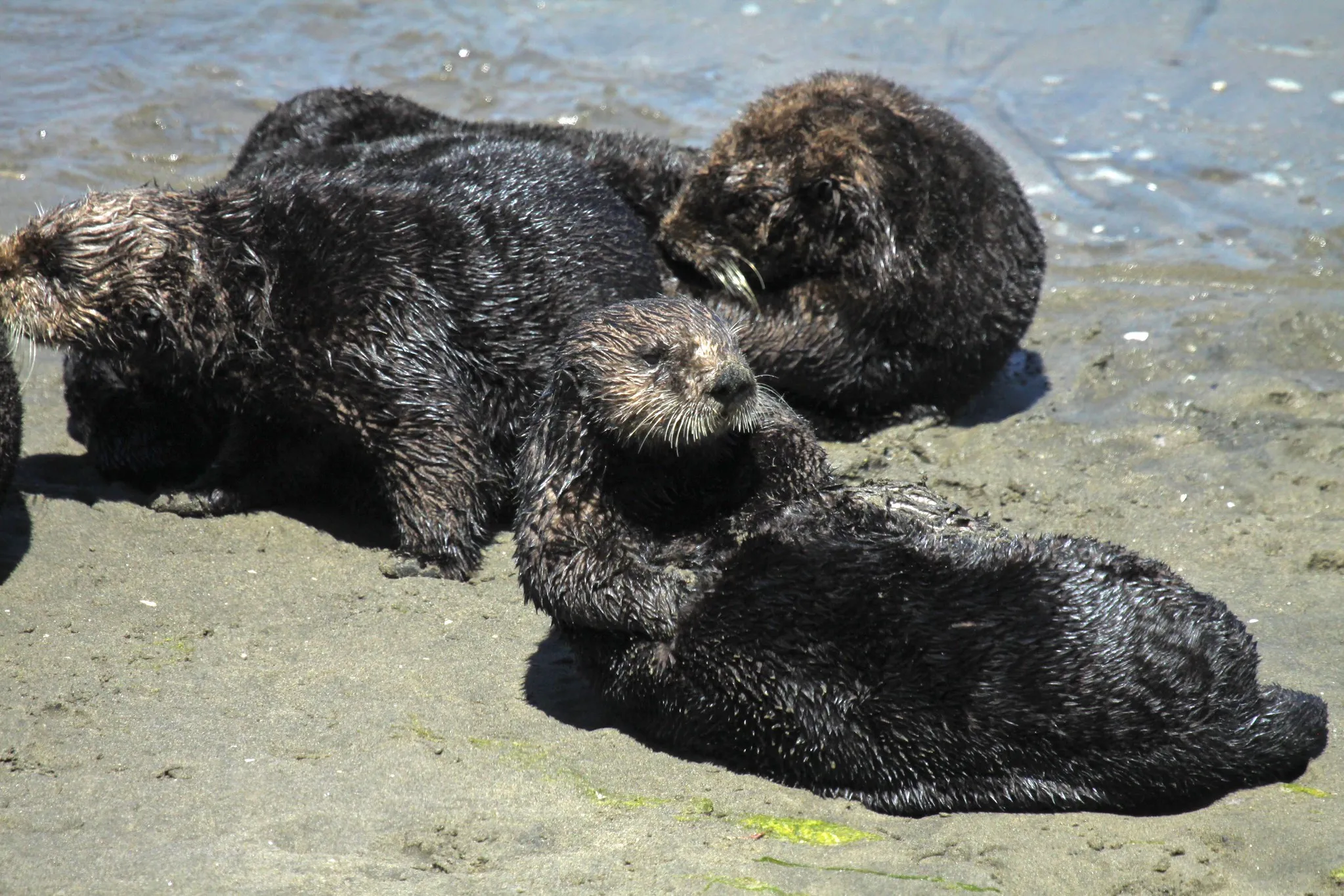
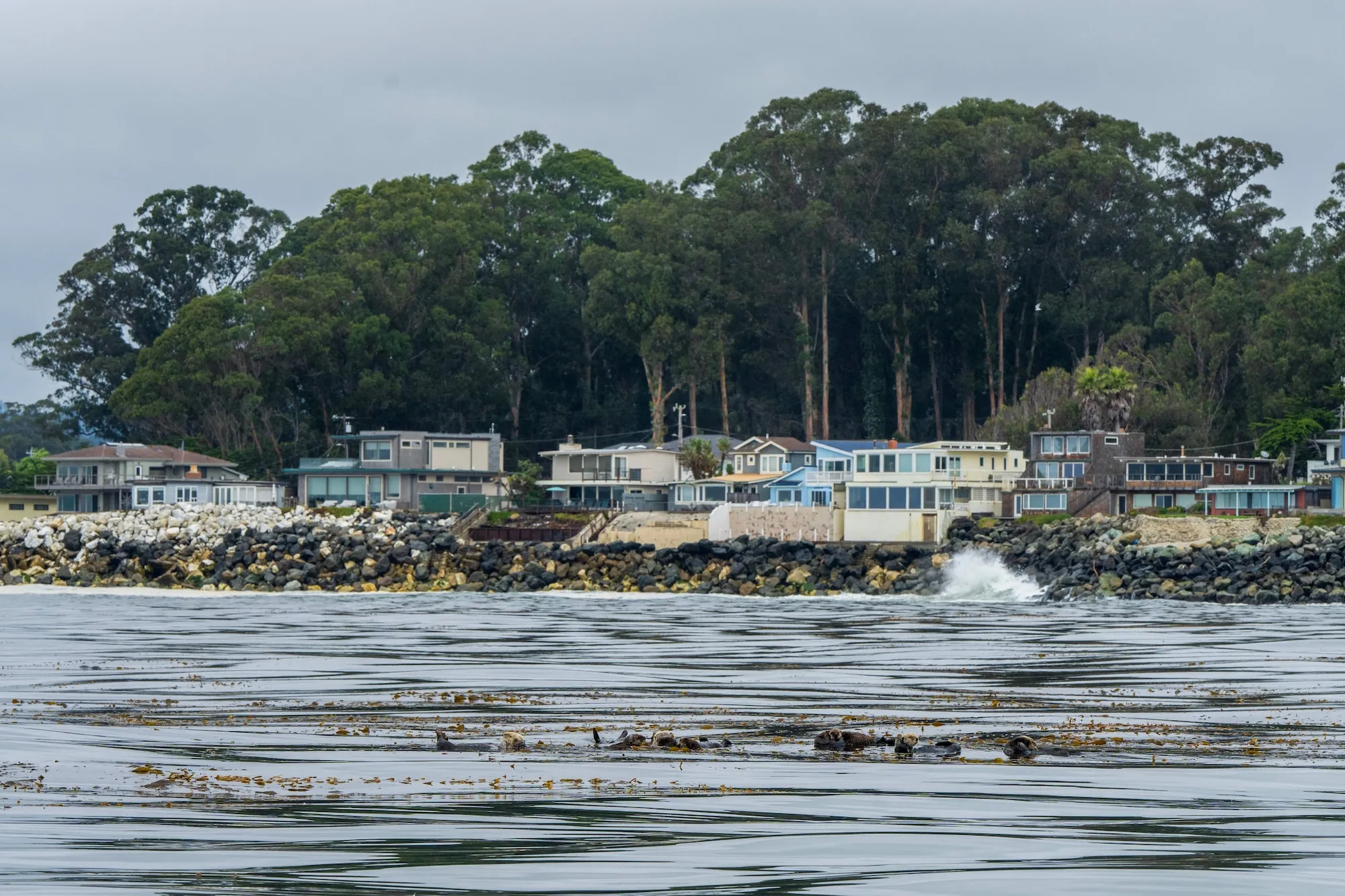
Along the central coast of California, approximately 3,000 southern sea otters weave through towering kelp forests, serving as a keystone species that regulates coastal urchin populations. Having survived 19th-century pelt hunting that pushed them to the brink of extinction, sea otters depend heavily on unpolluted nearshore tidal zones.
Like the Florida panther, southern sea otters lack a mandatory critical habitat designation under the ESA. Conservation groups emphasize that otters are directly impacted by agricultural runoff, including chemical fertilizers that spark toxic algae blooms and contaminate the shellfish the otters consume. Environmental organizations report that recent policy shifts have already forced them to suspend active litigation against polluting infrastructure projects because their legal strategies relied directly on the federal definition of habitat-mediated harm. Without these legal tools, conservation groups fear a wave of ecological backsliding along vulnerable coastlines.
Rusty Patched Bumble Bee: Invisible and Unprotected
The rusty patched bumble bee, distinguished by an amber spot on its abdomen, was once common across 28 states and parts of Canada. Over the past three decades, however, populations have plummeted by nearly 90 percent due to a combination of pesticide exposure, habitat loss, emerging pathogens, and climate-induced phenological mismatches between insect emergence and native wildflower blooms.
In 2017, the species made history by becoming the first bee listed under the ESA. Following protracted legal battles, the Fish and Wildlife Service designated roughly 1.5 million acres of critical habitat in May 2026. Because approximately 83 percent of this critical habitat is privately owned, the designation primarily restricted federally funded or permitted projects. Legal experts note that the administration’s elimination of habitat-harm provisions renders these protections practically toothless for insects. Bumble bees are exceptionally difficult to survey, spend a significant portion of their lifecycle underground, and can easily be overlooked by commercial developers clearing native prairies for construction projects.
Eastern Hellbender: Protection Stalled in Limbo
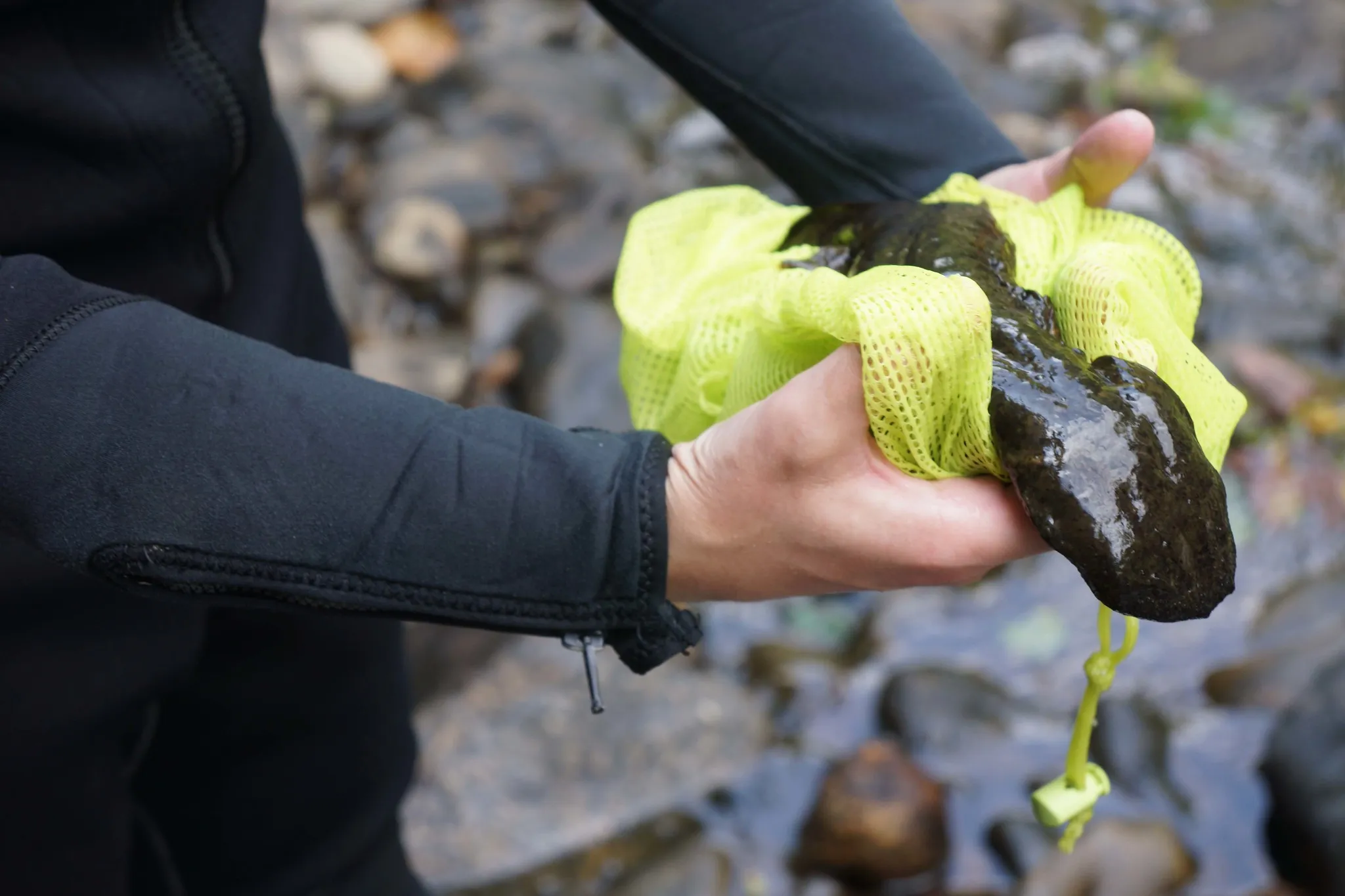
In the rushing mountain streams of the Appalachian region, the eastern hellbender—an ancient, fully aquatic salamander known colloquially as a "living fossil"—remains trapped in regulatory limbo. Having inhabited the same river systems for roughly 160 million years, hellbenders breathe entirely through their skin, making them acutely sensitive to siltation, temperature spikes, and industrial water pollution. More than 40 percent of the species’ historical population centers have vanished, and another 36 percent are actively declining.
Following severe habitat disruption caused by Hurricane Helene in late 2024, conservation organizations petitioned the federal government to grant formal ESA protections. Although the Fish and Wildlife Service initially proposed the salamander for listing, the final determination was repeatedly delayed. Legal records indicate that not a single new endangered species has received federal protection since the current administration took office. The Center for Biological Diversity filed a federal lawsuit in February demanding that the agency complete its decision-making process, but the regulatory timeline remains indefinitely deferred, leaving the ancient amphibian without federal recourse.
Red-Cockaded Woodpecker and the Longleaf Pine Ecosystem
In the southeastern United States, the red-cockaded woodpecker depends entirely on mature, living longleaf pine forests for its survival, spending years hollowing out nesting cavities in old-growth trees. Historically, the region featured vast expanses of longleaf pine, but centuries of clear-cutting and commercial timber management—which harvests trees long before they reach the maturity required by the birds—have severely restricted their habitat.
Although federal conservation efforts successfully downlisted the species from endangered to threatened in 2024 following decades of population recovery, biologists warn that the administration’s new interpretation of "harm" will leave remaining tracts of mature pine forest vulnerable to agricultural and residential conversion. Because these forests support a wide suite of co-dependent species, including gopher tortoises and eastern indigo snakes, the removal of federal habitat protections threatens a broader ecological collapse across southern timberlands.
The Palila and the Legal Precedent in Hawaiʻi
Hawaiʻi, recognized globally as an epicenter of modern extinctions, is home to the palila, a critically endangered, yellow-headed finch found exclusively in the high-elevation māmane forests of the Mauna Kea volcano on the Big Island. In 1979, conservationists won a landmark federal court ruling establishing that state-permitted feral sheep and goats were destroying the palila’s critical habitat in violation of the ESA. That judicial precedent cemented habitat protections nationwide, forcing government agencies and private industries to mitigate ecological damage.
Today, with only 600 individual palila remaining in the wild, the Trump administration’s policy reversal directly threatens to undo that half-century-old legal precedent. Under the revised federal guidelines, the state of Hawaiʻi may no longer be legally compelled to eradicate feral ungulates from protected forests, and commercial developers may construct infrastructure through māmane habitats without conducting environmental reviews or compensatory reforestation.

Chinook Salmon and Pacific Northwest Watersheds
Along the Pacific Northwest, Pacific salmon populations—including Chinook, coho, sockeye, and chum—undertake grueling migrations from freshwater rivers to the ocean and back to spawn and die. These runs are essential to regional tribal sovereignty, commercial fisheries, and coastal food webs. In recent decades, dam construction, industrial development, and urban stormwater runoff containing toxic tire-wear chemicals like 6PPD have decimated salmon runs.
While environmental groups have successfully utilized the ESA to advocate for the removal of obsolete dams and restore river flows, the administration’s rollback of habitat-harm protections threatens to halt these recovery efforts. Legal advocates note that lawsuits targeting chemical pollution and inadequate dam water releases rely heavily on the regulatory definition of habitat modification as a form of species harm. Without these provisions, industrial operators and municipal authorities face diminished legal accountability for activities that indirectly kill migrating fish.
Broader Implications and Future Outlook
The systematic narrowing of the Endangered Species Act represents a profound paradigm shift in U.S. environmental policy. By detaching habitat destruction from the legal definition of "harm" and restricting the prohibition of "takes" to direct, intentional killings, the executive branch has effectively neutralized the primary enforcement mechanisms that have protected American biodiversity for fifty years. As legal battles play out in federal courts across the country, conservationists, state attorneys general, and scientific institutions warn that the long-term cost of these regulatory changes will be measured in the permanent, irreversible loss of the nation’s most vulnerable wildlife.