As temperatures drop, the fashion industry has historically faced a persistent dilemma: how to reconcile the need for thermal protection with the aesthetic requirements of evening wear. For decades, the traditional evening dress code prioritized structured fabrics, such as silk, velvet, or crepe, often leaving the wearer vulnerable to the elements. However, the current winter season marks a definitive shift in high-fashion trends, as designers move toward "evening knitwear"—a category that blends the technical warmth of cashmere and merino wool with the provocative silhouettes previously reserved for cocktail attire.
This trend represents a broader movement in luxury fashion toward elevated comfort. According to recent market analysis from retail data firms, consumer preference for "functional luxury" has increased by 14% year-over-year. Designers are responding by re-engineering the humble sweater, transforming it from a staple of daytime loungewear into a centerpiece for formal social settings.
The Historical Context and Runway Evolution
The integration of knitwear into formal evening settings was not an overnight phenomenon. Throughout the mid-20th century, knitwear was largely relegated to the realm of sportswear or utilitarian garments. It was not until the late 1990s and early 2000s that luxury houses began experimenting with finer gauges of wool and cashmere to create silhouettes that mirrored the drape of evening gowns.
In the current 2024-2025 winter cycle, the trend has reached a point of saturation on the international runways. At the Schiaparelli fall/winter presentations, the use of intricate cable-knit patterns featuring strategic cutouts demonstrated that knitwear could be both architectural and daring. Similarly, the Tom Ford collections have heavily leaned into sheer, translucent cardigans, challenging the traditional definition of modesty in formal environments. This shift reflects a post-pandemic consumer desire to maintain the comfort found in remote-work wardrobes while reclaiming the glamour of public social life.
Categorizing the Evening Knitwear Movement
The modern evening sweater is defined by specific design elements that deviate from the standard crewneck or oversized jumper. Industry experts have identified five primary archetypes that currently dominate the market:
1. The Ballerina-Inspired Wrap Silhouette
The wrap sweater is perhaps the most versatile iteration of this trend. By utilizing adjustable tie-closures, designers provide a customizable fit that emphasizes the waistline. Brands such as Alaïa have been instrumental in popularizing this look, using high-tension yarns that maintain their shape throughout an evening event. The design relies on the "V" shape created by the wrap to elongate the torso, providing a sophisticated, balletic aesthetic that pairs effectively with both midi-skirts and tailored trousers.
2. Off-the-Shoulder and Halter Constructions
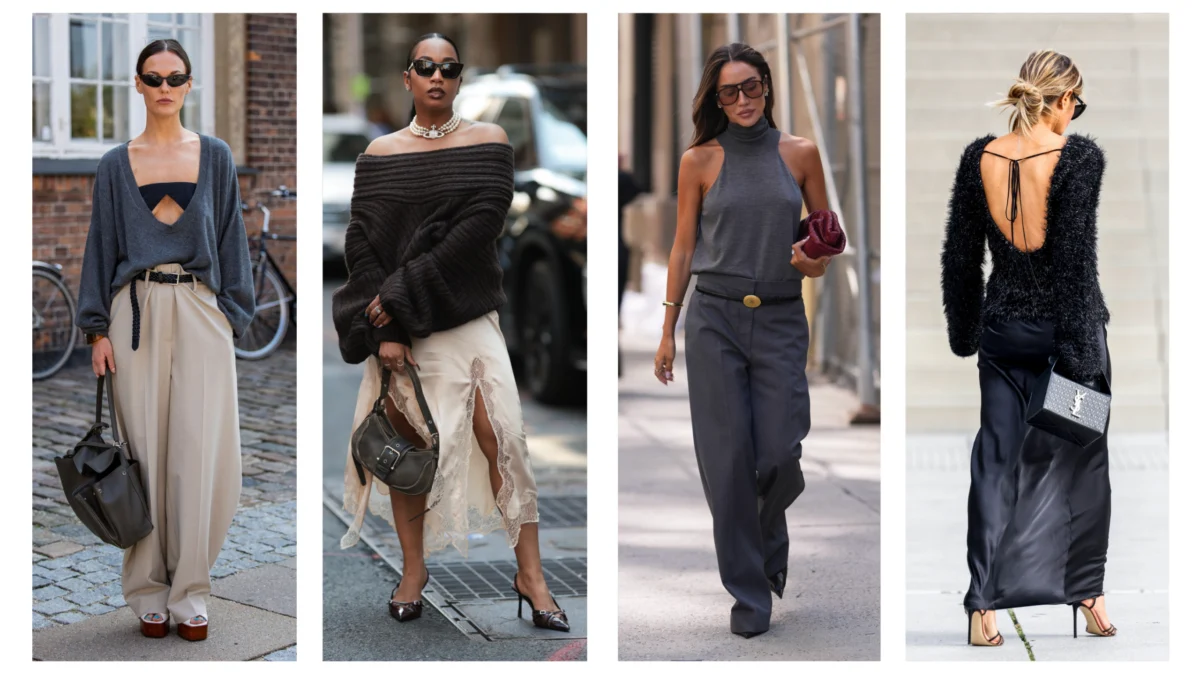
The off-the-shoulder trend utilizes the body’s natural lines to provide a sense of elegance without the need for restrictive formal wear. By exposing the collarbone and shoulders, these garments create a visual point of interest that is distinctly "evening." Recent collections from designers like Simkhai have pushed this further by incorporating halter straps, which provide structural support while maintaining a delicate, ethereal appearance.
3. The Reimagined U-Neck and Deep Plunge
Perhaps the most daring of the current trends is the "down-to-there" neckline. Unlike traditional sweaters, these garments are designed to be worn in concert with undergarments that act as intentional accessories. This trend, seen prominently at Zimmermann and Prada, suggests a move toward "lingerie-inspired" knitwear. The technical challenge here is maintaining the structural integrity of the fabric so that the neckline does not lose its shape after repeated wear.
4. The Open-Back Design
The backless sweater offers a deceptive element of surprise. From the front, these pieces often appear as traditional, demure turtlenecks or crewnecks, yet the rear view reveals a dramatic departure from standard knitwear. Brands such as Tove and Lisa Yang have utilized this technique to create a balance between warmth and exposure, making these pieces ideal for transitional weather.
5. Sleeveless and Cutout Alternatives
For those attending indoor events where heavy sleeves are unnecessary, the sleeveless sweater has emerged as a high-fashion alternative. By removing the sleeves, the garment becomes a secondary layer that fits seamlessly under heavy outerwear, such as leather jackets or faux-fur coats. This versatility is a key driver for its popularity among urban professionals who must transition between outdoor environments and climate-controlled venues.
Market Data and Consumer Behavior
Retail data indicates that "evening-appropriate" knitwear searches have spiked by 22% since the onset of the current winter quarter. Retailers are reporting that the highest conversion rates occur for items priced between $200 and $600, suggesting that the "accessible luxury" segment is currently the most robust.
There is also a notable shift in textile sourcing. High-end brands are increasingly pivoting toward sustainable merino wool and recycled cashmere, as consumers demand transparency in the supply chain. The durability of these natural fibers makes them a "smarter" investment compared to synthetic blends, which often pill or lose their elasticity after a single season of wear.
Industry Implications and Future Outlook
The rise of the evening sweater has significant implications for the wider fashion industry. It suggests a potential decline in the dominance of the "little black dress" as the sole uniform for evening events. Instead, the "separates" approach—where a customer pairs a high-impact knit with a formal skirt or trousers—offers greater utility and longevity.
From a production standpoint, the trend is forcing manufacturers to improve the precision of their knitting machines. Creating intricate cutouts in wool without causing the fabric to fray requires advanced knitting technology, often necessitating a higher price point for the end consumer. However, the trade-off is a garment that feels more like a piece of craftsmanship than a mass-produced item.
Looking ahead, analysts predict that this trend will continue to evolve through the incorporation of metallic yarns and sequin embellishments woven directly into the knit. This will further blur the lines between "daytime" and "evening" clothing, supporting a wardrobe philosophy based on layering rather than rigid categorization.
Conclusion
The transition of the sweater into the evening sphere is a pragmatic response to the changing demands of the modern consumer. By prioritizing technical innovation and silhouette modification, designers have succeeded in making knitwear a viable, even preferred, option for formal events. Whether through the strategic use of cutouts, the elegance of a wrap silhouette, or the daring nature of an open back, the evening sweater provides a solution to the perennial conflict between style and comfort. As the industry moves forward, it is clear that the focus will remain on pieces that offer both tactile luxury and visual intrigue, ensuring that the cold-weather wardrobe remains as dynamic as any other.