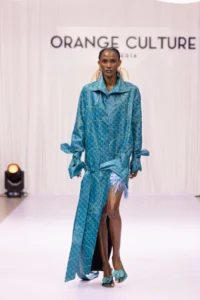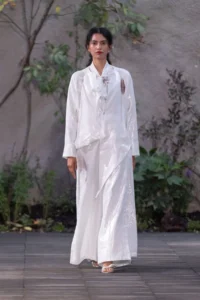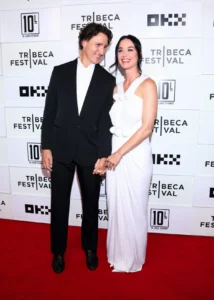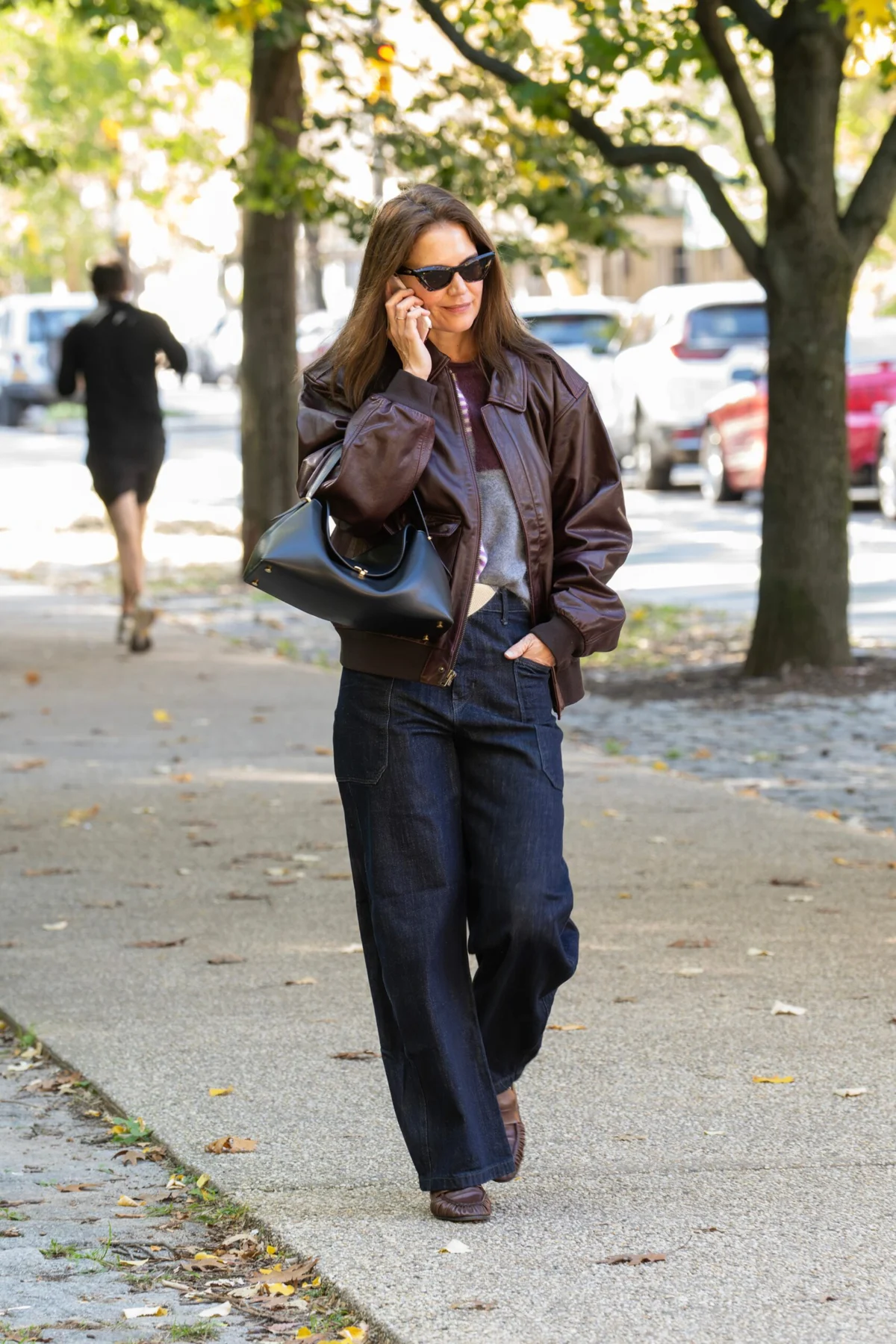
Each week, ELLE editors break down the buzziest celebrity looks and reveal exactly where you can shop them. From exact matches to editor-approved alternatives, this is your one-stop destination for turning star-powered fashion moments into shoppable inspiration. This editorial framework represents a significant shift in the fashion media landscape, moving away from traditional passive consumption toward an integrated, commerce-driven ecosystem. By bridging the gap between high-profile red carpet appearances and mass-market retail accessibility, publications have transformed the role of the fashion editor into that of a digital personal shopper, backed by rigorous editorial vetting processes.
The operational standard for such features is rooted in independence. Every product featured on ELLE.com is independently researched, tested, or editor-approved. The publication maintains that its recommendations are driven by editorial and product testing standards rather than affiliate deals or advertising relationships, ensuring that the consumer receives objective guidance in an increasingly saturated digital marketplace.
The Mechanism of Modern Fashion Journalism
The integration of commerce into editorial content is not merely a revenue-generating strategy but a response to changing consumer behaviors. In the digital age, the "see-now-buy-now" mentality has become the industry standard. Data from retail analytics firms indicates that when a high-profile celebrity is photographed in a specific garment, search interest for that item—or similar silhouettes—spikes by an average of 150% within the first 24 hours.
The process of translating these moments into shoppable content involves a multi-step verification pipeline. Editorial teams analyze high-resolution imagery to identify designers, fabric compositions, and stylistic nuances. When exact matches are unavailable due to exclusivity, bespoke tailoring, or inventory depletion, editors provide curated alternatives that maintain the aesthetic integrity of the original look. This curation relies on a deep knowledge of current market trends, brand positioning, and garment construction.
Chronology of a Fashion Moment
To understand how a celebrity look becomes a commercial trend, one must examine the timeline of a typical fashion cycle. The process usually begins with a public appearance, such as a film festival premiere, a major award show, or a high-profile street-style moment.
- The Appearance (T+0): The celebrity is photographed by global news agencies. The visual data is disseminated across social media platforms, creating an immediate feedback loop of public interest.
- Identification (T+2 hours): Editorial teams cross-reference the imagery with runway archives and brand lookbooks. If the item is a new collection piece, communication with public relations representatives is initiated to confirm availability.
- Curation (T+6 hours): Editors evaluate the accessibility of the items. They look for direct retail links or authorized stockists. If the price point is prohibitive, the team sources "editor-approved" alternatives that mimic the silhouette, color palette, or material at a more attainable price point.
- Publication (T+24 hours): The article is published, integrating direct links to retailers. The content is optimized for search engines to ensure that users searching for the celebrity’s look find the publication’s analysis as a primary resource.
Supporting Data and Consumer Trends
The efficacy of this model is supported by broader shifts in retail data. According to recent reports on the luxury e-commerce sector, nearly 60% of Gen Z and Millennial consumers cite social media and editorial blogs as their primary sources of fashion inspiration before making a purchase. Furthermore, the conversion rate for editorial-backed product links is significantly higher than that of traditional display advertising.
This high conversion rate is attributed to the "trust factor." By explicitly stating that their recommendations are not driven by advertising relationships, publications like ELLE build a level of credibility that influencers often lack. The editorial mandate serves as a barrier against the "fast fashion" noise, focusing instead on longevity, quality, and style relevance.
Official Responses and Industry Stance
While the fashion industry has historically kept a distance between the press and the retail floor, the current climate has forced a reconciliation. Fashion houses are increasingly providing detailed "press kits" that include product information, pricing, and availability to ensure accurate reporting.
"The goal is to provide a seamless transition from inspiration to acquisition," says a senior editor at a leading fashion publication. "When a reader sees a gown on a red carpet, they want to know the brand, the price, and how they can incorporate that aesthetic into their own wardrobe. We are essentially democratizing luxury fashion by providing the tools to interpret high-end style for everyday life."
The Broader Impact on the Fashion Ecosystem
The implications of this editorial approach extend far beyond the individual reader. This model has a profound effect on how brands manage their inventory and marketing budgets. When a publication features a product, it acts as a digital seal of approval, which can lead to sell-outs within minutes.
However, this also places pressure on brands to maintain sustainable supply chains. As consumers move toward more intentional shopping habits—a trend exacerbated by the focus on "editor-approved" selections—there is a growing emphasis on transparency. Publications are increasingly expected to highlight the sustainability credentials of the brands they feature, turning fashion journalism into a form of consumer advocacy.
Ethical Considerations in Digital Curation
The commitment to editorial independence is the cornerstone of this journalistic practice. In an era where "sponsored content" and "paid partnerships" blur the lines between advertisement and journalism, the explicit disclaimer regarding editorial testing is vital. By prioritizing objective research over affiliate-driven agendas, the publication maintains the integrity of the recommendation.
This approach involves rigorous testing. Editors do not merely link to products based on appearance; they evaluate the brand’s reputation, the garment’s material quality, and the retailer’s shipping and return policies. This vetting process protects the consumer from low-quality knockoffs and ensures that the "shoppable inspiration" provided is of genuine value.
Future Projections for Fashion Journalism
As artificial intelligence and machine learning continue to evolve, the tools available to fashion editors will become more sophisticated. Image recognition technology is already being used to identify garments with high accuracy, reducing the time between a red-carpet event and the publication of a shopping guide.
However, technology cannot replace the "editorial eye." The ability to understand why a look works, how it fits into the current cultural zeitgeist, and how it can be styled for different body types remains a uniquely human skill. The future of fashion journalism lies in the combination of this human expertise with the precision of data-driven retail.
In conclusion, the practice of transforming celebrity fashion into shoppable content is a sophisticated intersection of journalism, consumer behavior, and retail technology. By adhering to strict standards of independence and focusing on high-quality, researched recommendations, fashion publications continue to serve as essential mediators in the global fashion economy. As the industry moves forward, the focus will likely remain on providing value to the reader—not just in terms of what to buy, but in understanding why a particular piece deserves a place in their wardrobe. This commitment to quality, combined with the convenience of direct shopping, ensures that the role of the fashion editor remains as relevant today as it was in the era of print.