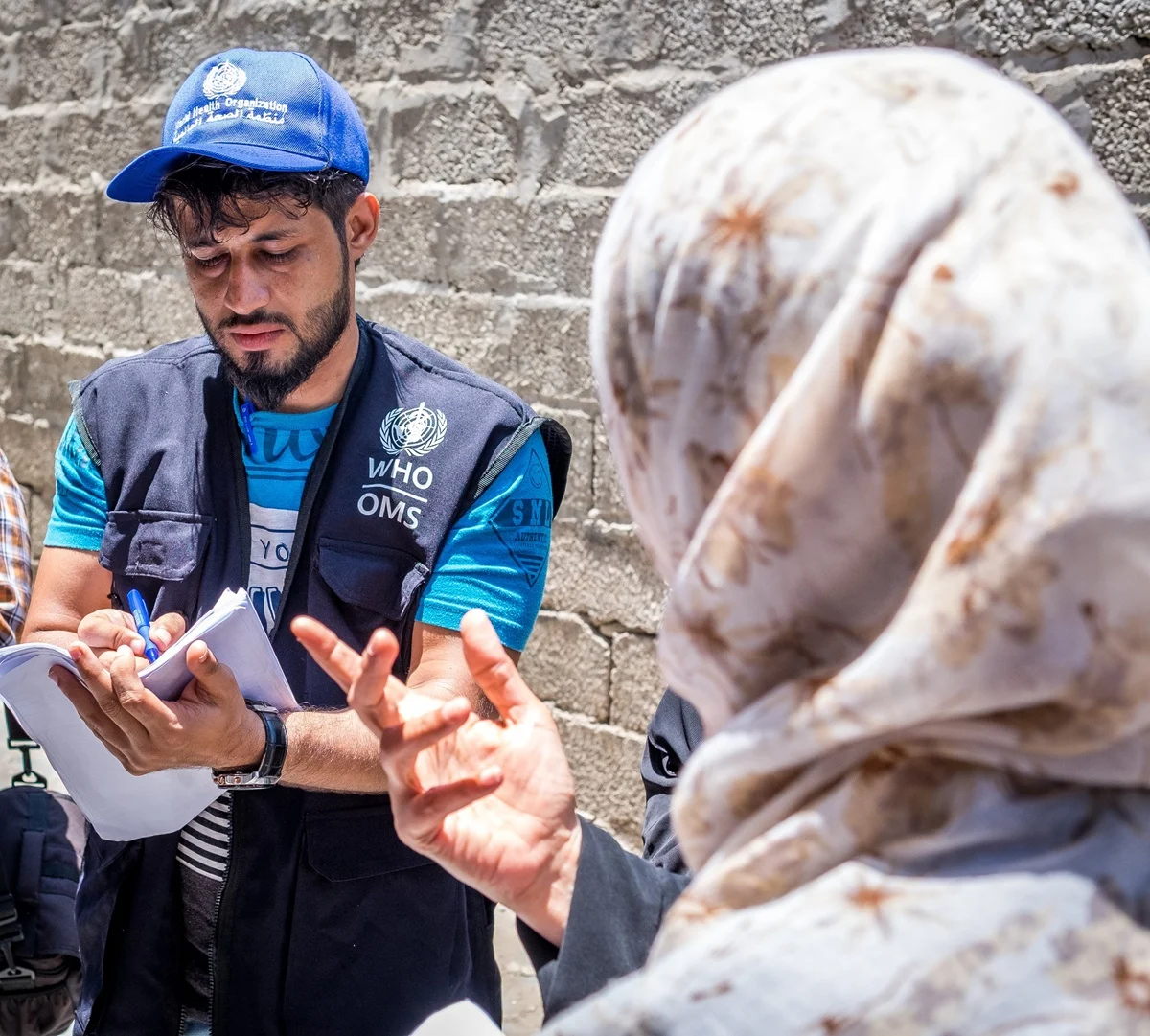
The World Health Organization (WHO), in a critical move to reinforce global health architecture and address systemic vulnerabilities exposed by the ongoing COVID-19 pandemic, has officially unveiled a comprehensive new framework titled the SCORE for Health Data Technical Package. Designed to bridge the glaring data divides that continue to hinder healthcare delivery worldwide, the newly launched package provides governments and health authorities with a harmonized, practical, and standardized toolkit to improve the collection, analysis, and utilization of vital health statistics.
The initiative arrives at a juncture where the deficiencies of national health information systems have direct, life-or-death consequences. As global public health institutions grapple with the complexities of managing pathogen spread, vaccine distribution, and routine medical care under immense pressure, the availability of timely, granular, and reliable data remains unequal across and within nations. The SCORE package represents a concerted global effort to ensure that no country is left behind in its capacity to measure, monitor, and manage public health crises.
The Urgent Imperative of Reliable Health Data in the Wake of COVID-19
For decades, public health experts have warned that national health planning is only as strong as the data underpinning it. However, the COVID-19 pandemic starkly illuminated the profound infrastructural deficits plaguing health systems globally. Many low- and middle-income countries, and even several advanced economies, struggled in the early phases of the pandemic to capture accurate infection rates, mortality statistics, and resource allocation needs in real time.
Without robust civil registration and vital statistics (CRVS) systems, governments are effectively navigating blindfolded. Policymakers find it exceedingly difficult to allocate scarce financial resources, deploy medical personnel effectively, or target vulnerable populations without precise empirical evidence. Recognizing these vulnerabilities, the WHO formulated the SCORE package to serve as an indispensable blueprint for structural reform.
"Countries must be able to measure progress to make progress," stated WHO Director-General Dr. Tedros Adhanom Ghebreyesus during the global launch. "Particularly during COVID-19, reliable data is the best way to coordinate response efforts and improve health in all areas."
Accurate data not only dictates pandemic management strategies but also serves as the cornerstone for addressing chronic illnesses, maternal and child health challenges, and non-communicable diseases. By establishing universal benchmarks, the SCORE framework aims to transform how health ministries operate, shifting from reactive guesswork to proactive, data-driven governance.
Deconstructing the SCORE Framework: Survey, Count, Optimize, Review, Enable
The acronym SCORE encapsulates five essential pillars designed to optimize the performance of national health information systems. By unifying these disparate elements into a single, cohesive package for the first time, the WHO has streamlined the process of health system strengthening.
- Survey: Strengthening population-based surveys to monitor risk factors, health behaviors, and health status indicators.
- Count: Ensuring full coverage of births, causes of death, and diseases through robust civil registration and health management information systems.
- Optimize: Monitoring health service data to optimize clinical care, facility readiness, and healthcare delivery.
- Review: Institutionalizing analytical capacity to synthesize data, assess progress, and inform public health policy formulation.
- Enable: Establishing the legal, institutional, and technological infrastructure required to govern health data securely and ethically.
Incorporating more than 90 universally accepted tools and standards, the SCORE Technical Package directly addresses the data availability and quality gaps documented in publications such as the WHO World Health Statistics reports. Rather than requiring countries to invent new methodologies from scratch, SCORE equips them with pre-vetted, high-quality instruments that can be tailored to local contexts.
Strategic Partnerships and Institutional Support
The development and deployment of the SCORE Technical Package have been significantly bolstered through strategic international cooperation. Most notably, the initiative benefits from a robust partnership between the WHO and the Bloomberg Philanthropies Data for Health Initiative, which provided critical funding and technical expertise to bring the package to fruition.
Dr. Kelly Henning, Director of Public Health Programs at Bloomberg Philanthropies, underscored the profound significance of the collaboration. "Using data to inform public health priorities and strategies has never been more important," Dr. Henning remarked. "The SCORE Technical Package provides country governments around the world with high-quality, essential technical guidance so that countries can strengthen their own data systems."
This partnership reflects a broader global recognition that strengthening health data systems requires sustained financial commitment, technical capacity building, and cross-border solidarity. By pooling resources and expertise, international stakeholders are attempting to fast-track infrastructural improvements that would otherwise take decades to materialize independently.
Charting the Chronology: From Pandemic Wake-Up Call to Global Implementation
The genesis of the SCORE initiative can be traced through a critical timeline of recent global health milestones:
- Early 2020: The rapid escalation of the COVID-19 pandemic exposes severe data fragmentation and reporting lags across global health systems.
- Mid-2020: The release of the WHO World Health Statistics 2020 report explicitly details the widespread lack of robust health data infrastructure, prompting urgent calls for systemic reform.
- Late 2020 to 2021: Collaborative efforts between the WHO, Bloomberg Philanthropies, and international statistical experts culminate in the design of the harmonized SCORE framework.
- Current Phase: The official launch of the initial release of the SCORE Technical Package, featuring foundational documents designed to help nations assess and upgrade their data capabilities.
- Upcoming Milestones (Later This Year): The WHO is scheduled to release subsequent components of the package, including the SCORE Assessment Instrument and comprehensive global, regional, and country status reports.
This phased rollout ensures that governments are not overwhelmed by theoretical mandates but are instead provided with practical, sequential tools that facilitate immediate self-assessment and long-term strategic planning.
Leadership Perspectives and the Path to the Sustainable Development Goals (SDGs)
The urgency surrounding the adoption of the SCORE framework is further amplified by the ticking clock on global development agendas, notably the United Nations Sustainable Development Goals (SDGs) and the WHO’s own Triple Billion targets. Achieving these ambitious objectives—which include universal health coverage, better protection from health emergencies, and healthier populations—is mathematically impossible without reliable metrics to track progress.
Dr. Samira Asma, Assistant Director-General for Data, Analytics and Delivery for Impact at WHO, emphasized that the window of opportunity for meaningful health reform is rapidly narrowing.
"We must keep score to save lives," Dr. Asma asserted. "WHO is committed to working with countries and partners to rapidly scale up capacity for data collection and use in order to improve policy and performance. We must act now to invest in statistical systems in countries, respond to this pandemic and meet the SDGs and the Triple Billion targets. Our window of opportunity is closing, and we cannot wait to address data gaps. Data use to address country needs has to be a priority today."
Dr. Asma’s remarks reflect a growing consensus within the global health community that statistical infrastructure is not a peripheral administrative expense, but a fundamental pillar of national security and public welfare. Countries that fail to invest in their health information systems remain perpetually vulnerable to novel pathogens, chronic disease burdens, and systemic economic shocks.
Broader Implications and Long-Term Impact on Global Health Resilience
The introduction of the SCORE Technical Package carries profound implications for the future of international health governance. By emphasizing country-owned, disaggregated data, the initiative promotes equity and transparency. Disaggregated data—broken down by age, gender, geography, and socioeconomic status—ensures that marginalized and vulnerable populations are visible in national statistics, allowing governments to direct interventions precisely where disparities exist.
Furthermore, the flexibility of the SCORE framework ensures its applicability across diverse economic and administrative landscapes. Whether a nation is grappling with post-conflict reconstruction, fragile institutional capacity, or the complexities of an advanced aging society, the modular nature of the technical package allows for scalable implementation.
As the international community continues to navigate the multifaceted challenges of the post-pandemic era, the lessons learned from COVID-19 are crystal clear: information sharing, multilateral collaboration, and adherence to shared scientific standards are the ultimate bulwarks against global health threats.
With the forthcoming release of the SCORE Assessment Instrument and accompanying status reports later this year, the WHO and its partners are providing the international community with a standardized yardstick to measure accountability. Ultimately, the success of the SCORE Technical Package will be measured not merely by the adoption of its documents, but by its tangible impact on saving lives, fortifying health systems, and ensuring that no future health crisis catches the world unprepared in the dark.