The atmosphere inside Madison Square Garden on October 30 reached a fever pitch as Harry Styles inaugurated the first of his two highly anticipated "Harryween" concerts. Serving as the centerpiece of his extensive 30-show residency at the iconic New York City venue, the event underscored the artist’s unique ability to blend high-concept performance art with the traditions of pop stardom. The evening was defined by a meticulously curated tribute to both musical history and the singer’s own personal evolution, drawing an A-list audience and cementing the "Harryween" brand as a hallmark of his touring legacy.
A Night of Iconic Homage and Nostalgia
For the opening night of the Halloween-themed double-header, Styles leaned into the aesthetic grandeur of 20th-century performance, most notably through an elaborate tribute to the King of Rock and Roll, Elvis Presley. Styles took to the stage in a bespoke, white bedazzled jumpsuit. The garment, a masterclass in stage fashion, featured intricate, multi-colored embellishments, a dramatic cobalt blue cape, and gold-trimmed sunglasses that recalled the mid-1970s Vegas era of Presley’s career.
Beyond the historical nod to the rock icon, the evening served as an introspective journey for the artist and his long-time fan base. In a poignant moment that resonated with his core following, Styles recreated his 2010 X Factor audition look. This specific costume choice carried significant weight, as it served as a visual representation of the moment a 16-year-old Styles was propelled into the global spotlight. By juxtaposing the seasoned, stadium-filling performer with his younger, aspiring self, the concert provided a tangible timeline of his rapid ascent within the music industry.
The commitment to the "Harryween" theme extended well beyond the lead performer. His backing band and ensemble of dancers participated in the spectacle, dressing in various costumes that referenced different eras of Styles’ own career. This meta-commentary on his own discography and public image served to reinforce the narrative of his growth from a boy-band member to a critically acclaimed solo artist.
The Star-Studded Audience and Industry Presence
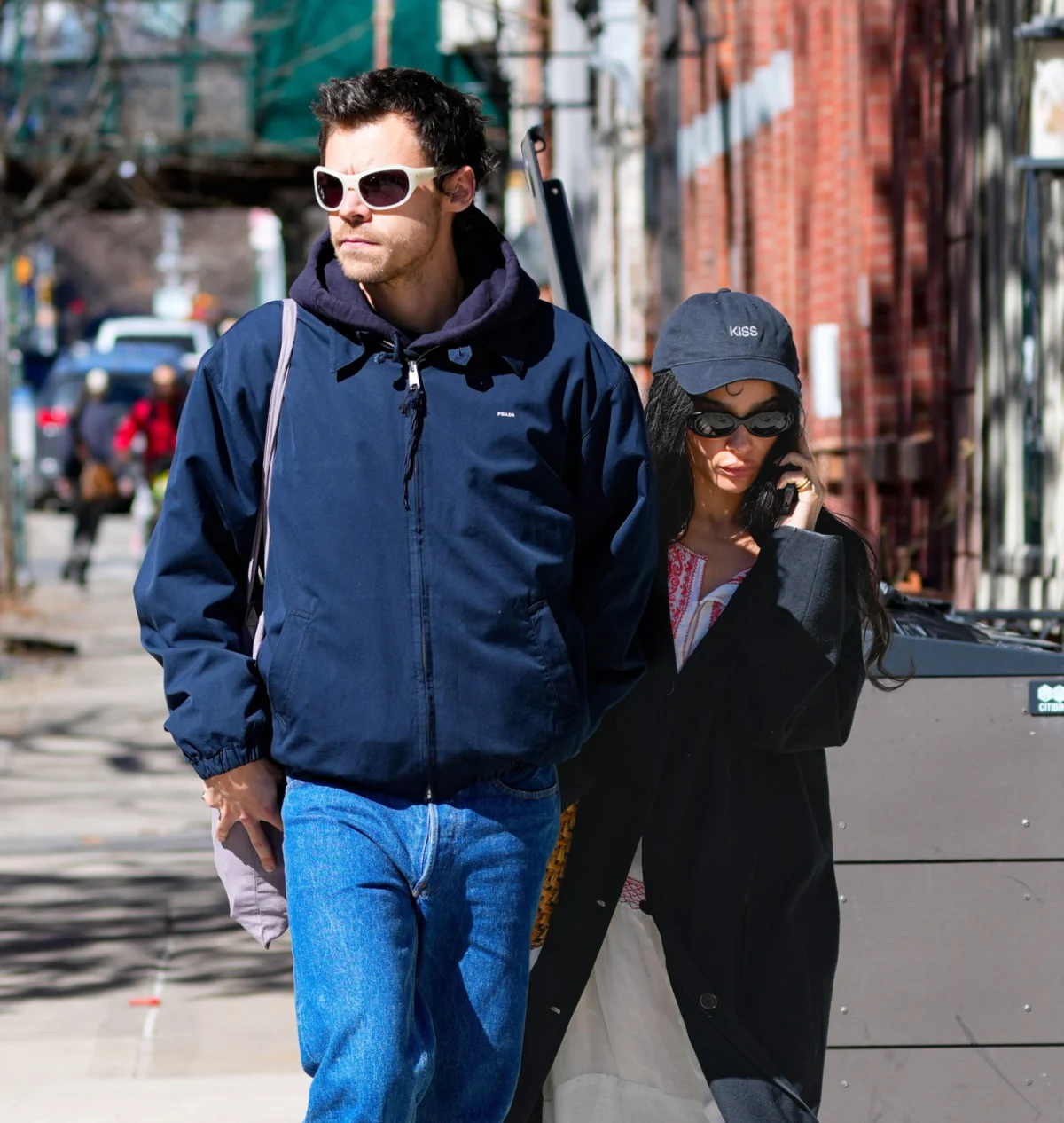
The gravity of the evening was reflected in the caliber of its attendees. Among those spotted in the crowd was the singer’s fiancée, Zoë Kravitz, who leaned into the holiday spirit with a traditional devil-themed ensemble, featuring a red jacket, matching skirt, and classic horns. Her presence at the event was a focal point for attendees, as was the appearance of actress Riley Keough.
The attendance of Keough, the granddaughter of Elvis Presley, added a layer of historical synchronicity to the event. Observers noted that Keough appeared deeply engaged with the performance, captured on social media dancing to the singer’s 2019 hit "Watermelon Sugar." The intersection of the Presley family legacy and Styles’ tribute highlights the cross-generational influence that the singer has cultivated. While no official statement was released by the Presley estate regarding the tribute, the participation of family members in such events typically signals a respectful acknowledgment of the cultural impact of the original artist.
Evolution of the Harryween Tradition
"Harryween" has become a vital component of the Harry Styles touring experience, representing a strategic marriage of holiday festivities and commercial performance. The tradition was formally introduced in 2021 during the Love on Tour run, where Styles established the precedent of wearing elaborate, theme-specific costumes for multiple nights.
In 2021, the inaugural Harryween show featured Styles dressed as Dorothy from The Wizard of Oz, a costume that garnered significant media coverage for its playfulness and commitment to gender-fluid fashion. This was followed by a portrayal of a Pierrot clown on the second night. The following year, in Los Angeles, he channeled the character of Danny Zuko from Grease, further cementing his affinity for mid-century American pop culture references.
The consistency of these events suggests a sophisticated approach to fan engagement. By creating a bespoke, one-off experience, Styles encourages repeat attendance and fosters a sense of exclusivity among his audience. The Madison Square Garden residency itself is a feat of logistical and commercial endurance, with 30 consecutive shows at such a venue representing a pinnacle of modern touring capacity.
Statistical Context and Industry Implications
The commercial impact of a 30-show residency at Madison Square Garden cannot be overstated. Madison Square Garden remains one of the world’s most profitable arenas, and for an artist to command such a length of time in the venue speaks to a level of demand that few modern performers can sustain. Data from trade publications such as Pollstar indicate that residency-style touring models—previously the domain of legacy artists in Las Vegas—have been successfully adapted by contemporary stars like Styles to minimize travel logistics and maximize production value.
Furthermore, the social media amplification of these performances serves as a force multiplier for the artist’s brand. The visual nature of the "Harryween" costumes ensures that the content remains highly shareable on platforms like TikTok and Instagram, providing a steady stream of earned media coverage that sustains interest throughout the duration of the residency.
The Broader Cultural Impact
The act of "dressing up" for performance is a long-standing tradition in rock and pop, from David Bowie’s Ziggy Stardust to Lady Gaga’s avant-garde wardrobe. However, Styles’ approach differs by positioning these costumes as historical or personal artifacts. By honoring Elvis Presley, he aligns himself with the lineage of stadium rock; by referencing his own X Factor roots, he acknowledges the parasocial bond he shares with fans who have followed his trajectory for over a decade.
The implications of this extend into the fashion industry, where Styles has become a dominant force. His collaborations with major luxury houses have blurred the lines between high fashion and stage wear, and his Harryween costumes often serve as unofficial endorsements of the maximalist aesthetic. The fact that fans mirror these costumes in the audience suggests that the concert has become a participatory event, where the divide between the performer and the spectator is intentionally diminished.
Looking Ahead: The Final Act
With the conclusion of the first two Harryween dates, industry analysts and fans alike are looking toward the final scheduled performance at Madison Square Garden this Saturday. Given the history of the event, expectations for the final costume choice are high.
The logistics involved in coordinating these high-production performances during a residency are immense, requiring a dedicated creative team to ensure that each costume is not only thematic but also functional for the physical demands of a two-hour set. As Styles prepares for the final curtain call of this residency, the focus remains on his ability to sustain the momentum of his career. Whether he opts for another historical tribute or a more abstract interpretation of the holiday, the event is guaranteed to remain a subject of discussion within the music industry for the foreseeable future.
Ultimately, the Harryween residency at Madison Square Garden stands as a testament to the current state of live entertainment. It is a calculated, highly professional, and deeply creative endeavor that manages to make a massive arena feel like a personal, intimate space. By successfully balancing the demands of a high-octane pop show with the whimsical spirit of Halloween, Harry Styles continues to define the boundaries of modern musical performance, setting a benchmark for future residencies that seek to blend nostalgia with contemporary artistry. As the final notes play at the Garden this weekend, the legacy of this series will be measured not just in ticket sales, but in the cultural footprint it has left on the pop music landscape of the 2020s.