The North American leg of Ed Sheeran’s Loop Tour has experienced a massive shake-up as multiple supporting acts have voluntarily withdrawn from the concert series in protest. Musical artists Finneas, Aaron Rowe, and Danish pop band Lukas Graham announced their departures following the controversial removal of rapper Macklemore. The fallout highlights a growing intersection of mainstream commercial music, high-profile venue politics, and polarized global discourse surrounding the Israel-Hamas conflict.
The controversy centers on free speech, corporate and promoter influence over artistic expression, and the fierce backlash that public figures face when taking political stances on international humanitarian crises. As the tour continues to navigate logistical and public relations challenges, the decisions made by these artists have transformed a routine concert routing into a flashpoint for broader debates about censorship, activism, and accountability in the entertainment industry.
Background and Chronology of the Controversy
The sequence of events that fractured Ed Sheeran’s touring lineup began in early September during consecutive concert dates at Gillette Stadium in Foxborough, Massachusetts.
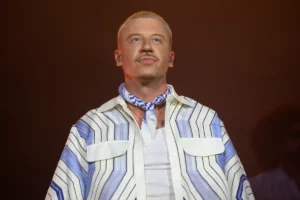
September 4–5: During Ed Sheeran’s New England stadium performances, supporting act Macklemore took the stage and delivered vocal pro-Palestinian remarks, culminating in the performance of a protest song. His commentary explicitly called for a "Free Palestine," sparking immediate public polarization.
Mid-September: The onstage commentary prompted a swift offline and online backlash. A concentrated petition movement emerged, demanding Macklemore’s removal from the remaining dates of the Loop Tour. Critics of the rapper argued that concert stages should remain neutral platforms, while supporters defended his right to political expression.
Shortly following the petition, tour promoters—heavily influenced by external stakeholder discussions—decided to drop Macklemore from the remainder of the North American tour. Reports later confirmed that Gillette Stadium and New England Patriots owner Robert Kraft played a pivotal role in lobbying for the rapper’s removal due to the controversial nature of his remarks.
September: Ed Sheeran released a public statement addressing Macklemore’s dismissal, clarifying that the decision to cut the rapper from the lineup was ultimately made by the tour’s promoters rather than Sheeran himself. Sheeran confirmed his discussions with venue ownership, acknowledging the pressure applied by stakeholders.
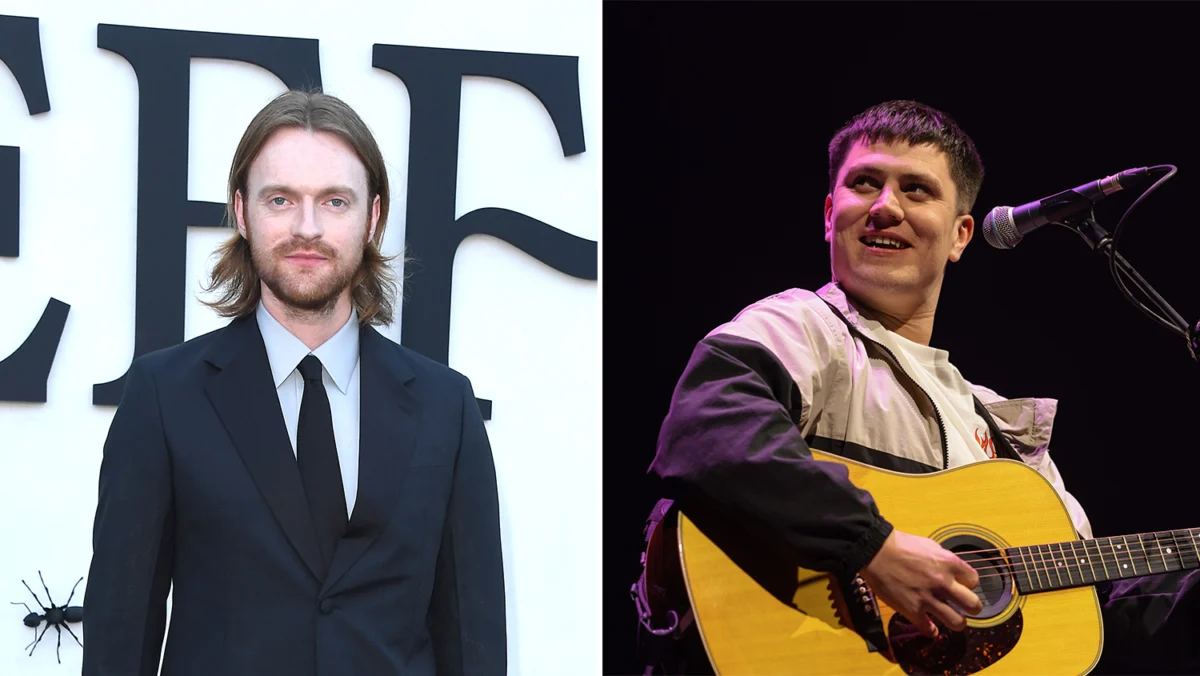
Immediately following the confirmation of Macklemore’s dismissal, supporting acts Finneas, Aaron Rowe, and Lukas Graham independently released statements on social media announcing their resignations from the tour in solidarity with free speech and Palestine.
Artist Statements and Motivations
The withdrawing artists pulled no punches in explaining their decisions to walk away from high-profile, lucrative opening slots on a major international tour.
Finneas, the acclaimed singer-songwriter and brother to pop superstar Billie Eilish, took to Instagram to post a concise yet definitive declaration. "Artists must not be silenced when they speak up for the oppressed," Finneas wrote. "I have decided to withdraw from my upcoming tour dates with Ed Sheeran. I stand with Palestine and its people."
Irish singer-songwriter Aaron Rowe released a more extended statement, contextualizing his decision through his national identity and historical consciousness. Acknowledging his gratitude to Sheeran—whom he credited with changing his life—Rowe explained that he could not look past the moral implications of staying on the tour.
"As Irish people we know all too well about genocide, forced famine and violent occupation," Rowe wrote. "I cannot stand by and allow billionaires to use their position of power to silence the rightful voices of those who speak up against Israeli genocide and who highlight the savage murder of children… I need to be true to myself and my ancestors who resistance-fought for freedom."
Danish pop outfit Lukas Graham echoed similar sentiments regarding the universal right to free expression and the protection of civilians caught in geopolitical conflicts. "We should be able to speak about war, about civilians being killed, about children who deserve to grow up," the band stated. "Wherever they live. Whatever flag flies over them. I grew up in Christiania, a small community in Denmark where speaking your mind was part of everyday life. Having more money didn’t make your opinion worth more than anyone else’s."
Macklemore’s Defense and Reframing of the Debate
Following his dismissal, Macklemore addressed the public directly to clarify the intent behind his statements and to shift the focus away from the career consequences faced by western artists. He emphasized that his advocacy for Palestine was not born out of animosity toward any religious or ethnic group.
In previous statements, the rapper explicitly stated that his "Free Palestine" pleas were "in no way a criticism of Jewish people," underscoring that his core message remained focused on peace, civilian safety, and humanitarian aid.
Reflecting on his brief time on the tour, Macklemore expressed gratitude for the opportunity to reach a massive audience. "I didn’t need 10 shows from Ed. I needed 2. Two chances to stand in front of 90,000 people and say the words that somehow became too dangerous to say. Free Palestine," he wrote. "लेकिन [But] if those words cost me the stage, while turning the conversation back to Palestine, then it was the most successful tour I’ve ever been on."
Furthermore, Macklemore attempted to deflate the narrative of victimhood surrounding the participating celebrities. Amid a flurry of social media discourse that involved other high-profile musicians—including pop singer P!nk—the rapper urged observers to maintain proper perspective.
"I am not a victim. Ed Sheeran is not a victim. Pink is not a victim," Macklemore asserted. "We have careers, money, opportunities, safety and audiences around the world. Whatever consequences any of us face for what we say, we get to go home to our families. The victims are the Palestinian people."
Broader Industry Implications and Precedents
The mass withdrawal from Ed Sheeran’s Loop Tour illuminates several shifting paradigms within the contemporary music and entertainment landscape. Concert tours, once viewed primarily as apolitical spaces for escapism and commercial entertainment, are increasingly becoming battlegrounds for ideological expression.
Promoter and Venue Power Dynamics
The incident underscores the immense leverage held by venue owners, corporate promoters, and stadium stakeholders. In high-stakes routing like modern stadium tours, venue management often commands veto power over artists, particularly when public safety, brand protection, or political controversy is perceived to threaten stadium revenue. Robert Kraft’s reported influence in removing Macklemore demonstrates how corporate entities and billionaire sports franchise owners can directly shape cultural programming.
The Cost of Conscious Capitalism and Selective Activism
For artists like Finneas, Aaron Rowe, and Lukas Graham, walking away from a stadium tour represents a tangible financial sacrifice. However, it also serves as a strategic alignment with modern consumer bases—particularly younger demographics who increasingly demand ideological consistency from their favorite creators. This event follows a pattern of heightened artist-led activism, reminiscent of Macklemore’s previous cancellation of a scheduled concert in Dubai over the United Arab Emirates’ alleged role in the conflict and humanitarian crisis in Sudan.
The Future of Live Music Discourse
As artists continue to test the boundaries of acceptable discourse on stage, promoters and tour organizers face difficult decisions regarding how to draft contracts and manage artist conduct clauses. The refusal of multiple opening acts to step onto a stage where a peer was allegedly silenced suggests that policing political speech on major tours may inadvertently trigger logistical nightmares, lineup fragmentation, and sustained negative publicity for headliners who attempt to remain neutral.
Ultimately, Ed Sheeran’s Loop Tour will proceed, but it will do so under a cloud of political friction. The mass exit of prominent opening acts ensures that the debate over censorship, solidarity, and the ongoing humanitarian crisis in Gaza will remain closely tethered to the tour’s remaining dates across North America.