
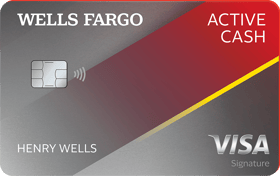
The personal finance landscape has undergone a significant transformation over the past several years, driven by inflationary pressures, shifting interest rate environments, and a growing consumer preference for simplicity in reward structures. As financial institutions compete to capture market share, the Wells Fargo Active Cash Card has been distinguished as the leading credit card for 2026, according to expert analysis. This designation underscores a broader market trend where consumers are moving away from complex, category-specific rewards programs in favor of straightforward, high-yield, flat-rate cash back options that provide consistent value regardless of spending patterns.
The Evolution of Cash Back Rewards
For decades, the credit card industry relied on tiered reward systems. Consumers were encouraged to track spending across various categories—such as grocery, gas, travel, or dining—to maximize their points or cash back. While these programs can offer higher yields for power users, they often require significant administrative effort and, in many cases, involve annual fees or spending caps that erode the net benefit for the average cardholder.
The rise of the "flat-rate" rewards model, exemplified by the Wells Fargo Active Cash Card, represents a pivot in industry strategy. By offering a baseline of 2% cash rewards on all purchases, the card addresses a key pain point: the fatigue associated with managing multiple cards to optimize spending. This shift is particularly relevant in 2026, as household budgets remain under scrutiny and consumers prioritize liquidity and ease of use.
Key Features and Financial Structure
The recognition of the Wells Fargo Active Cash Card as the premier offering for 2026 is built upon a foundation of specific financial features that cater to both cautious spenders and those looking to optimize their daily transactions. The card’s primary value proposition is its unlimited 2% cash rewards on all purchases. Unlike legacy cards that may cap rewards at a certain spending threshold, this card allows users to accumulate rewards without an upper limit.

Beyond the baseline rewards, the card includes a structured incentive program for new account holders. Currently, the card offers a $100 cash rewards bonus for those who spend $500 within the first three months of account opening. While some competitors may offer higher absolute dollar amounts for sign-up bonuses, the lower spending requirement of $500 makes this offer exceptionally accessible for a broad demographic of users.
Perhaps the most critical feature in the current economic climate is the introductory Annual Percentage Rate (APR) offer. New cardholders are granted a 0% introductory APR on both purchases and qualifying balance transfers for a period of 12 months from the date of account opening. This serves as a vital tool for consumers looking to manage existing debt or finance large, necessary purchases without the immediate burden of compounding interest. Following the introductory period, the card reverts to a variable APR, which currently ranges from 18.74% to 28.74%, depending on creditworthiness.
Market Context and Consumer Implications
The decision to honor this card as the top choice for 2026 was made against the backdrop of a volatile lending environment. As the Federal Reserve’s interest rate policies have fluctuated, credit card issuers have had to adjust their risk models and, consequently, their APR offerings. The ability of a no-annual-fee card to maintain a competitive 2% reward rate while simultaneously offering a 0% APR window is a notable feat in current market conditions.
From an industry perspective, the success of the Active Cash card signals that issuers are prioritizing long-term customer retention over short-term acquisition through complex, high-fee premium cards. This trend toward "utility-first" banking suggests that issuers are betting on the stability of the consumer base rather than the high-volatility, high-spend segment.
Furthermore, the inclusion of value-added benefits, such as cell phone protection up to $600 with a $25 deductible, reflects a change in how card issuers view the "utility" of a credit card. These secondary benefits, often overlooked in favor of reward percentages, are increasingly becoming the deciding factor for consumers who view their credit card as an essential piece of their personal financial infrastructure rather than just a payment method.
Competitive Landscape
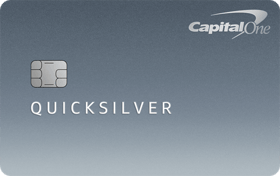
While the Wells Fargo Active Cash Card holds the top spot, the 2026 market remains highly competitive. Other prominent offerings, such as the Capital One Quicksilver Cash Rewards Credit Card and the Citi Double Cash Card, continue to be major players.
The Capital One Quicksilver card, for instance, has carved out a niche by offering 1.5% cash back on all purchases but pairing it with higher potential earnings—up to 5%—on travel booked through the Capital One Travel portal. This makes it a compelling alternative for consumers whose spending is heavily weighted toward travel. Similarly, the Citi Double Cash card employs a unique "double" structure: 1% back when you make a purchase and another 1% back when you pay for that purchase. This model incentivizes responsible debt management, as the full reward is contingent upon paying at least the minimum balance on time.
When comparing these, the Wells Fargo Active Cash Card’s strength lies in its consistency and the lack of "hoops" to jump through. It eliminates the distinction between the purchase date and the payment date, and it does not require the user to engage with a travel portal to receive a competitive return on their spending.
Expert Analysis on Credit Requirements
The accessibility of these products is tied directly to the applicant’s credit profile. For the Wells Fargo Active Cash Card, the recommended credit score for a high probability of approval is in the "Good" to "Excellent" range, typically defined as 670 to 850.
Financial analysts note that while these score ranges are indicative, they are not guarantees. Creditors use a multifaceted approach to risk, considering factors beyond the FICO score, such as debt-to-income ratio, length of credit history, and recent inquiries. For consumers whose credit scores fall below this range, the path to approval may require steps such as clearing outstanding high-interest debt or maintaining consistent on-time payments on existing credit lines for several months prior to application.
The Role of Financial Discipline
While the features of the Wells Fargo Active Cash Card provide a clear advantage to the consumer, the utility of the card is fundamentally dependent on the cardholder’s financial habits. The "Motley Fool Money" philosophy, which emphasizes the use of financial tools as a means to build wealth rather than a method of over-leveraging, remains the industry standard for guidance.
The 0% introductory APR, while a powerful tool for debt consolidation, carries the inherent risk of creating a false sense of security. If a cardholder fails to pay down their balance before the 12-month window expires, the transition to the standard variable APR can be abrupt. As the regular APR for this card can reach as high as 28.74%, the cost of carrying a balance becomes significant. Consequently, financial experts advocate for using such cards with a strict repayment strategy.
Future Outlook
As we move deeper into 2026, the credit card market is expected to remain focused on consolidation and value. The "Best Credit Card" title is a reflection of current market dynamics, but the industry is rarely static. Potential shifts in regulatory oversight regarding late fees and credit reporting practices could force issuers to re-evaluate their reward structures in the coming years.
For now, the Wells Fargo Active Cash Card stands as a representative of a consumer-centric approach. By minimizing the complexity of rewards and maximizing the immediate return on every dollar spent, it offers a pragmatic solution to the challenges of modern personal finance. It serves as a reminder that in an era of digital banking and complex financial products, there remains significant market demand for transparency, simplicity, and reliable performance.
For consumers currently evaluating their financial toolkit, the choice of a credit card should be based on their specific spending volume and ability to pay in full each month. While the rewards offered by the Active Cash card are enticing, the true value of the card lies in its ability to facilitate seamless, secure transactions while providing a buffer against interest costs through its introductory offer. In 2026, that balance of utility and reward appears to be exactly what the market demands.