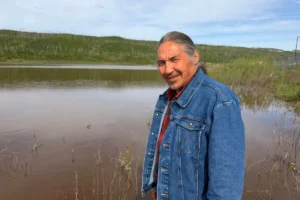
In a significant development for the protection of the Amazon rainforest and the rights of its traditional inhabitants, the Brazilian government has taken a decisive step toward the formal legal recognition of the Kapot Nhinore Indigenous Territory. On November 19, President Luiz Inácio Lula da Silva signed a government ordinance declaring the 362,000-hectare (895,000-acre) area as the permanent ancestral land of the Mebêngôkre (Kayapó) and Yudjá (Juruna) peoples. This territory, situated on the border between the states of Pará and Mato Grosso, holds profound historical and cultural significance, as it is the birthplace of the globally renowned Indigenous leader and environmental activist, Chief Raoni Metuktire.
The signing ceremony, held amid a period of personal transition for the 94-year-old leader—who is currently receiving palliative care following a cancer diagnosis—marks the culmination of two decades of intense legal and territorial struggle. While this administrative decree represents a substantial victory for Indigenous rights advocates, it is only one phase in a complex, multi-stage bureaucratic process required for full demarcation and the eventual removal of non-Indigenous occupants from the land.
A Two-Decade Struggle for Recognition
The push for the legal recognition of Kapot Nhinore has been a protracted campaign. Indigenous groups have been actively seeking formal title to the land since 2004, citing centuries of ancestral occupation. The area is not only vital for the physical survival of the Mebêngôkre and Yudjá, but it also serves as a spiritual anchor for the Kayapó people; the land is home to the grave of Umoro, the father of Chief Raoni.
The chronology of this struggle is marked by persistent legal challenges and shifting political climates in Brasília. During the administration of Jair Bolsonaro, efforts to demarcate Indigenous lands were largely stalled or reversed, leading to a surge in illegal land claims and incursions by agricultural interests. Under the current Lula administration, the government has moved to prioritize the recognition of Indigenous territories as a core component of its environmental policy. However, the path from an administrative ordinance to full, protected legal status involves several remaining steps: the physical marking of boundaries on the ground, a final presidential decree, and official registration in the national property registry. Only upon the completion of this final registration can the Brazilian state legally mandate the eviction of illegal squatters and commercial operators.
Environmental Degradation and Agricultural Encroachment
The urgency behind the recognition of Kapot Nhinore is rooted in the accelerating degradation of its ecosystems. Despite the fact that approximately 83% of the territory remains covered by primary Amazonian forest, the region has been subjected to systemic encroachment by cattle ranchers and soy farmers.
Historical data provided by the National Indigenous People Foundation (Funai) highlights a staggering rise in deforestation. At the turn of the millennium, in 2000, deforestation within the territory was estimated at 4,178 hectares. By 2026, that figure had ballooned to 58,000 hectares. This environmental loss is closely linked to the expansion of commercial agriculture, with investigative reports from organizations like Sumaúma revealing that the territory is riddled with cattle ranches that maintain supply chains with major international meat-processing entities, including JBS. Furthermore, at least 14 properties have been identified as being actively used for soy cultivation.
The environmental impact extends beyond mere land clearing; it threatens the biodiversity of a crucial corridor in the southern Amazon. The presence of these commercial interests creates a fragmented landscape, disrupting the ecological connectivity necessary for local fauna and the traditional hunting and gathering practices of the Indigenous populations.
The Role of the Rural Land Registry (CAR)
A critical point of tension in the demarcation process is the misuse of the Rural Environmental Registry (CAR). The CAR is a self-declaratory electronic system intended to monitor environmental compliance on private properties. However, as documented by recent reports from Greenpeace Brasil, this system has been manipulated by land grabbers who register farms within Indigenous territories to create a veneer of legal legitimacy.

According to Greenpeace data, as of February 2026, approximately 259 registered farms and ranches overlapped with 95.6% of the Kapot Nhinore territory. While a CAR registration does not constitute a legal land title or grant ownership rights, it has been exploited to secure bank loans and government credits. This financial pipeline has effectively incentivized the illegal occupation of public and Indigenous lands, allowing developers to treat protected territories as viable agricultural assets.
Official Responses and Advocacy
The announcement by President Lula was accompanied by a public show of support for Chief Raoni, whom the president described as a historic leader deserving of profound respect. In a social media post, Lula stated, "I also signed the ordinance that recognizes the permanent possession of the Mebêngôkre and Yudjá peoples over the Kapot Nhinore Indigenous Territory… an important step in guaranteeing the rights of the original peoples."
Advocacy groups, while celebrating the ordinance, are continuing to pressure the government to address the underlying economic incentives that fuel land grabbing. Cristiane Mazzetti, coordinator of the Zero Deforestation campaign at Greenpeace Brasil, has called for a fundamental reform of the rural credit system. "Any overlap of farms with Indigenous lands delimited, declared or placed under restriction by Funai must be grounds for denying rural credit," Mazzetti stated. By severing the link between state-subsidized loans and illegally occupied Indigenous territories, activists believe the government could effectively disincentivize future incursions.
Broader Implications for the Amazon
The recognition of Kapot Nhinore is more than a local land issue; it is a bellwether for the future of the Amazon rainforest. The Brazilian government’s ability to successfully navigate the legal and political obstacles to secure this land will set a precedent for other territories currently awaiting similar protections.
For the international community, the protection of Kapot Nhinore represents a critical effort in the global battle against climate change. The Amazon serves as a massive carbon sink, and the preservation of its forest cover is essential to meeting global environmental targets. When Indigenous lands are legally recognized and actively managed by their traditional owners, they consistently show lower rates of deforestation compared to unprotected or state-managed areas.
However, the path forward remains precarious. The current administrative ordinance is susceptible to future legal challenges from powerful agricultural lobbies that hold significant influence in the Brazilian Congress. The effectiveness of this recognition will depend heavily on the government’s resolve to enforce the law on the ground. This includes the logistical challenge of removing well-entrenched commercial operations and the political will to withstand pressure from regional economic actors who benefit from the status quo.
Conclusion: A Legacy at Stake
The fight for Kapot Nhinore is inextricably linked to the legacy of Chief Raoni Metuktire. As one of the most recognized faces of the struggle for Indigenous rights in the Amazon, his connection to this land symbolizes the broader fight for Indigenous sovereignty across the continent.
As the government moves toward the final steps of demarcation, the eyes of the international environmental community will remain fixed on the region. The success of this process will not only secure a homeland for the Mebêngôkre and Yudjá peoples but will also serve as a vital test for Brazil’s commitment to its climate promises and its duty to protect its most vulnerable citizens. Whether this ordinance marks the beginning of a true restoration of Indigenous territory or simply another hurdle in a long, ongoing struggle remains to be seen. For now, the signing of the ordinance represents a rare and hard-won victory for conservation and human rights in the southern Amazon.