A Strategic Shift in Design Philosophy
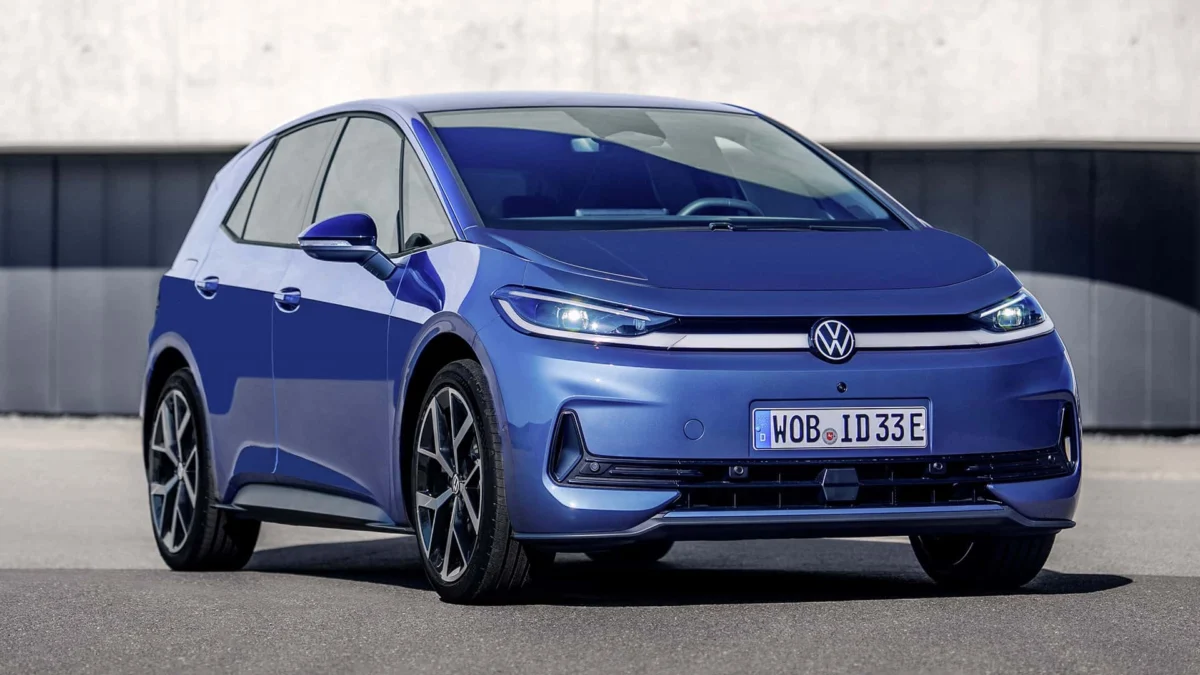
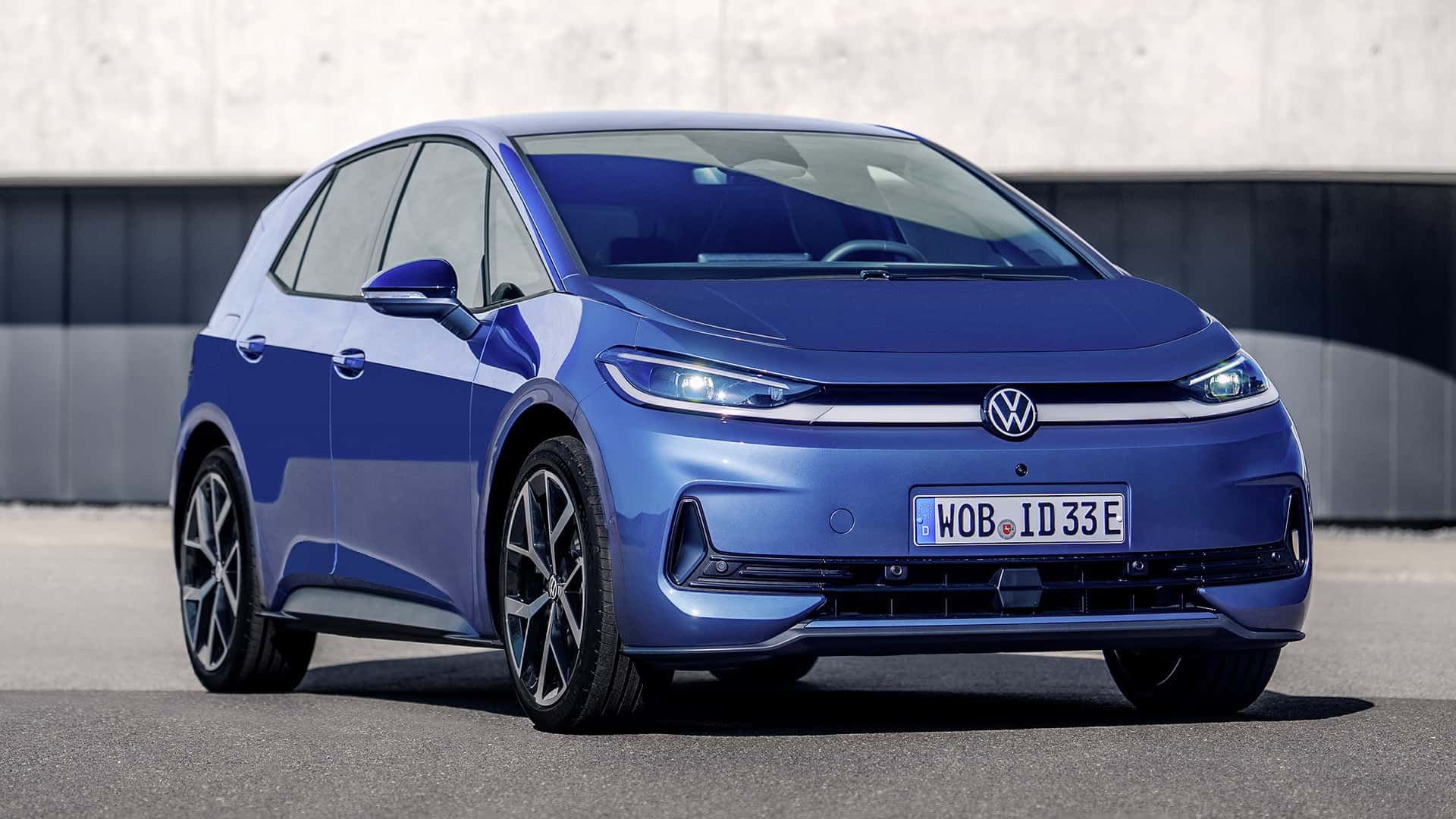
The most immediate change to the ID.3 Neo is its exterior styling, which marks a departure from the "stubby-nosed" aesthetic that defined the first generation of the ID. series. Volkswagen designers have opted for a more mature, sophisticated front-end treatment that aligns the vehicle more closely with the iconic Golf. The redesign features a completely overhauled front fascia characterized by a full-width light bar that connects the advanced LED matrix headlights. This design element not only provides a more premium, contemporary presence on the road but also establishes a clear family resemblance with the upcoming ID. Polo prototype.
The Neo appears to have a slightly extended front overhang, which contributes to a marginally longer overall vehicle length. This subtle adjustment in proportions eliminates the "monovolume" look of the previous iteration, giving the ID.3 Neo a more planted and athletic stance. While the side profile and rear of the vehicle remain largely familiar, the introduction of new aerodynamic wheel designs and a refreshed palette of exterior colors ensures that the Neo is distinguishable from its predecessors. These changes are not merely cosmetic; they reflect a broader strategic shift within Volkswagen to move away from "experimental" EV designs and toward a unified look that appeals to the brand’s traditional customer base.
The Return of Tactile Ergonomics
Perhaps the most celebrated aspect of the ID.3 Neo is the fundamental redesign of the interior. For several years, Volkswagen faced significant pushback from automotive journalists and owners regarding the "all-touch" philosophy that removed physical buttons in favor of haptic sliders and touchscreen menus. In a move that signals a victory for traditional ergonomics, Volkswagen has officially brought back physical controls.
The cabin now features 19 physical buttons, a significant portion of which are located on the redesigned steering wheel. The much-maligned haptic touchpads on the wheel have been replaced with high-quality tactile switches, allowing drivers to operate cruise control and media functions without looking down. Below the central infotainment screen, a dedicated row of physical buttons now manages climate settings. This allows for immediate adjustment of dual-zone temperatures, fan speeds, and defrost functions, solving one of the most persistent complaints regarding the previous model’s user interface.
Furthermore, the ID.3 Neo addresses a specific ergonomic quirk that had become a point of contention: the window switches. In the original ID.3, the driver was provided with only two switches and a "Rear" toggle to operate all four windows—a system that was frequently described as counter-intuitive. The Neo restores a traditional four-switch layout, granting the driver direct control over all windows simultaneously. Additionally, the volume control, previously a non-backlit touch slider, has been replaced by a physical rotating knob positioned conveniently between the wireless charging pad and the configurable cupholders.
Digital Integration and Retro Aesthetics
While the return to physical buttons is a focal point, the ID.3 Neo does not shy away from digital innovation. The dashboard has been entirely redesigned, utilizing higher-quality materials and soft-touch plastics to address concerns about the "budget" feel of earlier models. The central infotainment hub is a 12.9-inch touchscreen, running the latest version of Volkswagen’s software, which promises faster response times and a more intuitive menu structure.
In a nod to Volkswagen’s storied history, the 10.25-inch driver’s display features a selectable "Classic" mode. This digital gauge cluster is inspired by the aesthetics of the 1980s, evoking the simplicity and charm of the Mk2 Golf and early Scirocco models. This blend of retro-inspired graphics with high-resolution digital technology serves to humanize the electric driving experience, bridging the gap between the internal combustion past and the electric future.
Powertrain Evolution and Enhanced Efficiency
The technical specifications of the ID.3 Neo reveal a significant leap in performance and utility. Volkswagen has optimized the battery chemistry and thermal management systems to squeeze more range and faster charging speeds out of the MEB architecture. The lineup is tiered to meet a variety of consumer needs:
- The Long-Range Flagship: Equipped with a 79-kilowatt-hour (kWh) battery pack, this variant is the range leader of the ID.3 family. It offers a WLTP-certified range of 391 miles (630 km) on a single charge. This battery is paired with a 223-horsepower rear-wheel-drive motor, providing a balance of efficiency and brisk acceleration.
- The Mid-Range Performer: A 58-kWh variant serves as the mid-tier option, offering 188 horsepower. This model is expected to be the volume seller in European markets, providing sufficient range for inter-city travel while remaining at a more accessible price point.
- The Entry-Level Model: For urban commuters, a 50-kWh base model provides 168 horsepower. While it has the smallest range of the trio, it benefits from the same interior and exterior refinements as the higher-trim models.
Charging capabilities have also seen a notable upgrade. The 79-kWh battery can now accept DC fast charging at rates up to 183 kW, allowing for a 10% to 80% charge in under 30 minutes under optimal conditions. The 58-kWh and 50-kWh packs peak at 105 kW. Furthermore, all ID.3 Neo models now include vehicle-to-load (V2L) bidirectional charging capabilities, allowing the car to power external devices, such as camping equipment or power tools, directly from the main traction battery.
The Potential for a GTI Future
Although not officially confirmed at launch, industry analysts and internal sources suggest that the ID.3 Neo will serve as the foundation for a high-performance variant bearing the iconic GTI badge. This would mark a significant shift in nomenclature, as Volkswagen’s performance EVs have previously used the "GTX" designation.
A potential ID.3 GTI would likely leverage the powertrain components found in the Cupra Born VZ. This would mean a single rear motor producing 321 horsepower and 402 lb-ft of torque. Such a configuration would enable a 0-62 mph (100 km/h) sprint in less than six seconds, positioning the ID.3 Neo as a legitimate electric hot hatch. By adopting the GTI nameplate, Volkswagen aims to transfer the emotional equity of its most famous performance sub-brand into the electric era.
Chronology and Market Context
The journey to the ID.3 Neo has been one of rapid iteration. Following the 2019 launch, Volkswagen released a minor "facelift" in 2023 that improved some interior materials but left the controversial touch interfaces intact. The Neo represents the "2.0" version of the car that many felt should have been released from the beginning.
The timeline for the ID.3 Neo is set as follows:
- April 16, 2025: Order books officially open across European markets.
- July 2025: Initial deliveries to customers begin.
- Late 2025: Expected announcement regarding the GTI performance variant.
- 2028-2029: The arrival of the "true" electric Golf on the new SSP platform, which will eventually sit alongside or replace the ID.3.
Broader Implications for the Volkswagen Group
The release of the ID.3 Neo is more than just a product update; it is a signal of Volkswagen’s adaptability. The automotive industry is currently facing a cooling of EV demand in certain sectors, alongside increased competition from Chinese manufacturers who offer high-tech interiors at aggressive prices. By fixing the ergonomic flaws of the ID.3 and emphasizing "German engineering" through the return of physical buttons and better materials, Volkswagen is attempting to fortify its position in the C-segment.
Furthermore, the ID.3 Neo serves as a bridge to the future SSP (Scalable Systems Platform). While the Neo remains on the MEB platform, it incorporates software and UI lessons that will be foundational for the next generation of Volkswagen EVs. The inclusion of V2L and improved charging curves indicates that VW is narrowing the gap between its current offerings and the premium PPE architecture used by brands like Porsche and Audi.
Official Responses and Expert Analysis
While official pricing remains under wraps, Volkswagen executives have hinted that the Neo will remain competitive within its segment. Thomas Schäfer, CEO of Volkswagen Passenger Cars, has previously stated that the company is committed to making electric mobility accessible and user-friendly, noting that "customer feedback is the compass for our future designs."
Industry analysts suggest that the ID.3 Neo is a "corrective masterpiece." By addressing the specific pain points—software, touch controls, and styling—Volkswagen has effectively removed the barriers that prevented many traditional buyers from making the switch to electric. The ID.3 Neo is no longer an experimental outlier in the VW catalog; it is a refined, functional, and quintessentially Volkswagen product that is ready for the mainstream market. As the order books open this April, the automotive world will be watching closely to see if these changes are enough to propel the ID.3 to the top of the sales charts.