The Scottish Retail Consortium (SRC) has vehemently rejected the Scottish National Party’s (SNP) latest proposal for price caps on essential food items, branding it a "1970s-style gimmick" and "potty." This sharp criticism emerged following First Minister John Swinney’s announcement, which outlined the SNP’s intention to leverage public health powers to impose maximum prices on staples like bread, milk, cheese, eggs, rice, and chicken, aiming to alleviate cost-of-living pressures and address nutrition concerns across Scotland. The contentious plan has immediately ignited a fierce debate over government intervention in the free market, economic policy, and the practicalities of implementation, setting a stark backdrop against a day of significant political developments across the UK, including discussions on online child safety, asylum claims, defence spending, and economic resilience.
The Scottish Food Price Debate: A Deep Dive into Market Intervention
John Swinney, speaking at the SNP’s manifesto launch in Glasgow, articulated the rationale behind the proposed price caps, asserting that "people are struggling to afford food. That is an outrage." He framed the initiative as a necessary measure, citing the impact on the nation’s nutrition as a public health issue falling within the Scottish government’s remit. Swinney clarified that the policy would primarily target larger supermarkets, which he believes are better equipped to "take the financial strain" compared to smaller, independent retailers. This focus on major chains suggests an attempt to balance consumer protection with the viability of local businesses, a distinction that will undoubtedly be scrutinised as details emerge.
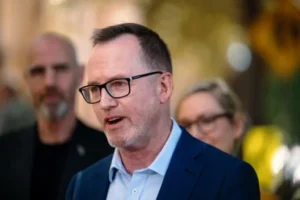
However, the Scottish Retail Consortium, representing a significant portion of the retail sector in Scotland, wasted no time in dismissing the proposal. Ewan MacDonald-Russell, deputy head of the SRC, issued a scathing rebuttal, stating that "elevated food prices are a direct result of soaring supply chain and commodity costs and frankly relentless rises in statutory costs imposed by governments." He argued that Scotland’s grocery market remains "fiercely competitive," contributing to food prices that are "among the most affordable of all the large European economies." MacDonald-Russell further contended that supermarkets operate on "very slim margins," which have "fallen significantly in recent times," despite ongoing heavy investment to keep prices down, expand affordable ranges, lock in essential item prices, and increase staff wages.
The SRC’s core argument rests on the premise that current high shop prices stem from a "muddle of new regulations and taxes coming from government policies." Instead of what it termed "1970s-style price controls and potty gimmicks," the Consortium advocated for public policy that prioritises "cutting retailers’ costs so that resources can be directed to keeping prices as low as possible for customers." This perspective highlights a fundamental ideological divide: whether government intervention or market mechanisms are the most effective means of addressing food affordability.
Background and Economic Context:
The debate over food prices unfolds against a backdrop of persistent inflationary pressures and a broader cost-of-living crisis impacting households across the UK. While overall inflation has shown signs of easing, food prices have remained stubbornly high, disproportionately affecting lower-income families. Historically, price controls have been implemented in various economies during times of crisis, often with mixed results, frequently leading to unintended consequences such as shortages, black markets, and disincentives for production and investment. The SRC’s reference to "1970s-style" policies evokes a period in British history characterised by economic stagnation and failed attempts at government-led price and wage controls. The feasibility and economic impact of such a policy in a modern, complex supply chain will be a central point of contention.
Broader UK Political Landscape: Key Developments and Policy Debates
Beyond Scotland’s borders, the day saw a flurry of political activity and significant announcements from the UK government and opposition, touching upon critical national issues ranging from social welfare to national security.
Child Online Safety: Starmer’s Stance on Tech Giants
In Downing Street, Prime Minister Keir Starmer convened a high-level meeting with executives from major technology companies, including TikTok, X, and Meta, to address pressing concerns over children’s online safety. The Prime Minister’s spokesperson conveyed a clear message: the government expects "real world changes" from these platforms and stressed there would be "no free pass, no delay in putting children’s safety first." This meeting follows a backdrop where Members of Parliament recently rejected proposals for a social media ban for under-16s for the second time.
The government is currently undertaking a consultation on a possible social media ban for minors, which is expected to conclude in early summer. The spokesperson confirmed that this consultation would "definitely result in action," emphasizing, "It’s not a question of if we will act, but how." The Children’s Wellbeing and Schools Bill already contains provisions allowing for swift restrictions on social media companies through secondary legislation. However, it remains unclear whether the government will pursue an Australia-style blanket ban for under-16s or opt for more targeted measures, such as prohibiting features that promote addictive scrolling, a preference seemingly favoured by Starmer. The spokesperson warned of "stark" consequences for non-compliant tech companies but refrained from detailing what these might entail. This initiative underscores growing national and international concern over the mental health and developmental impacts of social media on young people, reflecting a broader societal push for greater accountability from tech platforms.
Immigration: Government Investigates Bogus Asylum Claims
The integrity of the UK’s asylum system came under renewed scrutiny as Downing Street announced a government investigation into claims made by the BBC. The reports alleged that some migrants are being advised to fabricate domestic abuse claims to bolster their chances of remaining in the UK. Both the Home Office and the Immigration Advice Authority are probing these serious accusations.
The Prime Minister’s spokesperson condemned any "shameful and completely unacceptable" attempts to misuse protections designed for genuine victims of domestic abuse. The Home Secretary, Shabana Mahmood, has previously stated that those attempting to "defraud the British people to enter or remain in the UK" would have their applications refused, their support cut off, and face "a one-way flight out of Britain." Legal practitioners found to be involved in unethical or illegal practices would be referred to the police via relevant regulatory bodies. The government maintains that the asylum system is "built on robust safeguards," ensuring claims are "rigorously and fairly assessed," with procedures "continually reviewed to shut down misuse."

Reform UK, a party advocating for stricter immigration controls, seized on the BBC’s findings. Zia Yusuf, the party’s home affairs spokesperson, proposed a "strict liability" criminal offence for lawyers facilitating false asylum claims, carrying a potential sentence of up to two years in jail. This measure, Reform UK argued, would eliminate the need to prove intent in prosecutions, similar to duties already applied to law firms regarding bribery and tax evasion. The party also pledged to end legal aid for "illegal arrivals and visa overstayers," asserting that taxpayers should not fund challenges to their removal. This development highlights the highly charged political environment surrounding immigration and the government’s ongoing efforts to demonstrate control over its borders and legal processes.
Fiscal Policy: The Welfare-Defence Spending Conundrum
A significant debate emerged over the allocation of national resources, particularly between welfare and defence spending. Health Secretary Wes Streeting suggested on LBC that cuts to the welfare budget could potentially fund increased defence spending, aligning with calls from figures like George Robertson, former defence secretary and Nato secretary general. Robertson had previously argued that the government "cannot defend Britain with an ever-expanding welfare budget."
Streeting affirmed the need for greater investment in defence, stating, "Yes, we do need to put more money into defence… but we will need more." When pressed on welfare cuts, he responded, "We definitely want to reduce the welfare budget." While he deferred to Chancellor Rachel Reeves on specific funding allocations, he indicated that defence would be a "much higher" priority for her than many of her predecessors.
The government is particularly concerned about the substantial rise in young people claiming health and disability benefits and aims to reverse this trend by facilitating more people into work. Measures introduced this month are projected to save £2 billion by the end of the decade. However, ministers have been cautious about committing to overall cuts in the total welfare budget, which currently exceeds £300 billion, given previous "painful U-turns" on proposed disability benefit reforms. The Prime Minister’s spokesperson, while acknowledging the need for welfare reform to get more people into work, avoided directly endorsing Streeting’s suggestion of cutting benefits to fund defence. He stressed that defence investment plans would be "fit for the threats we face" but characterised the choice between defence and welfare as "not a zero-sum choice," indicating a nuanced government position that seeks efficiencies rather than direct trade-offs.
NHS Performance: Progress Amidst Challenges
New figures released by NHS England painted a mixed picture of the health service’s performance. While A&E waiting times in England narrowly missed an interim target for March 2026, they reached a five-year low. Data showed that 77.1% of patients were seen within four hours in A&E departments last month, an improvement from 74.1% in February, but just shy of the 78% target.
Health Secretary Wes Streeting expressed frustration at missing the target by "a cat’s whisker" but maintained that the NHS is "finally moving in the right direction." He highlighted positive trends, including the best ambulance response times in half a decade, waiting lists at their lowest levels in three years, and the best A&E performance in four years. Separately, the waiting list for routine hospital treatment in England fell for the fourth consecutive month, reaching 7.22 million treatments by the end of February, down from 7.25 million in January and its lowest level since February 2023. This indicates a gradual recovery from the record high of 7.77 million treatments recorded in September 2023. NHS England’s news release confirmed the five-year low in A&E waiting times despite the missed March target, attributing progress to the dedication of staff amidst "record pressures and strikes."
Economic Measures: Support for Energy-Intensive Industries
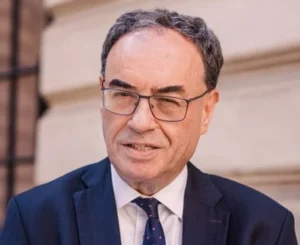
In a move to bolster industrial competitiveness and mitigate the impact of high energy costs, Business Secretary Peter Kyle announced an expansion of the British Industrial Competitiveness Scheme (BICS). The scheme, designed to assist companies in energy-intensive industries with their fuel bills, will see its eligibility expanded by 40%, benefiting over 10,000 businesses, up from the previous 7,000.
Sectors poised to benefit include automotive, aerospace, steel producers, metal fabricators, pharmaceutical and medical supplies companies, recycling businesses, plastic producers, nuclear fuel processors, and cooling and ventilation equipment manufacturers. Eligible firms will receive a one-off additional payment in 2027 to cover support they would have received had BICS been in place from April 2026. From April 2027, these businesses are expected to see their electricity bills cut by up to 25%, translating to savings of approximately £35-£40 per MWh, or up to £600 million per year. Crucially, the government affirmed that households and other businesses not benefiting from the scheme would experience no increase in their energy bills as a result of this expansion. This targeted support aims to enhance the competitiveness of key UK industries in a challenging global economic environment.
Food Security: Contingency Planning Amidst Geopolitical Tensions
A leaked report published in The Times revealed that the government is actively developing contingency plans for potential food shortages in the summer, should the conflict in Iran continue. Business Secretary Peter Kyle confirmed these preparations, framing them as responsible scenario planning. The "reasonable worst-case scenario" outlined in the leaked analysis posits that a prolonged closure of the Strait of Hormuz could lead to severe shortages of carbon dioxide (CO2), a critical component in the food industry.
CO2 is essential for extending the shelf life of various foods, including salads, packaged meats, and baked goods. It is also used in the slaughtering process for nearly all pigs and over two-thirds of chickens. The farming and hospitality sectors are identified as those most likely to be affected earliest and hardest, given their limited surplus CO2 supplies. While government stockpiles exist, they are not considered a long-term solution. The analysis does not predict critical food supply shortages but warns of a potential "lack of product variety" in shops. In this worst-case scenario, CO2 supplies could plummet to just 18% of current levels by June, impacting not only food but also healthcare and the energy sector. Contingency measures could include emergency legislation to mandate factories to maximise CO2 production.
Peter Kyle, contrasting the government’s proactive approach with past crises, highlighted that the Prime Minister has been personally driving "deep dives into lots of areas of resilience." He mentioned his earlier action to reverse the mothballing of the Ensus bio-ethanol plant in Teesside to secure CO2 supplies. While stating that CO2 supplies are "not a concern" currently, Kyle emphasised the broader critical uses of CO2, including MRI scanning, water purification, and the nuclear industry. He reassured the public that they "should go on as they are, enjoying beer, enjoying their meats, enjoying all the salads," but stressed the government’s commitment to "acting with creativity and boldness" should the situation in the Middle East escalate further.

SNP’s Election Manifesto: Key Pledges and Independence Ambitions
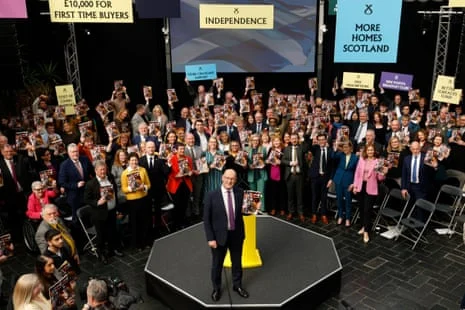
At the heart of the day’s Scottish political narrative was John Swinney’s launch of the SNP’s manifesto for the upcoming Holyrood election. Education Secretary Jenny Gilruth delivered a warm-up speech, hailing Swinney as standing "head and shoulders" above other candidates and underscoring the party’s ambition for a fifth consecutive election victory.
Swinney used his platform to highlight his track record since becoming First Minister two years prior, citing achievements such as falling waiting times, increased operations, GP walk-in clinics, frozen and abolished peak rail fares, a reduction in child poverty, and restored winter fuel payments. He declared, "Friends, I keep my promises. That is my record. It’s a record I’m proud to take to the people of Scotland." Addressing perceptions of him as a "stopgap FM" after Humza Yousaf’s unexpected resignation, Swinney asserted, "But make no mistake about it, I am only just getting started."
The manifesto outlined several key pledges designed to directly impact Scottish households:
- Housing: A re-elected SNP government would offer £10,000 towards deposits for first-time homebuyers and grant private renters the right of first refusal to purchase their homes if they go on sale.
- Childcare and Education: The party committed to extending childcare support to every child from nine months old to the end of primary school, all year round, building on the success of the "baby box" initiative with a new "welcome to school bag."
- Transport: Recognizing the high cost of public transport, Swinney announced a plan to cap bus fares at £2 across all of Scotland. He illustrated this by noting that a bus journey from Hamilton to Glasgow currently costs over £7, from Paisley £6, and from Dumbarton £9.30, deeming these costs "too high."
Crucially, Swinney also reiterated the SNP’s core constitutional ambition, stating that an independence referendum in 2028 would be "very realistic" if the SNP secures a majority in the election. He argued that the necessary legislation is familiar and could be passed by the Scottish Parliament "in proper order to enable that decision to be taken at that time." This assertion signals the party’s continued focus on its primary goal, despite ongoing political and economic uncertainties.
Another significant pledge from the SNP manifesto is a national ban on smartphones in Scottish classrooms. Swinney declared that devices are a "distraction from learning" and promised legislation after the election to implement a full ban across Scotland. While headteachers currently have the authority to ban smartphones and some councils have already done so, this would establish a uniform national policy, aimed at supporting literacy and numeracy and ensuring a distraction-free learning environment.
Political Reactions and Inter-Party Dynamics
The SNP’s manifesto launch and specific policy proposals elicited immediate reactions from other political parties, further highlighting the fragmented and competitive nature of Scottish and UK politics.
Nigel Farage’s recent comments, suggesting an openness to a second Scottish independence referendum in the future, drew sharp criticism from the Scottish Conservative leader, Russell Findlay. Findlay described Farage’s remarks as "incendiary" and declared that they "confirm beyond doubt that Reform are not a unionist party." He went on to assert that "talking up the prospect of another unwanted and divisive referendum is a gift to John Swinney’s SNP," implying that Farage’s stance inadvertently aids the independence cause. This highlights the sensitivity around the constitutional question and the efforts of unionist parties to present a united front against independence.
John Swinney, when asked about Farage’s comments, downplayed the Reform UK leader’s influence on Scottish nationalism, stating he did not see Farage as a "closet nationalist." However, Swinney used the opportunity to draw a clear line in the sand regarding potential political alliances. He unequivocally stated that he would "under no circumstances… engage in any cooperation or collaboration with Reform in any way, shape or form in the next parliament," and urged other party leaders to be equally clear on the matter. This declaration signals a firm rejection of Reform UK’s political ideology and an attempt to isolate the party from mainstream Scottish politics, particularly given Reform UK’s growing presence in the broader UK political landscape.
In summary, the day’s political narrative was dominated by contrasting visions for economic management, social policy, and constitutional future. The clash over food price caps in Scotland underscores the ongoing debate between market forces and state intervention, while broader UK discussions reveal governments grappling with complex challenges ranging from technological regulation to geopolitical instability and public service delivery. The reactions from various political leaders further illustrate the deep ideological divisions and strategic manoeuvres shaping the political discourse as elections loom.