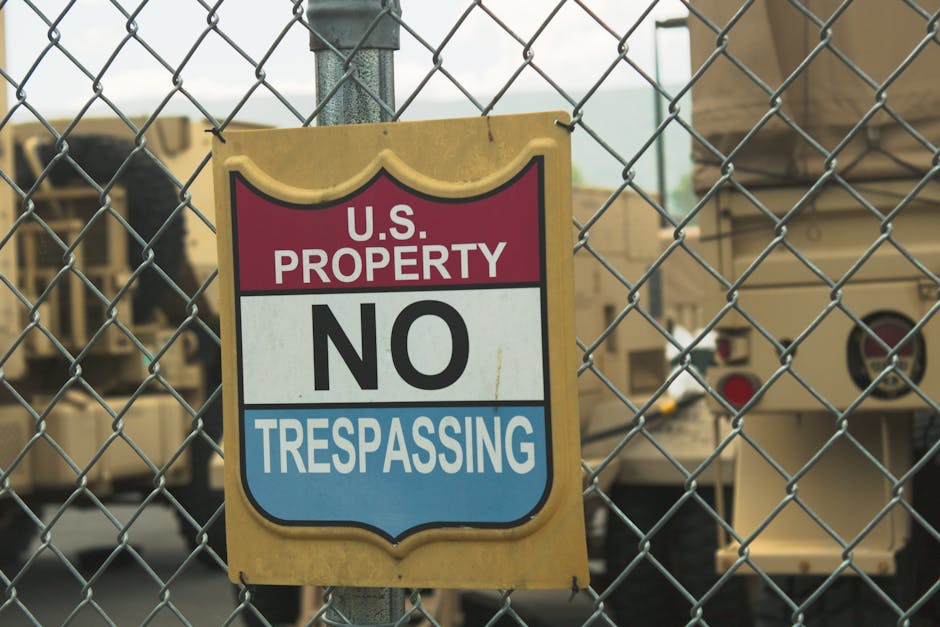
US Troops Make First Detentions in Trump Border Military Zones
The deployment of U.S. troops to designated “military zones” along the U.S.-Mexico border, a key component of the Trump administration’s enhanced border security strategy, has resulted in the first detentions of individuals attempting to cross illegally. These zones, established under presidential directives aimed at asserting greater federal control and deterring irregular migration, represent a significant escalation in the government’s approach to border enforcement, shifting from traditional Customs and Border Protection (CBP) operations to a more overt military presence. The initial detentions, though modest in number, signal the operationalization of these newly designated areas and raise complex legal, ethical, and logistical questions concerning the role of the military in domestic law enforcement and the treatment of detained migrants.
The establishment of these military zones was preceded by a series of executive orders and policy pronouncements from the Trump administration, articulating a vision of the border as a national security challenge requiring a robust, multifaceted response. Central to this strategy was the idea of creating specialized areas where military personnel, operating under specific authorities, could directly engage in border security operations. This initiative departed from the historical precedent of utilizing military personnel primarily for logistical support, intelligence gathering, or as a contingency force to supplement civilian agencies during extreme circumstances. Instead, the Trump administration sought to imbue these zones with a distinct character, implying a more direct and potentially broader mandate for military involvement in interdiction and detention. The legal framework underpinning these deployments has been a subject of intense scrutiny, with critics questioning the extent to which Title 10 (active duty military) or Title 32 (National Guard under state control but federally funded) authorities could be legally stretched to encompass direct law enforcement functions typically reserved for civilian agencies like CBP and Immigration and Customs Enforcement (ICE). Legal scholars and civil liberties advocates have raised concerns about the Posse Comitatus Act, which generally prohibits the use of the Army and Air Force for domestic law enforcement purposes, and the potential for overreach. The administration, conversely, has argued that the unique nature of the border crisis and the perceived inability of civilian agencies to adequately manage the influx of migrants necessitated such measures, asserting that the troops were operating within their legal parameters to support, not replace, civilian law enforcement.
The practical implications of these military zones are beginning to materialize. The initial detentions signify that U.S. troops are actively involved in identifying and apprehending individuals crossing the border within these designated areas. The exact numbers of troops deployed and the specific geographical boundaries of these zones remain somewhat fluid, subject to operational needs and evolving policy directives. However, reports indicate a significant presence of both active-duty military personnel and National Guard units, tasked with surveillance, patrolling, and, as evidenced by the recent detentions, apprehension. The process following a detention typically involves transferring individuals to CBP custody for processing, which may include screening for asylum eligibility, detention, or expedited removal. The involvement of the military in this initial stage of apprehension introduces new variables into the already complex asylum and immigration processing system. Questions arise about the training of military personnel in handling humanitarian concerns, understanding asylum laws, and ensuring the humane treatment of detainees. The distinction between a military apprehension and a civilian arrest is critical, particularly concerning individual rights and due process. Advocates worry that the military environment, characterized by a command-and-control structure, might not be conducive to the nuanced and rights-sensitive approach required in immigration enforcement and asylum determination.
The legal justifications for these detentions are rooted in the administration’s interpretation of presidential authority to secure the nation’s borders and enforce immigration laws. While civilian law enforcement agencies operate under specific statutory authorities granted by Congress, the deployment of military forces into these roles often relies on executive interpretations of existing law and the commander-in-chief’s inherent powers. The Posse Comitatus Act, while a significant barrier to direct military law enforcement, has been subject to exceptions and interpretations that allow for support roles and, in certain circumstances, direct action when specifically authorized by law or executive order. The Trump administration has utilized such interpretations to justify the presence and actions of military personnel at the border. The detentions are thus seen by the administration as a direct consequence of these legal frameworks, allowing military personnel to act in a support capacity that includes apprehension. However, legal challenges are almost certain, focusing on the constitutionality of extending military authority into civilian law enforcement domains and the potential infringement on individual liberties. The outcomes of these legal battles will likely shape the future of military involvement in border security.
Beyond the immediate legal and operational aspects, the establishment of these military zones and the subsequent detentions carry significant geopolitical and humanitarian implications. For Mexico, the increased militarization of the border, especially with the direct involvement of U.S. troops in apprehension, raises concerns about sovereignty, potential human rights abuses, and the burden of managing displaced populations. The complex relationship between the two nations, already strained by immigration challenges, faces further pressure. Humanitarian organizations and international observers are closely monitoring the situation, expressing alarm over the potential for increased risks to migrants, including vulnerable populations like families with children and asylum seekers fleeing violence. The conditions of detention, the availability of legal counsel, and the overall welfare of those apprehended by military personnel are paramount concerns. The administration’s narrative emphasizes deterrence and the restoration of order, while critics highlight the potential for a more aggressive and less rights-protective enforcement environment. The long-term impact on asylum processes, refugee flows, and regional stability remains a significant point of contention and concern.
The operationalization of these military zones represents a tangible shift in U.S. border policy, moving beyond rhetoric to a more direct and visible application of military power. The first detentions are not merely isolated incidents but rather indicators of a broader strategic reorientation. The effectiveness of this strategy in deterring irregular migration, the sustainability of its legal and financial underpinnings, and its impact on the human rights of migrants will be subjects of intense scrutiny and debate for the foreseeable future. The administration’s success will likely be measured not only by apprehension numbers but also by its ability to navigate the complex legal landscape, address humanitarian concerns, and maintain the delicate balance between national security and individual liberties. The long-term consequences of integrating military personnel more directly into domestic law enforcement at the border are still unfolding, and the initial detentions are merely the opening chapter in a narrative that will undoubtedly be shaped by ongoing legal challenges, policy adjustments, and humanitarian considerations. The implications of these military zones extend far beyond the immediate border region, potentially influencing the role of the military in other domestic security contexts and the broader debate about the boundaries between civilian and military authority in a democratic society. The administration’s approach, while framed as a necessary response to an unprecedented border crisis, also raises fundamental questions about the ethical and societal implications of militarizing the nation’s internal security apparatus.
