Category Energy Acquisitions: Strategic Drivers and Market Dynamics
Category energy acquisitions represent a crucial and dynamic segment of the global energy sector, characterized by mergers, acquisitions, and divestitures within specific sub-sectors of energy production, distribution, and technology. These transactions are not merely financial maneuvers; they are strategic imperatives driven by a confluence of market forces, technological advancements, evolving regulatory landscapes, and the urgent global imperative to decarbonize. Understanding the intricacies of category energy acquisitions requires a deep dive into the motivations behind them, the prevailing market dynamics, the types of transactions, and the critical success factors that dictate their outcomes. The energy industry, inherently capital-intensive and subject to cyclicality, witnesses continuous consolidation and strategic realignments, particularly as the transition towards cleaner and more sustainable energy sources gains momentum.
The primary drivers for category energy acquisitions are multifaceted, ranging from achieving economies of scale and scope to securing market share, accessing new technologies, and mitigating risks. For established players, acquiring companies within a specific category, such as renewable energy development, battery storage solutions, or advanced grid technologies, allows them to expand their operational footprint, enhance their service offerings, and verticalize their value chains. For instance, a utility company might acquire a solar farm developer to gain direct control over renewable energy generation capacity, thereby reducing its reliance on traditional fossil fuel sources and meeting increasingly stringent environmental mandates. This pursuit of scale is critical in an industry where significant upfront investment is required for infrastructure development and operation. Mergers can also lead to synergistic benefits, where the combined entity becomes more efficient and profitable than the sum of its parts, through cost reductions, improved operational efficiencies, and cross-selling opportunities. The integration of complementary technologies or business models can unlock new revenue streams and competitive advantages.
Market dynamics play a pivotal role in shaping the landscape of category energy acquisitions. The volatility of commodity prices, particularly for oil and natural gas, directly influences investment decisions and the attractiveness of acquiring assets in these segments. Periods of high prices can spur acquisitions to secure long-term supply, while low prices might lead to distressed asset sales, offering opportunistic acquisition targets. The burgeoning growth of renewable energy sources, driven by government incentives, declining technology costs, and growing public demand for sustainability, has made renewable energy development companies, solar panel manufacturers, wind turbine operators, and energy storage providers highly sought-after acquisition targets. This shift is not limited to generation; downstream and midstream assets associated with renewables, such as charging infrastructure companies for electric vehicles or companies specializing in hydrogen production and distribution, are also seeing increased M&A activity. Furthermore, the electrification of various sectors, including transportation and industrial processes, creates demand for advanced grid management solutions, smart metering technologies, and distributed energy resources, all of which are becoming integral components of energy acquisition strategies.
The regulatory environment is another powerful catalyst for category energy acquisitions. Governments worldwide are implementing policies and targets to accelerate the energy transition, such as renewable portfolio standards, carbon pricing mechanisms, and subsidies for clean technologies. These regulations create both opportunities and pressures. Companies that proactively align their acquisition strategies with these regulatory trends are better positioned for long-term success. For example, acquisitions focused on carbon capture, utilization, and storage (CCUS) technologies are gaining traction as industries seek to decarbonize their operations to comply with emissions regulations. Similarly, the ongoing modernization of electricity grids, driven by the need to integrate intermittent renewable sources and manage increased demand from electrification, fuels acquisitions in areas like grid modernization, demand-side management, and cybersecurity for energy infrastructure. Anticipating and responding to evolving environmental, social, and governance (ESG) standards is now a core component of due diligence in energy acquisitions.
The types of category energy acquisitions can be broadly classified into several categories, each with its own strategic rationale. Horizontal acquisitions involve the purchase of a company operating in the same stage of the value chain and the same segment of the energy market. For instance, one solar farm developer acquiring another. The primary goal here is often to increase market share, achieve greater economies of scale, and potentially gain pricing power. Vertical acquisitions occur when a company acquires a business operating at a different stage of the energy value chain but within the same sector. An example would be an electricity generator acquiring a transmission company or a renewable energy developer acquiring a component manufacturer. This strategy aims to improve operational control, reduce supply chain risks, and capture additional value. Conglomerate acquisitions, while less common in the highly specialized energy sector, involve acquiring companies in entirely different energy-related business areas. For instance, a fossil fuel company acquiring a stake in a carbon credit trading platform. This diversification strategy seeks to mitigate risk and explore new growth avenues. Diversification acquisitions in the energy context typically involve acquiring companies in related but distinct energy technologies or markets, such as a traditional utility acquiring a company specializing in smart home energy management solutions or a geothermal energy producer acquiring a company involved in waste-to-energy technologies. The goal is to expand the company’s portfolio and tap into emerging market trends.
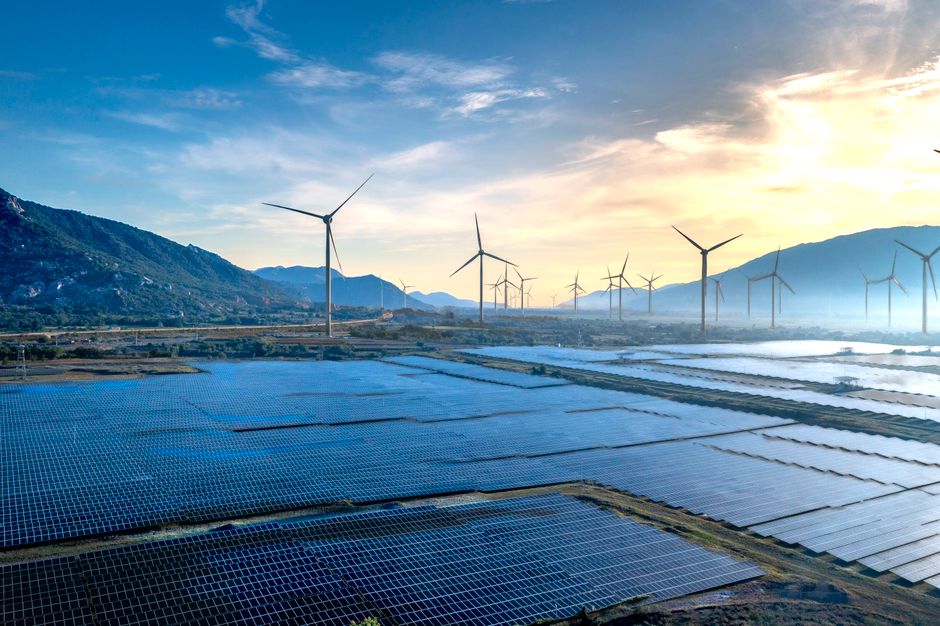
A significant trend within category energy acquisitions is the focus on specialized renewable energy technologies. This includes acquisitions of companies involved in advanced solar photovoltaic (PV) technologies (e.g., perovskites, bifacial panels), offshore and onshore wind turbine manufacturers and project developers, geothermal energy exploration and development, hydropower upgrades and small-scale hydro projects, and bioenergy solutions. The burgeoning market for energy storage is also a hotbed for M&A activity. Companies acquiring battery manufacturing facilities, developing new battery chemistries (e.g., solid-state batteries), or providing grid-scale energy storage solutions are highly attractive. This is driven by the need to balance the intermittency of renewable energy sources and ensure grid stability.
Furthermore, digitalization and grid modernization are creating new acquisition opportunities. Companies specializing in smart grid technologies, advanced metering infrastructure (AMI), grid automation, artificial intelligence (AI) for grid management, demand response platforms, and cybersecurity solutions for energy infrastructure are increasingly being acquired. The integration of distributed energy resources (DERs), such as rooftop solar, battery storage, and electric vehicles (EVs), necessitates a more sophisticated and intelligent grid, driving demand for these technologies. Acquisitions in this space allow companies to enhance grid resilience, optimize energy distribution, and offer new services to consumers.
The hydrogen economy is another rapidly evolving area witnessing strategic acquisitions. Companies involved in the production of green hydrogen (produced from renewable energy), blue hydrogen (produced from natural gas with carbon capture), hydrogen storage, hydrogen transportation infrastructure, and fuel cell technology are becoming prime acquisition targets. As governments and industries explore hydrogen as a clean fuel for transportation, industrial processes, and energy storage, significant investment is flowing into this sector, driving consolidation.
The transition away from fossil fuels also fuels divestitures, creating opportunities for acquiring companies seeking to enter or expand in these traditional segments at a lower valuation, or for those with specific strategies for operational efficiency or repurposing of assets. Companies may also acquire fossil fuel assets for their remaining economic life or as part of a broader portfolio strategy that includes a phased transition. However, the overarching trend is towards acquiring companies that facilitate the shift to cleaner energy.
Due diligence in category energy acquisitions is particularly rigorous due to the long asset lifecycles, significant capital requirements, and complex regulatory and environmental considerations. This involves not only financial and legal scrutiny but also in-depth technical assessments of existing infrastructure, environmental impact studies, regulatory compliance reviews, and an evaluation of the target company’s technological capabilities and intellectual property. For renewable energy acquisitions, assessing the quality of the resource (e.g., wind speeds, solar irradiance), the permitting status of projects, and the long-term power purchase agreements (PPAs) are critical. In the case of technology acquisitions, evaluating the maturity and scalability of the technology, as well as the strength of the patent portfolio, is paramount. The integration phase post-acquisition is often the most challenging, requiring careful planning and execution to realize the anticipated synergies and achieve strategic objectives. This includes integrating operational systems, harmonizing corporate cultures, and retaining key talent.
The financing of category energy acquisitions is also a complex area, often involving a mix of debt, equity, and structured finance. The large scale of these transactions often necessitates involvement from specialized investment banks, private equity firms, and institutional investors with a deep understanding of the energy sector. The availability of favorable financing conditions can significantly influence the feasibility and attractiveness of an acquisition. Furthermore, the growing emphasis on ESG metrics means that the environmental and social impact of the acquired assets and operations are increasingly scrutinized by investors and lenders.
In conclusion, category energy acquisitions are a vital mechanism for reshaping the global energy landscape, driven by the imperative to decarbonize, technological innovation, and evolving market demands. Strategic buyers are actively pursuing companies across the renewable energy spectrum, energy storage solutions, grid modernization technologies, and emerging sectors like hydrogen. Successful acquisitions require meticulous due diligence, robust integration strategies, and a keen understanding of the intricate interplay between market forces, technological advancements, and the dynamic regulatory environment. The ongoing consolidation and strategic realignment within the energy sector underscore the profound and lasting transformation underway, as the world navigates towards a more sustainable and resilient energy future.
