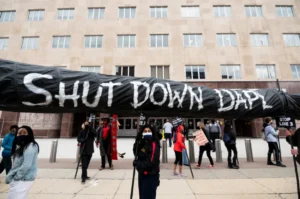
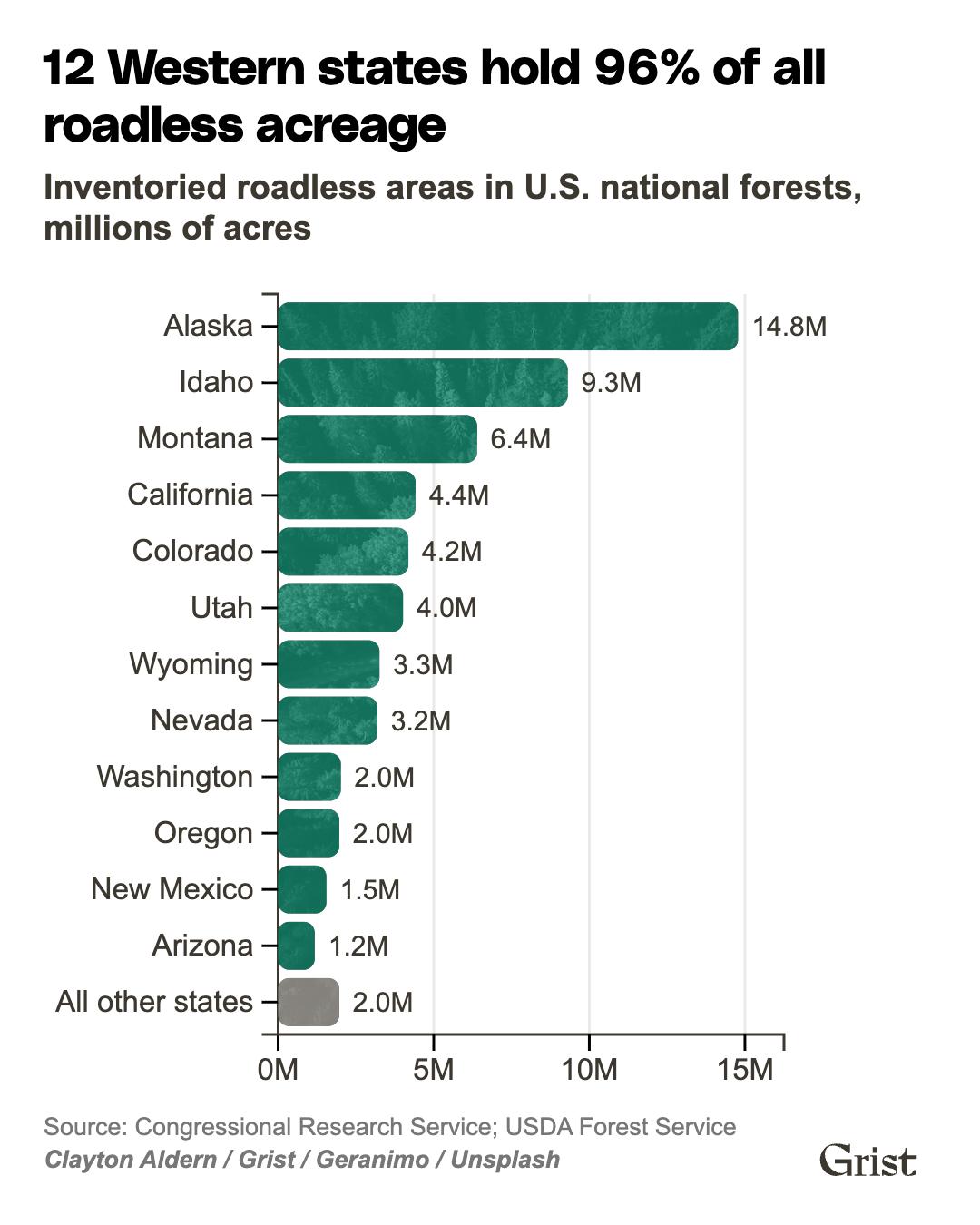
The Department of Agriculture and the U.S. Forest Service are currently advancing a significant policy shift that threatens to dismantle decades of environmental protections for some of the most pristine public lands in the United States. At the center of this controversy is the 2001 Roadless Area Conservation Rule, a landmark environmental policy that has long shielded nearly 60 million acres of national forest land from road construction and commercial logging. While the vast majority of these protected areas are located in the Western U.S. and Alaska, the impending repeal poses a unique and existential threat to the fragmented, ecologically diverse woodlands of the East, where "roadless" pockets serve as critical refuges for biodiversity and carbon sequestration.
The Roadless Area Conservation Rule was adopted in the final days of the Clinton administration as a response to a mounting crisis within the U.S. Forest Service. By the turn of the millennium, the agency had constructed more than 380,000 miles of roads—eight times the length of the Interstate Highway System—primarily to facilitate timber extraction. The agency faced a staggering $8.4 billion maintenance backlog, and many of these aging roads were failing, causing massive soil erosion, polluting drinking water sources, and fragmenting the habitats of endangered species. The 2001 rule was designed not only as a conservation measure but as a fiscal necessity to stop the expansion of a crumbling infrastructure that the federal government could no longer afford to maintain.
The Trump Administration’s Rationale for Repeal
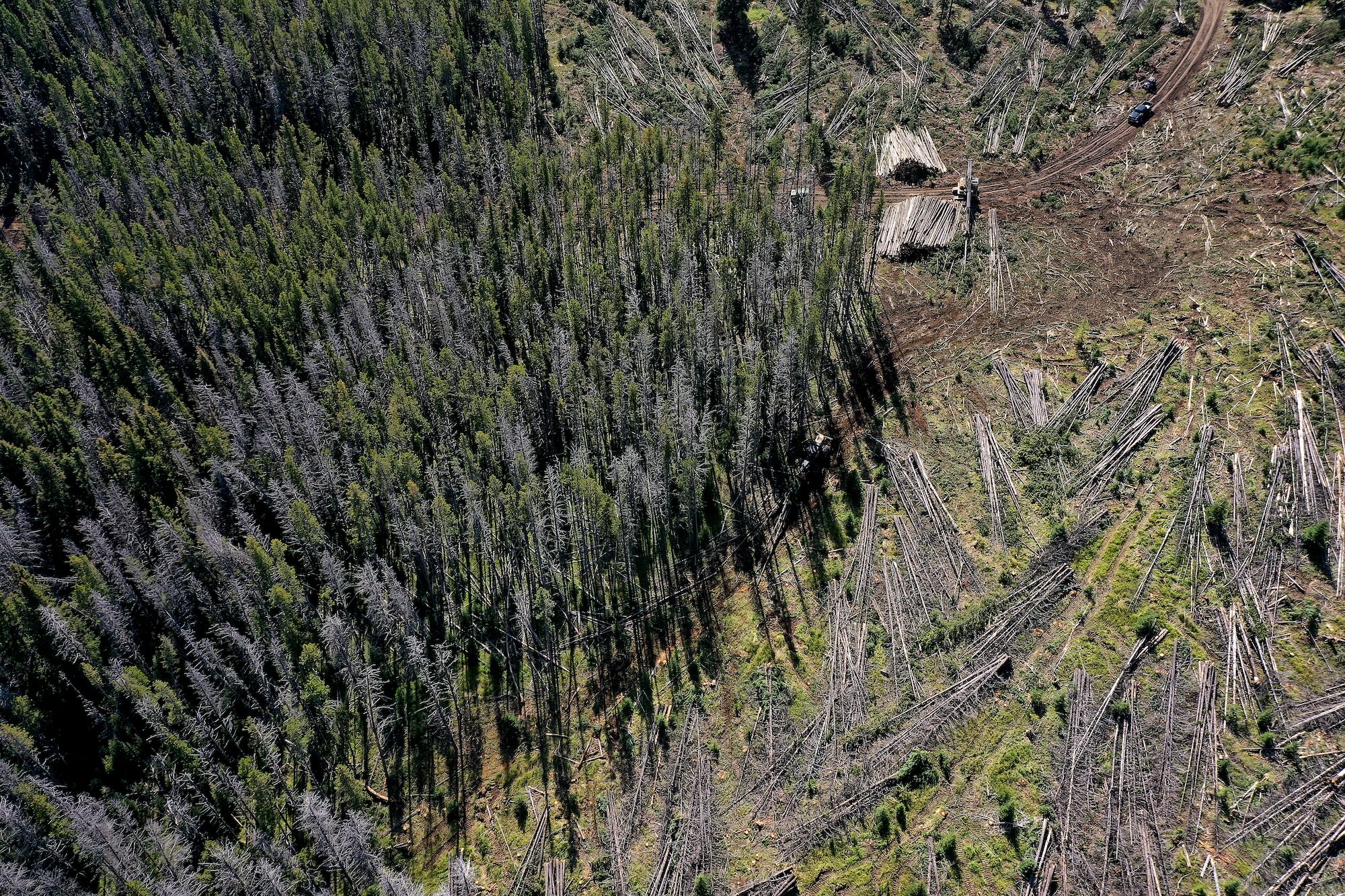
The current administration, led by President Donald Trump and Secretary of Agriculture Brooke Rollins, views the 2001 rule as a bureaucratic "obstruction" that hinders active forest management. Secretary Rollins has argued that the policy is "overly restrictive," claiming that it prevents the Forest Service from effectively reducing wildfire risks and responding to insect infestations. The administration’s push for repeal is part of a broader mandate to intensify domestic timber production and revitalize rural economies that have historically relied on logging and mining.
Central to the administration’s argument is the concept of "forest health." Proponents of the repeal suggest that by allowing road construction, the Forest Service can more easily access remote areas to conduct thinning operations and prescribed burns. They argue that the current lack of access leaves forests overgrown and vulnerable to catastrophic wildfires. However, this position has been met with fierce resistance from environmental scientists and former agency leaders.
Former Forest Service Chief Vicki Christiansen, who led the agency from 2018 to 2021, is among four former chiefs who have publicly urged the administration to preserve the rule. Drawing on a combined 150 years of experience, these former officials argue that the roadless rule provides essential protections for the public’s most valuable lands and that its removal would constitute an "irreparable tragedy."
The Ecological Stakes: Carbon Sequestration and Biodiversity
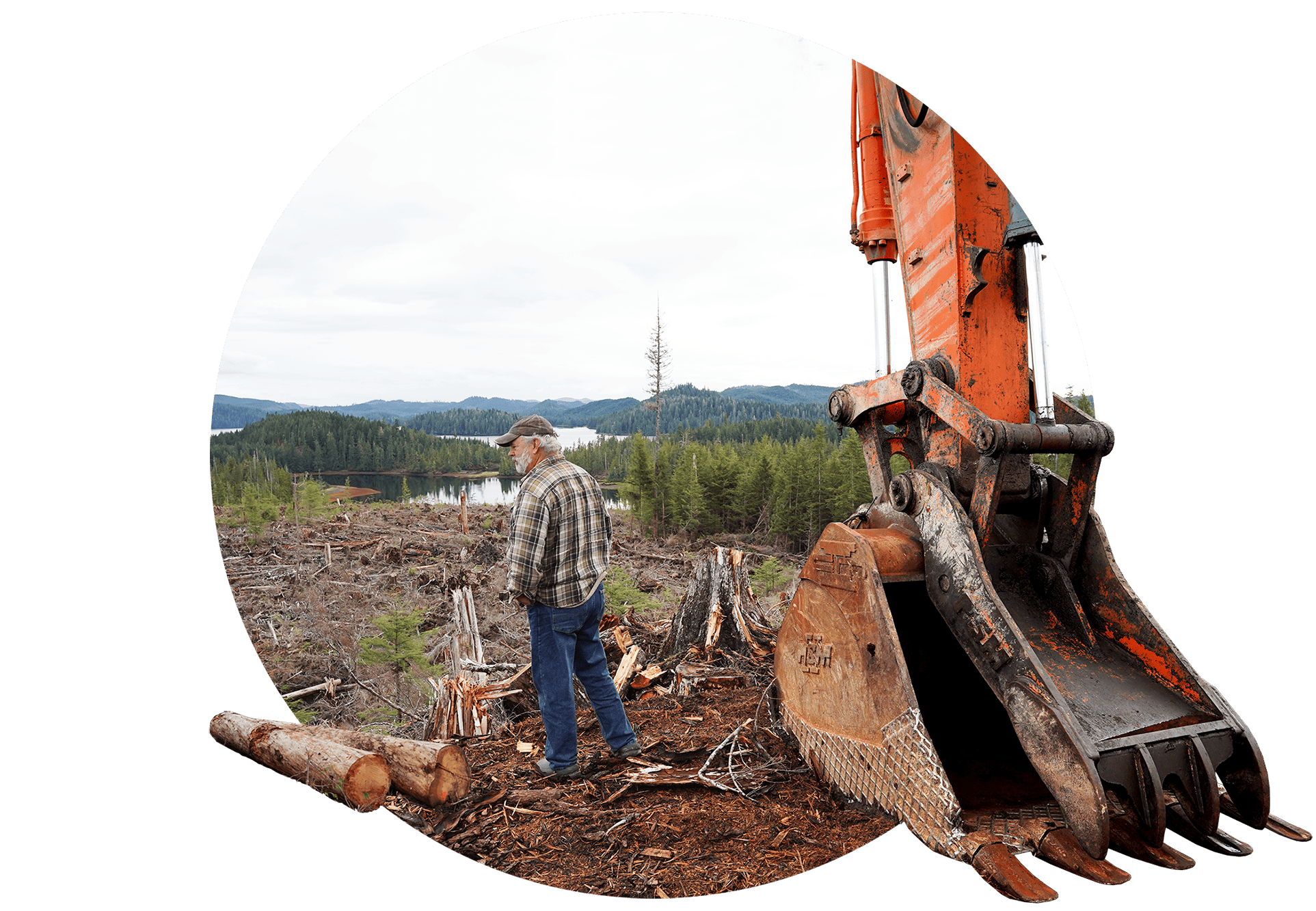
The ecological importance of roadless areas, particularly in the Eastern U.S., cannot be overstated. While Western forests are known for their scale, Eastern forests are characterized by their maturity and their role as powerful carbon sinks. According to data from the Woodwell Climate Research Center, many Eastern forests are currently in a "middle-aged" phase, typically between 80 and 120 years old. This is the biological window during which trees are most efficient at removing carbon dioxide from the atmosphere and storing it in their biomass and soil.
A 2023 study found that Eastern forests have only reached about half of their total carbon storage potential. If left intact, these woodlands could continue to accumulate carbon for centuries, providing a natural defense against climate change. Estimates suggest that halting timber harvests in these regions could absorb approximately 117 million metric tons of CO2 annually by 2050. Conversely, accelerating logging could result in a massive release of stored carbon, negating regional efforts to reduce greenhouse gas emissions.
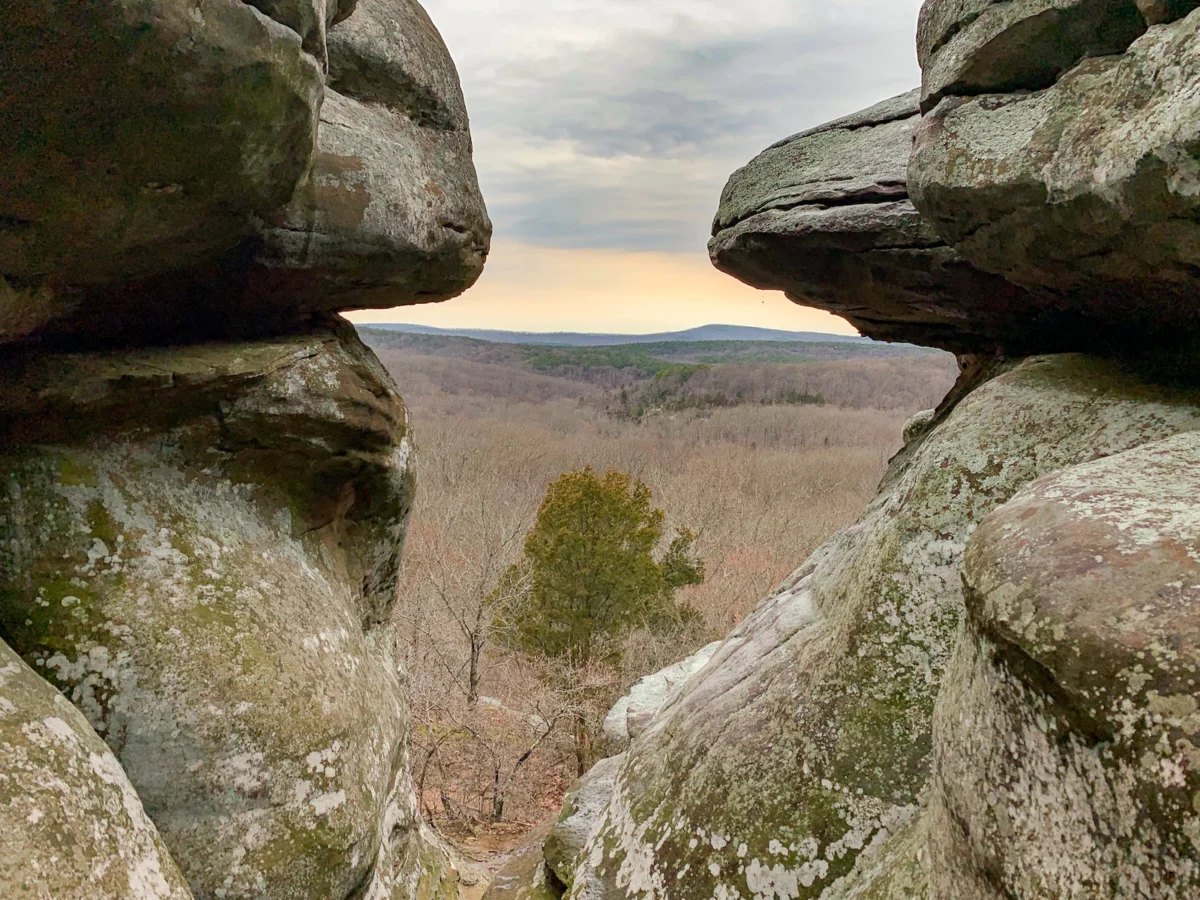
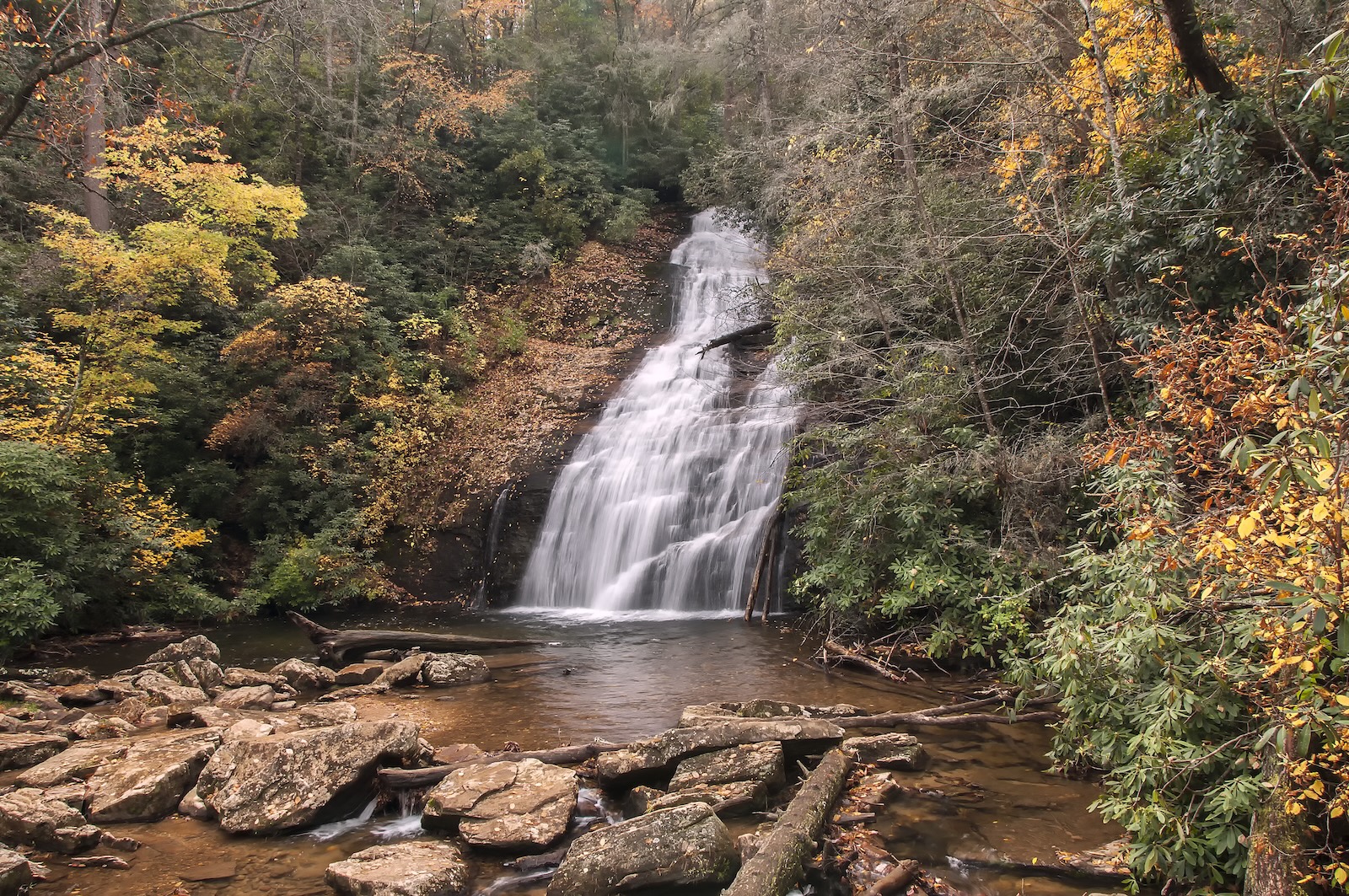
Beyond carbon, these roadless areas are vital for wildlife. In the Shawnee National Forest of Illinois, road-free pockets provide essential breeding grounds for the cerulean warbler and the Indiana bat. In the Appalachian foothills of Georgia, the Chattahoochee National Forest’s roadless ridges protect the headwaters of streams that provide drinking water to millions of people in the Southeast.
Case Study: The Fragmentation of the Shawnee National Forest
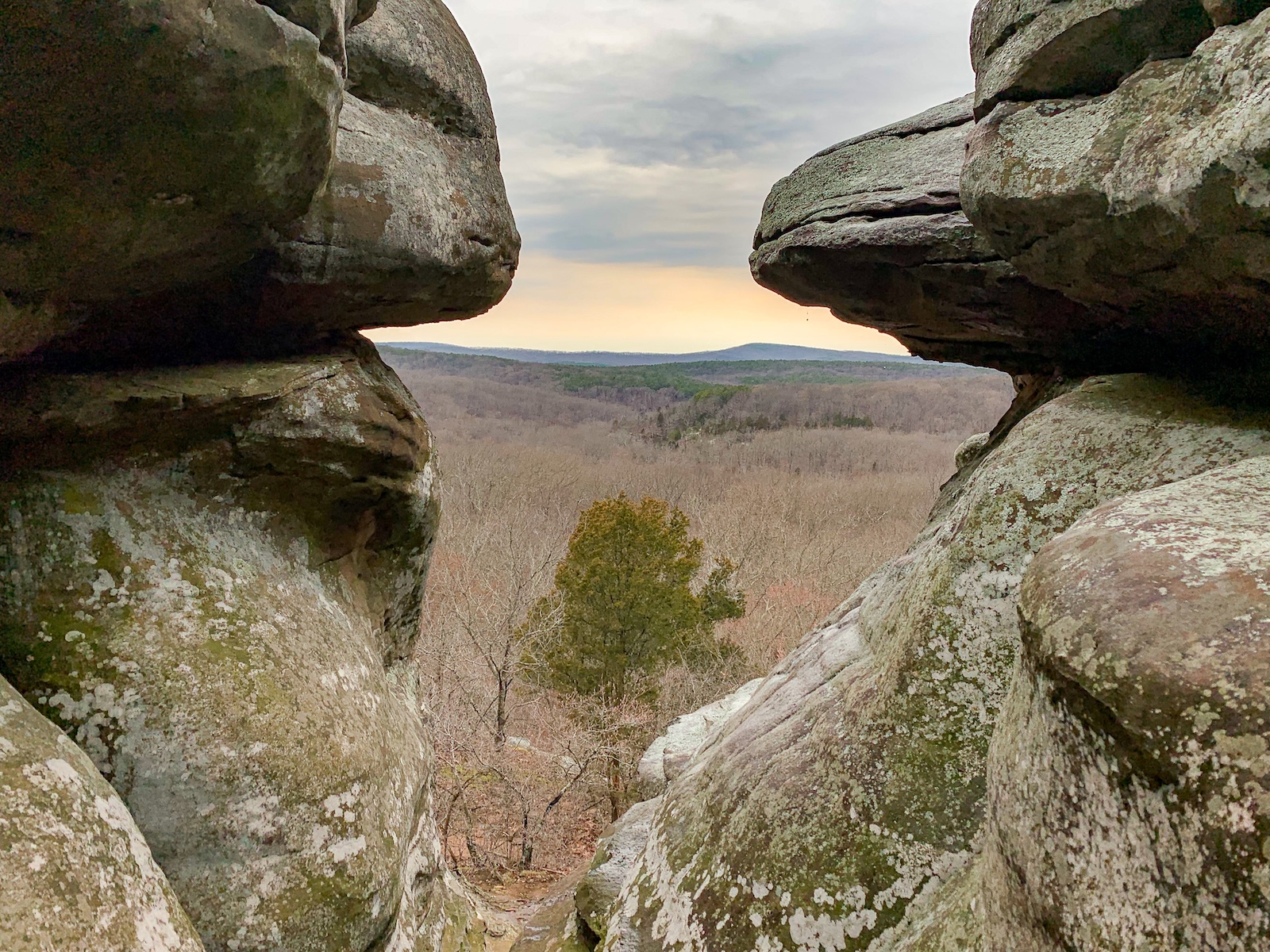
The Shawnee National Forest, covering 289,000 acres in Southern Illinois, illustrates the vulnerability of Eastern woodlands. Unlike the continuous forests of the West, the Shawnee is a patchwork of public land interspersed with private farms, warehouses, and power lines. Only about 10,000 acres—less than 4 percent of the forest—are currently protected under the roadless rule.
Activists like John Wallace and Mark Donham have spent decades fighting to preserve these remnants. In 1990, Wallace gained national attention when he chained himself to logging equipment to protest timber sales. While a 2013 injunction on commercial logging provided some relief, the potential repeal of the roadless rule opens the door for new industrial exploitation. For Donham, who lives deep within the forest, the presence of roads is directly linked to land degradation. He notes that even "unimproved" roads often lead to soil compaction, illegal trash dumping, and the disturbance of sensitive ecosystems by off-road vehicles.
The Fire Debate: Access vs. Ignition
One of the most contentious aspects of the roadless rule repeal is its impact on wildfire management. In the Chattahoochee National Forest in Georgia, Forest Service officials argue that the 7 percent of the forest designated as roadless is difficult to defend when fires break out. They cite the 2016 Rough Ridge fire, which burned 28,000 acres, as evidence that lack of road access allows fires to grow out of control.
However, conservationists and ecologists point to a different set of data. Statistics from the National Interagency Fire Center reveal that human activity is the primary cause of wildfires in the South. In 2024, humans sparked nearly 24,000 fires in the region, while lightning strikes caused only 809. Experts like Sam Evans of the Southern Environmental Law Center argue that roads are the "common denominator" for these ignitions. Roads bring people, and with people come discarded cigarettes, sparks from vehicle exhaust, and unattended campfires.
Furthermore, the 2001 rule already contains exemptions that allow for emergency firefighting activities. Critics of the repeal argue that the administration is using "fire safety" as a Trojan horse to facilitate commercial timber extraction, which they claim does little to actually protect nearby communities from wildfire risk.
Vermont’s Green Mountains: A Preview of the Future
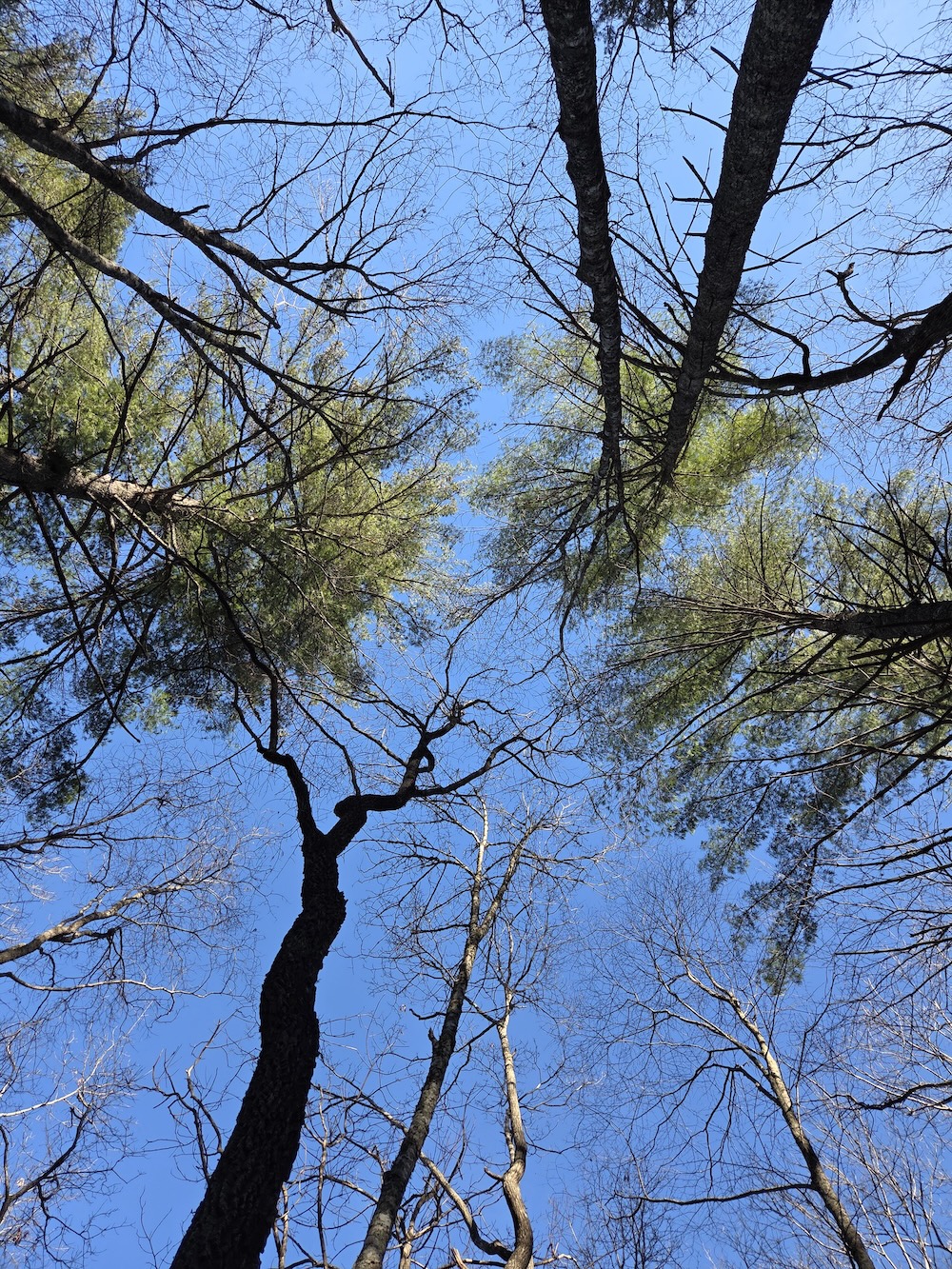
In Vermont’s Green Mountain National Forest, the impacts of expanded logging are already becoming visible. Although the Forest Service manages 376,000 acres in the state, only a fraction is covered by the Clinton-era protections. In areas like the Homer Stone parcel, the Forest Service has utilized "early successional habitat creation"—a term critics call shorthand for clearcutting—to log mature stands of maple, beech, and birch.
Zack Porter, co-founder of the nonprofit Standing Trees, describes these logged areas as "moonscapes" that have lost their ecological function. The removal of mature trees eliminates habitat for the endangered American Marten and the northern long-eared bat. Additionally, the loss of forest cover increases soil runoff, which has exacerbated Vermont’s recent struggles with severe flooding.
The process by which these logging projects are approved has also come under scrutiny. The administration recently shortened the public comment period for the roadless rule repeal to just 21 days—significantly less than the standard 90-day window. This rapid-fire approach to policymaking has left many local stakeholders, including business owners like Tracey Forest of the Spirit Hollow retreat, feeling sidelined and unheard.
Institutional Restructuring and Long-term Implications
The push to repeal the roadless rule does not exist in a vacuum. It is accompanied by a massive restructuring of the U.S. Forest Service. Within the last year, the Trump administration has shuttered 57 of the agency’s 77 research stations, many of which were dedicated to studying climate change, invasive species, and forest resilience. Plans are also underway to move the agency’s headquarters from Washington, D.C., to Salt Lake City, Utah, and to close nine regional offices.
This decentralization and reduction in scientific capacity suggest a fundamental shift in the agency’s mission—away from holistic ecosystem management and toward a primary focus on commodity production. By dismantling the research infrastructure and the regulatory framework of the roadless rule, the administration is clearing the path for a new era of industrial logging on public lands.
The debate over the roadless rule ultimately centers on the value of "wildness" in an increasingly developed world. For conservationists, these road-free areas are a finite and irreplaceable resource—the "last best stretches" of our national heritage. For the administration and its supporters in the timber industry, they represent underutilized economic assets. As the Department of Agriculture moves toward a final decision this year, the outcome will determine the fate of millions of acres of forest and the myriad species—and human communities—that depend on them for survival. With legal challenges from environmental groups almost certain to follow any repeal, the battle for the silence of the woods is likely to move from the forest floor to the federal courts.