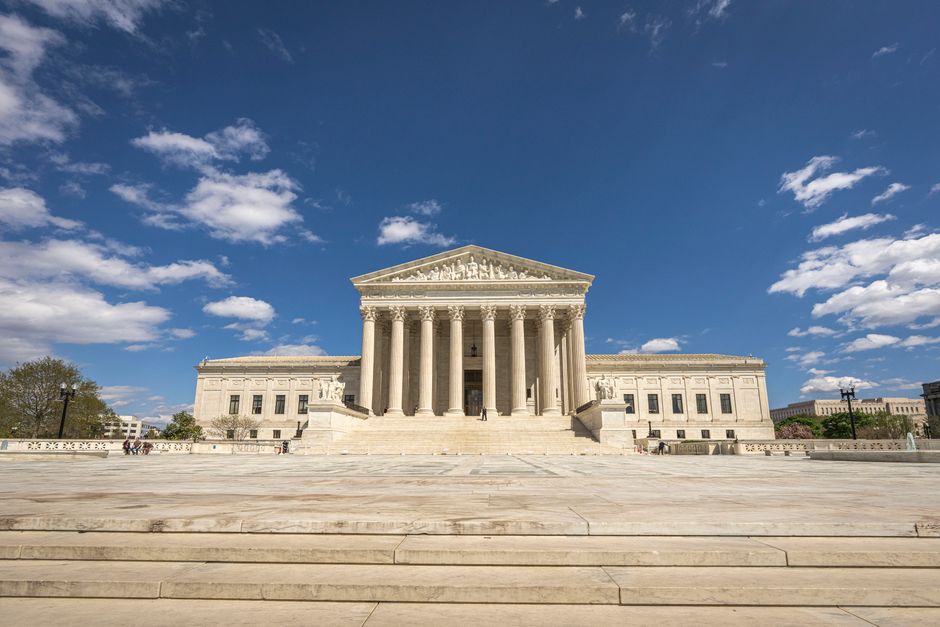
The Supreme Court and the Trump Military Transgender Ban: A Legal and Social Battle
The Trump administration’s policy barring most transgender individuals from serving in the U.S. military ignited a protracted legal and social battle, ultimately reaching the Supreme Court. This comprehensive examination delves into the origins of the ban, the ensuing legal challenges, the Supreme Court’s pivotal role, and the lasting implications for transgender service members and LGBTQ+ rights in America. The genesis of this policy stemmed from a series of tweets by President Donald Trump in July 2017, declaring that transgender individuals would no longer be allowed to serve in any capacity in the armed forces. This abrupt announcement, lacking detailed explanation or prior consultation with military leadership, sent shockwaves through the Pentagon and the LGBTQ+ community, initiating a complex legal and logistical process to implement the ban. The stated justifications for the ban, articulated in subsequent policy memos, centered on concerns regarding military readiness, unit cohesion, and the financial costs associated with transgender healthcare. However, these claims were met with fierce opposition from numerous advocacy groups, medical professionals, and many within the military itself, who argued that the ban was discriminatory, lacked scientific basis, and would undermine the principle of equal opportunity within the armed forces.
The immediate aftermath of the Trump tweets saw a surge of legal challenges filed by individuals and organizations. These lawsuits, primarily brought forth in federal courts across the country, argued that the ban violated the equal protection clause of the Fifth Amendment to the U.S. Constitution, which prohibits discrimination based on sex. Plaintiffs included transgender service members who were already serving, as well as those seeking to enlist, all of whom faced uncertainty and potential discharge under the new policy. The legal strategy employed by the plaintiffs focused on demonstrating that the ban was not based on legitimate military necessity but rather on prejudice and animus towards transgender individuals. They presented evidence from medical experts, military leaders who supported transgender service, and testimonies from transgender service members highlighting their effectiveness and commitment. Conversely, the Trump administration defended its policy by emphasizing the deference owed to the President and the Department of Defense in matters of national security and military personnel. Their arguments often relied on anecdotal evidence and broader assertions about potential disruption, without providing concrete data to substantiate the claimed negative impacts on readiness or cohesion.
As these legal battles unfolded, different federal district courts issued preliminary injunctions, temporarily blocking the implementation of the ban. These rulings were crucial in allowing transgender individuals to continue serving and enlisting while the litigation proceeded. The government appealed these injunctions, leading to a complex series of legal maneuvers that eventually saw the case ascend through the appellate courts. The stakes were incredibly high, as the fate of thousands of transgender service members hung in the balance, alongside broader implications for LGBTQ+ rights and the military’s commitment to inclusivity. The administration’s legal team sought to bypass further appeals by asking the Supreme Court to directly review the case. This request, known as a writ of certiorari, was a strategic move to expedite the process and secure a definitive ruling from the nation’s highest court. The Supreme Court’s decision to grant certiorari signaled the profound importance and national significance of the issue.
The Trump administration’s strategy at the Supreme Court involved presenting the ban as a necessary measure to ensure the effectiveness and readiness of the armed forces. Their legal briefs argued that the President, as Commander-in-Chief, possessed broad authority to set military policy and that courts should not second-guess decisions made in the interest of national security. They contended that the inclusion of transgender personnel could create logistical challenges, increase healthcare costs, and potentially disrupt unit cohesion, thus impacting military readiness. The administration presented a narrative that emphasized the unique demands of military service and the need for a disciplined and cohesive fighting force. They also argued that the ban was not discriminatory but rather a policy decision based on practical considerations.
On the other side, the plaintiffs and their legal representatives argued vigorously that the ban was discriminatory and unconstitutional. Their arguments before the Supreme Court emphasized that the administration failed to provide any credible evidence that transgender service members posed a threat to military readiness or unit cohesion. They presented expert testimony and data demonstrating that the medical needs of transgender service members were manageable and that their service had not negatively impacted the military in countries that allowed transgender individuals to serve. The legal team highlighted the Pentagon’s own past studies and the experiences of allied nations as evidence against the administration’s claims. Furthermore, they argued that the ban was motivated by animus towards transgender individuals, violating the equal protection clause of the Fifth Amendment. They sought to portray the ban as a regression in civil rights and a betrayal of the military’s stated commitment to diversity and inclusion.
The Supreme Court, in its deliberation, grappled with fundamental questions of constitutional law, executive authority, and the evolving understanding of gender identity. The oral arguments before the justices revealed the complexities of the case, with justices probing both sides on the nature of discrimination, the definition of sex, and the deference owed to executive branch policy decisions. The legal framework surrounding discrimination cases, particularly those involving sex and gender, was central to the Court’s considerations. The arguments also touched upon the historical context of LGBTQ+ rights and the military’s own journey towards greater inclusivity. The Court had to balance the executive’s broad powers with its constitutional duty to protect individual rights.
Ultimately, the Supreme Court did not rule on the merits of the Trump administration’s transgender military ban itself. Instead, in January 2020, the Court effectively allowed the ban to go into effect by refusing to block lower court decisions that had allowed the administration’s policy to be implemented. This decision was a procedural one, meaning the Court did not definitively state whether the ban was constitutional or not. The Supreme Court’s action allowed the Trump administration’s policy, which had been in development and subject to legal challenges, to be fully implemented while the litigation continued in lower courts. This meant that individuals with a history of gender dysphoria, or those undergoing gender transition, were generally prohibited from serving, with limited exceptions for those already diagnosed or undergoing treatment prior to the ban’s implementation. The ruling was a significant setback for transgender rights advocates and transgender service members, who had been fighting to maintain or expand their ability to serve openly.
The Supreme Court’s refusal to hear an appeal or to block the lower court rulings meant that the ban, as implemented by the Department of Defense, remained in place. This had a direct impact on transgender individuals seeking to join the military, effectively barring most from service. For those already serving, the situation remained complex, with some potentially facing discharge depending on their individual circumstances and medical status. The decision underscored the challenges faced by LGBTQ+ individuals seeking full equality and highlighted the significant legal battles that would continue to shape their rights. The administrative and logistical hurdles involved in implementing such a ban were also substantial, requiring significant changes to military regulations, medical protocols, and recruitment processes.
The aftermath of the Supreme Court’s decision saw continued advocacy and efforts to overturn the ban. The policy remained a contentious issue throughout the remainder of the Trump administration. Following the 2020 presidential election, the Biden administration took swift action to reverse the Trump-era ban. In January 2021, President Joe Biden signed an executive order lifting the ban, allowing transgender individuals to serve openly in the U.S. military. This policy change was celebrated by LGBTQ+ rights organizations and many within the military, who viewed it as a restoration of fairness and equality. The reversal marked a significant shift in federal policy and signaled a renewed commitment to inclusivity within the armed forces. The new policy aimed to ensure that all qualified individuals, regardless of their gender identity, could serve.
The legal and political battles surrounding the Trump military transgender ban had profound implications for transgender rights and the broader discourse on gender identity in America. The case brought transgender issues to the forefront of national attention, sparking important conversations about discrimination, healthcare, and the definition of gender. The consistent legal challenges, even in the face of administrative rulings, demonstrated the resilience of advocacy and the ongoing pursuit of equal rights. The eventual reversal of the ban by the Biden administration suggested a societal shift towards greater acceptance and understanding of transgender individuals. However, the legal precedent and the questions raised during the Supreme Court’s consideration continue to inform ongoing discussions about discrimination and the scope of constitutional protections. The military’s evolving policies on transgender service members also reflect broader societal changes and the ongoing struggle for full LGBTQ+ equality. The experience underscored the importance of legislative and judicial action in protecting civil rights and ensuring that all individuals have the opportunity to serve their country. The legal framework surrounding the ban also highlighted the intersection of military policy, constitutional law, and evolving social norms.
