Marvel Comics: A Universe of Heroes, Villains, and Enduring Legacies
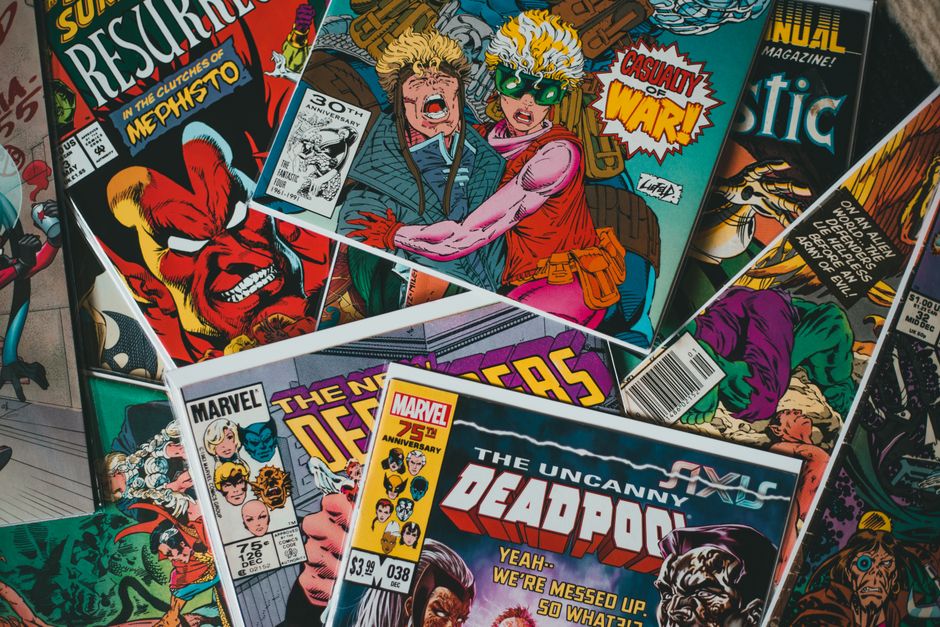
Marvel Comics, a titan of the comic book industry, has captivated audiences for over eight decades, forging a sprawling and interconnected universe populated by some of the most iconic characters in popular culture. From its inception, Marvel has distinguished itself through its focus on flawed, relatable heroes operating within a world that mirrors our own, albeit with the extraordinary woven in. This dedication to realism, even within the fantastical, has been a cornerstone of its success, resonating with readers who see themselves, their struggles, and their aspirations reflected in the adventures of beings like the Fantastic Four, Spider-Man, and the X-Men. The company’s genesis can be traced back to the 1930s with the founding of Timely Comics by Martin Goodman, a publisher seeking to capitalize on the burgeoning comic book craze. The early years saw the creation of enduring characters like Captain America, who became a patriotic symbol during World War II, and the Human Torch, a pioneering figure in the realm of superpowers. However, it was the dawn of the Silver Age in the late 1950s and early 1960s, under the visionary leadership of Stan Lee, Jack Kirby, and Steve Ditko, that truly cemented Marvel’s legacy. This era witnessed the birth of the Marvel Method of storytelling, a collaborative approach that empowered artists and allowed for more spontaneous and organic character development. The Fantastic Four, introduced in 1961, revolutionized superhero narratives with their familial dynamics, internal conflicts, and scientific basis for their powers. This set the stage for a cascade of groundbreaking creations, including Spider-Man’s poignant struggles with adolescence and responsibility, the Hulk’s tormented duality, the X-Men’s exploration of prejudice and societal alienation, and the cosmic grandeur of Thor and the Avengers. Marvel Comics has consistently pushed the boundaries of narrative complexity and thematic depth, exploring issues of race, religion, identity, and morality through the lens of its diverse cast. This willingness to tackle mature themes has broadened the appeal of comic books beyond a niche audience, establishing them as a legitimate form of literary and artistic expression. The ongoing evolution of the Marvel Universe, marked by character deaths, resurrections, retcons, and the constant introduction of new heroes and villains, ensures its continued relevance and appeal to successive generations of readers.
The Marvel Universe is not merely a collection of disparate heroes; it is a meticulously crafted tapestry of interconnected narratives. The concept of a shared universe, where characters from different titles can interact and influence each other’s storylines, was a revolutionary concept pioneered by Marvel. This interconnectedness allows for epic crossover events that have become a hallmark of the brand, drawing in a massive readership as heroes unite against universe-threatening dangers. The "Kree-Skrull War" in The Avengers, "Days of Future Past" for the X-Men, and the transformative "Infinity Gauntlet" saga exemplify how these large-scale narratives can redefine the status quo and forge new mythologies. The success of this shared universe model lies in its ability to create a sense of continuity and consequence, where actions in one book can have far-reaching implications in others. This intricate web of relationships, alliances, and rivalries fosters a deep engagement with the characters and their world. Readers become invested not just in individual hero arcs but in the broader tapestry of cosmic events and the fate of the entire Marvel pantheon. This intricate world-building has also proven incredibly adaptable, extending its reach far beyond the printed page. The monumental success of the Marvel Cinematic Universe (MCU) is a testament to the enduring power of these characters and narratives. The MCU, beginning with Iron Man in 2008, has masterfully translated the complex lore and character dynamics of the comics to the big screen, achieving unprecedented critical and commercial acclaim. This cinematic expansion has, in turn, revitalized interest in the source material, introducing new generations to the original comic books and their rich history. The synergy between the comics and the films has created a symbiotic relationship, where each medium informs and enhances the other, solidifying Marvel’s position as a dominant force in global entertainment.
Within the expansive Marvel Comics landscape, certain titles and characters have achieved iconic status, forming the bedrock of the brand’s enduring appeal. The Fantastic Four, often referred to as the "First Family" of Marvel, not only ushered in the Silver Age but also established a unique formula for superhero storytelling. Their science-based origins, familial bickering, and exploration of cosmic frontiers set them apart from their contemporaries. Reed Richards’ boundless intellect, Sue Storm’s protective maternal instincts, Johnny Storm’s impulsive bravado, and Ben Grimm’s gruff exterior hiding a heart of gold created a dynamic that resonated deeply with audiences. Spider-Man, created by Stan Lee and Steve Ditko, remains arguably Marvel’s most enduring and relatable hero. Peter Parker’s struggles with balancing his superhero duties with the mundane challenges of adolescence, financial hardship, and personal loss have made him an archetype of the everyday hero. His internal monologues, witty banter, and the perpetual weight of responsibility he carries have cemented his place in the hearts of millions. The X-Men, born from a desire to explore themes of prejudice and discrimination, have become a powerful allegory for marginalized communities. Professor Charles Xavier’s dream of peaceful coexistence between mutants and humans, contrasted with Magneto’s radical approach, provides a compelling philosophical debate that continues to drive their narratives. Characters like Wolverine, Storm, Jean Grey, and Cyclops have become beloved figures, each with their own complex backstories and internal conflicts, contributing to the rich tapestry of mutantkind. The Avengers, Marvel’s premier superhero team, have become synonymous with epic team-ups and world-saving endeavors. The initial assembly of Iron Man, Thor, Hulk, Ant-Man, and the Wasp laid the foundation for a constantly evolving roster of Earth’s Mightiest Heroes. Their stories often involve grand cosmic threats, political intrigue, and the inherent challenges of disparate personalities working towards a common goal. The cosmic corner of the Marvel Universe, spearheaded by characters like Thor, Silver Surfer, and the Guardians of the Galaxy, offers a vast and imaginative canvas for stories of intergalactic warfare, ancient prophecies, and the awe-inspiring scale of the cosmos. This diversity of genres and character archetypes ensures that Marvel Comics appeals to a broad spectrum of readers, offering something for every taste and interest.
The creative engine behind Marvel Comics has always been its roster of talented writers and artists, who have consistently pushed the boundaries of the medium. Stan Lee’s boundless enthusiasm and his innovative approach to character development, particularly his creation of the Marvel Method, democratized the comic book creation process and fostered a collaborative spirit. Jack Kirby, the "King of Comics," brought an unparalleled visionary scope to his artwork, envisioning cosmic landscapes and powerful beings with a unique dynamism that defined the look of the Silver Age. Steve Ditko’s distinctive style, characterized by its detail and psychological depth, was instrumental in shaping the early visual identity of Spider-Man and Doctor Strange. Beyond these foundational figures, generations of creators have left their indelible mark on the Marvel Universe. Writers like Chris Claremont revolutionized the X-Men, delving into complex character arcs and social commentary that resonated deeply with audiences. Jim Shooter’s tenure as Editor-in-Chief saw the implementation of stricter continuity and ambitious crossovers. Walt Simonson’s run on Thor is widely regarded as a masterpiece of both writing and art. Grant Morrison brought a postmodern sensibility to the X-Men, re-envisioning mutantkind for a new era. Brian Michael Bendis ushered in the Ultimate Marvel Universe, offering a fresh take on classic characters. Jonathan Hickman’s ambitious sagas for the Fantastic Four and the Avengers redefined cosmic storytelling. The artistic contributions are equally vast, with artists like John Romita Sr., Neal Adams, Jim Lee, Todd McFarlane, and Joe Quesada each bringing their unique visual flair to iconic characters, influencing generations of artists to come. This continuous influx of creative talent, coupled with a commitment to editorial oversight that maintains a degree of internal consistency, has ensured that Marvel Comics remains a vibrant and evolving entity. The company’s willingness to embrace new voices and experiment with different storytelling approaches has been crucial in maintaining its relevance in an ever-changing media landscape. The constant interplay between established legacies and fresh perspectives is what keeps the Marvel Universe dynamic and compelling for both long-time fans and newcomers alike.
Thematic depth and social relevance have always been integral to the appeal of Marvel Comics. From its earliest days, the company has demonstrated a keen ability to weave contemporary issues into its fantastical narratives, making its stories resonate on a deeper level. The X-Men, for instance, have served as a powerful allegory for racism and other forms of societal prejudice since their inception. Professor Xavier’s dream of mutant-human coexistence and Magneto’s militant separatism mirror historical and ongoing struggles for civil rights and equality. This thematic resonance has allowed the X-Men to remain relevant and poignant, speaking to the experiences of those who feel like outsiders or are ostracized for their differences. Captain America, a product of wartime patriotism, has evolved into a symbol of enduring idealism and moral compass, often grappling with the complexities of government overreach and the true meaning of freedom in a post-war world. The Hulk’s constant battle with his own rage and inner demons explores the psychological toll of trauma and the struggle for self-control. Spider-Man’s perennial financial woes and the constant pressure of his dual life serve as a grounded counterpoint to his extraordinary abilities, highlighting the everyday struggles that even superheroes face. Iron Man’s journey from a jaded arms dealer to a heroic figure wrestling with the consequences of his actions and the responsibility that comes with immense power offers a nuanced exploration of redemption and ethical consumption. The diverse cast of Marvel characters, encompassing a wide range of ethnicities, religions, and sexual orientations, has also contributed to its social relevance. Characters like Storm, Black Panther, Ms. Marvel (Kamala Khan), and America Chavez, among many others, bring unique perspectives and experiences to the forefront, offering representation that reflects the evolving demographics of its readership. This commitment to inclusivity not only enriches the narrative tapestry but also makes the Marvel Universe a more relatable and aspirational space for a wider audience. The company’s willingness to engage with complex social and political issues, even when controversial, has solidified its reputation as more than just a purveyor of escapist entertainment; it is a platform for exploring the human condition in all its messy, complicated glory.
The enduring legacy of Marvel Comics is inextricably linked to its ability to adapt and innovate, constantly reinventing itself while staying true to its core principles. The company’s foray into the digital realm, with initiatives like Marvel Unlimited, has made its vast backlog more accessible than ever before, fostering new generations of readers. The development of expansive cinematic and television universes has not only introduced its characters to a global audience but has also spurred a renewed interest in the original comic book source material, creating a powerful symbiotic relationship between different media platforms. This cross-pollination of creative output ensures that the Marvel brand remains at the forefront of popular culture. Furthermore, Marvel’s continued commitment to diversity and inclusion in its storytelling, both in terms of character representation and the creators it employs, has been crucial in maintaining its relevance and expanding its appeal. By telling stories that reflect the complexities of the modern world and offer aspirational figures for a diverse audience, Marvel continues to solidify its position as a leading voice in the comic book industry and beyond. The creation of new characters and storylines, alongside the reinterpretation of established classics, ensures that the Marvel Universe is a living, breathing entity, constantly evolving to meet the challenges and opportunities of each new era. The company’s foundational principles of relatable characters, interconnected narratives, and a commitment to exploring the human condition through extraordinary circumstances have ensured its longevity and its status as a cultural phenomenon. The constant innovation, coupled with a deep respect for its rich history, promises that Marvel Comics will continue to inspire and entertain for generations to come. The ongoing exploration of cosmic mysteries, the personal journeys of its heroes, and the ever-present struggle between good and evil within its expansive universe guarantee that the Marvel saga will remain a captivating force in the landscape of popular storytelling.