Holtec Targets US Wide Nuclear Reactor Fleet Using Learnings from Palisades
Holtec International is actively leveraging the hard-won operational and decommissioning experience gained at the Palisades Nuclear Plant to inform and accelerate its ambitious strategy for the entire U.S. nuclear reactor fleet. This strategic pivot, driven by the successful and efficient decommissioning of Palisades, positions Holtec as a critical player in the future of American nuclear energy, encompassing both operational support and the responsible dismantling of aging facilities. The lessons learned from Palisades are not merely anecdotal; they represent a codified methodology for rapid, cost-effective, and environmentally sound nuclear asset management, a blueprint Holtec intends to replicate across a diverse range of reactor types and ownership structures nationwide.
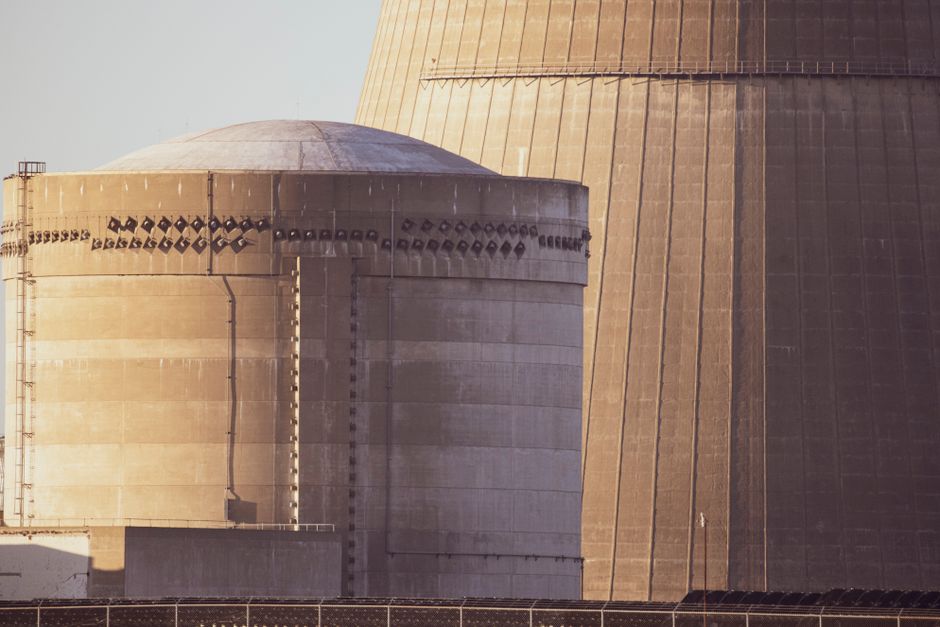
The Palisades Nuclear Plant, a 784-megawatt pressurized water reactor located in Covert, Michigan, ceased commercial operation in May 2022. Its subsequent decommissioning, overseen by Holtec, has become a benchmark for industry best practices. The speed and efficiency of the Palisades decommissioning process, particularly the swift removal of spent nuclear fuel from the reactor vessel, have garnered significant attention. This rapid defueling, achieved significantly ahead of initial projections, is a direct result of Holtec’s proprietary HI-STAR dry cask storage systems and its integrated decommissioning approach. The company’s ability to move spent fuel from the reactor pool to robust, transportable dry storage casks within months of shutdown, rather than years, drastically reduces on-site security requirements, long-term operational costs, and the overall timeline for site remediation. This contrasts sharply with historical decommissioning models that often involved lengthy storage in spent fuel pools, incurring ongoing operational expenses and posing greater long-term security considerations.
The Palisades experience has provided Holtec with invaluable, real-world data on project management, regulatory navigation, workforce deployment, and stakeholder engagement in the context of nuclear plant closure. Specifically, the company has refined its understanding of the intricate regulatory pathways required for safe and timely decommissioning under the purview of the U.S. Nuclear Regulatory Commission (NRC). This includes developing streamlined processes for obtaining necessary permits, conducting environmental impact assessments, and ensuring public transparency and acceptance. The successful execution at Palisades has validated Holtec’s comprehensive, cradle-to-grave approach to nuclear asset lifecycle management, demonstrating a capacity to manage not only the technical aspects of decommissioning but also the complex administrative and public relations challenges inherent in such large-scale projects.
One of the most significant learnings from Palisades is the critical role of advanced dry storage technology. Holtec’s HI-STAR cask system is designed for both on-site storage and eventual transportation of spent nuclear fuel. The successful loading and sealing of spent fuel assemblies into these robust casks at Palisades showcased the system’s efficiency and safety features. This technological advantage allows for the rapid transition of spent fuel from a higher-risk, actively managed environment to a passively safe, highly secure storage solution. This not only reduces the immediate financial burden on former plant owners but also significantly de-risks the site for future redevelopment or eventual greenfield status. The scalability and versatility of the HI-STAR system are key to Holtec’s broader strategy, as it can accommodate the spent fuel from a wide array of reactor designs currently operating or soon to be decommissioned across the U.S.
Beyond the technical and technological aspects, the Palisades decommissioning has provided Holtec with critical insights into optimizing workforce utilization and training. The rapid pace of operations necessitated a highly skilled and adaptable workforce. Holtec has developed robust training programs and efficient deployment strategies to ensure that qualified personnel are available when and where they are needed. This includes the ability to quickly assemble specialized teams for tasks such as dismantling reactor components, managing radioactive waste, and performing environmental remediation. The experience has also highlighted the importance of fostering strong relationships with local communities and labor organizations, ensuring a smooth transition for workers and minimizing social and economic disruption during the decommissioning phase.
The success at Palisades is directly informing Holtec’s offerings to the broader U.S. nuclear fleet. The company is actively engaging with owners of aging nuclear power plants, many of which are approaching their license expiration dates or are facing economic challenges that may lead to early shutdowns. Holtec’s integrated decommissioning services, now proven at Palisades, offer a compelling alternative to traditional, protracted decommissioning models. This includes not only rapid spent fuel management but also comprehensive dismantling, de-licensing, and site restoration services. By offering a complete package, Holtec aims to significantly reduce the financial and logistical burden on plant owners, enabling them to exit the nuclear business with greater certainty and efficiency.
Furthermore, Holtec’s learnings from Palisades are influencing its strategy for operating reactors. The company is a key provider of critical components and services for operating nuclear plants, including steam generator replacements and advanced reactor designs. The expertise gained in managing the end-of-life phase of a plant like Palisades provides a unique perspective on the entire lifecycle of nuclear technology. This understanding of the challenges associated with aging infrastructure and the demands of safe, efficient operation informs Holtec’s approach to supporting current plant operations and developing next-generation reactor technologies. The emphasis on safety, efficiency, and cost-effectiveness honed at Palisades is being directly translated into Holtec’s forward-looking initiatives.
The U.S. nuclear industry is at a pivotal moment. A significant portion of its current fleet is aging, and there is a pressing need for responsible and efficient decommissioning strategies. Simultaneously, there is a growing interest in advanced nuclear technologies, including small modular reactors (SMRs). Holtec, with its demonstrated success at Palisades, is uniquely positioned to address both of these critical needs. The company’s ability to rapidly and safely manage spent fuel, dismantle complex facilities, and restore sites is a valuable asset for existing nuclear power plant owners. Concurrently, Holtec’s development of advanced reactor designs, such as its SMR, is informed by its deep understanding of the entire nuclear lifecycle, from construction to decommissioning.
The financial implications of Holtec’s integrated decommissioning approach are substantial. By significantly shortening the time to site de-licensing and reducing long-term stewardship costs, Holtec’s model offers significant economic advantages to plant owners. This is particularly relevant for plants that may not have fully funded their decommissioning trusts over their operational lifetimes. Holtec’s ability to provide a turnkey solution that manages these liabilities can alleviate significant financial pressure and unlock opportunities for site redevelopment or alternative land use. The projected cost savings associated with Holtec’s rapid decommissioning strategy are a major selling point for utilities facing the daunting prospect of managing an aging nuclear asset.
Holtec’s vision extends beyond simply dismantling reactors. The company is committed to a philosophy of responsible stewardship, ensuring that sites are returned to a safe and usable condition with minimal environmental impact. The lessons learned at Palisades in environmental monitoring, waste management, and remediation are integral to this commitment. Holtec aims to set new standards for site restoration, transforming former nuclear power plant locations into assets that can contribute to local economies through redevelopment or by becoming available for other industrial or commercial uses. This holistic approach to nuclear asset lifecycle management is a key differentiator for Holtec in the competitive landscape of nuclear services.
The regulatory landscape for nuclear decommissioning is complex and continuously evolving. Holtec’s successful navigation of these regulations at Palisades has provided it with a deep understanding of the requirements and potential challenges. This experience is invaluable for other utilities facing similar decommissioning processes. Holtec’s proactive engagement with the NRC and its proven track record of compliance provide a level of assurance that is critical for plant owners seeking to ensure a smooth and uneventful decommissioning process. This regulatory expertise, combined with its technical capabilities, makes Holtec a trusted partner for the U.S. nuclear industry.
The future of nuclear energy in the United States will likely involve a combination of extending the life of existing reactors, the responsible decommissioning of older facilities, and the deployment of new, advanced reactor technologies. Holtec International, armed with the practical, actionable insights gained from the Palisades Nuclear Plant, is strategically positioned to play a leading role in all three of these critical areas. The company’s integrated approach, driven by technological innovation and a commitment to operational excellence, is setting a new paradigm for nuclear asset management and decommissioning, offering a clear path forward for a cleaner, more secure energy future for the nation. The reverberations of the Palisades success are now reaching across the entire U.S. nuclear reactor fleet, signaling a transformative era of efficiency and responsibility in the industry.
