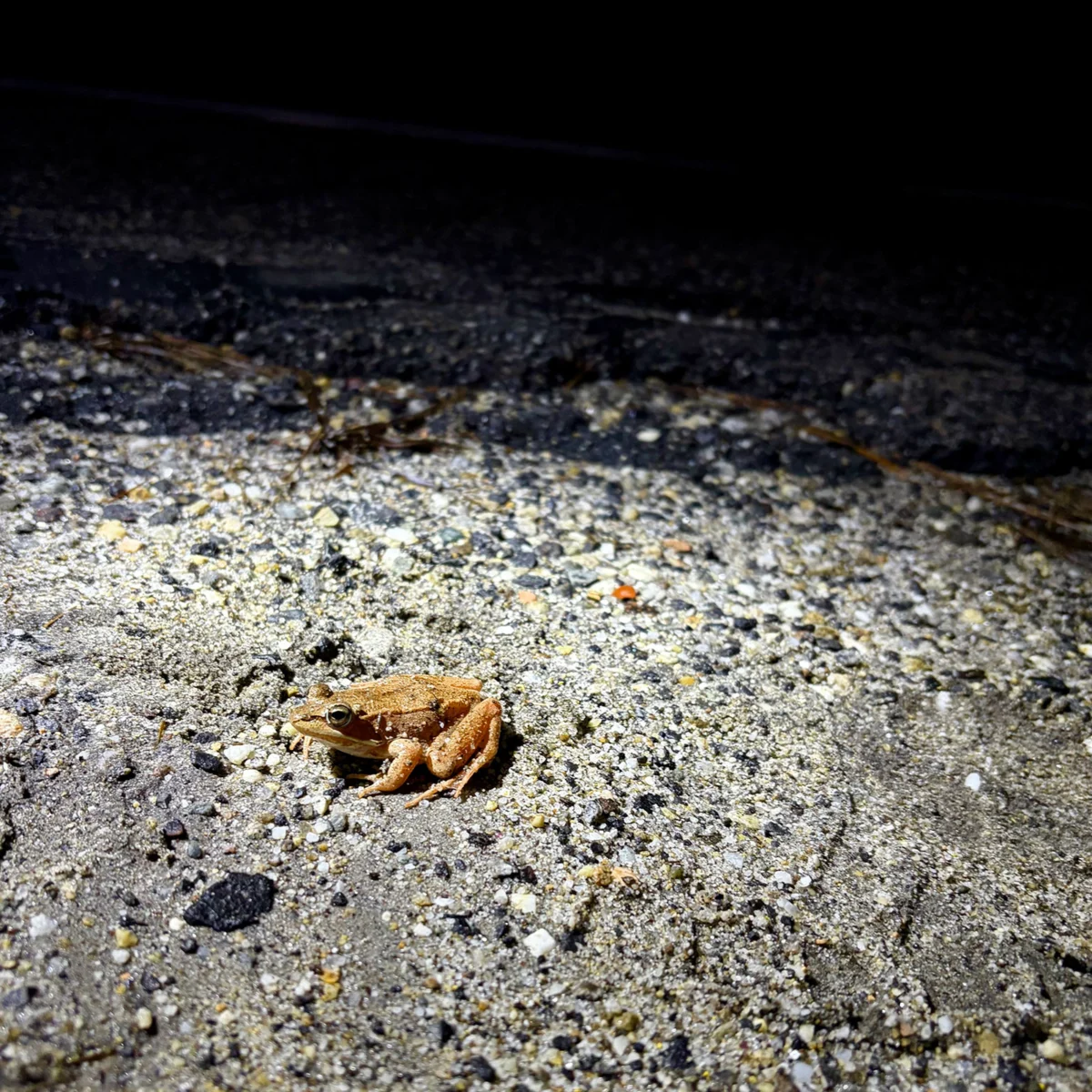
On a Tuesday night in mid-April, beneath a sky mottled with heavy clouds, a slick stretch of road in Cumberland, Maine, became the stage for one of nature’s most frantic and fragile spectacles. As the sun dipped below the horizon and a steady spring rain began to splatter the pavement, the quiet rural landscape erupted in sound. It began with a few high-pitched chirps, reminiscent of the coos of newborn chicks, but within minutes, hundreds more joined a chorus punctuated by the low, rhythmic clucks of wood frogs. This auditory explosion signaled the arrival of the Big Night, an annual mass migration where thousands of amphibians emerge from their subterranean winter burrows to seek out the vernal pools of their birth.
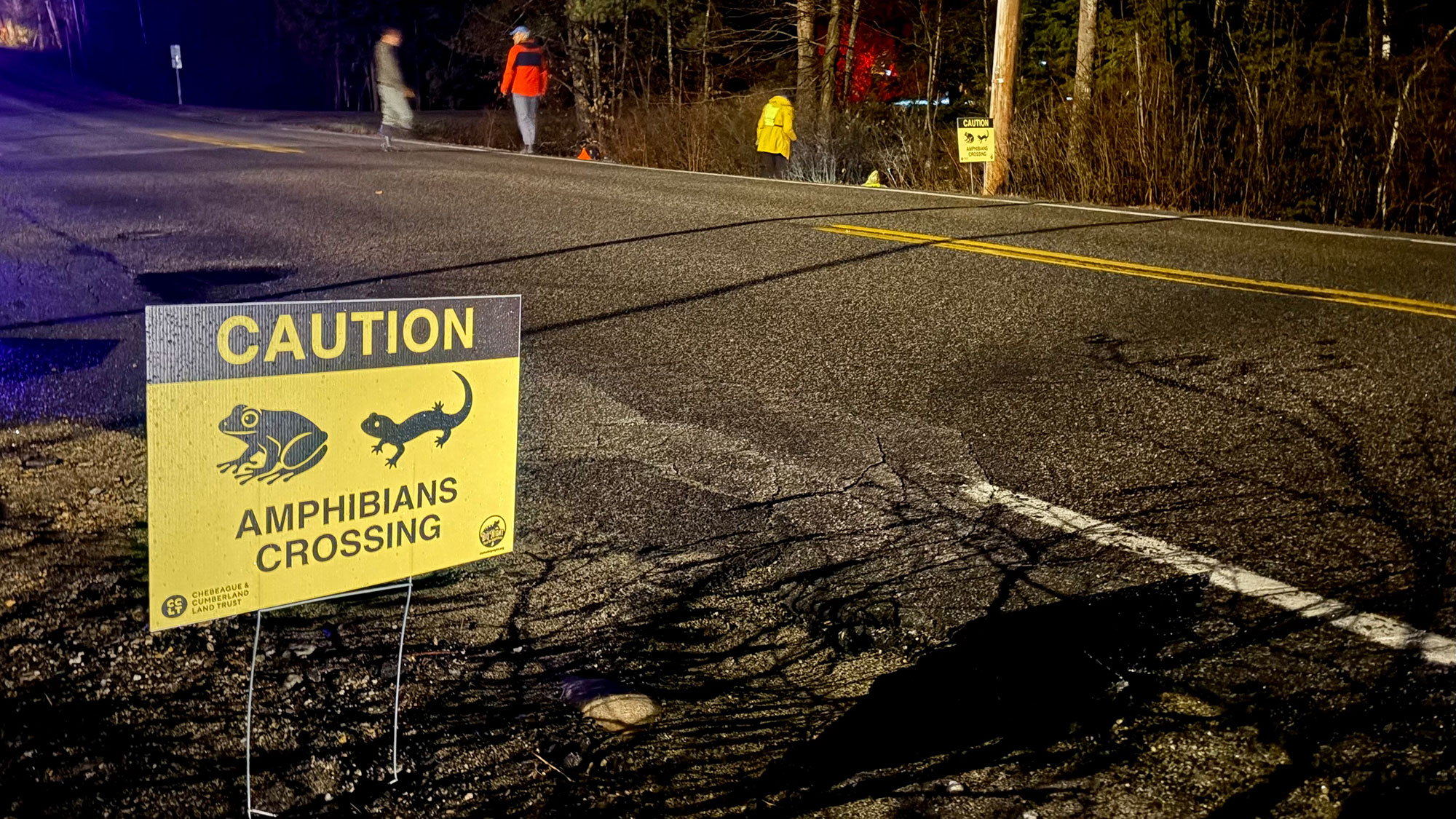
The scene in Cumberland was mirrored across the state. On the road’s shoulder, cars pulled over and doors swung open, spilling out volunteers clad in neon safety vests and armed with high-powered flashlights. These individuals, ranging from young children in yellow raincoats to retirees and college students, fanned out across the asphalt. They spoke in raised voices to be heard over the din of the frogs and the falling rain, their movements coordinated and purposeful. This was not merely a rescue mission; it was a large-scale data collection effort aimed at preserving the biodiversity of New England in the face of rapid environmental change.
The Phenomenon of the Big Night
The Big Night is a biological event triggered by a specific set of environmental conditions: the ground must be thawed, the air temperature must typically remain above 40 degrees Fahrenheit, and there must be significant rainfall. For species like the yellow-spotted salamander and the wood frog, these conditions serve as an ancient alarm clock. Having spent the winter in a state of semi-torpor beneath the forest floor or under leaf litter, they emerge in a singular, desperate "maelstrom" to reach seasonal wetlands known as vernal pools.
Vernal pools are essential to this cycle. These are temporary bodies of water that fill with snowmelt and spring rain but typically dry up by late summer. Because they are ephemeral, they do not support fish populations, making them a safe haven for amphibian eggs and larvae that would otherwise be predated. The migration is a race against time and the elements. The animals follow the same ancestral routes year after year, undulated through the brush and hopping across any obstacles in their path—most notably, the sprawling network of human-built roads that now bisect their habitats.
From Crossing Guards to Citizen Scientists
For decades, local naturalists acted as informal crossing guards, shepherding individual frogs and salamanders across dangerous roads. However, the formation of the nonprofit organization Maine Big Night (MBN) in 2018 transformed these localized efforts into a sophisticated citizen science project. Led by Greg LeClair, a municipal planning biologist for the Maine Department of Inland Fisheries and Wildlife, the organization has standardized the way volunteers interact with and record these migrations.
In 2024, the scope of the project reached unprecedented levels. More than 1,200 certified observers monitored 650 migration sites across the state. Volunteers are now required to go beyond simple rescue; they must meticulously document every encounter. On the night of April 14, observers in Cumberland identified 10 different species, including over 100 spring peepers, 34 wood frogs, and 18 spotted salamanders. The data collection includes species type, the number of live individuals successfully assisted, and, crucially, the number of "mortalities"—animals killed by passing vehicles.
The shift toward data-driven conservation is a response to the economic and political realities of infrastructure management. As LeClair noted, while the public is generally aware of large-animal collisions involving deer or moose due to insurance claims, there is virtually no official record of the millions of amphibians killed on roads annually. Without hard data, it is nearly impossible to secure the funding necessary for mitigation efforts like specialized culverts or wildlife fencing.
The Impact of Infrastructure and Innovative Solutions
The data collected by Maine Big Night is already influencing municipal policy and infrastructure design. In Orono, Maine, data from previous years revealed a staggering mortality rate: eight out of every ten amphibians attempting to cross at the town’s most ecologically diverse site were being killed by motorists. This evidence allowed Maine Big Night to collaborate with city officials to secure grants for the installation of specialized fencing and cameras. This fencing is designed to guide animals toward existing culverts, allowing them to pass safely beneath the road rather than over it.
The economic implications of this data are significant. Traditional "eco-passages" or specialized wildlife culverts can cost tens of thousands of dollars to design and install. However, the cameras in Orono have already captured images of frogs and salamanders utilizing existing, standard culverts when guided by inexpensive fencing. If this method proves effective on a larger scale, it could provide a cost-effective blueprint for towns across the country to protect local wildlife without overextending their budgets.
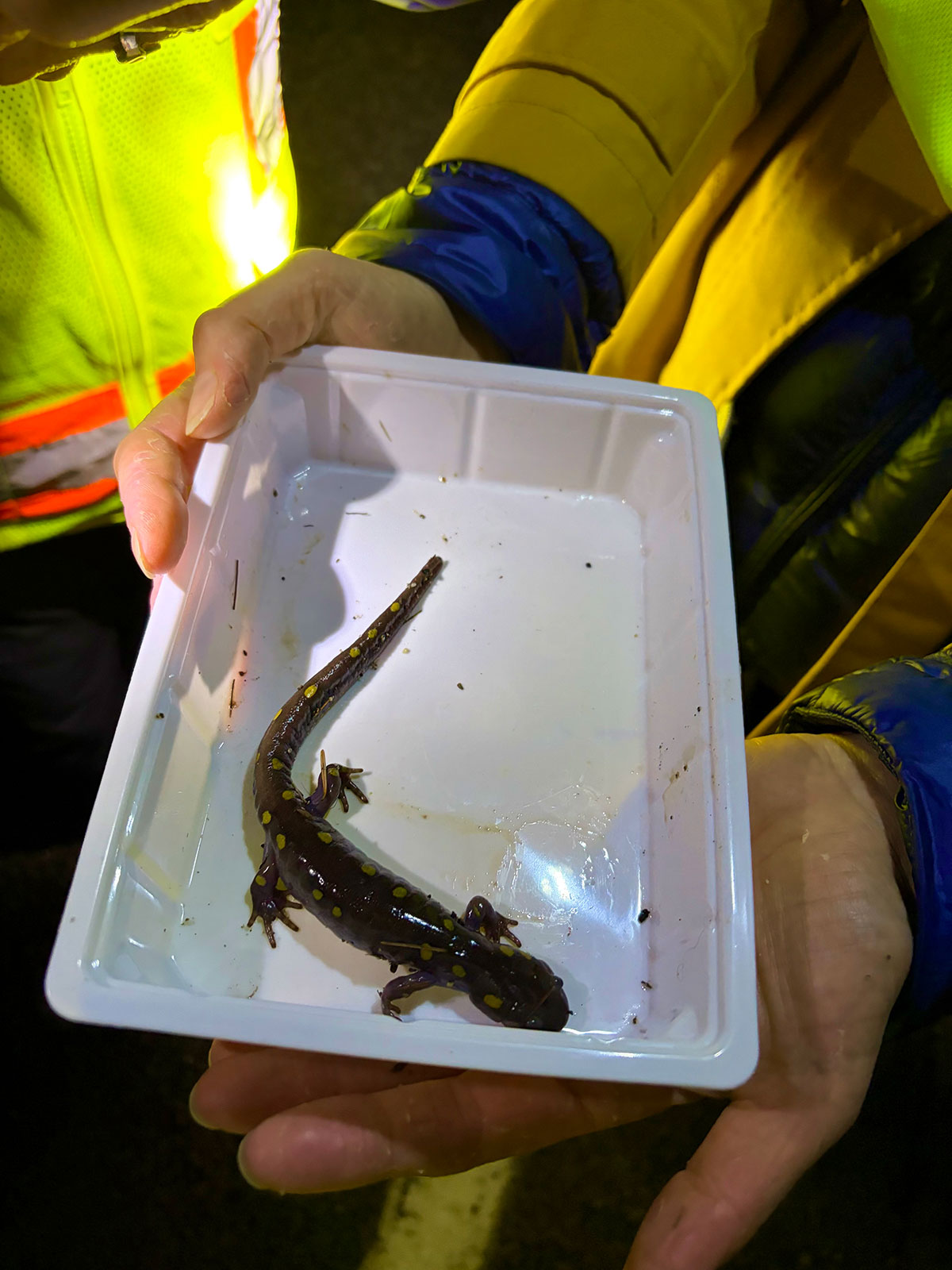
Furthermore, the data has highlighted secondary threats, such as the impact of road salt. Volunteers began reporting rising numbers of amphibians with edema—a condition where fluid builds up in the body tissues—which has been linked to the high salinity of runoff from winter road deicing. In response, some conservation groups have advocated for alternative deicing methods, including the use of organic solutions like pickle juice, which can lower the freezing point of water with less toxic impact on the surrounding soil and water.
Climate Change and the Scrambling of Ancient Rhythms
While roads present an immediate physical threat, climate change represents a systemic challenge to the survival of these species. The timing of the Big Night is becoming increasingly unpredictable. Historically, the migration occurred in a concentrated window in late March or early April. Now, fluctuating winter temperatures and erratic precipitation patterns are "scrambling" the trek.
Warmer winters with dwindling snowpack are particularly dangerous. Snow acts as an insulator; without it, a sudden deep freeze can penetrate the soil and kill hibernating amphibians. Conversely, unseasonably warm days in February or March can trick animals into emerging too early. If they are caught out in the open when freezing temperatures return, the results are catastrophic.
Additionally, the vernal pools themselves are at risk. Shorter winters and longer, hotter springs can cause these pools to evaporate before the larvae have had time to develop into air-breathing adults. This leads to a total loss of the year’s reproductive effort. On the biological front, a warming climate also facilitates the spread of the chytrid fungus (Batrachochytrium dendrobatidis), a deadly pathogen that infects the skin of amphibians, impairing their ability to breathe and regulate electrolytes.
The Ecological Stakes: A Foundation of the Food Web
The effort to save a nine-inch yellow-spotted salamander or a thumb-sized spring peeper may seem small in the context of global environmental crises, but these creatures are foundational to the New England ecosystem. Sally Stockwell of Maine Audubon emphasizes that amphibians represent a massive portion of the forest biomass. They serve as a vital bridge in the food chain, converting the energy of small invertebrates into a food source for larger predators.
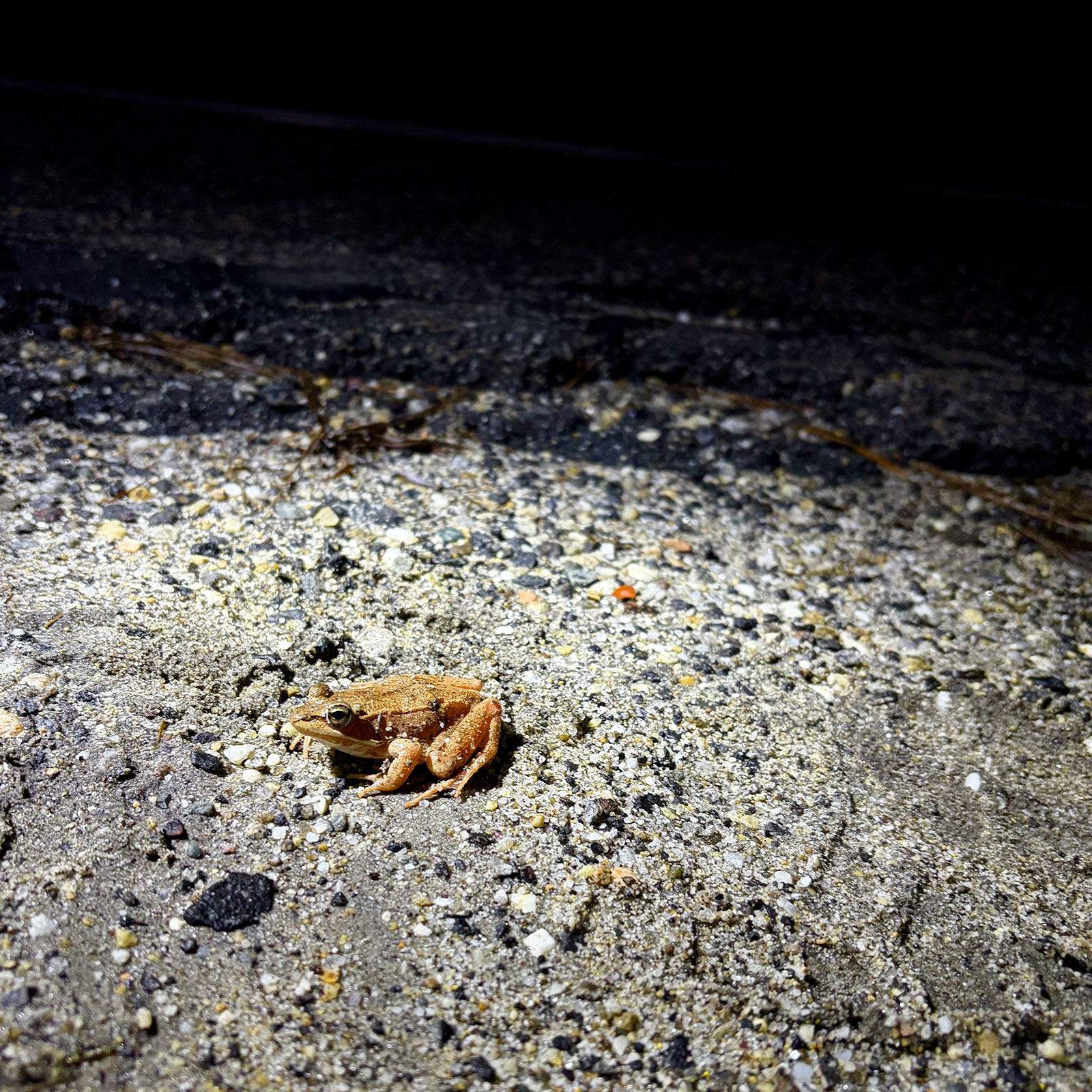
The eggs, larvae, and adult forms of these amphibians sustain a wide variety of wildlife, including owls, herons, foxes, minks, and even moose. The loss of these species would create a "trickle-down" effect, destabilizing the entire food web. Because amphibians are highly sensitive to changes in water quality and temperature, they are often considered "indicator species"—their health or decline provides an early warning system for the overall health of the environment.
Chronology of a Migration Season
The 2024 migration season in Maine provides a clear timeline of how these events unfold:
- Late March: Initial thaws and early rains prompted "scout" migrations in southern Maine, though many animals remained underground due to lingering frost in northern counties.
- Early April: A series of minor rain events saw sporadic movement, but temperatures remained too low for a full-scale "Big Night."
- April 14: The primary migration event occurred across much of the state. Heavy rains and temperatures in the mid-40s created the ideal conditions. This was the night of peak volunteer activity in Cumberland and Orono.
- Mid-to-Late April: Follow-up migrations occurred as late-emerging species, such as the American toad, began their trek toward permanent water bodies.
- May: Volunteers transition from road patrols to egg mass counting in vernal pools to assess the success of the breeding season.
Conclusion: A Community Committed to Survival
As the clock neared midnight on that rainy Tuesday in Cumberland, the volunteers began to pack up their gear. The road, once a site of potential carnage, had been transformed into a corridor of safe passage. The data gathered—noted on soggy clipboards and uploaded to digital databases—will serve as the foundation for future conservation strategies and municipal planning.
The success of Maine Big Night demonstrates the power of community-based science. By engaging citizens in the act of data collection, the organization has not only saved thousands of individual lives but has also fostered a deeper public understanding of the intricate connections between human infrastructure and the natural world. In the face of a changing climate, these "guardians of the night" are ensuring that the ancient chorus of the vernal pools continues to herald the arrival of spring for generations to come.