Energy Investments: A Comprehensive Guide to Sector Opportunities
Category energy investments encompass a broad spectrum of financial vehicles and strategies targeting companies and projects within the global energy sector. This sector is foundational to modern economies, providing the power and resources necessary for industrial activity, transportation, and daily life. Understanding the nuances of energy investments is crucial for portfolio diversification, long-term wealth creation, and capitalizing on evolving market dynamics. The energy landscape is characterized by inherent volatility, driven by geopolitical events, technological advancements, regulatory shifts, and fluctuating demand. Consequently, investors must adopt a strategic and informed approach. This article delves into the various sub-sectors within energy investments, explores different investment vehicles, and outlines key considerations for navigating this complex yet potentially lucrative market.
The energy sector itself can be broadly segmented into several key sub-categories, each with distinct investment characteristics and risk profiles. Fossil Fuels remain a dominant force, encompassing the exploration, production, refining, and distribution of oil, natural gas, and coal. Investments in this area often involve companies engaged in upstream activities (exploration and production), midstream operations (transportation and storage), and downstream processes (refining and marketing). While historically a cornerstone of energy portfolios, fossil fuel investments are increasingly scrutinized due to environmental concerns and the global transition towards cleaner energy sources. However, they continue to offer substantial returns, particularly during periods of high commodity prices, and remain critical for meeting current global energy demand.
Within fossil fuels, Oil and Gas investments are the most prominent. This sub-sector includes integrated supermajors, independent exploration and production companies, oilfield service providers, and master limited partnerships (MLPs) specializing in midstream infrastructure. Investing in oil and gas can provide exposure to the direct price of crude oil and natural gas, making it sensitive to global supply and demand balances, OPEC+ decisions, and geopolitical stability in oil-producing regions. Technological advancements in extraction, such as hydraulic fracturing and horizontal drilling, have significantly reshaped the industry, opening up new reserves and altering cost structures.
Coal investments, while declining in many developed nations due to environmental regulations and the rise of natural gas and renewables, still represent a significant portion of the global energy mix, particularly in emerging economies. Companies involved in coal mining, transportation, and power generation using coal are part of this segment. Investment in coal is often considered higher risk due to its environmental impact and declining long-term prospects in many markets, though cyclical upturns can occur.
A rapidly growing and increasingly vital segment of category energy investments is Renewable Energy. This encompasses a diverse range of technologies designed to harness naturally replenishing resources. Solar energy investments focus on companies involved in solar panel manufacturing, solar farm development and operation, and related technologies like energy storage. The cost of solar technology has plummeted in recent decades, making it increasingly competitive with traditional energy sources, driving substantial growth in this sub-sector.
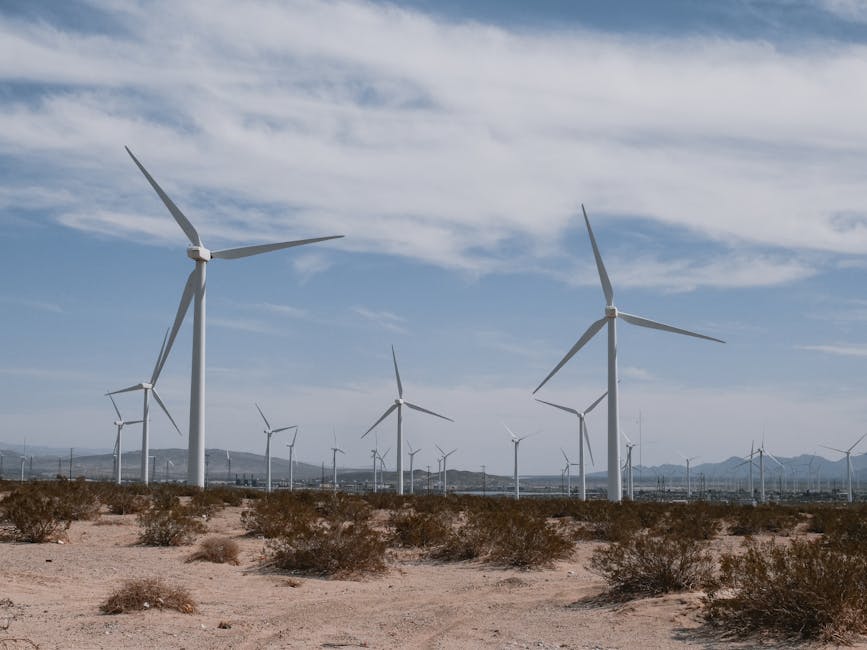
Wind energy investments target companies that manufacture wind turbines, develop wind farms (both onshore and offshore), and provide maintenance services. Offshore wind, in particular, is experiencing significant growth due to higher and more consistent wind speeds. Similar to solar, the economics of wind power have improved dramatically, making it a compelling investment opportunity.
Hydropower investments involve companies that operate hydroelectric dams and associated infrastructure. While large-scale hydro projects are mature, smaller-scale and pumped-storage hydropower projects continue to be developed.
Geothermal energy investments focus on companies that utilize the Earth’s internal heat for electricity generation or direct heating and cooling. This is a more niche but potentially stable energy source, particularly in geologically active regions.
Biomass energy investments involve companies that convert organic matter (such as agricultural waste, wood, or dedicated energy crops) into heat or electricity. This sector is closely linked to agriculture and forestry.
Beyond generation, Energy Storage is a critical enabler for renewable energy integration. Investments in this area target companies developing and manufacturing batteries (lithium-ion, flow batteries, etc.), pumped hydro storage, and other advanced storage solutions. The intermittency of solar and wind power necessitates efficient and scalable storage to ensure grid stability and reliability, making energy storage a high-growth investment theme.
Nuclear energy represents another, albeit controversial, source of low-carbon power. Investments can be made in companies involved in the construction, operation, and decommissioning of nuclear power plants, as well as those developing advanced reactor technologies. While nuclear power offers significant baseload generation capacity with minimal greenhouse gas emissions, concerns regarding safety, waste disposal, and proliferation remain significant.
Energy Efficiency and Technology is a crucial, often overlooked, category. This segment includes companies that develop and implement technologies and services aimed at reducing energy consumption. This can range from smart grid technologies, advanced insulation materials, and energy management software to more efficient lighting and appliance manufacturers. Investing in energy efficiency is not only environmentally beneficial but can also lead to significant cost savings for businesses and consumers, creating a strong demand for these solutions.
Infrastructure plays a vital role across all energy sub-sectors. Investments in energy infrastructure can include pipelines for oil and gas, transmission and distribution lines for electricity, liquefied natural gas (LNG) terminals, electric vehicle charging networks, and port facilities for renewable energy components. These assets often operate under long-term contracts, providing stable cash flows and insulation from commodity price volatility, making them attractive for income-focused investors.
Investors can gain exposure to category energy investments through various financial instruments. Publicly Traded Stocks of energy companies are the most common. These range from large, integrated multinational corporations to smaller, specialized producers and technology providers. Stock prices are influenced by company performance, commodity prices, regulatory changes, and broader market sentiment.
Exchange-Traded Funds (ETFs) offer a diversified approach to energy investing. Energy sector ETFs track specific indices or investment strategies within the energy market, providing exposure to a basket of stocks. There are ETFs focused on broad energy markets, specific sub-sectors like oil and gas exploration, renewable energy, or even specific clean energy technologies. This allows investors to gain diversified exposure without the need to select individual stocks.
Mutual Funds also provide diversified exposure to the energy sector. Like ETFs, they pool investor capital to invest in a portfolio of energy-related securities, managed by professional fund managers.
Bonds issued by energy companies or governments for energy projects can also be an investment option, offering a more conservative approach with fixed income returns. High-yield bonds from energy companies can offer higher yields but come with increased risk.
Master Limited Partnerships (MLPs) are primarily found in the midstream oil and gas sector in the United States. MLPs are publicly traded partnerships that pass through income to unitholders, often providing attractive yields. However, they have a unique tax structure and are subject to specific regulatory considerations.
Private Equity and Venture Capital funds offer opportunities for accredited investors to invest in private energy companies and early-stage technologies. These investments typically have higher risk profiles but can offer substantial returns if successful. Venture capital is particularly active in the renewable energy and clean technology space, funding innovative solutions.
Commodity Futures and Options allow investors to speculate on the future price movements of energy commodities like crude oil, natural gas, and refined products. These are complex instruments suitable for sophisticated investors with a high-risk tolerance due to their leverage and potential for rapid losses.
When considering category energy investments, several key factors warrant careful evaluation. Commodity Price Volatility is inherent in many energy sub-sectors, particularly oil and gas. Geopolitical events, supply disruptions, economic growth, and technological innovations all contribute to price fluctuations, directly impacting the profitability of energy companies.
Regulatory and Policy Landscape is a critical driver of change in the energy sector. Government policies related to environmental protection, carbon emissions, renewable energy subsidies, and energy security significantly influence investment decisions and the long-term viability of different energy sources. The global push towards decarbonization and net-zero emissions is fundamentally reshaping the regulatory environment.
Technological Advancements are continuously transforming the energy sector. Innovations in extraction technologies for fossil fuels, the efficiency and cost reduction of renewable energy systems, the development of advanced battery storage, and the emergence of hydrogen as a fuel source all present both opportunities and threats to existing business models. Investors must stay abreast of these developments.
Environmental, Social, and Governance (ESG) Factors are increasingly important for energy investors. Companies with strong ESG performance are often viewed as more sustainable and less risky in the long term. Investors are scrutinizing the environmental impact of operations, labor practices, and corporate governance. The "E" in ESG is particularly relevant to energy companies, with a focus on emissions reduction, pollution control, and resource management.
Geopolitical Risks cannot be overstated in the energy sector. Many significant energy reserves and supply routes are located in politically unstable regions. Conflicts, sanctions, and changes in international relations can lead to supply disruptions, price spikes, and significant investment risk.
Infrastructure Development and Modernization is essential for reliable energy delivery. Investments in upgrading and expanding energy grids, pipelines, and storage facilities are crucial for meeting growing demand and integrating new energy sources. The transition to a greener economy requires substantial investment in new, resilient infrastructure.
Diversification within the energy sector and across other asset classes is paramount. Given the inherent volatility and specific risks associated with energy investments, it is crucial not to concentrate a portfolio solely within this category. Spreading investments across different energy sub-sectors (e.g., a mix of fossil fuels and renewables) and other industries can mitigate risk.
In conclusion, category energy investments offer a wide array of opportunities for investors seeking exposure to a fundamental and evolving global industry. From traditional fossil fuels to cutting-edge renewable technologies, the energy landscape is dynamic. A thorough understanding of the sub-sectors, investment vehicles, and the myriad of influencing factors – including commodity prices, regulations, technological innovation, and geopolitical events – is essential for making informed and potentially profitable investment decisions. As the world navigates the complex transition towards a more sustainable energy future, strategic allocation within category energy investments will continue to be a critical component of diversified investment portfolios.