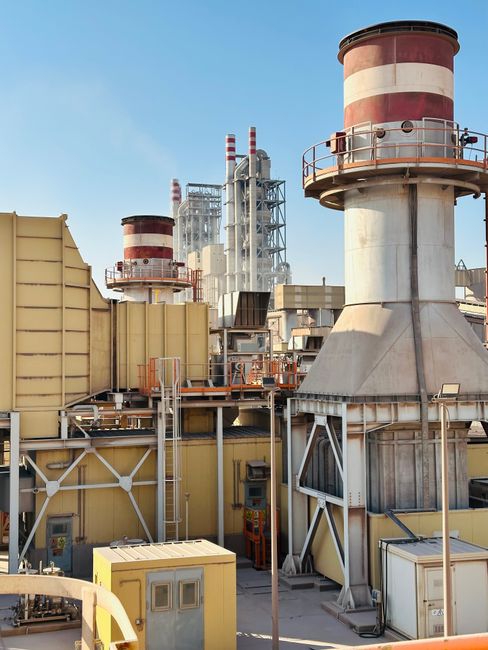
The Energy Industry: Powering the Modern World
The energy industry is a colossal and multifaceted sector responsible for the extraction, production, transformation, and distribution of energy resources. Its operations are fundamental to modern civilization, powering homes, businesses, transportation, and virtually every aspect of daily life. This industry is characterized by its immense scale, complex global supply chains, significant capital investment, and a constant interplay between technological innovation, economic forces, and environmental considerations. Understanding the energy industry necessitates an exploration of its diverse sub-sectors, the technologies that drive them, the evolving market dynamics, and the critical challenges it faces, particularly concerning sustainability and the transition to cleaner energy sources.
The foundational elements of the energy industry are its primary resource categories: fossil fuels, nuclear energy, and renewable energy. Fossil fuels, including coal, oil, and natural gas, have historically dominated the global energy mix due to their high energy density and relative abundance. Coal, a solid combustible sedimentary rock, is primarily used for electricity generation and industrial processes, though its significant carbon emissions are a major environmental concern. Oil, a liquid hydrocarbon, is a crucial feedstock for transportation fuels, petrochemicals, and a variety of industrial products. Natural gas, a gaseous hydrocarbon, is increasingly favored for its lower carbon footprint compared to coal and oil, finding extensive use in power generation, heating, and as a clean-burning industrial fuel. The extraction of these fossil fuels involves complex and often geographically specific operations, ranging from surface mining for coal to deep-sea drilling for oil and gas. The global infrastructure for transporting and processing these resources – including pipelines, tankers, refineries, and processing plants – represents a significant portion of the industry’s capital investment.
Nuclear energy, derived from the fission of radioactive elements, primarily uranium, offers a low-carbon source of electricity generation. Nuclear power plants operate with a high capacity factor, providing a reliable baseload power supply. However, concerns regarding nuclear waste disposal, reactor safety, and the potential for proliferation of nuclear materials present significant challenges to its widespread adoption and expansion. The operational complexity and stringent safety regulations associated with nuclear power plants necessitate specialized expertise and substantial upfront capital investment.
Renewable energy sources, by contrast, are naturally replenished and offer a sustainable alternative to finite fossil fuels. Solar energy harnesses the power of sunlight through photovoltaic (PV) panels or concentrated solar power (CSP) systems to generate electricity. Wind energy captures the kinetic energy of moving air using wind turbines, also for electricity generation. Hydropower, one of the oldest forms of renewable energy, utilizes the flow of water to drive turbines. Geothermal energy taps into the Earth’s internal heat for direct heating or electricity generation. Biomass energy involves the combustion of organic matter to produce heat or electricity. The growth of renewable energy has been spurred by declining technology costs, supportive government policies, and increasing awareness of climate change. However, the intermittent nature of solar and wind power, requiring advanced energy storage solutions and grid modernization, remains a key area of development.
The energy industry is not merely about resource extraction and conversion; it encompasses a vast and intricate network of transformation and distribution. Refining crude oil into usable fuels like gasoline, diesel, and jet fuel is a cornerstone of the oil and gas sector. Natural gas undergoes processing to remove impurities and is then transported through extensive pipeline networks to reach consumers. Electricity, generated from various sources, is transmitted over high-voltage power lines and distributed through local grids to end-users. This intricate system requires constant monitoring, maintenance, and significant investment in infrastructure to ensure reliable and safe delivery of energy. The grid itself is undergoing a profound transformation, moving towards a more decentralized and intelligent system capable of managing diverse energy inputs and bidirectional power flow.
Technological advancements are a constant driver of evolution within the energy industry. In the fossil fuel sector, innovations in drilling techniques, such as hydraulic fracturing and horizontal drilling, have unlocked vast reserves of previously inaccessible oil and natural gas, significantly impacting global supply dynamics and prices. Carbon capture, utilization, and storage (CCUS) technologies are being developed to mitigate the environmental impact of fossil fuel combustion. For nuclear energy, advancements in reactor design, such as small modular reactors (SMRs), aim to improve safety, efficiency, and cost-effectiveness. The renewable energy sector has witnessed dramatic cost reductions in solar PV panels and wind turbines, making them increasingly competitive with traditional energy sources. Breakthroughs in battery storage technology are crucial for addressing the intermittency of renewables, enabling the storage of excess energy for use when generation is low. Furthermore, the development of smart grid technologies, including advanced metering infrastructure and demand-side management systems, is essential for integrating distributed renewable energy sources and improving grid efficiency.
The economic landscape of the energy industry is characterized by global price volatility, significant capital expenditures, and complex market structures. The prices of oil, natural gas, and coal are influenced by a confluence of factors, including geopolitical events, supply and demand dynamics, technological advancements, and global economic growth. Large-scale infrastructure projects, such as new power plants, pipelines, and offshore wind farms, require substantial upfront investment, often involving public-private partnerships and long-term financing. The industry is also subject to various regulatory frameworks, including environmental standards, safety regulations, and energy market policies, which can significantly influence investment decisions and operational strategies. The increasing emphasis on decarbonization has led to the development of carbon pricing mechanisms, such as carbon taxes and emissions trading schemes, which are reshaping economic incentives within the industry.
The energy industry is at the forefront of addressing one of the most pressing challenges of our time: climate change. The combustion of fossil fuels is the primary driver of greenhouse gas emissions, contributing to global warming and its associated environmental impacts. Consequently, there is a global imperative to transition towards a low-carbon energy future. This transition involves a multi-pronged approach, including:
Decarbonization of the Electricity Sector: This entails a rapid shift away from coal and natural gas power plants towards renewable energy sources like solar, wind, and hydropower. The development of advanced energy storage solutions and grid modernization are crucial to ensure the reliability of a grid dominated by intermittent renewables. Nuclear power, with its low operational emissions, also plays a role in this transition, though its expansion is subject to ongoing public and political debate.
Electrification of Transportation: A significant portion of energy consumption is dedicated to transportation, primarily reliant on internal combustion engine vehicles fueled by gasoline and diesel. The widespread adoption of electric vehicles (EVs), powered by electricity generated from increasingly cleaner sources, is a key strategy for reducing emissions in this sector. Investment in EV charging infrastructure and the development of advanced battery technologies are critical enablers of this transition.
Decarbonization of Industrial Processes: Many industrial processes, such as cement and steel production, are energy-intensive and often rely on fossil fuels for heat and power. Developing and deploying low-carbon alternatives, including the use of green hydrogen, electrification powered by renewable electricity, and the implementation of CCUS technologies, are essential for decarbonizing industry.
Energy Efficiency and Conservation: Reducing overall energy demand through improved energy efficiency in buildings, industry, and transportation is a cost-effective and vital component of the energy transition. This includes better insulation, more efficient appliances, optimized industrial processes, and promoting behavioral changes that lead to lower energy consumption.
Development of Emerging Energy Technologies: The industry is actively investing in and developing a range of emerging energy technologies. Green hydrogen, produced through electrolysis powered by renewable electricity, has the potential to decarbonize hard-to-abate sectors and serve as an energy storage medium. Advanced biofuels and synthetic fuels are also being explored as alternatives to fossil fuels, particularly in sectors where electrification is challenging. Fusion energy research, though still in its early stages, holds the promise of a nearly limitless and inherently safe source of clean energy.
The geopolitical implications of the energy industry are profound and far-reaching. Historically, access to and control over energy resources have been major drivers of international relations, trade, and conflict. Countries with significant fossil fuel reserves have wielded considerable economic and political influence. The ongoing energy transition, however, is reshaping these dynamics. The rise of renewable energy is leading to a more diversified and decentralized energy landscape, potentially reducing reliance on specific regions for fuel supply. This shift also presents new opportunities and challenges for international cooperation, resource management, and the development of new supply chains for critical minerals used in renewable energy technologies. Ensuring a secure and equitable energy future for all nations will require careful consideration of these evolving geopolitical realities.
In conclusion, the energy industry is a complex, dynamic, and critically important sector undergoing a profound transformation. Its evolution is driven by the need to meet growing global energy demands while simultaneously addressing the urgent imperative of climate change. The industry’s future lies in a diversified portfolio of energy sources, with a significant and accelerating shift towards renewables, coupled with advancements in energy efficiency, storage, and grid modernization. Navigating this transition successfully will require sustained innovation, substantial investment, robust policy frameworks, and unprecedented international collaboration to power the world sustainably and equitably for generations to come.