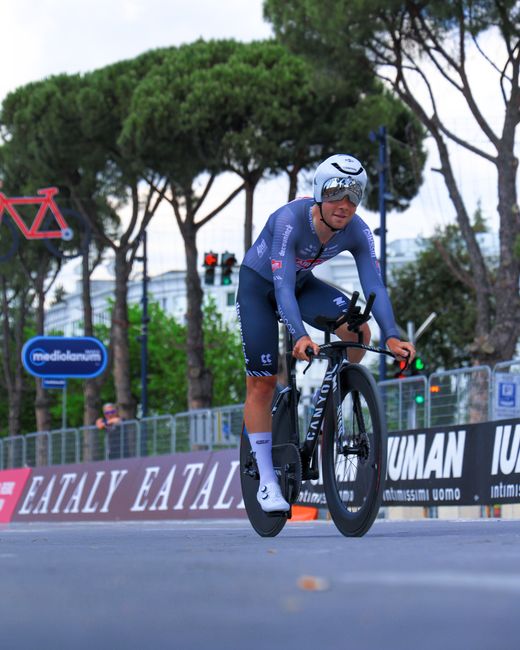
Del Toro Proud, Happy Despite Relinquishing Giro Lead; Yates Ascends as New Leader
Alejandro Valverde, a seasoned veteran of the peloton, has expressed a profound sense of pride and satisfaction despite conceding the maglia rosa, the coveted leader’s jersey, of the Giro d’Italia. His team, Movistar, has showcased exceptional tactical acumen and unwavering support throughout the demanding stages of the Corsa Rosa, contributing to Valverde’s strong performance. While the focus of many will inevitably shift to the new wearer of the pink jersey, Simon Yates of Mitchelton-Scott, Valverde’s composure and positive outlook are testaments to his experience and understanding of the Grand Tour’s unpredictable nature. The relinquishing of the lead is not viewed as a defeat but rather a strategic repositioning within the complex chess match of a three-week race. Valverde’s immediate post-stage comments emphasized the team’s collective effort and the overall satisfaction of being in contention for the general classification. He highlighted the importance of maintaining morale and focus, recognizing that the Giro is far from over and that opportunities for further gains will undoubtedly arise. The Spaniard, a rider known for his resilience and tactical intelligence, has consistently demonstrated his ability to perform at the highest level, even as he approaches the twilight of his illustrious career. His presence at the forefront of a Grand Tour for such an extended period is a remarkable achievement, underscoring his enduring class and dedication to the sport. The pride he feels stems not solely from holding the lead, but from the process, the hard work, and the competitive spirit exhibited by himself and his teammates.
Simon Yates, on the other hand, is now the focal point of the Giro d’Italia, having seized the maglia rosa with a masterful performance that showcased both his climbing prowess and his tactical astuteness. The young British rider, representing the Australian-based Mitchelton-Scott team, has steadily climbed the general classification, demonstrating remarkable consistency and a growing confidence throughout the race. Yates’ ascent to the leadership is a significant moment for both him and his team, marking a potential career-defining achievement. His aggressive riding style and his ability to thrive in the high mountains have been key factors in his success. The tactical decisions made by his team, combined with his own exceptional physical capabilities, have allowed him to overcome a strong field of rivals, including experienced Grand Tour contenders. Yates’ demeanor following the stage where he claimed the lead was a mixture of elation and a determined focus on the challenges that lie ahead. He acknowledged the hard work of his teammates and the strategic planning that has gone into their Giro campaign. The pressure of leading a Grand Tour is immense, and Yates has so far navigated it with maturity and a clear understanding of the demands of the race. His victory in a key mountain stage, where he dropped significant time on his rivals, was particularly impressive and served as a clear statement of intent. The pink jersey represents a culmination of years of dedication and development, and Yates appears ready to embrace the responsibility that comes with being the rider to beat in this year’s Giro. His continued presence at the front of the race will undoubtedly be a major storyline as the Giro progresses towards its conclusion.
The tactical nuances of the Giro d’Italia are often magnified in the mountain stages, and this year’s race has been no exception. The battle for the maglia rosa is a complex interplay of individual strength, team strategy, and an understanding of the race’s unforgiving terrain. Valverde’s Movistar team has executed a well-defined plan, aiming to conserve energy in the early stages while positioning themselves for key challenges later in the race. Their strategy has focused on consistent performances and minimizing losses on difficult days, a hallmark of experienced Grand Tour teams. The team’s ability to protect Valverde on the flats and in undulating terrain, while also supporting him in the climbs, has been crucial to his sustained presence at the top. However, the unpredictable nature of cycling means that even the most meticulous plans can be disrupted. Yates’ emergence as a contender, and now leader, highlights the importance of adaptability and seizing opportunities. Mitchelton-Scott’s aggressive approach, particularly in the decisive mountain stages, has proven highly effective. They have showcased a willingness to attack and test their rivals, creating moments of significant time gains. The dynamic between Valverde and Yates, as seasoned veteran and rising star, represents a fascinating narrative within the broader context of the Giro.
The significance of the maglia rosa extends beyond mere statistics; it embodies the spirit of endurance, determination, and strategic brilliance that defines professional cycling. For Alejandro Valverde, the pride he feels in his performances, even without the jersey, is a testament to his enduring passion for the sport and his commitment to racing at the highest level. His career is a masterclass in longevity and consistent high-level performance, making him a respected figure among his peers and a source of inspiration for aspiring cyclists. The years of dedication, the countless training hours, and the unwavering focus on his craft are all reflected in his current standing within the race. He understands that the Giro is a journey, not a destination, and that opportunities for success can emerge at any point. His calm demeanor and positive outlook in the face of shifting race dynamics are indicative of his vast experience and his ability to remain focused on the ultimate goal. He is a rider who understands the ebb and flow of a Grand Tour, and his team’s strategy is designed to exploit these fluctuations to their advantage. The pride he derives from his team’s efforts and his own ability to compete at the sharp end of the race is a powerful motivator.
Simon Yates’ journey to the maglia rosa has been a remarkable ascent, marked by a series of strong performances that have steadily elevated his profile in the cycling world. His victory in a crucial mountain stage, where he showcased exceptional climbing ability and tactical foresight, was a pivotal moment in the race. This performance not only propelled him into the lead but also sent a clear message to his rivals that he is a serious contender for overall victory. Yates’ team, Mitchelton-Scott, has played an integral role in his success, providing him with unwavering support and executing intelligent tactical maneuvers. Their strategy has been characterized by boldness and a willingness to take risks, which has paid dividends in the demanding terrain of the Giro. The young British rider has demonstrated a remarkable level of maturity and resilience, adapting to the pressures of Grand Tour racing and consistently performing at his peak. The pink jersey represents a significant milestone in his burgeoning career, and he is now tasked with defending it through the remaining stages of the race. His current form and the strength of his team suggest that he is well-equipped to handle this challenge.
The battle for the Giro d’Italia is a testament to the multifaceted nature of professional cycling. It requires not only exceptional physical attributes but also strategic acumen, unwavering mental fortitude, and the cohesive efforts of an entire team. Alejandro Valverde’s pride, despite relinquishing the lead, speaks volumes about his understanding of these elements. He has consistently demonstrated his ability to perform at the highest level, even as he approaches the latter stages of his career, and his presence at the forefront of this year’s Giro is a testament to his enduring class and dedication. His team, Movistar, has been instrumental in his success, providing him with the support and tactical guidance necessary to compete for the overall victory. The pride he feels is a reflection of their collective efforts and his own unwavering commitment to the sport.
Simon Yates’ emergence as the new leader of the Giro d’Italia marks a significant moment in his career and for his team, Mitchelton-Scott. His impressive performances in the mountain stages have showcased his exceptional climbing abilities and his tactical intelligence. The pink jersey represents the culmination of years of hard work and dedication, and Yates appears poised to embrace the challenges that lie ahead. His team’s aggressive strategy and his own remarkable resilience have been key factors in his ascent to the top of the general classification. The pressure of leading a Grand Tour is immense, but Yates has so far navigated it with a maturity and determination that suggest he is ready for the challenge. The dynamic between Valverde, the seasoned veteran, and Yates, the rising star, creates an exciting narrative for the remainder of the Giro, highlighting the ever-evolving landscape of professional cycling. The strategic decisions made by both teams, coupled with the physical demands of the remaining stages, will undoubtedly shape the final outcome of this prestigious race, making every moment a critical component of the overall narrative. The psychological aspect of Grand Tour racing, where riders must constantly adapt to changing circumstances and maintain focus under immense pressure, is a crucial factor that will continue to play out as the race progresses. Both Valverde and Yates exemplify different facets of this psychological fortitude, with Valverde drawing on his extensive experience and Yates showcasing the youthful exuberance and hunger of a new contender. The team dynamics, including the support riders, the strategists, and the soigneurs, all contribute to the overall performance of their respective leaders, emphasizing that cycling is, at its core, a team sport, even when individual glory is at stake. The detailed analysis of each stage, including elevation profiles, weather conditions, and the tactical positioning of key riders, becomes increasingly important for spectators and analysts as the race enters its decisive phases. The media’s attention will undoubtedly intensify, scrutinizing every move and every spoken word from the protagonists, adding another layer of pressure to an already demanding competition. The historical context of the Giro d’Italia, with its rich legacy of unforgettable battles and iconic champions, provides a backdrop to the current drama, inspiring both the riders and the fans. The anticipation for the remaining stages is palpable, as the cycling world eagerly awaits to see how this compelling narrative will unfold. The ongoing development of technology in cycling, from aerodynamic advancements to sophisticated training methodologies, also plays a subtle yet significant role in the performances of athletes like Valverde and Yates, demonstrating the continuous evolution of the sport. The fan engagement, both in Italy and globally, is a vital component of the Giro’s success, with passionate supporters lining the roads, creating an electric atmosphere that fuels the riders’ determination. The economic impact of the Giro d’Italia on the host regions is also a considerable factor, highlighting the race’s broader significance beyond the sporting arena. The understanding of individual rider strengths and weaknesses, meticulously studied by race directors and team strategists, becomes paramount in predicting the outcomes of crucial stages and the ultimate winner. The narrative of the Giro is not solely about who crosses the finish line first, but also about the stories of perseverance, sacrifice, and the relentless pursuit of excellence that unfold throughout the three weeks of competition.
