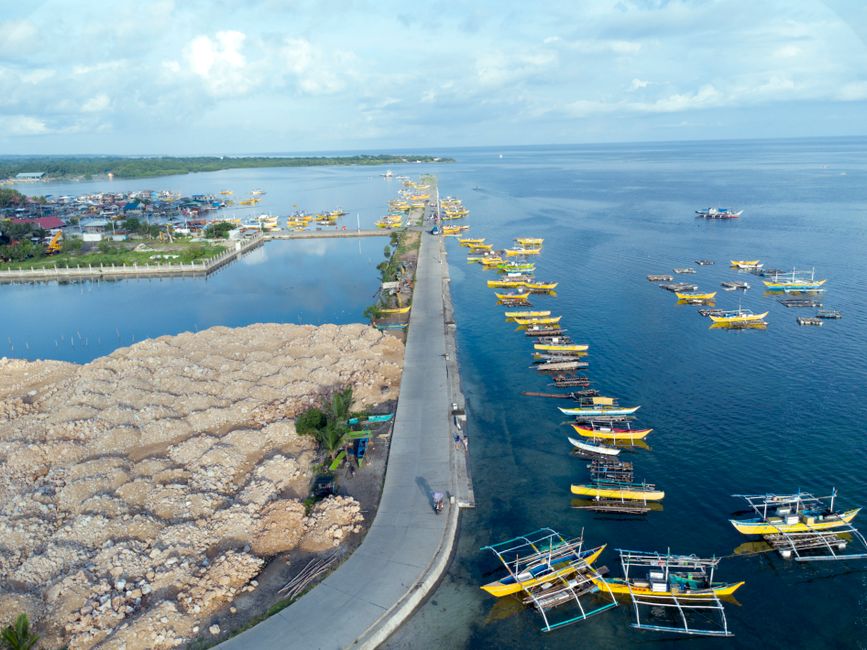
Philippines Fishing Communities: Facing the Rising Tide of Climate Change
The Philippines, an archipelago nation intrinsically linked to its marine resources, is witnessing its coastal fishing communities grapple with an existential threat: rising sea levels. These communities, often the bedrock of local economies and food security, are on the frontlines of climate change, experiencing its devastating impacts firsthand. From the northernmost provinces to the southernmost islands, the encroaching saltwater is redrawing coastlines, inundating ancestral fishing grounds, and disrupting the delicate balance of marine ecosystems that have sustained generations of fishers. This phenomenon is not a distant prediction but a palpable reality, necessitating urgent adaptation strategies and global recognition of the unique vulnerabilities of these vital communities.
The physical manifestation of rising sea levels in Philippine fishing villages is multifaceted and observable. Coastal erosion, once a gradual process, has accelerated dramatically. Shorelines are receding, carrying away precious land, homes, and critical infrastructure. This is particularly acute in low-lying coastal areas and islands, where even a small increase in sea level can inundate significant portions of land. The saltwater intrusion into freshwater sources is another grave concern. Aquifers, essential for drinking water and agriculture, are becoming increasingly contaminated with saline water, impacting not only the health of the community but also the viability of coastal farming practices that often supplement fishing incomes. Storm surges, amplified by higher sea levels, are becoming more frequent and intense, causing widespread destruction to fishing boats, gear, and coastal dwellings. The economic ramifications are immediate and severe. Damaged or lost fishing vessels translate directly into lost income and food. The destruction of fish landing sites and markets disrupts supply chains, affecting not only the fishers but also the wider communities that rely on them for sustenance and trade.
The ecological consequences of rising sea levels are equally alarming and have a direct bearing on the livelihoods of Filipino fishers. Coral reefs, vital nurseries for a vast array of fish species, are suffering from increased water temperatures and ocean acidification, both exacerbated by climate change. While not directly caused by sea level rise, these interconnected issues create a synergistic effect. Furthermore, inundation of coastal wetlands, mangrove forests, and seagrass beds, which serve as critical habitats for juvenile fish and invertebrates, leads to a significant decline in fish stocks. These natural buffers against storm surges are themselves being eroded by rising waters, creating a vicious cycle of vulnerability. The displacement of marine species to cooler, deeper waters, or to areas with more suitable habitats, means that traditional fishing grounds are becoming depleted, forcing fishers to venture further offshore, incurring higher costs for fuel and increasing safety risks. This forces a shift in traditional fishing practices, often pushing fishers towards more intensive and potentially unsustainable methods to compensate for reduced catches.
The socio-economic fabric of Philippine fishing communities is deeply intertwined with the marine environment. For many, fishing is not merely an occupation but a cultural heritage, passed down through generations. The loss of coastal lands and the degradation of marine resources threaten not only their economic survival but also their identity and cultural continuity. Many of these communities are already characterized by high poverty rates, limited access to education and healthcare, and a dependence on natural resources that are now under immense pressure. Rising sea levels exacerbate these existing vulnerabilities, pushing many to the brink of displacement. The psychological toll of witnessing their homes and livelihoods erode cannot be overstated. The constant threat of losing everything, the uncertainty of future catches, and the displacement from ancestral lands contribute to significant stress and anxiety within these communities. Migration, both internal and external, becomes an increasingly likely, albeit often difficult, option.
Addressing the challenges posed by rising sea levels requires a multi-pronged approach that integrates climate change adaptation, disaster risk reduction, and sustainable livelihood development. Adaptation strategies must be tailored to the specific contexts of each community, recognizing the diversity of their geographic locations, socio-economic conditions, and cultural practices. These strategies can range from physical interventions like the construction of sea walls and artificial reefs to nature-based solutions such as mangrove restoration and the protection of coral reefs. The latter, in particular, offers a dual benefit of coastal protection and habitat enhancement, contributing to the long-term health of fisheries. Relocation, while a last resort, is becoming an unavoidable necessity for some highly vulnerable communities. This process must be conducted with utmost sensitivity, ensuring that relocated communities have access to adequate housing, essential services, and opportunities for sustainable livelihoods in their new environments, thereby preserving their social cohesion and cultural heritage.
The role of technology and innovation in helping Philippine fishing communities adapt to rising sea levels is crucial. This includes the development and dissemination of early warning systems for storms and tidal surges, enabling timely evacuation and the protection of assets. Advanced weather forecasting and climate modeling can provide valuable insights into future sea level rise projections and their potential impacts, allowing for more proactive planning. Innovations in fishing gear and techniques that are less destructive to marine ecosystems and more efficient in catching fish in altered environments are also essential. This could include promoting selective fishing methods, developing aquaculture practices that are resilient to changing salinity levels and water temperatures, and exploring alternative livelihoods that are less dependent on the direct exploitation of coastal fisheries. Digital platforms can be utilized for knowledge sharing, connecting fishers with scientists, government agencies, and international organizations to facilitate the exchange of best practices and access to resources.
Disaster risk reduction (DRR) measures are paramount in mitigating the immediate impacts of extreme weather events amplified by rising sea levels. This involves strengthening the resilience of coastal infrastructure, including homes, fishing ports, and community facilities, against storm surges and flooding. Implementing effective evacuation plans and ensuring accessible safe havens are critical for saving lives. Community-based DRR initiatives, which empower local populations to identify and manage their risks, are particularly effective. This includes training in first aid, search and rescue, and emergency preparedness. The establishment of community disaster response teams and the regular conduct of drills can significantly improve response times and reduce casualties during climate-related disasters.
The sustainability of fishing practices is a cornerstone of long-term resilience. Overfishing, often exacerbated by increased pressure to generate income in the face of declining catches, depletes fish stocks and further degrades marine ecosystems. Promoting sustainable fishing methods, such as the use of appropriately sized mesh nets, the avoidance of destructive fishing practices like dynamite fishing, and adherence to seasonal fishing closures, is vital. The establishment and enforcement of Marine Protected Areas (MPAs) can serve as crucial refuges for fish populations, allowing them to reproduce and replenish surrounding fishing grounds. Community involvement in the management of these MPAs is essential for their effectiveness and long-term sustainability. Diversification of livelihoods is another critical strategy. For communities heavily reliant on fishing, exploring alternative income-generating activities that are less vulnerable to the impacts of climate change can provide a vital economic buffer. This could include sustainable ecotourism, handicrafts, food processing, or other non-fishing related enterprises that leverage local skills and resources.
International cooperation and financial support are indispensable for enabling Philippine fishing communities to adapt to rising sea levels. The Philippines, as a developing nation, faces significant resource constraints in implementing comprehensive adaptation and mitigation measures. Developed nations, which bear a greater historical responsibility for greenhouse gas emissions, must fulfill their climate finance commitments. This funding should be directed towards supporting community-led adaptation projects, investing in climate-resilient infrastructure, and facilitating the transfer of relevant technologies. Capacity building initiatives are also crucial, empowering local communities and government agencies with the knowledge and skills needed to develop and implement effective climate action plans. This includes training in climate science, adaptation planning, project management, and the utilization of climate finance mechanisms. The Philippines’ unique vulnerability as an archipelagic nation with a large coastal population necessitates specific consideration and tailored support within global climate negotiations and funding frameworks.
Policy and governance play a pivotal role in creating an enabling environment for adaptation and resilience. This includes the integration of climate change considerations into national and local development plans, land-use planning, and coastal zone management strategies. Strong governance frameworks are needed to ensure equitable access to resources, transparent decision-making, and effective enforcement of environmental regulations. This also involves empowering local government units to effectively implement adaptation measures and providing them with the necessary financial and technical resources. The recognition of the rights of indigenous and local communities, particularly those who rely on traditional knowledge for resource management, is essential for developing effective and culturally appropriate adaptation strategies. Ensuring their meaningful participation in decision-making processes is paramount.
In conclusion, the rising waters in the Philippines present a profound challenge to its coastal fishing communities, threatening their very existence. The interconnectedness of environmental degradation, socio-economic vulnerability, and cultural heritage demands a holistic and urgent response. Effective adaptation requires a blend of technological innovation, community-driven initiatives, robust disaster risk reduction measures, sustainable livelihood diversification, and unwavering international support. The future of these vital communities, and indeed the broader coastal ecosystems of the Philippines, hinges on our collective ability to address the multifaceted impacts of climate change with decisive action and unwavering commitment. Ignoring this crisis risks not only the loss of livelihoods but also the erosion of cultural identity and the unraveling of a significant part of the nation’s heritage.
