World Heritage: Sites of Universal Outstanding Value
The concept of World Heritage, enshrined by UNESCO, designates sites of exceptional universal value, recognizing their significance to the shared heritage of humanity. These are not merely tourist attractions; they are testaments to human ingenuity, natural grandeur, and the intricate tapestry of life on Earth. The World Heritage List, a continually expanding roster, categorizes these invaluable locations into three primary types: Cultural Heritage, Natural Heritage, and Mixed Heritage. This classification system provides a framework for understanding the diverse attributes that qualify a site for this prestigious designation and underscores the global responsibility to conserve and protect these irreplaceable treasures for future generations. The criteria for inscription are rigorous, demanding demonstrable authenticity, integrity, and a robust management plan to ensure long-term preservation. Understanding these categories and their defining characteristics is crucial for appreciating the breadth and depth of what constitutes World Heritage.
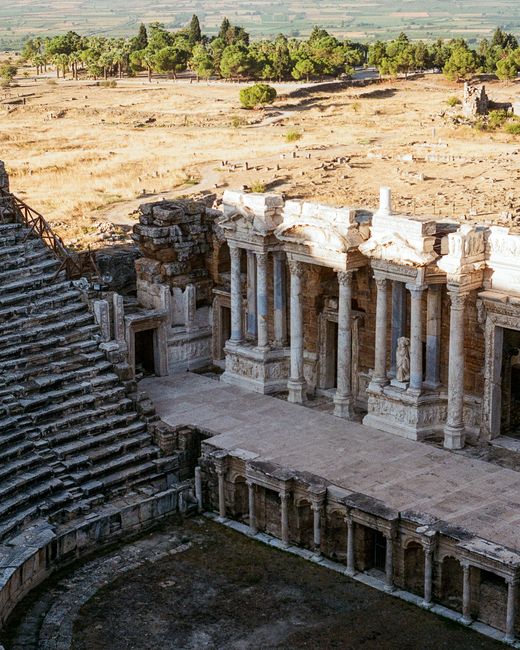
Cultural Heritage encompasses a vast array of human creations, spanning from ancient ruins and historical cities to artistic masterpieces and cultural landscapes. This category is further subdivided into distinct types, each representing a unique facet of human achievement and cultural expression. Monuments, a cornerstone of Cultural Heritage, refer to architectural works, monumental sculptures, and inscriptions of archaeological character. These are tangible remnants of past civilizations, offering insights into their beliefs, social structures, and technological capabilities. Examples range from the iconic pyramids of Giza in Egypt, testaments to ancient Egyptian engineering and religious practices, to the majestic Roman Colosseum, a symbol of imperial power and architectural innovation. Cities and architectural ensembles represent concentrations of human settlement that have evolved over time, preserving distinct architectural styles and urban planning principles. Historic areas within cities, such as the Old City of Jerusalem, or entire ancient settlements like Pompeii, showcase the organic development of human habitation and the layers of history embedded within their urban fabric. Sites of artistic or scientific significance, though often falling under the broader umbrella of monuments, can also include individual structures or complexes that hold particular aesthetic or intellectual merit, like the intricate carvings of Angkor Wat in Cambodia or the scientific marvels of the ancient observatory at Jantar Mantar in India. Works of human labor or the combined works of nature and humans can also be considered. This category is broader, acknowledging the impact of human activity on the landscape, such as agricultural terraces or the historic gardens of Versailles. These sites demonstrate how human societies have interacted with and shaped their environment over centuries, creating unique cultural landscapes. The intangible aspects of cultural heritage are also recognized indirectly through the preservation of the physical sites where they are practiced or manifest. The designation of Cultural Heritage sites is thus a recognition of the enduring legacy of human civilization, the evolution of societies, and the diverse expressions of human creativity. Each inscription signifies a commitment from the international community to safeguard these sites from destruction, degradation, and neglect.
Natural Heritage, in contrast, focuses on the planet’s most outstanding natural features, ecosystems, and geological formations. This category is divided into three distinct types, each highlighting a different aspect of Earth’s natural splendor. Strict natural reserves and wilderness areas are pristine environments that have been largely untouched by human intervention, preserving biodiversity and ecological processes in their most natural state. Examples include the Serengeti National Park in Tanzania, a vast savanna teeming with wildlife, or the Galápagos Islands in Ecuador, a living laboratory of evolutionary science. Areas of scientific or conservation interest, while potentially exhibiting some degree of human influence, are recognized for their exceptional scientific value or their critical role in conserving endangered species or unique habitats. The Amazon rainforest, with its unparalleled biodiversity, or the Great Barrier Reef in Australia, the world’s largest coral reef system, exemplify such sites. Sites of exceptional natural beauty or aesthetic importance are those that possess striking geological features, dramatic landscapes, or breathtaking visual appeal. Mount Everest, the world’s highest peak, the majestic Victoria Falls, and the otherworldly landscapes of the Grand Canyon are prime examples. These sites often evoke a profound sense of awe and wonder, reminding humanity of the power and artistry of natural forces. The inclusion of Natural Heritage sites on the World Heritage List underscores the interconnectedness of all life and the urgent need to protect the planet’s natural capital. These sites are crucial for maintaining ecological balance, providing essential ecosystem services, and offering invaluable opportunities for scientific research and education. Their preservation is vital not only for their intrinsic value but also for the well-being of humanity, which depends on healthy ecosystems for survival.
Mixed Heritage sites are a unique category that recognizes locations possessing both outstanding cultural and natural significance. These sites represent a harmonious integration of human activity and the natural environment, where cultural achievements are deeply intertwined with the landscape, or where natural features have played a pivotal role in shaping human history and culture. These sites often tell stories of long-standing human interaction with specific environments, where development has been shaped by natural constraints and opportunities, or where natural phenomena have inspired religious beliefs, artistic expression, or technological innovation. The Zhangjiajie National Forest Park in China, famed for its towering sandstone pillars that inspired the floating mountains in the movie Avatar, also boasts a rich cultural history of indigenous peoples who have inhabited the region for centuries. The Inca citadel of Machu Picchu in Peru, perched high in the Andes Mountains, is an architectural marvel deeply embedded within a dramatic natural landscape, showcasing the Incas’ ingenious engineering and their profound connection to the mountainous terrain. Mount Athos in Greece, a monastic state inhabited by monks for over a millennium, is a UNESCO World Heritage site for both its unique cultural landscape, comprising ancient monasteries and churches, and its significant natural beauty, featuring rugged coastlines and lush forests. The designation of Mixed Heritage sites highlights the complex and often symbiotic relationship between humanity and nature, demonstrating that human history and cultural development are not separate from the natural world but are often intimately shaped by it. These sites offer a holistic perspective on heritage, emphasizing that the value of a place can lie in the combined richness of its cultural and natural attributes. Their preservation requires a comprehensive approach that considers both tangible cultural artifacts and the integrity of the natural environment, recognizing that the destruction of one can have detrimental consequences for the other.
The process of nominating and inscribing a site on the World Heritage List is a rigorous and collaborative undertaking. Potential sites are first identified by their State Party (the country in which they are located) and are placed on a "Tentative List." From this tentative list, a State Party can then formally nominate a site, providing extensive documentation and evidence to demonstrate its Outstanding Universal Value (OUV). This evidence must clearly articulate how the site meets one or more of the ten inscription criteria. These criteria are divided into cultural (i-vi) and natural (vii-x) categories. For Cultural Heritage, criteria include: a) representing a masterpiece of human creative genius; b) exhibiting an important interchange of human values, over a period of time or within a cultural area of the world, on developments in architecture, monumental arts, town-planning or landscape design; c) bearing unique or exceptional testimony to a cultural tradition or to a civilization which is living or has disappeared; d) being an outstanding example of a type of building, architectural or technological ensemble or landscape which illustrates significant stages in human history; e) being an outstanding example of a traditional human settlement, land-use, or sea-use, which is illustrative of one or more cultures, or human interaction with the environment, especially when it has become vulnerable under the impact of irreversible change; and f) being directly and tangibly associated with events or with living traditions, with ideas, or with beliefs, with artistic and literary works of outstanding universal significance. For Natural Heritage, criteria include: g) containing superlative natural phenomena or areas of exceptional natural beauty and aesthetic importance; h) being outstanding examples representing major stages of earth’s history, including the record of life, significant ongoing geological processes in the development of landforms, or significant geomorphological or physiographic features; i) being outstanding examples representing significant ongoing ecological and biological processes in the evolution and development of terrestrial, fresh water, coastal and marine ecosystems and communities of plants and animals; and j) containing the most important and significant natural habitats for in-situ conservation of biological diversity, including those containing threatened species of Outstanding Universal Value from the point of view of science or conservation.
The nomination dossier is then rigorously reviewed by independent international advisory bodies, primarily the International Council on Monuments and Sites (ICOMOS) for cultural properties and the International Union for Conservation of Nature (IUCN) for natural properties. These bodies conduct thorough evaluations, often including on-site missions, to verify the authenticity, integrity, and OUV of the nominated site, as well as the adequacy of its management and protection measures. Following their recommendations, the final decision on inscription rests with the UNESCO World Heritage Committee, an intergovernmental body composed of representatives from the States Parties to the World Heritage Convention. The Committee meets annually to review nominations and make inscription decisions. The inscription on the World Heritage List is not an end in itself, but rather the beginning of a commitment to ongoing conservation. States Parties are obligated to protect, preserve, and present their World Heritage sites. UNESCO provides technical assistance and support, and the World Heritage Fund can offer financial aid for conservation projects. Regular monitoring and reporting ensure that the OUV of inscribed sites is maintained. If a site’s OUV is found to be compromised, it can be placed on the List of World Heritage in Danger, a measure designed to highlight urgent threats and mobilize international assistance for remedial action. In severe cases, a site may even be delisted, though this is a rare occurrence.
The significance of World Heritage extends far beyond the specific sites themselves. The World Heritage List serves as a powerful advocacy tool, raising global awareness about the importance of cultural and natural preservation. It fosters international cooperation and understanding, encouraging dialogue and shared responsibility for safeguarding our common heritage. The economic benefits associated with World Heritage can be substantial, through increased tourism, job creation, and local economic development, though it is crucial that such development is managed sustainably to avoid negatively impacting the site’s values. Furthermore, World Heritage sites act as invaluable resources for education and research, offering tangible evidence of human history, natural processes, and the diversity of life on Earth. They inspire future generations to become stewards of their heritage and to appreciate the interconnectedness of humanity and the natural world. The challenges to World Heritage are also significant and evolving. Climate change poses a growing threat, with rising sea levels, extreme weather events, and changing ecosystems endangering many sites. Conflict and political instability can lead to deliberate destruction or neglect. Unsustainable tourism, urban sprawl, and industrial development also present ongoing pressures. The ongoing work of UNESCO and its partners is therefore critical in addressing these challenges through adaptive management, risk preparedness, and fostering a global culture of respect for heritage. The ongoing expansion of the World Heritage List reflects a growing understanding of what constitutes OUV and a broader commitment to recognizing the diverse heritage of humanity.
The global network of World Heritage sites represents a collective declaration of what humanity deems most precious. It is a testament to our shared history, our capacity for creativity, and the breathtaking beauty of our planet. The categories of Cultural, Natural, and Mixed Heritage provide a robust framework for understanding the multifaceted nature of this shared legacy. The rigorous inscription process ensures that only sites of true Outstanding Universal Value are recognized, and the ongoing commitment to their conservation underscores the profound responsibility we bear as custodians of these irreplaceable treasures. The continued dedication to protecting these sites, from the smallest inscription to the grandest natural landscape, is essential for enriching our present understanding and for bequeathing a legacy of awe and inspiration to the generations yet to come. The ongoing evolution of the World Heritage Convention and its implementation demonstrates a dynamic approach to heritage conservation, adapting to new challenges and expanding its scope to encompass a more inclusive and representative global heritage. This dynamic nature ensures that the World Heritage List remains a relevant and vital instrument for safeguarding the most significant remnants of our shared past and our planet’s natural wonders for the benefit of all.