Golden Bay and the Takaka Region: An Ecological and Tourism Nexus in Northwest Nelson
Golden Bay, a distinct geographical and socio-economic region in the northwest of New Zealand’s South Island, encompasses the Takaka area and its surrounding hinterland. This article provides a comprehensive analysis of its ecological heritage and the intricate tourism infrastructure that has developed to capitalize on its unique natural attributes. The region’s significance lies in its convergence of exceptional biodiversity, geologically diverse landscapes, and a well-established, yet often understated, tourism sector that has evolved in concert with its environmental consciousness. Understanding this nexus is crucial for appreciating the region’s present and forecasting its future sustainability.
The ecological heritage of Golden Bay and the Takaka region is characterized by a remarkable mosaic of ecosystems, shaped by its isolation, geological history, and varied microclimates. The defining feature is the Takaka limestone karst landscape, a geological marvel that dominates much of the inland area. This soluble rock has been sculpted by millennia of weathering and erosion, resulting in a unique topography of sinkholes, caves, underground rivers, and dramatic cliffs. The Te Waikoropupū Springs, renowned for their exceptional clarity and vibrant blue and green hues, are a direct manifestation of this karst hydrology. These springs are the largest cold-water springs in New Zealand and are considered culturally significant by Māori. The subterranean water systems are intricate and crucial for maintaining the health of surface water bodies and the surrounding terrestrial ecosystems.
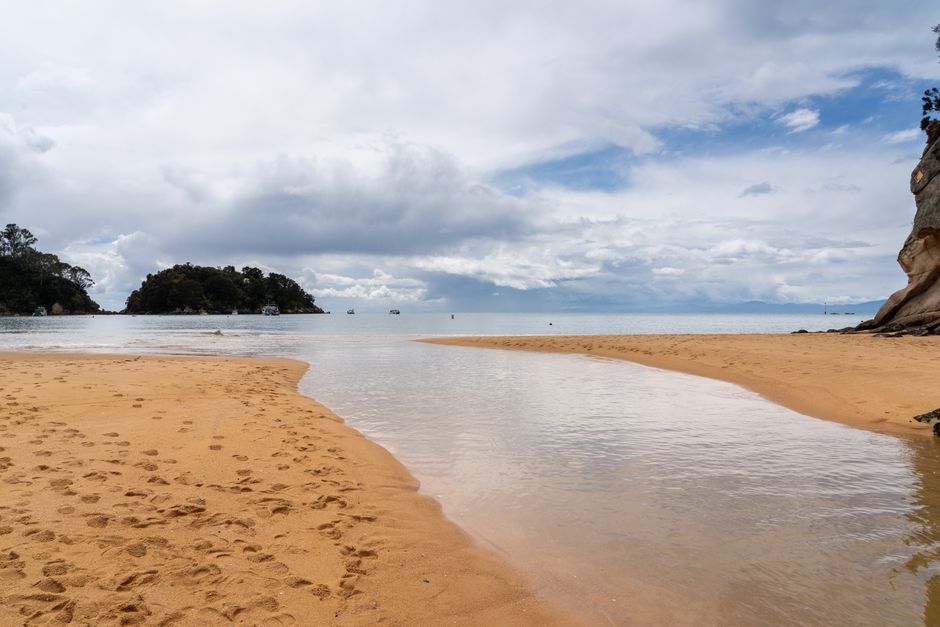
Beyond the karst, the region boasts a diverse range of terrestrial habitats. Coastal environments are prominent, with long, sweeping sandy beaches like those at Farewell Spit, a UNESCO World Heritage site and a critical staging post for migratory birds. The Spit’s unique sand dune ecosystem supports a specialized flora and fauna, including rare invertebrates and a significant breeding colony of New Zealand fur seals. Inland, temperate rainforests, remnants of ancient Gondwanaland flora, cloak the slopes of the surrounding mountains. These forests, often characterized by towering rimu, rata, and kahikatea, harbor a rich diversity of birdlife, including endemic species like the great spotted kiwi, bellbird, and tūī. The understory teems with ferns, mosses, and lichens, contributing to the high level of biodiversity.
The freshwater systems are equally important. The Takaka River, originating in the Kahurangi National Park, is a vital artery, supporting both ecological health and recreational activities. Its upper reaches are pristine wilderness, while downstream, it meanders through fertile agricultural land before emptying into Tasman Bay. The river’s clear waters are indicative of the relatively unpolluted nature of much of the region, a testament to its rural character and the environmental awareness of its inhabitants. The Mahoenui Creek system, another significant waterway, also contributes to the region’s aquatic biodiversity.
The ecological significance is amplified by the presence of several protected areas. Kahurangi National Park, one of New Zealand’s largest national parks, forms the western and southern boundary of the region. This vast wilderness area protects significant tracts of native forest, alpine landscapes, and a rich array of flora and fauna, including several threatened species. The Abel Tasman National Park, though not directly within the Takaka region, its proximity and accessible coastlines via Golden Bay influence visitor flows and highlight the broader ecological corridor. The Department of Conservation (DOC) plays a crucial role in managing these protected areas, undertaking conservation initiatives that range from pest control to habitat restoration.
However, the ecological integrity of Golden Bay is not without its challenges. Introduced predators like stoats, ferrets, possums, and rats pose a constant threat to native wildlife, particularly ground-dwelling birds and their eggs. Habitat fragmentation due to agricultural development and past land use practices can also impact biodiversity. Water quality can be affected by agricultural runoff in some areas, though generally, it remains high. Climate change presents an overarching threat, with potential impacts on rainfall patterns, sea levels, and the frequency of extreme weather events, which could disproportionately affect the delicate ecosystems of Golden Bay.
The tourism infrastructure in Golden Bay and the Takaka region has developed organically, largely driven by the region’s natural beauty and a growing appreciation for its relaxed pace of life. Unlike more developed tourist hubs, Golden Bay has cultivated a niche as an eco-tourism and adventure tourism destination, attracting visitors seeking authentic experiences and a connection with nature. The Takaka township itself serves as the primary gateway and hub, offering a range of accommodation, retail, and service providers.
Accommodation options are diverse, reflecting the region’s character. This includes boutique lodges, eco-tourism retreats, farm stays, campgrounds, and self-contained holiday homes. Many of these establishments are designed to minimize their environmental footprint, incorporating sustainable practices such as rainwater harvesting, solar power, and waste reduction. The emphasis is often on providing a comfortable yet unobtrusive experience that allows visitors to immerse themselves in the natural surroundings.
Transport infrastructure is relatively straightforward, with the main access route being State Highway 60, which winds through dramatic mountain passes and coastal vistas to reach the Takaka township. From Takaka, smaller local roads provide access to various attractions and settlements. While there is no active railway line or airport within the immediate Takaka region, a small airstrip caters to private flights, and ferry services connect passengers from Wellington to Nelson, from where road transport is the primary mode. The accessibility of the region, while a drawcard for its relative isolation, also presents logistical considerations for visitor flow and the efficient distribution of resources.
Key tourism activities are intrinsically linked to the ecological assets. Kahurangi National Park offers extensive hiking and tramping opportunities, with well-maintained tracks catering to various fitness levels. The Heaphy Track, a renowned Great Walk, begins on the northern boundary of the park and provides a multi-day wilderness experience. Caving in the Takaka karst region is another significant drawcard, with guided tours available to explore the underground wonders of places like the Pāpari Caves and the justly famous, though highly protected, Te Waikoropupū Springs which are viewed from designated boardwalks.
Water-based activities are also prevalent. Kayaking and paddleboarding on the Takaka River and its tributaries are popular, as is swimming and fishing. The coastline of Golden Bay, while not as heavily developed as some other parts of New Zealand, offers opportunities for coastal walks, birdwatching, and exploring the unique environment of Farewell Spit. This necessitates visitor management strategies to protect the sensitive birdlife and seal colonies.
The region has also fostered a vibrant arts and crafts scene, with numerous galleries and studios showcasing local talent. This complements the eco-tourism offering by providing cultural experiences and opportunities for visitors to purchase unique, locally made souvenirs. The emphasis on local produce and artisanal food and beverages further enhances the visitor experience, with farmers’ markets and local cafes offering insights into the region’s agricultural bounty.
The tourism infrastructure has largely evolved with an understanding of the delicate balance between economic development and environmental preservation. This has led to a focus on low-impact tourism, responsible visitor behavior, and the promotion of sustainable practices within the industry. Many tourism operators are actively involved in local conservation efforts, further reinforcing the link between their businesses and the region’s ecological health.
However, the growing popularity of Golden Bay presents potential challenges. Increased visitor numbers can place pressure on sensitive ecosystems, infrastructure, and local communities. Managing waste, water usage, and the impact of human activity on wildlife requires ongoing vigilance and adaptive management strategies. The seasonality of tourism also presents economic fluctuations for local businesses.
Furthermore, the economic base of the region is not solely reliant on tourism. Agriculture, particularly dairy farming and horticulture, plays a significant role. The integration of these land uses with the conservation objectives and the growing tourism sector is a complex but crucial aspect of the region’s long-term sustainability. Balancing the needs of different industries while safeguarding the ecological heritage is an ongoing endeavor.
In conclusion, Golden Bay and the Takaka region represent a compelling case study of a destination where exceptional ecological heritage underpins a distinctive tourism industry. The region’s unique karst landscapes, pristine waterways, and biodiverse native forests provide the foundational assets that attract visitors. The tourism infrastructure, characterized by a focus on eco-tourism, adventure, and a commitment to sustainability, has been developed in a way that largely respects and aims to preserve these natural values. Continued efforts in conservation, responsible visitor management, and the integration of economic development with environmental stewardship will be paramount in ensuring that this remarkable corner of Northwest Nelson remains a thriving ecological and cultural treasure for generations to come. The interplay between the natural environment and the human element, driven by both conservation imperatives and economic aspirations, defines the enduring appeal and the future trajectory of Golden Bay and the Takaka region.
