Sudan War Shatters Infrastructure: A Costly Rebuild Needed
The ongoing conflict in Sudan, primarily between the Sudanese Armed Forces (SAF) and the Rapid Support Forces (RSF), has inflicted catastrophic damage on the nation’s already fragile infrastructure. Decades of underdevelopment and recurrent instability have left Sudan vulnerable, and the current war has amplified these existing weaknesses to a devastating degree. The physical destruction spans critical sectors: transportation networks, power grids, water and sanitation systems, healthcare facilities, educational institutions, and housing. The economic consequences are immense, not only due to the immediate loss of productive capacity but also because the obliteration of essential infrastructure will severely hinder any future economic recovery. A comprehensive and multi-billion-dollar reconstruction effort, coupled with sustained humanitarian aid and long-term development strategies, will be imperative to rebuild Sudan and prevent its descent into perpetual crisis. The sheer scale of the devastation necessitates an unprecedented international response, focused on immediate relief, medium-term rebuilding, and the establishment of resilient systems for the future.
The transportation sector has been a primary target and casualty of the Sudan war. Roads, bridges, and airports, vital arteries for trade, humanitarian aid delivery, and population mobility, have been extensively damaged or destroyed. Major highways connecting key cities and production centers have become impassable due to shelling, bombing, and deliberate sabotage. Bridges, often strategically important, have been targets for both sides, severing critical links and isolating communities. The destruction of airports, including Khartoum International Airport, has crippled air travel, impacting not only civilian movement but also the ability of international organizations to deliver life-saving aid efficiently. Railway lines, though less developed than road networks, have also suffered damage, further impeding the movement of goods and people. The economic repercussions are profound. Farmers cannot transport their produce to markets, leading to food waste and increased prices. Businesses face insurmountable logistical challenges, stifling economic activity. The cost of repairing and rebuilding this vast network will run into billions of dollars, requiring significant investment in construction materials, heavy machinery, and skilled labor. The process will be arduous and time-consuming, especially in areas where ongoing hostilities make safe access impossible. Furthermore, the absence of reliable transportation exacerbates the humanitarian crisis, hindering the delivery of food, medicine, and shelter to displaced populations. The interconnectedness of infrastructure means that damage to one element has cascading effects. For instance, the inability to transport fuel can cripple power generation, even if the power plants themselves remain operational.
The energy sector, a cornerstone of any modern economy, has been severely impacted. Power generation plants, transmission lines, and distribution networks have been damaged or destroyed by fighting. The deliberate targeting of energy infrastructure, aimed at undermining the enemy’s ability to function, has plunged vast swathes of the country into darkness. Khartoum, the capital, has experienced prolonged and frequent power outages, affecting everything from household life to business operations and the functioning of essential services like hospitals and water treatment plants. The economic cost of this disruption is astronomical. Industries that rely on consistent power are forced to halt production, leading to job losses and reduced output. Businesses incur additional costs for alternative power sources, such as generators, which are often expensive to operate and maintain. The rebuilding of the power grid will require massive investment in new generation capacity, modernizing transmission and distribution systems, and ensuring the security of these vital assets. Restoring electricity to urban and rural areas will be a complex undertaking, involving the rehabilitation of damaged substations, the replacement of miles of power lines, and the installation of new equipment. The lack of electricity also has direct implications for other essential services, as many water pumps and sanitation facilities rely on a steady power supply.
Water and sanitation systems, already under strain due to decades of underfunding and environmental challenges, have been further devastated by the conflict. Water treatment plants, pumping stations, and distribution pipes have been damaged or destroyed. This has led to a severe shortage of safe drinking water in many areas, forcing populations to rely on contaminated sources, increasing the risk of waterborne diseases like cholera and typhoid. The destruction of sewage systems and waste management facilities has exacerbated public health risks, creating unsanitary conditions that can quickly lead to outbreaks. The humanitarian crisis is intrinsically linked to the collapse of these services. Access to clean water and adequate sanitation is a fundamental human right and a prerequisite for preventing disease and maintaining public health. Rebuilding these systems will require significant investment in infrastructure repair, as well as the development of new, more resilient systems that can withstand future shocks. This includes not only the physical reconstruction of pipes and treatment plants but also the restoration of operational capacity, including the availability of chemicals for water purification and the training of personnel to manage these essential services. The long-term implications for public health are severe, with the potential for prolonged periods of elevated disease rates and increased child mortality if these systems are not rapidly restored.
Healthcare facilities, already scarce and under-resourced, have been directly targeted or have fallen victim to the widespread destruction. Hospitals, clinics, and health posts have been damaged, looted, or destroyed. Essential medical equipment, medicines, and supplies have been lost, looted, or rendered unusable. This has crippled the ability of the healthcare system to function, leading to a dire shortage of medical care for both routine and emergency needs. The conflict itself generates a surge in casualties requiring medical attention, while simultaneously decimating the very infrastructure needed to provide that care. The lack of functioning health facilities forces people to travel long distances to seek medical help, a journey that is often dangerous and impossible for many, particularly in conflict-affected areas. The destruction of maternity wards and pediatric units has had a devastating impact on maternal and child health, leading to increased rates of preventable deaths. The rebuilding of the healthcare infrastructure will require not only the reconstruction of damaged buildings and the procurement of new medical equipment but also the significant investment in training and retaining medical personnel. The psychological toll on healthcare workers, who have often worked under extreme duress and faced immense personal risk, also needs to be addressed. Restoring a functional healthcare system is a critical component of any recovery effort, as it directly impacts the well-being and survival of the population.
The education sector has also suffered immensely. Schools, from primary to tertiary levels, have been damaged, destroyed, or occupied by armed groups. This has led to the widespread disruption of education, forcing millions of children out of school and jeopardizing their future. The loss of educational opportunities can have long-term consequences, perpetuating cycles of poverty and limiting the potential for future development. The destruction of school infrastructure, including classrooms, libraries, and laboratories, represents a significant loss of educational capital. Rebuilding these facilities will be a lengthy and costly process, requiring investment in construction, furniture, textbooks, and learning materials. Furthermore, the psychological impact of war on children is profound, and the return to a stable learning environment will be crucial for their recovery and development. The interruption of education also means a loss of future skilled labor, impacting the nation’s ability to rebuild and develop in the long term. Investment in education is an investment in the future, and the current conflict has severely undermined Sudan’s human capital.
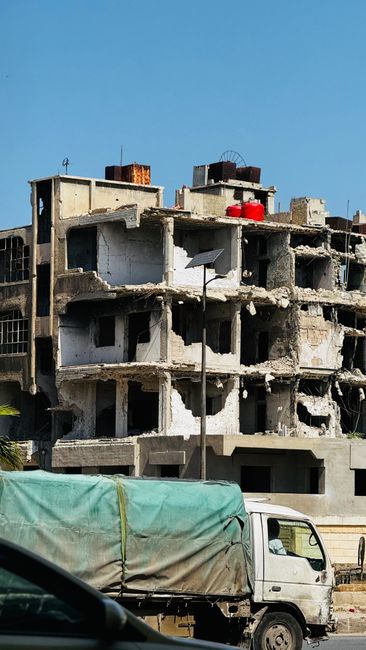
Housing and residential areas have borne a significant brunt of the fighting. Many urban and rural dwellings have been destroyed or severely damaged by shelling, bombing, and ground combat. This has led to widespread displacement, with millions of Sudanese forced to flee their homes and seek refuge in overcrowded camps or with host communities. The destruction of homes not only deprives families of shelter but also represents a significant loss of personal assets and livelihoods. The rebuilding of destroyed housing stock will require massive financial resources, extensive planning, and the provision of building materials and construction expertise. The social fabric of communities is also torn apart by the destruction of homes and the displacement of populations. Rebuilding not only physical structures but also the sense of community and belonging will be a crucial aspect of post-conflict recovery. The sheer volume of destroyed homes means that the reconstruction effort will be a multi-year undertaking, even under the most optimistic scenarios.
The economic implications of this widespread infrastructure destruction are catastrophic and will necessitate a multi-billion-dollar rebuilding effort. The immediate loss of productive capacity due to damaged factories, farms, and businesses is immense. The disruption of trade routes and transportation networks cripples economic activity and exacerbates inflation. The destruction of essential services like power and water makes it impossible for businesses to operate efficiently, if at all. Rebuilding infrastructure is not merely about repairing what was destroyed; it is about constructing more resilient and modern systems that can withstand future shocks and support sustainable economic growth. This will require significant foreign direct investment, international financial assistance, and the implementation of sound economic policies. The cost of rebuilding will far exceed Sudan’s domestic capacity, making international cooperation and sustained commitment absolutely essential. The World Bank, United Nations agencies, and various international development organizations have estimated reconstruction costs in the tens of billions of dollars, and these figures are likely to rise as the full extent of the damage becomes clearer.
The road to recovery will be long and arduous, demanding a comprehensive and coordinated approach. Immediate humanitarian assistance is paramount to address the urgent needs of the displaced population and those affected by the destruction of essential services. This includes providing food, water, shelter, and medical care. Simultaneously, efforts must begin to assess the full extent of infrastructure damage and develop detailed rebuilding plans. International donors and financial institutions will play a crucial role in mobilizing the necessary resources for reconstruction. However, the effectiveness of these efforts will depend on the establishment of security and stability within Sudan, the commitment of the warring parties to a lasting peace, and the implementation of transparent and accountable governance structures. Without these fundamental prerequisites, any rebuilding effort is likely to be undermined by corruption, further conflict, and a lack of sustainable progress. The rebuilding process must also prioritize the needs of the most vulnerable populations and ensure that reconstruction efforts contribute to inclusive and equitable development. This includes investing in sectors that create jobs and opportunities for those most affected by the conflict. Furthermore, long-term strategies for economic diversification, capacity building, and good governance will be essential to prevent Sudan from falling back into a cycle of instability and underdevelopment. The international community’s sustained engagement and commitment, beyond immediate crisis response, will be critical for the long-term recovery and prosperity of Sudan.
