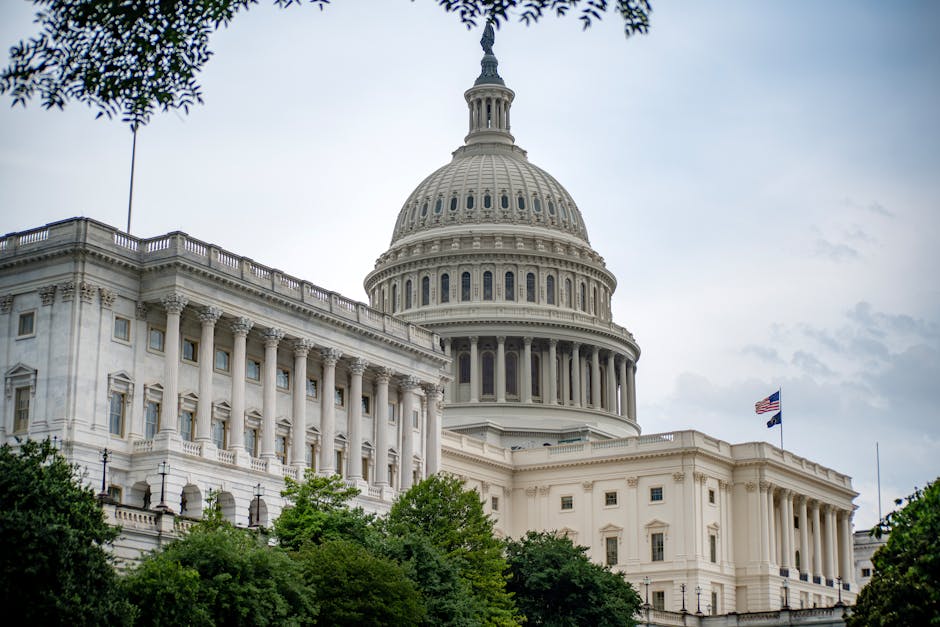
US House Plans Quick Action: Trump Cuts Foreign Aid Spending
The United States House of Representatives has initiated swift legislative action to implement significant cuts to foreign aid spending, a move championed by the Trump administration. This policy shift, reflecting a broader "America First" foreign policy doctrine, aims to reallocate resources domestically and reduce perceived inefficiencies and burdens associated with international assistance programs. The rationale behind these proposed reductions centers on prioritizing national interests, fostering greater accountability in aid distribution, and potentially leveraging freed-up funds for domestic priorities such as infrastructure, healthcare, or national defense. Understanding the intricacies of these cuts requires an examination of the proposed legislation, the underlying justifications, and the potential geopolitical and economic ramifications.
The legislative vehicle for these proposed cuts is likely to emerge from appropriations committees, specifically those overseeing the State Department and foreign operations budgets. Historically, foreign aid has been a significant component of the US budget, allocated through various agencies like the U.S. Agency for International Development (USAID) and the Millennium Challenge Corporation (MCC). The Trump administration has previously expressed skepticism about the effectiveness and return on investment of certain foreign aid programs, arguing that some recipient countries have not demonstrated sufficient progress in achieving stated development goals or have not sufficiently aligned their policies with US interests. This sentiment is expected to translate into targeted reductions across a range of programs, from humanitarian assistance to economic development and security cooperation. The specific dollar amounts and the precise sectors most affected will become clearer as legislative proposals are formally introduced and debated. However, the general direction indicates a significant recalibration of US global engagement strategy, moving away from broad-based aid towards more narrowly defined objectives and potentially increased conditionality.
A primary driver for these foreign aid cuts is the administration’s commitment to an "America First" foreign policy. This ideology prioritizes perceived national interests above multilateral commitments and global cooperation. Proponents of the cuts argue that taxpayer money currently channeled abroad could be better utilized to address pressing domestic needs. This perspective suggests that investing in American infrastructure, bolstering domestic industries, or strengthening social safety nets would yield more tangible benefits for US citizens than funding projects in foreign nations. The argument is often framed around economic nationalism, where the focus is on maximizing domestic economic growth and security. Furthermore, there’s a recurrent theme of demanding greater reciprocity from recipient nations, implying that if foreign countries expect US assistance, they should, in turn, offer more substantial benefits or concessions to the United States. This transactional approach to foreign relations stands in contrast to traditional diplomatic norms that emphasize shared values and long-term stability.
The push for accountability and efficiency within foreign aid programs is another crucial element fueling these proposed cuts. Critics of existing aid structures often point to instances of waste, fraud, and mismanagement, arguing that funds do not always reach intended beneficiaries or achieve desired outcomes. The Trump administration has signaled an intention to impose stricter oversight mechanisms and performance metrics on foreign aid recipients. This could involve demanding more detailed reporting on project outcomes, implementing rigorous audits, and potentially terminating funding for programs that fail to meet predetermined benchmarks. The idea is to ensure that US taxpayer dollars are being used effectively and making a discernible positive impact. This emphasis on measurable results is a hallmark of the administration’s broader approach to government operations, seeking to inject a business-like efficiency into public services. For foreign aid, this translates into a desire for clear, quantifiable returns on investment, akin to how a private company would evaluate its expenditures.
The potential geopolitical implications of these substantial cuts are far-reaching and complex. For decades, US foreign aid has served as a critical tool of diplomacy, fostering alliances, promoting democracy, and counteracting the influence of adversaries. Reducing this financial leverage could weaken US influence in various regions, potentially creating vacuums that other global powers might seek to fill. For instance, in regions heavily reliant on US development assistance, cuts could destabilize economies, exacerbate humanitarian crises, and create fertile ground for extremism. Allies who have historically depended on US support for security and economic stability might question the reliability of the United States as a partner. Conversely, some might argue that a more targeted and conditional approach to aid, coupled with a greater focus on trade and investment, could be a more effective long-term strategy for building sustainable partnerships. However, the immediate impact of drastic cuts could be a perception of declining US global leadership and a shift in the international balance of power.
Economically, the impact of these cuts is also multifaceted. On the one hand, proponents highlight the potential for domestic economic stimulus. Funds redirected from foreign aid could be invested in areas that create jobs and boost economic activity within the United States. This aligns with the "America First" economic agenda, which emphasizes protecting domestic industries and workers. However, it’s also important to consider the potential negative economic consequences for recipient countries. Many developing nations rely on foreign aid for critical services such as healthcare, education, and infrastructure development. Significant reductions in US assistance could hinder their progress, potentially leading to economic instability, increased poverty, and a decline in global demand for US goods and services. Furthermore, US companies that operate in or export to these aid-dependent countries might experience a reduction in demand for their products and services, leading to potential job losses within those sectors. The intricate web of global economic interdependence means that decisions regarding foreign aid can have ripple effects far beyond the immediate recipients.
The debate surrounding foreign aid cuts is not new, but the current legislative push reflects a significant shift in political momentum. Previous administrations, while sometimes reviewing aid programs, generally maintained a consistent commitment to a robust foreign assistance apparatus as a cornerstone of US foreign policy. The Trump administration’s approach represents a more pronounced departure, questioning the fundamental value and efficacy of large-scale foreign aid. This shift is likely to face considerable debate within Congress, with potential opposition from lawmakers who advocate for a continued strong role for the US in global development and humanitarian efforts. The legislative process will involve committees scrutinizing the proposed budgets, holding hearings with administration officials and external experts, and ultimately, a vote on appropriations bills. The outcome will depend on the political dynamics within the House and Senate, as well as the broader public discourse surrounding the role of the United States in the world.
Looking ahead, the implementation of these foreign aid cuts, if enacted, will necessitate a careful recalibration of US foreign policy and international engagement strategies. The administration will need to articulate a clear vision for how the United States will maintain its influence and pursue its interests in a world where its financial commitment to development and stability is reduced. This might involve a greater reliance on diplomatic tools, the promotion of private sector investment, and more strategic partnerships with like-minded nations. The long-term success of such a strategy will hinge on its ability to effectively address global challenges and secure US interests without the traditional financial levers of foreign aid. The focus on quick action from the House signifies a determined effort to enact these policy changes, underscoring the administration’s commitment to prioritizing domestic concerns and reshaping the landscape of American global engagement. The coming months will reveal the full scope of these cuts and their intended and unintended consequences on the global stage.
