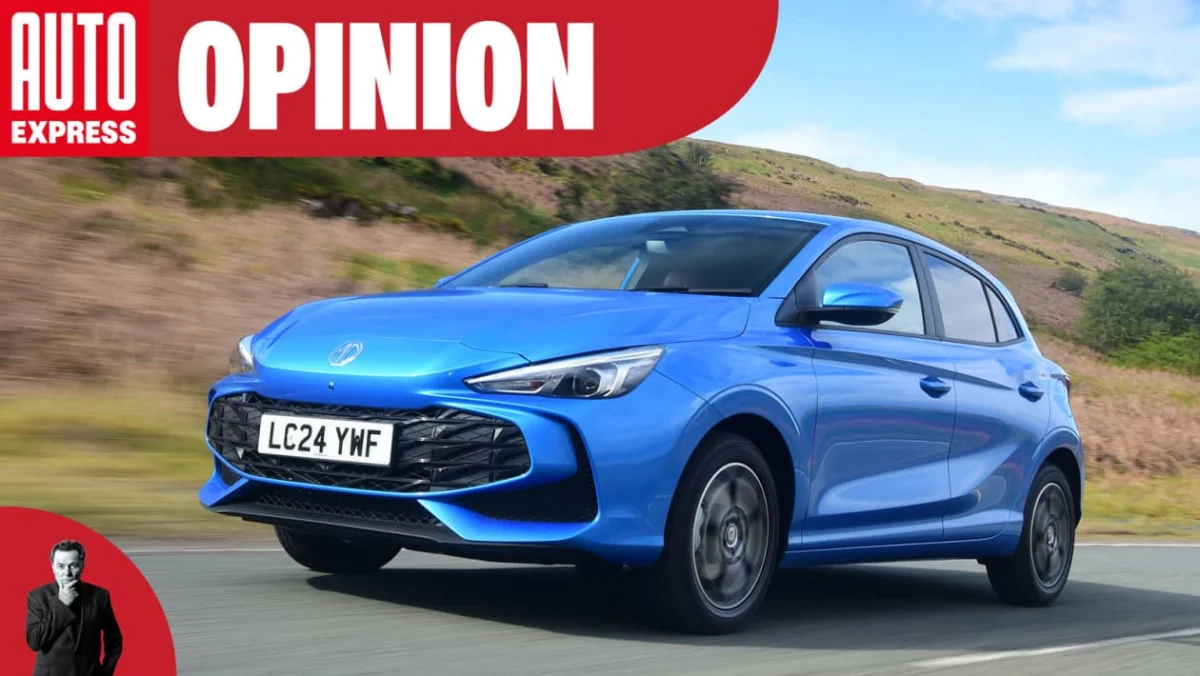
The British automotive landscape is undergoing a seismic shift as 2026 progresses, with MG Motor UK emerging as the primary disruptor of the traditional hierarchy. Once considered a struggling remnant of the domestic industry, the brand—now under the stewardship of the Chinese state-owned giant SAIC Motor—has transitioned from a niche player to a dominant force. Recent registration data and market analysis suggest that MG is not merely competing with established European and Asian manufacturers but is on the verge of claiming the title of the United Kingdom’s most popular "historically British" brand, a position long held by Vauxhall.
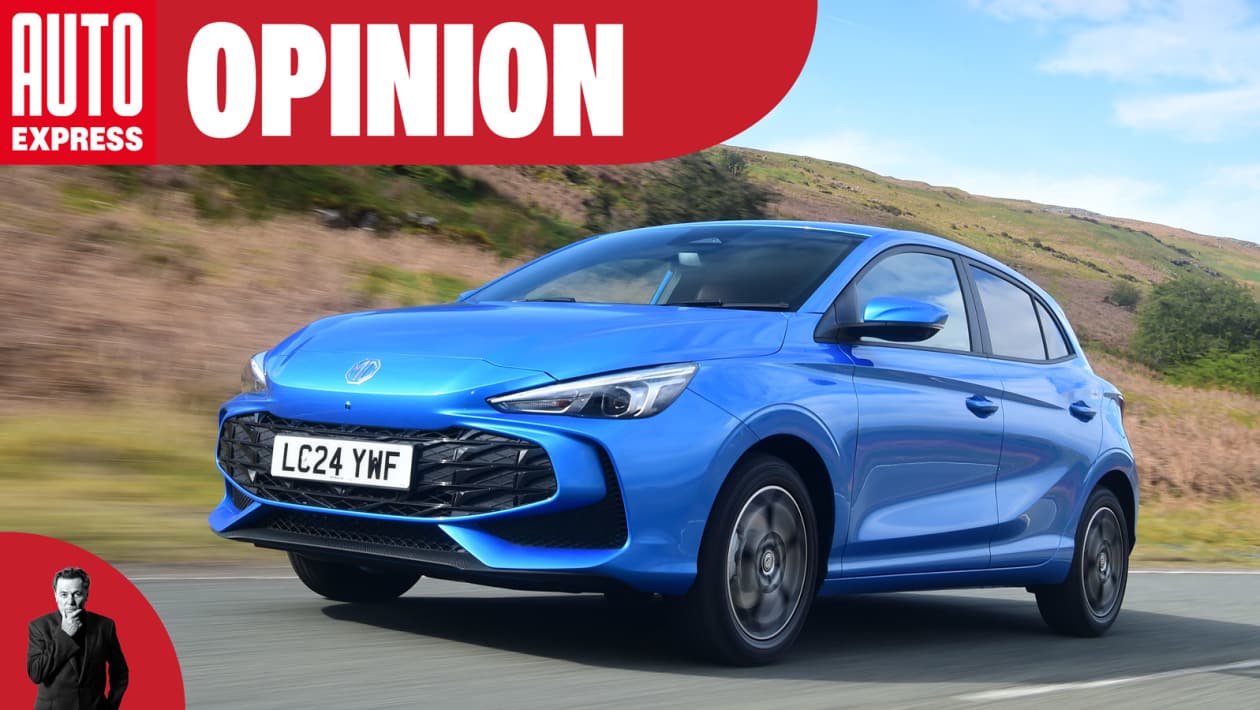
As of July 2026, MG’s trajectory indicates a significant realignment of consumer preferences. The brand’s success is built upon a dual strategy of aggressive pricing and high-specification technology, a combination that has resonated particularly well with private buyers. Unlike many competitors that rely heavily on low-margin fleet contracts and rental agreements to bolster volume, MG has secured a robust foothold in the retail sector. This organic growth among individual consumers suggests a level of brand loyalty and "buy-in" that many industry analysts found unthinkable two decades ago.
The Longbridge Legacy and the SAIC Transformation
To understand the magnitude of MG’s current success, one must look back to the early 2000s, a period that marked the nadir of the brand’s history. Following the collapse of the MG Rover Group in 2005, the Longbridge plant in Birmingham fell silent, leaving the brand orphaned and its future in doubt. At the time, MG was often viewed as a "basket case"—a loss-making entity overshadowed by the relative prestige and investment directed toward former stablemates Jaguar and Land Rover.

The acquisition of MG assets by Nanjing Automobile, which subsequently merged with SAIC Motor, began a slow and often difficult rebuilding process. For years, the brand operated on the fringes of the UK market with a limited product range. However, the pivot toward electrification and the introduction of a new generation of internal combustion engine (ICE) and hybrid vehicles changed the narrative. By the early 2020s, MG began to consistently outsell Jaguar and Land Rover combined in terms of raw unit volume. While Jaguar Land Rover (JLR) moved toward a high-margin, low-volume "House of Brands" strategy, MG focused on the mass market, filling the void left by manufacturers exiting the affordable car segments.
Comparative Sales Analysis: Overtaking the Giants
The first half of 2026 has provided the most compelling evidence yet of MG’s ascent. In the six-month period from January to June, MG solidified its position as the second-highest-selling brand with British heritage, trailing only Vauxhall. However, seasonal data from the summer of 2026 indicates that MG has already begun to outpace Vauxhall in monthly registrations. If this trend continues through the final quarters of the year, MG is projected to finish 2026 as the undisputed leader among domestic-legacy brands.
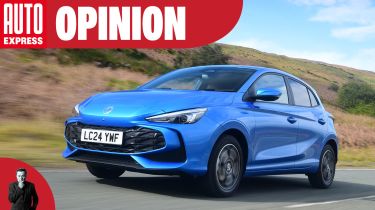
The scale of this achievement is further highlighted by the manufacturers MG has surpassed over the last 12 months. Between June 2025 and June 2026, MG moved ahead of several major global players, including Hyundai, Peugeot, and Skoda. Perhaps most significantly, MG has achieved higher sales volumes than Toyota and Nissan, both of which maintain substantial manufacturing facilities within the UK.
The current overall market pecking order in Britain remains led by the Volkswagen Group, followed by BMW, Kia, Audi, Ford, and Mercedes-Benz. However, MG’s growth rate is currently the highest among the top ten brands. Market analysts predict that after overtaking Vauxhall, MG’s next targets will be Mercedes-Benz and a struggling Ford. Ford, once the perennial leader of the UK car market, has seen its market share erode following the discontinuation of iconic nameplates like the Fiesta and Focus, leaving a vacuum that MG has been quick to exploit.

The Private Buyer Phenomenon
One of the most distinctive aspects of MG’s 2026 performance is the composition of its customer base. Industry data reveals that an unusually high percentage of MG registrations are private, as opposed to fleet or business registrations. This is a critical metric for long-term brand health, as private sales generally offer better margins and indicate stronger consumer desire.
The appeal to private individuals is attributed to a "no-nonsense" value proposition. MG has positioned itself as the provider of "attainable technology." While luxury German marques focus on complex subscription models and high entry prices, MG has focused on providing long warranties, high levels of standard equipment, and competitive financing. This strategy has been particularly effective during a period of economic volatility in the UK, where consumers are increasingly looking for maximum value without sacrificing modern features like advanced driver-assistance systems (ADAS) and integrated connectivity.
Product Innovation: From MG4 to the MG2
The catalyst for this growth has been a revitalized product lineup. The MG4 EV remains one of the best-selling electric vehicles in the country, praised for its rear-wheel-drive dynamics and competitive range. However, the brand is not resting on the success of its existing models.
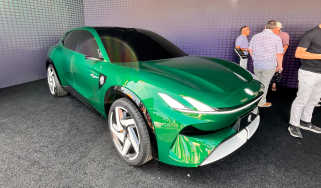
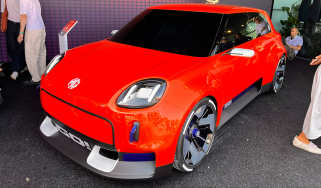
At the 2026 Goodwood Festival of Speed, MG previewed its next phase of expansion. The "MG GO!" concept provided a glimpse into the upcoming MG2, a compact electric supermini slated for a 2027 release. The MG2 is expected to target a price point significantly below current entry-level EVs, potentially bringing electric mobility to a much broader demographic. Additionally, the brand has explored "halo" models to improve brand perception, such as the MG Cyberster roadster and a new D-segment SUV concept that hints at a move into more premium territory.
The Competitive Landscape: Vauxhall and Ford Under Pressure
As MG rises, its primary rivals are facing significant headwinds. Vauxhall, now part of the Stellantis conglomerate, is navigating a complex transition to a fully electric lineup. While Vauxhall remains a formidable competitor with a strong fleet presence and a legacy of popular models like the Corsa and Astra, it is facing stiff competition from MG’s more aggressive pricing structures.
The situation at Ford is even more illustrative of the market’s volatility. Historically the dominant force in British motoring, Ford has shifted its focus toward higher-margin SUVs and commercial vehicles. This move has resulted in a contraction of its total market share, allowing MG to capture buyers who previously would have opted for a Ford hatchback. As Ford’s sales remain stagnant, MG’s rampantly growing order books suggest a permanent changing of the guard is underway.
Manufacturing and Economic Implications
The rise of MG also raises important questions about the definition of a "British" brand in the modern era. While MG’s design and engineering continue to have significant input from its Longbridge-based design studio, the vast majority of its vehicles are manufactured in China and Thailand. This stands in contrast to Nissan’s Sunderland plant or Toyota’s Burnaston facility, which contribute significantly to the UK’s industrial output and employment.
Despite the lack of a large-scale UK assembly line, MG’s success has had a positive impact on the UK retail and service sector. The brand has rapidly expanded its dealership network, creating jobs in sales, maintenance, and logistics. Furthermore, the competitive pressure applied by MG has forced other manufacturers to reconsider their pricing strategies, ultimately benefiting the UK consumer through increased choice and better value.
Broader Impact and Future Outlook
The implications of MG’s success extend beyond simple sales charts. It represents the first successful "mass-market" penetration of a Chinese-owned automotive brand into a major Western European market. MG has served as the vanguard for other Chinese manufacturers, such as BYD, GWM, and Chery, proving that British consumers are willing to embrace new brands if the product and price are right.
As 2026 draws to a close, the focus will be on whether MG can maintain its momentum. Challenges remain, including potential trade tensions regarding EV tariffs and the need to maintain high levels of customer service as the volume of vehicles on the road increases. However, based on current registration trends and the strength of the upcoming product pipeline, Mike Rutherford’s prediction appears increasingly likely. MG is no longer just a "hit"—it is a contender for the top spot in the British automotive market, signaling the end of an era for the traditional incumbents and the beginning of a new, more competitive chapter in UK motoring.
The transition of MG from an "orphaned" brand to a market leader is a testament to the power of strategic investment and a clear understanding of consumer needs. Whether it can eventually unseat Volkswagen as the overall number one remains to be seen, but for now, MG’s sights are firmly set on overtaking Vauxhall and Mercedes-Benz, a feat that would have seemed impossible just a few short years ago.