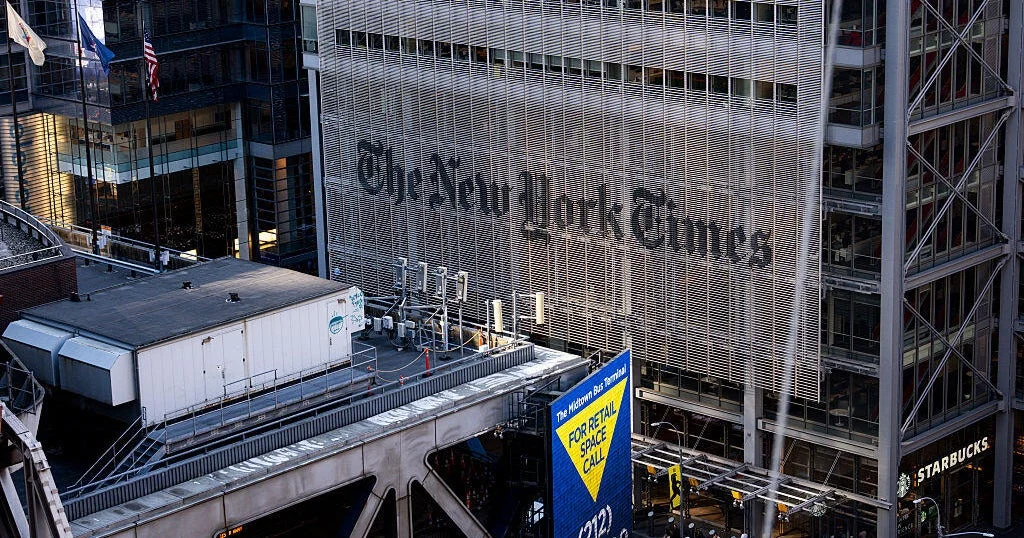
The U.S. Justice Department, in an aggressive move to unmask confidential sources behind a New York Times investigation into the security systems of a Qatar-donated Air Force One aircraft, sought to obtain phone records belonging to several Times reporters and their immediate family members. This unprecedented attempt, revealed through court filings, included subpoenas targeting the spouses of two journalists and the mother of another, signaling a significant escalation in government efforts to curb leaks and identify whistleblowers within federal agencies. The incident has ignited a fierce debate over press freedom, the protection of journalistic sources, and the boundaries of government investigative powers, particularly concerning national security reporting.
Unveiling the Investigation: A Chronology of Events
The saga began with the New York Times’ reporting on July 8 and 9, 2026, which brought to light serious security concerns regarding a newly acquired presidential aircraft. These articles detailed advice from the Secret Service suggesting that President Trump should utilize the older, more securely outfitted presidential plane for his departure from Turkey, rather than the new jet he had flown to the NATO summit in Ankara. The core of the issue revolved around questions regarding the new plane’s defensive military capabilities, which officials reportedly believed were not fully up to par for presidential travel.
- July 1, 2026: President Trump reportedly flew for the first time on the new, Qatar-donated aircraft.
- July 8-9, 2026: The New York Times, followed by CBS News, published reports detailing Secret Service advice for President Trump to use the older Air Force One for his departure from Turkey due to security concerns with the new jet. These reports highlighted the new plane’s hurried entry into service and alleged deficiencies in its defensive capabilities.
- Early July 2026 (exact date not specified): Several New York Times journalists received grand jury subpoenas, demanding their testimony "in regard to an alleged violation of federal criminal law." These initial subpoenas did not specify the nature of the alleged violation but were clearly linked to the Air Force One reporting.
- Mid-July 2026: The Times publicly disclosed the receipt of these grand jury subpoenas, condemning them as an attack on press freedom.
- July 10, 2026 (approximate): The Justice Department issued additional, more expansive subpoenas to third-party phone service providers. These subpoenas sought comprehensive phone records not only for the reporters directly involved in the Air Force One story but also for their spouses and one reporter’s mother.
- July 20, 2026: The New York Times published details of these expanded subpoenas, simultaneously filing motions to quash them in federal court. The newspaper’s legal team vehemently argued that these subpoenas constituted an "abusive and improper" attempt to intimidate journalists and chill their reporting on the Trump administration’s second term.
- July 20, 2026: U.S. District Judge Arun Subramanian, assigned to the case, ordered a temporary halt to the enforcement of all subpoenas, pending a judicial review.
- July 22, 2026: A hearing was scheduled before Judge Subramanian to address the Times’ motions to quash the subpoenas.
The Qatar-Donated Air Force One: A Backdrop of Controversy
The underlying story that triggered the Justice Department’s aggressive leak investigation involves a Boeing 747 aircraft donated to the U.S. government by the Qatari royal family in 2025. This donation itself had sparked controversy, with lawmakers raising both security and ethics concerns about accepting such a substantial gift from a foreign power. The plane underwent approximately ten months of modifications and outfitting before President Trump first utilized it on July 1, 2026.
According to reports from the New York Times and CBS News, U.S. officials expressed significant concerns about the new aircraft’s readiness and defensive capabilities. Sources indicated that the plane was rushed into service and lacked certain desired security features essential for presidential travel. A former U.S. government official, speaking to CBS News, voiced apprehension that insufficient time or resources had been allocated to equip the new jet with the necessary defensive measures to fully meet the stringent requirements for Air Force One.
Initially, President Trump and the White House vehemently denied any security concerns regarding the new jet. President Trump himself dismissed questions about potential threats, stating, "I have a threat all the time. I’m No. 1 on their list," referring to Iran. White House spokesman Steven Cheung asserted that the new plane was "a state-of-the-art aircraft that has been fitted with high-level security protocols that ensure the safety of the President and his staff."
However, this official stance dramatically shifted. On July 20, 2026, White House press secretary Karoline Leavitt announced that President Trump would indeed revert to using the older Air Force One while the new plane underwent additional security upgrades. Leavitt’s statement confirmed that the new aircraft, while "perfectly safe for the President’s travels," would receive "additional upgrades and enhancements in the fall which will take approximately one month to complete." President Trump echoed this sentiment on Sunday, stating the plane would be "maxed out" with upgrades over "about a month." This reversal lent significant credence to the initial media reports that the Justice Department was so aggressively investigating.
The Justice Department’s Subpoenas: A Challenge to Press Freedom
The Justice Department’s actions, particularly the attempt to obtain phone records of reporters’ family members, have been widely condemned by press freedom advocates and legal experts as an alarming overreach. The subpoenas, signed by Jay Clayton – President Trump’s nominee to serve as director of national intelligence and former U.S. attorney in the Southern District of New York – signal a potentially dangerous precedent.
The New York Times’ legal team, led by senior vice president and deputy general counsel David McCraw, argued strenuously against the subpoenas. In court filings, the Times pointed out several deeply troubling aspects of the government’s investigation:
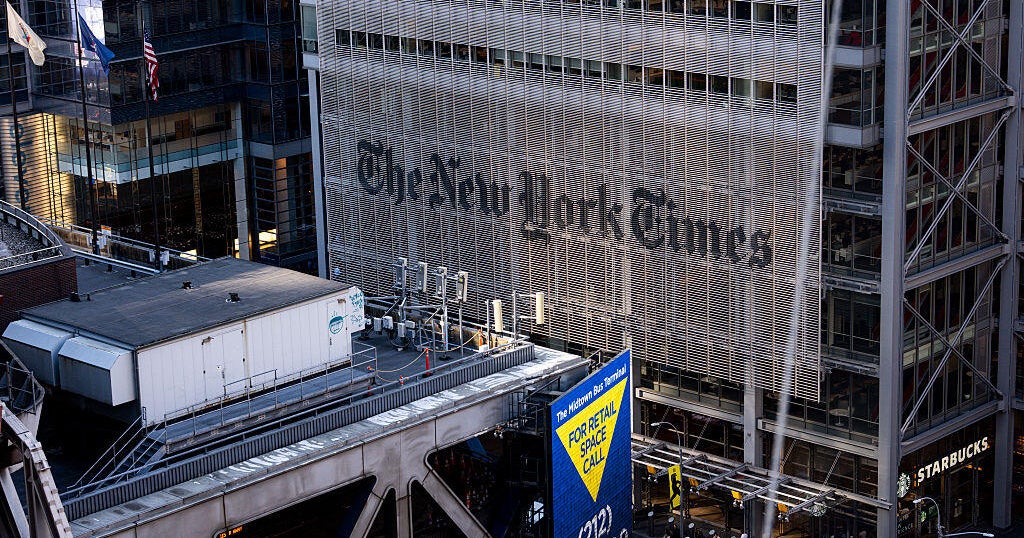
- Broad Scope and Intimidation: The lawyers asserted that the government’s disclosures were "deeply troubling for obvious reasons" and part of the Justice Department’s "bad-faith efforts to intimidate the Journalists and chill their ability to report" on the Trump administration. Extending subpoenas to family members, who are not involved in journalistic activities, is seen as a particularly aggressive tactic designed to exert maximum pressure and create a "chilling effect" that discourages sources from coming forward.
- Excessive Timeframe: Two of the subpoenas sought phone records dating back to January 1, 2026, months before any public reporting on the new plane’s security issues commenced. The Times argued that this extended timeframe "strongly suggests that the department is using this investigation not to focus on any purported concerns arising from the July 8 and 9 articles, but instead to forage for information about the journalists’ source relationships more broadly." This indicates a potential "fishing expedition" rather than a targeted inquiry.
- Violation of DOJ Policy: Crucially, the Times’ lawyers alleged that the Justice Department violated its own long-standing policies regarding subpoenas to news organizations. Federal regulations and internal DOJ guidelines typically require stringent procedures before seeking information from the press, including high-level approval and, significantly, prompt notification to the media organization. The Times claimed the DOJ waited a week to notify them about the third-party phone record subpoenas, a clear breach of these protocols designed to protect press freedom.
A Justice Department spokesperson, in a brief response, maintained that the DOJ subpoenas were "in full compliance with federal law and internal department policy." However, this assertion is directly challenged by the Times’ detailed legal arguments.
Historical Context and Implications for Journalism
The government’s pursuit of journalists’ records is not without precedent, but the targeting of family members marks a particularly aggressive turn. Historically, various administrations have grappled with the tension between national security interests and press freedom.
- Obama Administration: Faced criticism for its aggressive leak investigations, which included subpoenaing phone records of Associated Press journalists and designating a Fox News reporter as a potential "co-conspirator" in a leak case. These incidents led to a review and strengthening of DOJ guidelines concerning media subpoenas.
- Trump Administration (First Term): Also pursued leak investigations vigorously, with Attorney General Jeff Sessions famously stating a ramp-up in such probes. The rhetoric from the White House often characterized critical media as "fake news" and "enemies of the people," contributing to an environment where journalists felt increasingly under siege.
The current incident revives and intensifies these concerns. The primary fear among press freedom advocates is the "chilling effect" — that aggressive government actions will deter confidential sources from providing information to journalists, even when that information is clearly in the public interest. Whistleblowers, often risking their careers or even freedom, rely on the promise of anonymity to expose waste, fraud, or abuse within government. If the government can easily trace their communications through journalists’ or their families’ phone records, this vital channel for public oversight could be severely compromised.
The specific violation of DOJ guidelines, if proven, further undermines public trust. These guidelines are meant to provide a framework that balances legitimate law enforcement needs with constitutional protections for a free press. Bypassing or disregarding them suggests a willingness to prioritize leak detection over established norms for engaging with the media.
The Road Ahead: Judicial Scrutiny and Broader Impact
The intervention of U.S. District Judge Arun Subramanian, who ordered a pause on all subpoena enforcement, provides a crucial moment for judicial review. The upcoming hearing will be a critical test of the balance between government investigative powers and the First Amendment’s protections for the press. The judge’s ruling could set an important precedent for future interactions between the Justice Department and news organizations.
Legal experts suggest that the Times’ arguments, particularly concerning the violation of DOJ policy and the broad scope targeting family members, are strong. Courts have historically been wary of government actions that could unduly impede the functioning of a free press.
Beyond the immediate legal battle, this episode carries significant implications:
- Source Protection: It underscores the precarious nature of source protection in the digital age, where metadata can reveal patterns of communication even if content remains encrypted.
- Government Transparency: The aggressive stance taken by the Justice Department, especially given the eventual White House admission of security concerns regarding the plane, raises questions about the administration’s commitment to transparency and its tolerance for uncomfortable truths reported by the media.
- Role of DNI Nominee: The involvement of Jay Clayton, President Trump’s nominee for Director of National Intelligence, in signing these subpoenas adds another layer of scrutiny. His actions in this case will undoubtedly be examined during his confirmation process, potentially raising concerns about his approach to intelligence oversight and civil liberties.
- Public Discourse: Such high-profile confrontations between the government and major news organizations erode public trust in both institutions, polarizing public discourse around national security and media credibility.
As the legal proceedings unfold, the case of the New York Times and the Air Force One leak investigation will serve as a stark reminder of the ongoing struggle to safeguard press freedom in an era of heightened government scrutiny and increasingly sophisticated surveillance capabilities. The outcome will be closely watched by journalists, legal scholars, and civil liberties advocates worldwide.