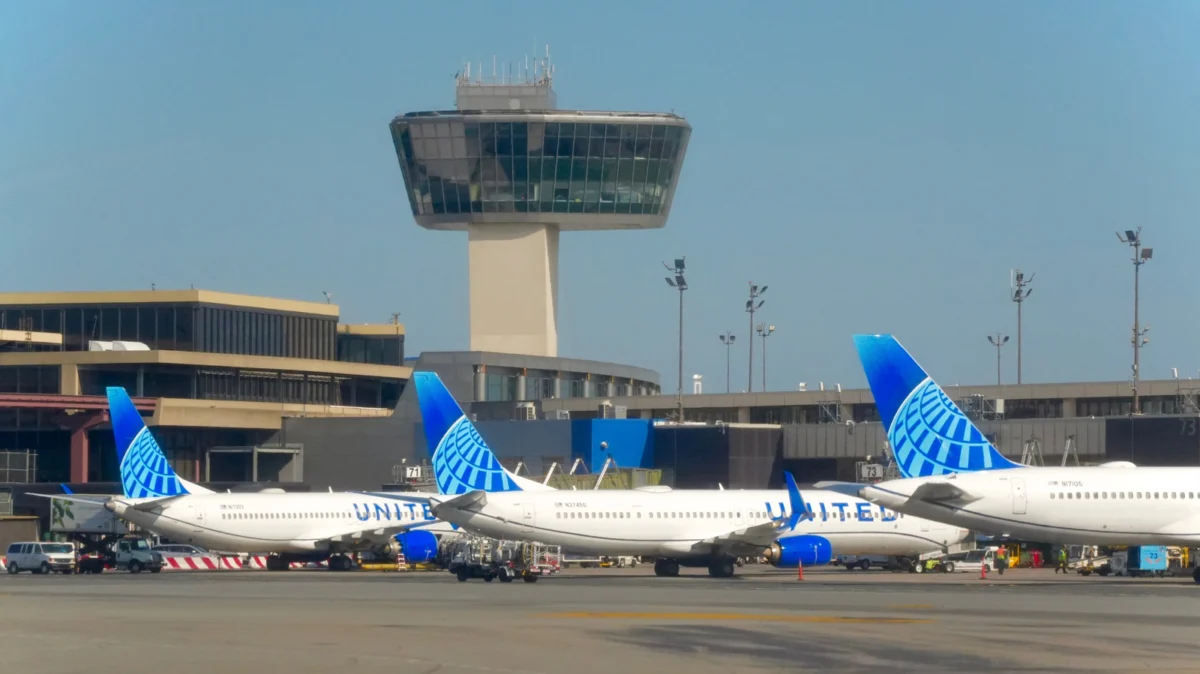
Air travel across the United States Mid-Atlantic region faced severe disruptions after a critical telecommunications infrastructure failure grounded flights at several of the nation’s busiest airports. The incident, triggered by a severed fiber-optic cable in New Jersey, crippled regional communication links and exposed vulnerabilities in the air traffic control network serving the New York metropolitan area and Philadelphia.
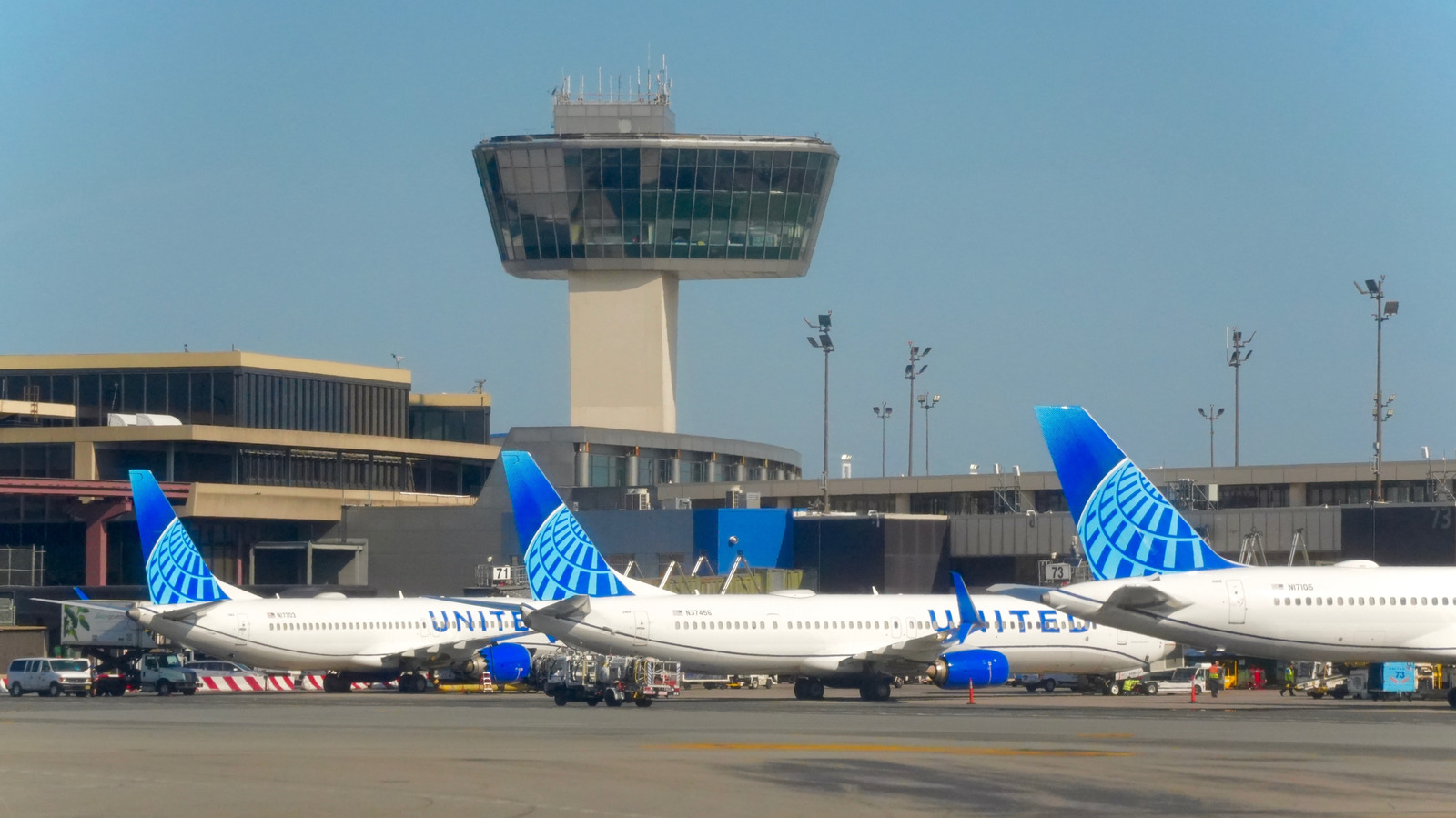
The disruption occurred as world leaders, diplomats, and international delegations converged on New York City for the United Nations General Assembly, compounding the logistical challenges of managing high-volume airspace. Major commercial hubs, including Newark Liberty International Airport, John F. Kennedy International Airport, LaGuardia Airport, Teterboro Airport, and Philadelphia International Airport, were forced to implement sweeping ground stops or severe capacity restrictions.
Anatomy of the Outage: How a Severed Line Grounded the Northeast
The cascading system failure began along the heavily utilized Northeast Corridor when an Amtrak construction contractor accidentally severed a fiber-optic cable in New Jersey, specifically in the segment between New Brunswick and Newark.
In modern aviation, air traffic control operations rely heavily on redundant systems to ensure continuous communication between aircraft and ground control. However, the timing and location of the cable cut bypassed critical safeguards. A primary circuit blew at the Philadelphia Terminal Radar Approach Control (TRACON) facility. Designed to act as a failsafe and a relief valve for the heavily congested New York airspace, Philadelphia TRACON’s backup communications network depended on the Verizon fiber-optic line that was damaged during the excavation work.
With both the primary circuit compromised and the secondary fiber-optic line severed, radar and communication feeds degraded rapidly. Verizon representatives subsequently stated that the telecommunications provider bore no operational responsibility for the accidental cut, pointing instead to the third-party construction activity on the rail corridor.
A Strained Airspace: The Background of Philadelphia TRACON
The disruption placed an immediate spotlight on the fragile ecosystem of Northeast air traffic management. The Federal Aviation Administration has historically faced immense pressure managing the densely packed airspace surrounding New York City, widely recognized as one of the most complex aviation environments in the world.
To alleviate systemic congestion and reduce the staggering workload on controllers at the New York TRACON facility, the FAA implemented a significant structural shift. The agency transferred approximately 100 square miles of Newark’s surrounding airspace oversight to the Philadelphia TRACON facility. While the realignment was intended to distribute traffic more evenly and improve overall efficiency, it inadvertently created a single point of failure. Monday’s incident demonstrated the inherent risk of consolidating regional radar approach control onto interconnected digital pathways that remain vulnerable to physical infrastructure damage.
Immediate Operational Impacts and Flight Chaos
The ripple effects of the communication outage were felt immediately across the national aviation network. The FAA issued sweeping ground stops for arriving and departing traffic at Newark Liberty, John F. Kennedy, LaGuardia, Teterboro, and Philadelphia.
While some limited operations resumed hours later at select facilities—with LaGuardia and Philadelphia slowly introducing restricted capacity—the backlog caused catastrophic delays. Newark Liberty International Airport bore the brunt of the operational meltdown. According to flight tracking data from FlightAware, more than 600 flights scheduled through Newark were canceled by midday, leaving thousands of passengers stranded in terminals or diverted to regional airports along the Eastern Seaboard.
Airlines scrambled to accommodate affected travelers, issuing travel waivers and urging passengers to check flight statuses before heading to airports. The timing of the ground stops complicated international travel itineraries, particularly for foreign dignitaries and delegates arriving for high-level diplomatic engagements in New York.
Timeline of the Incident and Repair Efforts
Federal authorities and utility crews mobilized quickly to assess the damage and execute emergency repairs along the rail corridor.
- Early Morning: Amtrak construction contractors operating along the Northeast Corridor in New Jersey sever a primary Verizon fiber-optic cable between New Brunswick and Newark.
- Morning Rush: A major circuit failure occurs simultaneously at the Philadelphia TRACON facility. The primary system outage combined with the severed backup fiber-optic link causes a regional communication blackout.
- Mid-Morning: The FAA implements emergency ground stops across major metropolitan hubs, including Newark Liberty, JFK, LaGuardia, Teterboro, and Philadelphia. Flight operations grind to a complete halt.
- Late Morning: Federal Aviation Administrator Bryan Bedford provides an initial damage assessment, estimating that physical repairs to the severed underground cable will require approximately 13 hours of continuous work.
- Early Afternoon: Limited departures and arrivals resume under restricted capacity at select airports, such as LaGuardia and Philadelphia, while Newark continues to experience widespread cancellations.
Official Responses and Political Debate
As technical crews worked feverishly to splice the fiber-optic lines, federal officials weighed in on the broader implications of the infrastructure failure.
Transportation Secretary Sean Duffy addressed the crisis via social media, pointing to the incident as evidence of persistent underfunding and aging infrastructure within the national airspace system. Duffy emphasized the urgent need for comprehensive modernization initiatives to upgrade the technological backbone supporting air traffic control across the United States.
However, aviation safety experts and infrastructure specialists noted that the crisis extended beyond federal budget allocations, underscoring a fundamental breakdown in operational protocol at the local level. Critics highlighted the recurring issue of utility contractors failing to properly coordinate excavation projects with local authorities and telecommunication providers. The incident reinvigorated public safety campaigns centered on the golden rule of subterranean construction: verifying utility locations and contacting local call-before-you-dig services prior to breaking ground.
Broader Implications for National Infrastructure
The Northeast corridor disruption serves as a stark reminder of the physical vulnerabilities underpinning modern digital networks. Critical systems—ranging from financial markets and telecommunications to national aviation infrastructure—frequently rely on physical assets such as underground fiber-optic cables that remain exposed to accidental damage from routine construction and civil engineering projects.
As the FAA and telecommunications providers complete repairs and conduct post-incident reviews, pressure is mounting on regulatory bodies to mandate enhanced physical protection, deeper burial standards, and more robust redundancy protocols for communication lines critical to national security and public transportation. For millions of travelers, however, the immediate takeaway remains a cautionary tale of how a single stroke of a mechanical excavator miles away can bring the nation’s premier travel corridors to a sudden and chaotic standstill.