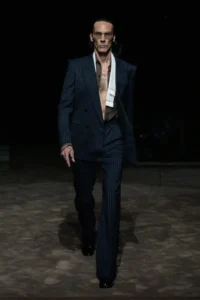
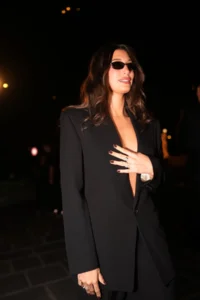
Each week, ELLE editors break down the buzziest celebrity looks and reveal exactly where you can shop them. From exact matches to editor-approved alternatives, this is your one-stop destination for turning star-powered fashion moments into shoppable inspiration. This editorial practice represents a significant shift in the fashion media landscape, moving away from passive consumption toward a highly integrated model of commerce and journalism. By blending aesthetic analysis with direct retail access, fashion publications are redefining their role in the consumer journey, effectively shortening the distance between an aspirational red-carpet moment and the point of purchase.
The Mechanism of Modern Fashion Journalism
The contemporary approach to fashion reporting has transitioned from descriptive prose to functional utility. Readers no longer seek only to identify the designer behind a gown or a suit; they demand the infrastructure to acquire the look for themselves. This transformation is underpinned by a rigorous editorial process. Every product featured on ELLE.com is independently researched, tested, or editor-approved. We only recommend products that we stand behind, and the merchandise featured on our site is always driven by editorial and product testing standards, not by affiliate deals or advertising relationships. Any content created in partnership with advertisers is marked as such.
This adherence to editorial integrity serves as a critical differentiator in an era of influencer-led marketing, where the lines between paid endorsements and genuine product recommendations are frequently blurred. By maintaining a separation between commercial revenue streams and editorial selection, publications ensure that the trust equity built with the reader remains intact.
Chronology of the Shoppable Editorial Model
The integration of e-commerce into editorial content did not occur overnight. The evolution can be traced through several distinct phases:
- The Analog Era (Pre-2005): Fashion magazines functioned primarily as arbiters of taste. Readers would see a look in a print spread and spend weeks scouring boutiques or department stores to find similar items.
- The Digital Transition (2005–2012): Early fashion blogs began providing direct links to retailers. This empowered the consumer, as the information asymmetry that once favored high-end stylists began to dissipate.
- The Integrated Platform Era (2013–2019): Major publishers began acquiring or developing internal affiliate networks, allowing them to monetize traffic directly through "click-to-buy" links embedded in article body text.
- The Real-Time Shoppable Era (2020–Present): The rise of social media speed has mandated that editors provide shoppable alternatives within hours of a major event. Today, a look spotted at a film festival or an awards gala is often analyzed and presented with shopping links before the ceremony has even concluded.
Supporting Data and Market Trends
The shift toward shoppable content is supported by significant changes in consumer behavior. According to recent retail analytics, approximately 62% of Gen Z and Millennial shoppers report that they have discovered a new product through social media or digital editorial content and proceeded to purchase it within 24 hours. This "see-now-buy-now" mentality has pressured media outlets to optimize their workflows.
Furthermore, the "celebrity effect"—the measurable impact a high-profile individual has on a brand’s sales—has become a cornerstone of modern fashion economics. Data from luxury fashion search engines indicates that a viral celebrity look can result in a 300% to 500% increase in search volume for a specific brand or garment category within 48 hours of exposure. Editors now monitor these spikes in real-time, using data-driven insights to determine which trends deserve the most significant editorial coverage.
Official Responses and Industry Perspectives
Industry analysts and brand representatives have weighed in on this evolving ecosystem. From the perspective of luxury houses, the involvement of major editorial outlets in the retail process is viewed as a validation of their marketing efforts. A spokesperson for a leading global fashion conglomerate noted, "The symbiotic relationship between press coverage and retail availability is essential. When a publication provides the link to purchase, it reduces the friction in the consumer’s decision-making process, which ultimately benefits the brand’s bottom line."
Conversely, independent designers have expressed mixed reactions. While the exposure is invaluable, the pressure to provide accessible alternatives can sometimes dilute the exclusivity of a luxury product. "The challenge," notes a fashion industry consultant, "is maintaining the aspirational nature of the luxury garment while simultaneously offering the consumer a path to ownership through alternative, often lower-priced, options."
The Broader Impact on Consumer Behavior
The implications of this editorial shift are profound. By curating the vast landscape of fashion options, editors serve as essential filters. In an age of infinite digital choice, the value of the "editor-approved" label has increased. It provides a shorthand for quality, fit, and style, effectively managing the "paradox of choice" for the modern consumer.
Furthermore, this model has fostered a more democratic approach to high-fashion consumption. By identifying "exact matches" for high-end pieces and pairing them with "editor-approved alternatives" at various price points, publications make high-concept fashion accessible to a broader demographic. This ensures that the aesthetic influence of celebrities is not limited to those with unlimited budgets, but is instead accessible to the average reader who values both style and substance.
Analytical Outlook: The Future of Editorial Commerce
As technology continues to advance, the next phase of this evolution will likely involve AI-powered visual recognition. Already, we are seeing tools that allow users to upload a photo of a celebrity look to automatically find matching products across the web. While this technology poses a threat to traditional editorial curation, it also provides an opportunity. The human element—the taste, the context, and the editorial voice—remains the key factor that automated systems cannot replicate.
The future of fashion journalism will likely be defined by a hybrid model. Editors will increasingly utilize AI to handle the labor-intensive task of identifying products and cross-referencing availability, while focusing their human expertise on the narrative—explaining why a look works, the cultural significance of the designer’s choice, and how the trend fits into the broader seasonal narrative.
Ultimately, the goal of this editorial structure remains consistent: to provide a bridge between the dream of high-fashion and the reality of the consumer’s wardrobe. As long as celebrity style continues to capture the cultural imagination, the demand for curated, shoppable, and expert-vetted fashion journalism will continue to grow. The integration of commerce into journalism is no longer an ancillary feature; it is the fundamental utility upon which modern fashion media is built. By maintaining rigorous standards and prioritizing the reader’s needs, publications are ensuring their relevance in an increasingly fast-paced and competitive digital marketplace.