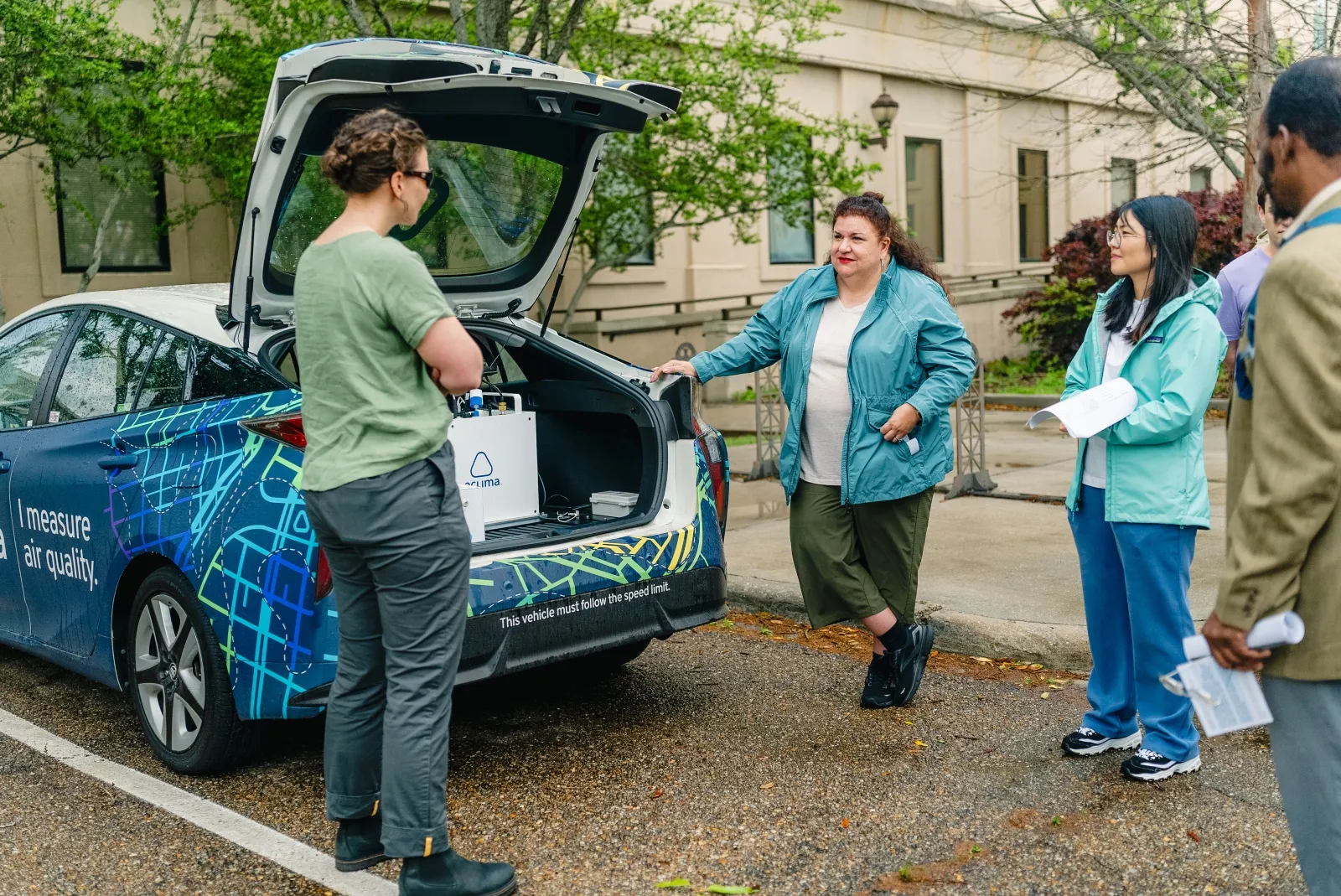
Across much of the United States, residents living in the shadow of major industrial facilities operate in an information vacuum, with virtually no reliable way of knowing when the air they breathe becomes hazardous to their health. This transparency deficit is the product of a dual crisis: a deteriorating federal and state public air-monitoring infrastructure, paired with an aggressive, coordinated legislative campaign by chemical and manufacturing trade groups to outlaw the use of citizen-collected data in regulatory enforcement.
The consequences of this monitoring gap are growing increasingly severe. Climate-driven heat waves are exacerbating ground-level ozone formation, a surge in catastrophic wildfires is carrying toxic smoke across state lines, and energy-hungry data centers are driving a new wave of localized emissions. Meanwhile, federal oversight has shifted dramatically; under the current administration, the Environmental Protection Agency (EPA) has repeatedly delayed, weakened, or canceled critical emissions mandates and community monitoring grants.
Faced with an aging and shrinking public regulatory apparatus, grassroots communities have increasingly invested in low-cost sensors to track pollution in their neighborhoods. However, a comprehensive investigation by the nonprofit newsroom Floodlight reveals that industry stakeholders are successfully closing that avenue as well. Beginning in 2024, lawmakers in states like Louisiana, Ohio, and Kentucky enacted industry-backed bills explicitly barring regulatory agencies from utilizing citizen-collected data for enforcement unless it adheres to rigorous, cost-prohibitive federal standards.
A Fading Early-Warning System: The Decline of Public Air Monitoring
The framework for the nation’s air quality monitoring network was established under the landmark Clean Air Act of 1963. Over subsequent decades, this network evolved into a vast early-warning system comprising thousands of monitoring stations—housed in structures ranging from climate-controlled sheds to rooftop installations—designed to track criteria pollutants and dangerous carcinogens like benzene, vinyl chloride, and chloroprene.
For generations, this infrastructure provided regulators with the empirical data necessary to identify environmental hazards and penalize polluters, contributing to significant reductions in nationwide air pollution. However, according to Chet Wayland, who directed the EPA’s Air Quality Assessment Division for nearly twenty years, the system is now heavily compromised. Federal funding has steadily eroded, leaving much of the remaining equipment outdated, poorly positioned, and incapable of detecting contemporary industrial hazards.
The contraction is particularly glaring in the tracking of hazardous air toxics. Between 2004 and 2025, federal and state monitoring networks tracking vinyl chloride—the notorious carcinogen central to the catastrophic 2023 train derailment in East Palestine, Ohio—shrank by more than 50 percent. Similar reductions plagued networks monitoring chloroprene and benzene.
Data analyses of major industrial facilities in Kentucky, Louisiana, Ohio, and West Virginia underscore the alarming disconnect between industrial output and regulatory oversight. In these four states, 71 out of the 100 largest industrial polluters release chemicals as their primary emission that are not measured by a single government-operated air monitor within the state. Prominent industrial toxins, including hydrochloric acid, sulfuric acid, and methanol, are entirely absent from the monitoring portfolios reported to the EPA.
A 2025 study co-authored by Penn State assistant professor Nelson Roque highlighted the staggering scale of this oversight failure, revealing that nearly 60 percent of U.S. counties lack a single public air monitor. These monitoring deserts disproportionately affect marginalized populations; EPA demographic analyses consistently show that Black and low-income communities bear a disproportionate share of the nation’s elevated cancer risks stemming from toxic air emissions.
Legislative Blockades: The Push for CAMRA and Similar State Laws
As public infrastructure receded, impacted communities attempted to fill the void using grassroots data collection. In Louisiana, a national hub for oil, gas, and petrochemical refining, the Louisiana Environmental Action Network (LEAN) secured a $500,000 grant under the Biden administration’s Inflation Reduction Act to establish community air monitoring networks across 27 designated pollution hotspots. However, LEAN managed to deploy monitors in only four communities before the federal grant was abruptly canceled by the incoming Trump administration.
Simultaneously, the political landscape shifted decisively in favor of industrial polluters. In 2024, Louisiana became the first state to pass the Community Air Monitoring Reliability Act (CAMRA). Drafted with the direct assistance of the Louisiana Chemistry Association (LCA), the statute prohibits state and local regulators from utilizing non-EPA-approved air monitoring data in enforcement or regulatory actions, citing the necessity for strict "science-based standards."
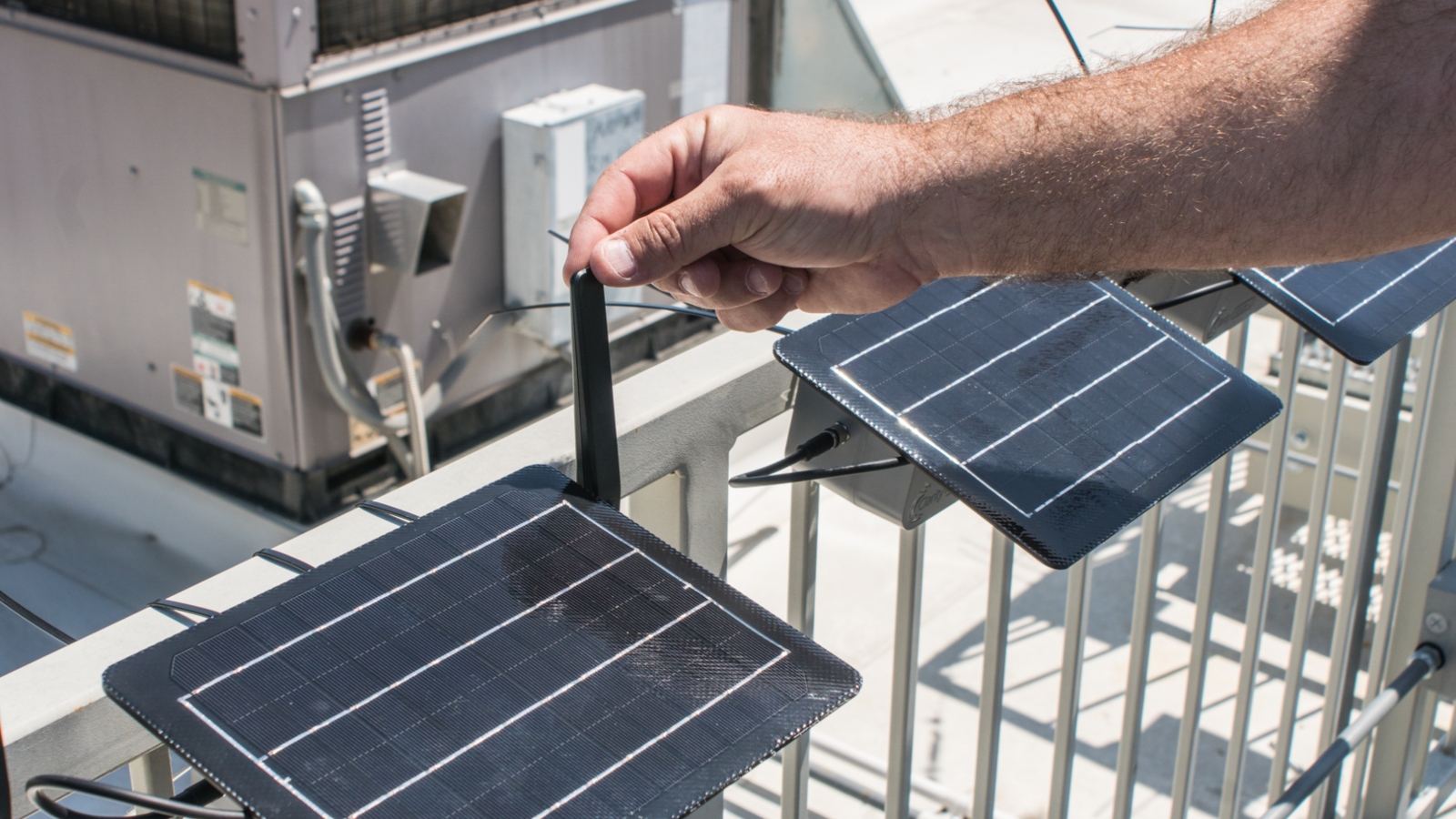
David Cresson, president of the LCA, defended the legislation, arguing that it simply establishes baseline accountability, ensuring that legal enforcement actions rely exclusively on validated U.S. EPA methodology while leaving residents free to monitor air quality for personal information.
The legislative playbook quickly spread to neighboring jurisdictions. In March 2025, Kentucky lawmakers enacted House Bill 137, mirroring Louisiana’s restrictions on citizen science. The measure was heavily lobbied by industry heavyweights, including the Kentucky Chemical Council, the American Petroleum Institute, Dow Chemical, and Chemours. Lloyd "Rusty" Cress of the Kentucky Chemical Council emphasized that the state required "scientifically defensible" testing methods before any regulatory action could be pursued.
In Ohio, a similar restriction was inserted into the state budget bill without a named sponsor, effectively neutralizing community-based air monitoring data. The measure also targeted Ohio’s historic "air nuisance rule," which had historically empowered citizens to take direct legal action against companies whose noxious emissions threatened public health. The Ohio Chemistry Technology Council and the Ohio Chamber of Commerce backed the measure, with chamber general counsel Tony Long comparing uncalibrated community monitors to "an uncalibrated speed gun" that could spread misinformation and spur frivolous litigation.
The legislative efforts have faced fierce legal pushback. Miranda Leppla, an attorney representing environmental coalitions, filed a lawsuit challenging the Ohio budget provision. Among the plaintiffs is Donna Ballinger, a Middletown, Ohio resident living adjacent to a sprawling steel manufacturing facility. Ballinger reports that soot and particulate matter routinely rain down onto her property, while chemical fumes regularly irritate her eyes and throat. Despite mounting a personal air monitor in her front yard, Ohio’s new legal framework bars her from using the collected data as legal evidence of nuisance conditions.
In West Virginia, parallel legislative efforts backed by the West Virginia Manufacturers Association stalled repeatedly between 2024 and 2026. A compromise bill that would have permitted regulatory use of community data meeting manufacturer standards was aggressively rejected by industry groups. Internal emails obtained by investigative journalists revealed that representatives from chemical giant Chemours and the state manufacturers’ association dismissed the compromise as "toothless" and designed to codify the exact oversight mechanisms they sought to dismantle.
National Lobbying and Federal Rollbacks
At the federal level, major chemical trade associations have capitalized on the changing political climate to secure sweeping rollbacks on air toxics regulations. The American Chemistry Council (ACC), the national counterpart to the LCA, spent upwards of $22 million on federal lobbying in 2024 alone, ranking among the country’s most prolific lobbying spenders.
Alongside the American Fuel & Petrochemical Manufacturers, the ACC successfully petitioned the federal government for regulatory relief. While failing to secure a blanket two-year exemption from strict Biden-era rules designed to cut toxic emissions by nearly 80 percent across roughly 200 chemical plants, they succeeded on an individual basis. President Trump’s EPA has since granted exemptions to more than 60 petrochemical facilities, with agency officials actively evaluating the complete rescission of the rule. Furthermore, the ACC successfully lobbied against mandatory fenceline monitoring requirements for ethylene oxide—a potent carcinogen heavily concentrated in industrial corridors like Louisiana’s infamous "Cancer Alley."
Empirical Proof: The Efficacy of Rigorous Monitoring
Defenders of industry argue that restrictions on community data are vital to maintaining legal precision, but empirical evidence demonstrates that expanded monitoring directly drives compliance and public health improvements.
A prominent example occurred in 2018, when federal regulators mandated that U.S. refineries conduct continuous fenceline monitoring for benzene. According to an analysis by the Environmental Integrity Project, the number of domestic refineries exceeding the EPA’s benzene action threshold dropped by 50 percent within five years of the rule’s implementation. Conversely, proactive states that embrace transparent monitoring, such as California, have successfully utilized localized sensor networks to swiftly identify industrial leaks and hold corporate actors accountable.
Despite these proven benefits, millions of Americans residing near industrial complexes remain entirely in the dark. For residents like Reonda Victor, who lives in Louisiana’s heavily industrialized corridor between Baton Rouge and New Orleans—where a history of familial cancer losses contrasts sharply with local air monitoring limited exclusively to lead testing—the stakes could not be higher.
"Without information, we don’t know," Victor said, encapsulating the plight of communities nationwide as they navigate an era of declining federal oversight, expanding industrial emissions, and state-sanctioned limits on their right to measure the air they breathe.