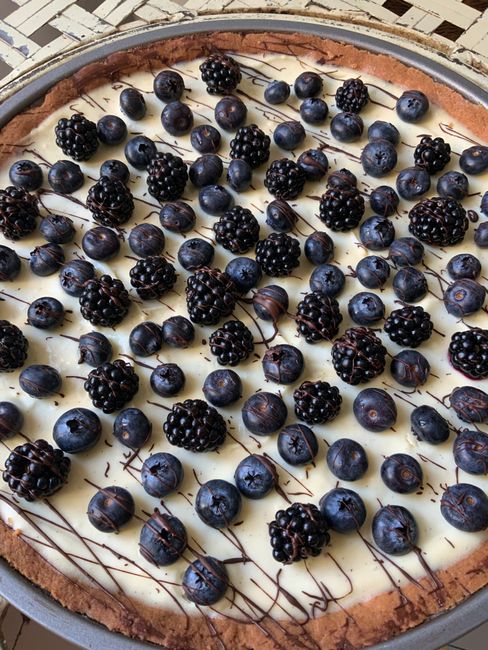
Allrecipes.com Low Carb Pie Crust: A Comprehensive Guide to https www allrecipes com recipe 284717
The search for a truly satisfying low-carb pie crust can be a culinary quest, often leading to compromises in texture, flavor, or ease of preparation. However, the recipe found at https://www.allrecipes.com/recipe/284717/low-carb-pie-crust/ offers a compelling solution for those adhering to ketogenic, low-carbohydrate, or gluten-free diets. This article will delve deep into this specific recipe, exploring its ingredients, methodology, potential variations, and the principles that make it a successful low-carb alternative to traditional flour-based crusts. We will also discuss its SEO implications and how to optimize content around such recipes for wider discoverability.
At its core, the Allrecipes.com low carb pie crust, identified by the URL https://www.allrecipes.com/recipe/284717/low-carb-pie-crust/, is a testament to the adaptability of modern baking. Traditional pie crusts rely on wheat flour, a high-carbohydrate ingredient, for their structure and texture. This recipe strategically replaces wheat flour with a blend of low-carb flours, primarily almond flour and coconut flour, which are staples in ketogenic and low-carb baking. Almond flour, derived from ground almonds, provides a rich, nutty flavor and a good source of healthy fats and protein. Coconut flour, known for its extreme absorbency, plays a crucial role in creating a flaky and tender texture, while also contributing a subtle sweetness. The combination of these flours, when balanced correctly, mimics the desirable characteristics of a conventional pie crust, preventing the common pitfalls of dryness or greasiness often associated with less refined low-carb alternatives.
The recipe’s leavening agent is typically a small amount of baking powder, which aids in achieving a lighter texture. Fat is another critical component. This recipe likely utilizes butter or a similar fat, such as coconut oil, which is essential for creating flakiness and binding the ingredients. The emulsification properties of fat, when combined with the dry ingredients, contribute to the distinct layers characteristic of a good pie crust. The inclusion of an egg or eggs serves as a binder, holding the ingredients together and providing richness. Some variations might also incorporate a touch of sweetener, such as erythritol or stevia, to further enhance the flavor profile and balance any potential bitterness from the almond flour. Salt is, of course, a non-negotiable ingredient for any baked good, enhancing all other flavors and contributing to the overall palatability of the crust.
The methodology outlined in the https://www.allrecipes.com/recipe/284717/low-carb-pie-crust/ is generally straightforward, making it accessible to bakers of all skill levels. The process typically begins with combining the dry ingredients. This ensures even distribution of the flours, any sweeteners, and salt. Then, the fat is incorporated. For butter, this is often done by cutting it into the dry ingredients until the mixture resembles coarse crumbs, a technique that creates small pockets of fat that will melt during baking, leading to flakiness. If a liquid fat like melted coconut oil is used, it is typically mixed in until just combined. The egg(s) are then added and mixed until a cohesive dough forms. It is important not to overmix low-carb doughs, as this can result in a tough crust.
The handling of low-carb doughs differs slightly from traditional doughs. Because they lack gluten, they can be more fragile. The recipe likely advises chilling the dough before rolling it out. This chilling period allows the fats to firm up, making the dough easier to handle and preventing it from sticking excessively. Rolling the dough between two pieces of parchment paper is a common and highly effective technique for low-carb crusts. This method prevents sticking to the rolling pin and the work surface, and it also makes it easier to transfer the rolled-out dough to the pie plate. A gentle touch is paramount when pressing the dough into the pie plate and crimping the edges. Overworking the dough at this stage can lead to a dense and unappealing texture.
The baking instructions for this low-carb pie crust are crucial for achieving optimal results. Often, a pre-bake, or blind bake, is recommended, especially if the pie filling is not baked or requires a shorter baking time. This involves baking the empty crust with pie weights or dried beans to prevent it from puffing up or shrinking excessively. The temperature and duration of the blind bake will vary depending on the recipe, but it’s designed to set the crust and give it a slightly golden hue. Some recipes might suggest a lower temperature and longer baking time for low-carb crusts to ensure they cook through without burning, given that almond and coconut flours can brown more quickly than wheat flour. The finished crust should be golden brown and firm to the touch.
The beauty of the recipe at https://www.allrecipes.com/recipe/284717/low-carb-pie-crust/ lies in its versatility. While the base recipe is excellent, there are numerous ways to adapt it to suit specific flavor profiles and dietary needs. For a richer, more decadent crust, a higher proportion of almond flour can be used, or a tablespoon or two of cocoa powder can be incorporated for a chocolate crust. Adding finely chopped nuts, like pecans or walnuts, can provide an extra layer of flavor and texture. For a savory application, herbs like rosemary or thyme, or spices like garlic powder or onion powder, can be added to the dry ingredients. Ensuring these additions are also low-carb is important for maintaining the dietary integrity of the crust.
For those with nut allergies, the recipe may present a challenge, as almond flour is a primary ingredient. However, alternative low-carb flours exist. Sunflower seed flour or pumpkin seed flour can be used as substitutes for almond flour, though they will alter the flavor profile. Coconut flour’s absorbency is unique, so it’s often best to keep it as a component, potentially reducing its quantity slightly and compensating with another low-carb flour if substituting. Gluten-free adaptations are inherently addressed by this recipe due to the absence of wheat flour. It’s crucial for those with severe allergies or celiac disease to ensure all ingredients, including any potential cross-contamination in the sourcing of almond and coconut flours, are carefully considered.
The SEO (Search Engine Optimization) value of a recipe like the one found at https://www.allrecipes.com/recipe/284717/low-carb-pie-crust/ is significant for content creators and food bloggers. When someone searches for "low carb pie crust," "keto pie crust," "gluten-free pie crust," or specific ingredient combinations like "almond flour pie crust recipe," this URL represents a highly relevant and authoritative result. To maximize visibility, content around this recipe should incorporate these keywords naturally within the text, headings, and image alt tags.
For instance, an article detailing this recipe could be titled: "The Best Low Carb Pie Crust Recipe: A Keto & Gluten-Free Dream (Allrecipes.com Review)" or "Mastering the Low Carb Pie Crust: A Step-by-Step Guide from Allrecipes.com." Utilizing long-tail keywords like "easy almond flour coconut flour pie crust for keto desserts" will attract more targeted traffic. Describing the recipe’s benefits, such as "perfect for low carb fruit pies," or "a flaky, delicious crust without the carbs," will further enhance its searchability. Including direct links to the https://www.allrecipes.com/recipe/284717/low-carb-pie-crust/ page is essential for establishing authority and directing users to the original source, which also benefits the recipe’s own ranking.
Furthermore, user-generated content, such as reviews and comments on the Allrecipes.com page itself, plays a vital role in its SEO. Positive feedback, tips from other users, and shared variations all contribute to the recipe’s perceived value and trustworthiness in the eyes of search engines. Content creators can leverage this by referencing common questions or successful modifications found in the recipe’s comments section, thereby providing additional value and demonstrating a comprehensive understanding of the recipe.
The ingredients themselves are also crucial for SEO. Listing out "almond flour," "coconut flour," "butter," "egg," "baking powder," and "salt" within the content, and using them in descriptive phrases, helps search engines understand the recipe’s composition. For example, phrases like "using high-quality almond flour for this low carb pie crust" or "the subtle sweetness of coconut flour in this keto crust" are beneficial.
Beyond keywords, the structure of the content matters. Using clear headings (H2, H3) for different sections like "Ingredients," "Methodology," "Tips and Variations," and "Nutritional Considerations" makes the content scannable for both users and search engines. Internal linking to other related low-carb recipes or baking guides can also improve SEO by keeping users on the site longer.
The URL itself, https://www.allrecipes.com/recipe/284717/low-carb-pie-crust/, is a good example of SEO best practices: it’s descriptive and includes relevant keywords. Content that directly discusses and elaborates on this specific URL will naturally rank well for searches related to it. Creating comprehensive reviews, how-to guides, or recipe roundups that feature this specific recipe will drive traffic and improve its overall online presence.
In conclusion, the low carb pie crust recipe found at https://www.allrecipes.com/recipe/284717/low-carb-pie-crust/ offers a practical and delicious solution for individuals seeking to enjoy pies while maintaining a low-carbohydrate lifestyle. Its intelligent use of almond and coconut flours, combined with a well-tested methodology, yields a crust that rivals traditional versions in texture and taste. For content creators, understanding the SEO power of such a specific and well-ranking recipe is key to developing effective online strategies. By strategically incorporating relevant keywords, providing in-depth analysis, and linking to the original source, one can effectively promote and discover this valuable low-carb baking resource. The success of this recipe, both in the kitchen and online, underscores the growing demand for high-quality, diet-specific culinary options and the importance of detailed, SEO-optimized content in making them accessible.
