Andreeva’s Lucky Charm: A Tale of Resilience, Revelation, and a French Open Last 16 Berth
Mirra Andreeva’s journey to the French Open last 16 is more than just a testament to her burgeoning talent; it’s a narrative interwoven with an unexpected, yet undeniably potent, symbol of good fortune. While her raw power, strategic acumen, and unwavering mental fortitude are the undeniable drivers of her success, the presence of a seemingly innocuous "lucky charm" has become an integral part of the narrative surrounding her impressive run at Roland Garros. This article delves into the significance of this charm, exploring its origins, its perceived influence on Andreeva’s performance, and the broader implications for athletes who embrace such personal talismans in the high-stakes arena of professional tennis. Understanding the psychological and symbolic weight of such objects can offer valuable insights into the mental game of elite athletes and the often intangible factors that contribute to breakthrough performances on the Grand Slam stage. Andreeva’s unexpected surge into the latter stages of a major tournament, amplified by this touchstone of luck, presents a compelling case study for sports psychologists, fans, and aspiring athletes alike, highlighting the multifaceted nature of athletic achievement.
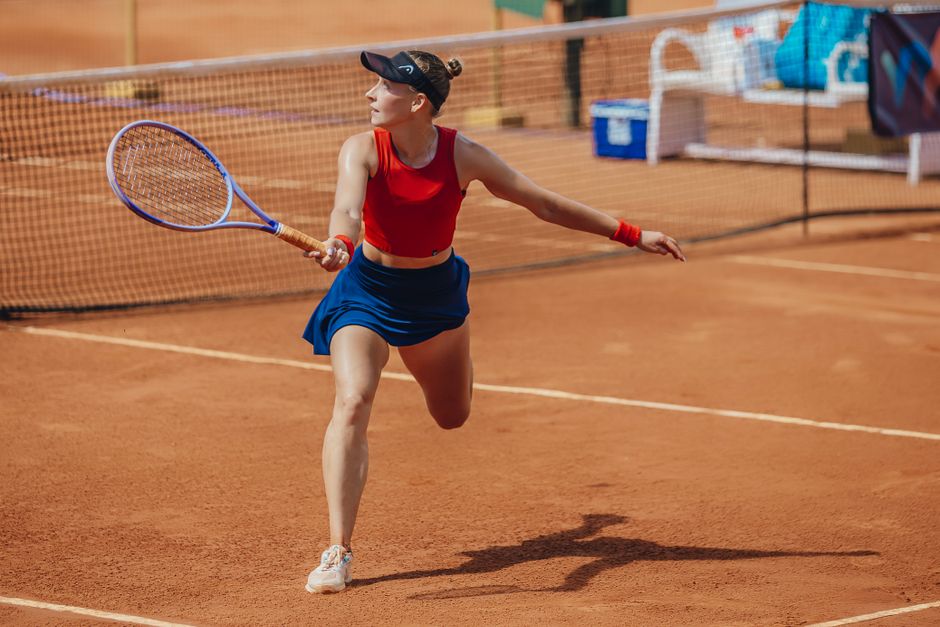
The "lucky charm" in question, for those following Andreeva’s French Open campaign closely, is not a grand or ostentatious item. Instead, it’s a simple, yet deeply personal, bracelet. Details about its specific origin and acquisition are guarded, adding a layer of mystique to its presence. However, what is evident is Andreeva’s consistent wearing of it during her matches. It’s visible on her wrist, a constant companion through gruelling rallies, nerve-wracking tie-breaks, and triumphant victories. The unwritten rule among many professional athletes is that once a particular item or ritual proves successful, it’s often kept firmly in place, lest its removal disrupt a winning momentum. For Andreeva, this bracelet has become precisely that: a powerful anchor in the unpredictable currents of professional tennis, a tangible representation of belief and a subtle psychological edge. Its presence, therefore, transcends mere adornment; it’s a psychological prop, a source of comfort, and a visual reminder of past successes that fuel future aspirations. The sheer consistency of its appearance on her wrist throughout her remarkable Roland Garros run has not gone unnoticed by commentators, fans, and indeed, her opponents.
The psychological impact of lucky charms on athletes is a well-documented phenomenon. They can serve as powerful placebo effects, boosting confidence and reducing anxiety. In the intensely pressurized environment of a Grand Slam, where split-second decisions and unwavering focus are paramount, any tool that can enhance mental resilience is invaluable. For Andreeva, the bracelet likely represents a connection to a sense of control, a belief that external forces, however subtle, are aligning in her favour. This can manifest in a variety of ways: a slightly more relaxed grip on the racket during crucial points, a bolder approach to challenging shots, or a quicker recovery from errors. The object acts as a mental trigger, reminding her of positive experiences and reinforcing her self-belief. Furthermore, in the absence of a guaranteed positive outcome in sport, the pursuit of any perceived advantage, even symbolic, is a rational strategy for athletes aiming to gain a competitive edge. The intangible, yet very real, boost of confidence derived from such a charm can be the difference between pushing through a difficult phase of a match or succumbing to pressure. This psychological amplification is often underestimated in its contribution to peak athletic performance.
Andreeva’s ascent to the French Open last 16 is a significant achievement for a player of her age and relative inexperience on the Grand Slam stage. At just 16 years old, she has demonstrated a maturity and composure beyond her years, dismantling opponents with a blend of aggressive groundstrokes and shrewd tactical play. While the bracelet is undoubtedly a symbol of luck, it’s crucial to emphasize that it is not a substitute for the hard work, dedication, and innate talent that have propelled her forward. Her powerful serve, her aggressive forehand, and her exceptional court coverage are the fundamental pillars of her game. The "lucky charm" functions as a supporting element, an enhancer, rather than the primary driver of her success. It’s the culmination of years of rigorous training, unwavering commitment, and a deep understanding of the game that has brought her to this point. The bracelet, in this context, is the final flourish, the small but significant element that contributes to her overall confidence and mental preparedness. It’s a symbol that allows her to tap into a reservoir of belief when facing the immense pressure of Grand Slam competition.
The story of Andreeva’s lucky charm also speaks to the broader human tendency to seek comfort and control in the face of uncertainty. In a sport where fortunes can change in an instant, athletes often develop personal rituals and superstitions. These can range from specific pre-match routines to wearing certain colours or, as in Andreeva’s case, a cherished piece of jewellery. These practices, while sometimes viewed as irrational by outsiders, serve a vital psychological purpose. They provide a sense of familiarity, a predictable element in an otherwise unpredictable environment. For Andreeva, the bracelet is likely a tangible link to her support system, her aspirations, and her own inner strength. It’s a private ritual that grounds her and helps her navigate the emotional rollercoaster of professional tennis. The act of touching or simply glancing at the charm during a match can serve as a powerful grounding technique, pulling her back into the present moment and away from the weight of past errors or future anxieties. This psychological anchoring is crucial for maintaining focus and executing under duress.
The SEO potential of the phrase "Andreeva’s lucky charm" is significant, especially in the context of her breakthrough performance at the French Open. This unique angle offers a fresh perspective on a developing sports story, attracting a wide audience interested in the human-interest aspects of elite athletic competition. Articles that explore the psychology of sports superstitions, the rise of young tennis prodigies, and specific tournament narratives are highly searchable. By incorporating keywords such as "Mirra Andreeva," "French Open," "Grand Slam," "tennis," "lucky charm," "superstition," "psychology," "athlete," and "last 16," this content can effectively reach a global audience actively seeking information about Andreeva’s remarkable journey. The narrative appeal of a young, talented athlete attributing some of her success to a simple, personal item creates an engaging story that resonates with both casual sports fans and dedicated followers of the tennis circuit. This unique keyword combination offers a distinct niche for search engine visibility.
Furthermore, the narrative of Andreeva’s lucky charm can be analyzed through the lens of sports marketing and brand building. While not directly a commercial product, the association of a personal item with a rising star can subtly influence public perception and create a memorable brand identity. When fans connect with the personal stories of athletes, their appeal grows beyond their on-court performance. The bracelet, in this sense, becomes a visual cue, a point of emotional connection for fans who are rooting for her success. As Andreeva continues to climb the ranks, the "lucky charm" aspect of her story may well become a recurring theme in media coverage, further solidifying her public image and creating a more relatable and endearing persona. This aspect, while secondary to her athletic prowess, contributes to her overall narrative and marketability, making her a compelling figure for endorsement opportunities and broader public engagement. The story is not just about winning; it’s about the journey, the personality, and the symbolic elements that make an athlete memorable.
The success of any athlete, especially a young prodigy like Andreeva, is a complex interplay of numerous factors. Her physical prowess, technical skill, mental fortitude, coaching, and strategic planning are all critical components. However, the role of psychological elements, such as belief and confidence, cannot be overstated. Lucky charms, in their own unique way, can contribute to these psychological advantages. They are not a magic bullet, but rather a catalyst for harnessing existing strengths and mitigating the effects of pressure. Andreeva’s French Open run serves as a compelling case study in how these intangible elements can coalesce with raw talent to produce extraordinary results. The narrative of her lucky charm, while seemingly trivial to some, is an integral part of the story of her triumph, highlighting the multifaceted nature of success in the demanding world of professional sports. It’s a reminder that sometimes, a simple belief, amplified by a tangible object, can empower an athlete to achieve the seemingly impossible, propelling them into the prestigious company of the French Open’s last 16. The lasting impact of this story will likely extend beyond this single tournament, as fans continue to follow Andreeva’s career and the evolution of her personal touchstones of success.
