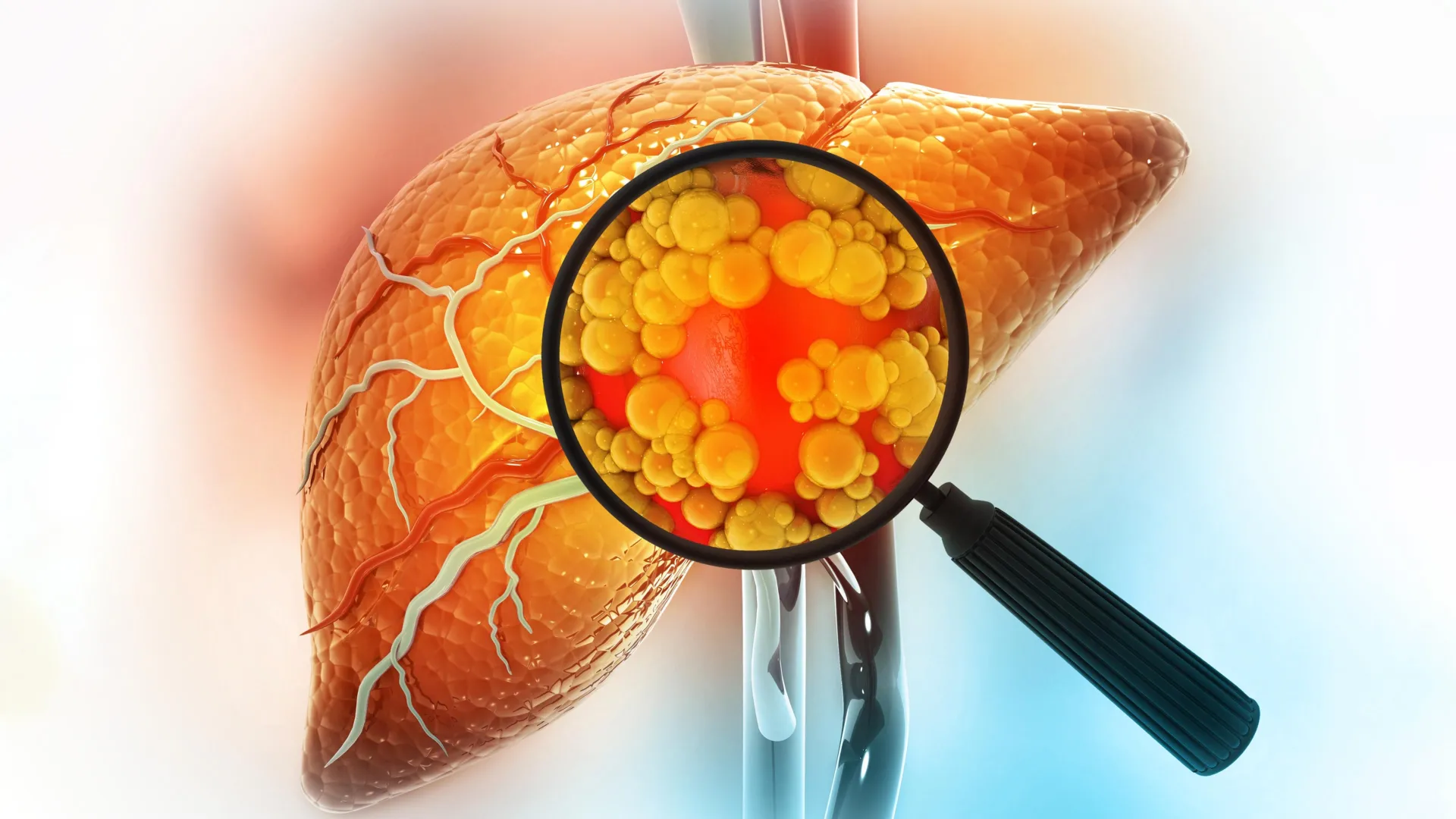
UCLA scientists have pinpointed a previously elusive group of immune cells that accumulate in aging tissues and in the livers of individuals with fatty liver disease, a finding that could revolutionize the treatment of these widespread conditions. In a groundbreaking study published in the prestigious journal Nature Aging, researchers demonstrated that removing these specific cells in mice not only halted inflammation but also reversed existing liver damage, even when the animals continued consuming an unhealthy diet. This discovery offers a promising new avenue for therapeutic intervention, targeting a fundamental mechanism underlying both aging and metabolic disease.
The Silent Accumulation of "Zombie Cells"
The research delves into the intricate process of cellular senescence, a state where cells, stressed and unable to divide, cease their normal functions but crucially, do not die. These enduring cells, colloquially termed "zombie cells," persist within tissues, continuously releasing a cocktail of inflammatory signals. These signals, known as the Senescence-Associated Secretory Phenotype (SASP), can inflict damage on surrounding healthy cells, creating a chronic inflammatory environment that contributes to tissue dysfunction and disease progression.
Dr. Anthony Covarrubias, senior author of the study and a distinguished member of the Eli and Edythe Broad Center of Regenerative Medicine and Stem Cell Research at UCLA, drew a vivid analogy to explain the impact of these cells. "Senescent cells are fairly rare, but think of them like a broken-down car on the 405," he stated. "Just one stalled car can back up traffic for miles. Now imagine five or ten of them slowly accumulating. That’s what these cells do to a tissue: even a small number causes enormous disruption." This disruption, accumulating over time, underlies many age-related ailments and chronic diseases.
Unraveling the Macrophage Mystery
For years, the scientific community debated whether macrophages, the body’s frontline immune cells responsible for patrolling tissues and clearing cellular debris, could themselves become senescent. Many researchers believed this was not possible, partly because healthy macrophages exhibit certain molecular characteristics that overlap with senescent cells. This ambiguity made it exceptionally challenging to differentiate between a normal, functioning macrophage and one that had entered a detrimental senescent state.
The UCLA team successfully resolved this long-standing mystery by identifying a precise molecular signature that reliably distinguishes senescent macrophages. Their meticulous work revealed that the co-expression of two specific proteins, p21 and TREM2, serves as a definitive marker for macrophages that have become senescent, lost their proper functionality, and are actively promoting inflammation in adjacent tissues.
Age-Related Buildup: A Stark Transformation
Utilizing this newly defined marker, the researchers observed a dramatic and concerning shift in macrophage populations with advancing age. In young mice, senescent macrophages constituted a mere 5% of the liver macrophage population. However, in older mice, this figure surged to an astonishing 60-80%. This stark increase directly correlates with the heightened chronic liver inflammation commonly observed in aging mammals, suggesting a direct causal link.
The implications of this finding extend beyond just the aging process. The study also unearthed a critical environmental trigger for macrophage senescence: excess cholesterol. In laboratory experiments, when healthy macrophages were exposed to high levels of low-density lipoprotein (LDL) cholesterol, they exhibited the hallmark signs of senescence – they stopped dividing, began secreting inflammatory proteins, and displayed the characteristic p21-TREM2 signature.
Ivan Salladay-Perez, the study’s first author and a graduate student in the Covarrubias lab, elaborated on this crucial aspect. "Physiologically, macrophages can handle cholesterol metabolism," he explained. "But in a chronic state, it’s pathological. And when you look at fatty liver disease, which is driven by overnutrition and too much cholesterol in the blood, that excess cholesterol appears to be a major driver of the senescent macrophage population." This discovery suggests a concerning feedback loop where dietary habits, particularly those rich in fats and cholesterol, could accelerate biological aging by promoting macrophage senescence not only in the liver but potentially in other vital organs such as the brain, heart, and adipose tissue.
A Turning Point: Reversing Liver Damage
The most compelling aspect of the research lies in its demonstration of therapeutic potential. To ascertain whether eliminating these senescent macrophages could restore health, the scientists treated mice with ABT-263, a compound specifically designed to selectively clear senescent cells. The results were nothing short of remarkable.
In mice that had been fed a high-fat, high-cholesterol diet, leading to significant liver enlargement characteristic of fatty liver disease, the intervention produced dramatic improvements. The treated animals showed a significant reduction in liver size, with the organ shrinking from approximately 7% of body weight to a healthier 4-5%. Concurrently, their body weight also decreased by about 25%, dropping from roughly 40 grams to around 30 grams.
Visually, the livers of the treated mice appeared smaller and healthier, regaining a normal red hue, in stark contrast to the enlarged, yellowish livers observed in the untreated control group. The study’s findings underscore the profound impact of senescent macrophages, indicating that their removal alone can induce substantial metabolic improvements, independent of dietary changes. "That’s what wowed me," Salladay-Perez expressed. "Eliminating senescent cells doesn’t just slow the fatty liver — it actually reverses it."
Human Relevance: Bridging the Gap
To determine if these findings in mice translate to human health, the research team analyzed an extensive genomic dataset derived from human liver biopsies. Their analysis revealed a significant elevation of the same senescent macrophage signature in diseased human livers compared to healthy ones. This compelling evidence strongly suggests that macrophage senescence is a contributing factor to chronic liver disease in humans, validating the translational significance of the study.
The implications are particularly urgent in regions like Los Angeles, where an estimated 30-40% of the population is affected by fatty liver disease, with even higher prevalence rates observed in Latino communities. The limited treatment options and the lack of effective early detection tools amplify the public health crisis.
"This is a huge public health crisis in the making," emphasized Dr. Covarrubias, who also holds a faculty position as an assistant professor of microbiology, immunology, and molecular genetics. "We’re seeing fatty liver disease in younger and younger people. So we’re really happy to make some inroads into understanding what’s driving it and identifying cell types we might be able to target."
Future Directions: Safer Therapeutics and Broader Applications
While ABT-263 proved effective in mice, its inherent toxicity limits its widespread application in humans. The UCLA research team is now actively engaged in screening for safer pharmacological compounds that can selectively eliminate senescent macrophages without causing harmful side effects. This pursuit is critical for translating the promising preclinical findings into viable human therapies.
Furthermore, the scientists are broadening their investigation to explore whether similar senescence-driven processes are at play in other age-related diseases. The brain, for instance, is a prime candidate, with microglia, the resident immune cells of the central nervous system, potentially becoming senescent as they encounter increased cellular debris in conditions such as Alzheimer’s disease.
A Unifying Mechanism: Aging and Disease Intertwined
The study’s findings lend robust support to the geroscience hypothesis, a theoretical framework proposing that a single underlying process of aging drives multiple age-related diseases. In this context, the accumulation of senescent macrophages could be a unifying mechanism contributing to a spectrum of conditions, including fatty liver disease, atherosclerosis, Alzheimer’s disease, and even certain types of cancer.
"If you really understand the basic mechanisms driving inflammation with aging, you can target those same mechanisms to treat not just fatty liver disease, but atherosclerosis, Alzheimer’s and cancer," stated Salladay-Perez. "It all goes back to understanding how these cells arise in the first place." This perspective suggests that interventions targeting cellular senescence could offer a broad therapeutic strategy for enhancing healthspan and mitigating the impact of numerous chronic diseases.
The research was generously supported by funding from the National Institutes of Health, the Glenn Foundation for Medical Research, the American Federation for Aging Research, and the UCLA-UCSD Diabetes Research Center, underscoring the collaborative and well-supported nature of this significant scientific endeavor. The implications of this discovery are vast, offering renewed hope for millions suffering from age-related conditions and metabolic disorders, and heralding a new era in the understanding and treatment of the fundamental processes of aging and disease.