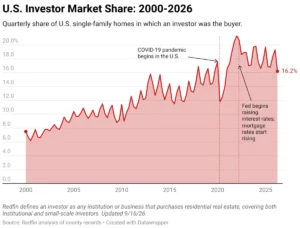
The landscape for residential real estate investment is undergoing a significant transformation as shifting inventory levels and evolving seller motivations redefine the path to property acquisition. For novice investors, the transition from passive observation to active deal-making remains a formidable barrier, exacerbated by an abundance of conflicting information and market volatility. Recent data suggests that successful acquisition is less about uncovering a "secret" inventory and more about the rigorous application of standardized, repeatable systems. By adopting structured methodologies—ranging from refined digital searches on the Multiple Listing Service (MLS) to direct-to-owner outreach—investors can navigate the current economic climate with greater precision.
The Foundation: Establishing a Defined Buy Box
Before engaging with the market, professional investors emphasize the necessity of a "buy box," a set of pre-determined criteria that a property must meet to satisfy specific financial goals. According to market analysts, the buy box should be informed by three core pillars: clear investment objectives (such as monthly cash flow versus capital appreciation), verified purchasing power, and a commitment to a specific strategy—whether that be long-term, mid-term, or short-term rentals.
Market research indicates that many novice investors fail by allowing the market to dictate their criteria rather than the reverse. A robust buy box requires a deep-dive analysis of recent comparable sales (comps) within a 30 to 90-day window. By examining the characteristics of properties that have successfully sold in a target market, investors can identify the baseline requirements for profitability. Organizations such as BiggerPockets have developed standardized worksheets to assist in this process, helping investors avoid the "analysis paralysis" that frequently stalls entry into the market.
Leveraging the MLS and Digital Infrastructure
Despite the rise of off-market strategies, the MLS remains the most efficient, transparent tool for high-volume deal sourcing. Digital platforms like Zillow and Redfin provide access to public records, tax histories, and historical sale data that are critical for underwriting. However, the efficacy of these tools depends on the investor’s ability to move beyond passive browsing.
Professional strategy involves the use of automated, keyword-based saved searches. By filtering for descriptors such as "TLC," "as-is," or "fixer-upper," investors can receive daily notifications of new inventory that aligns with their buy box. Furthermore, seasoned investors often monitor "days on market" metrics. Properties that remain listed significantly longer than the local average often present opportunities for price negotiations or seller concessions, such as credits for interest rate buydowns or closing costs.
The Role of Network and Word-of-Mouth
While the MLS offers volume, word-of-mouth remains a high-conversion, low-competition channel. By clearly communicating their investment criteria to their personal and professional networks—including neighbors, service providers, and local business owners—investors often gain access to "pre-market" opportunities.
The primary advantage of this approach is the reduction of direct competition. When a homeowner is identified through personal referral, the investor is frequently the only party in negotiation. However, this strategy is inherently inconsistent. Experts note that while networking is a powerful supplement, it should not be relied upon as the sole driver of an acquisition pipeline due to its unpredictable nature.
Strategic Utilization of Pocket Listings and Agent Partnerships
Pocket listings—properties that are represented by an agent but have not yet been published to the public MLS—represent a middle ground between public listings and private networking. These opportunities often arise when a seller requires a discreet sale or when a property requires significant rehabilitation, making it unsuitable for traditional, high-exposure marketing.
Building a pipeline of pocket listings requires deep-seated relationships with real estate agents. Successful investors often focus on demonstrating "certainty of close." Because agents are incentivized to ensure a transaction reaches completion, they are more likely to offer pocket listings to investors who have a proven track record or who can demonstrate immediate access to funds, such as cash reserves or pre-approved bridge financing.
Working with Wholesalers and Professional Deal Finders
Wholesalers function as professional intermediaries, sourcing off-market leads—typically distressed properties or distressed sellers—and assigning the purchase contracts to end-investors for a fee. This channel allows investors to bypass the complexities of direct-to-owner marketing, such as cold calling or direct mail campaigns.
The primary benefit is the time-saving factor, as the wholesaler manages the lead generation and initial negotiations. However, this convenience comes with risks. Investors must exercise heightened due diligence, as wholesaler-provided metrics regarding After Repair Value (ARV) and rehabilitation costs are often optimistic. Furthermore, regulatory environments for wholesaling are becoming increasingly stringent; several U.S. states have recently moved to implement licensing requirements or stricter oversight for these transactions.
Direct-to-Owner Outreach and Off-Market Campaigns
Direct-to-owner outreach involves bypassing all intermediaries, including agents and wholesalers. Tactics include targeted direct mail, text messaging, and door-knocking. While this strategy offers the highest potential for favorable pricing—as no commissions or assignment fees are involved—it requires the most significant investment of time and capital.
Market data indicates a substantial "warm-up" period for this approach, with some successful investors reporting up to 12 months of consistent outreach before closing their first deal. Legal compliance is a critical component of this strategy; investors must strictly adhere to the Telephone Consumer Protection Act (TCPA) and other local regulations governing solicitation to avoid significant legal liability.
The Opportunity in Retiring Landlord Portfolios
A frequently overlooked strategy involves targeting retiring landlords who hold small-to-mid-sized portfolios. For these owners, the prospect of selling a consolidated portfolio in a single transaction is often more appealing than the administrative burden of selling properties individually.
These deals often provide unique opportunities for creative financing, such as seller carry-back notes. By acting as the lender, the seller can defer capital gains taxes and potentially secure a higher interest rate than they would earn in a traditional savings account, creating a mutually beneficial arrangement. However, the primary challenge in these acquisitions is the verification of financial records and the assessment of deferred maintenance, which can be extensive in long-term held properties.
Broader Implications for 2026 and Beyond
As the real estate market shifts toward 2027, economic indicators suggest that seller motivation will likely increase, creating new pockets of negotiating leverage for prepared investors. The transition to a more buyer-friendly environment will reward those who have established consistent systems for analysis and outreach.
Industry analysts emphasize that tracking performance metrics—such as the number of deals analyzed, offers submitted, and follow-up frequency—is essential for sustained growth. The most successful investors are those who view deal-finding not as a series of isolated events, but as an ongoing, data-driven process. By committing to a routine of daily analysis, even in the absence of an immediate purchase, investors can cultivate the expertise and market familiarity required to execute confidently when a prime opportunity arises.
Ultimately, the ability to discern a genuine opportunity from a poorly positioned asset remains the defining characteristic of a successful real estate investor. Through the diligent application of the aforementioned strategies, and a firm adherence to a well-defined buy box, investors can navigate the complexities of the current market and build a resilient portfolio.