The disposable containers, cups, lids, and utensils distributed by United States restaurants contribute nearly 9 million tons of waste annually—a figure roughly equivalent to the weight of 25 Empire State Buildings. According to the "Reuse Wins" report published by the nonprofit organization Upstream, approximately four-fifths of this staggering volume originates from takeout and delivery services. As the convenience economy continues to expand, the environmental toll of single-use plastics has forced a paradigm shift in how the food service industry and consumers approach packaging. This evolution has moved from a reliance on information-sharing apps to the development of sophisticated circular logistics networks designed to replace throwaway items with durable, reusable alternatives.
The Rise and Fall of Packaging Rating Systems
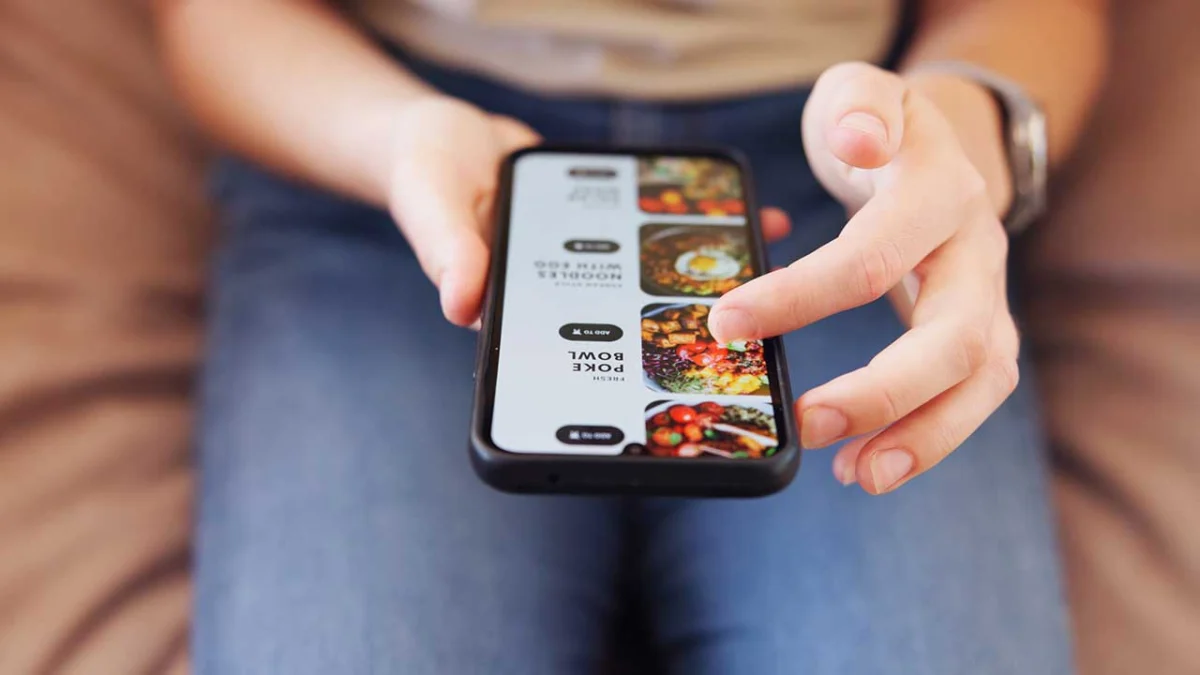
In the late 2010s, the initial response to the takeout waste crisis focused on consumer transparency. Early innovators believed that by empowering diners with information, market forces would compel restaurants to adopt more sustainable practices. This led to the launch of platforms such as PlasticScore and Jybe. These applications functioned similarly to Yelp or TripAdvisor but focused exclusively on a restaurant’s "packaging footprint." Users were encouraged to rate establishments based on the presence of single-use plastics, expanded polystyrene (foam), and the availability of compostable alternatives.
However, these rating models faced a fundamental structural challenge: the necessity of critical mass. For a crowdsourced rating app to be viable, it requires a high density of reviews within specific geographic clusters to provide value to the average user. In the majority of American cities, this critical mass never materialized. Without a comprehensive database of scores, user engagement plummeted, and the apps eventually stalled. By 2024, both PlasticScore and Jybe had disappeared from the market, signaling the end of the "rating era" and the beginning of a more direct, infrastructure-based approach.
The Borrow, Return, Repeat Model
Replacing the failed rating systems is a burgeoning sector of "packaging-as-a-service" companies. Rather than merely judging the waste, these services aim to eliminate it by providing a circular infrastructure. The model is straightforward but logistically complex: diners receive their meals in high-quality, durable containers which are then returned, professionally sanitized, and put back into circulation.
Most of these services utilize containers made from BPA-free polypropylene, a plastic chosen for its durability, heat resistance, and recyclability. These containers are typically rated for approximately 1,000 uses. The operational success of these programs hinges on the "return rate"—the percentage of containers that actually make it back into the system. High return rates ensure that the environmental and economic costs of producing durable goods are amortized over hundreds of cycles.
Scientific Analysis of the Environmental Payoff
The transition to reusables is often framed as an unqualified environmental win, but academic research suggests the reality is more nuanced and depends heavily on consumer behavior. A 2023 life-cycle study from the University of Michigan, published in the journal Resources, Conservation & Recycling, established specific "break-even" points where reusable containers become superior to single-use options.
The study found that a reusable container must be used between 4 and 13 times to offset the environmental impact of its initial manufacture and the ongoing costs of washing. Specifically, it takes approximately 4 to 6 uses to break even on greenhouse gas emissions and 8 to 13 uses to offset the energy consumption required for the high-temperature industrial washing processes.
However, the researchers identified a critical "transportation trap." If even 5% of customers make a dedicated car trip solely to return a container, the carbon emissions associated with that trip can negate the entire environmental benefit of the reuse system, making it worse for the planet than traditional single-use packaging. Consequently, the success of the circular economy relies on "trip chaining"—the practice of returning containers during commutes or other errands already in progress.
Current Market Leaders and Regional Networks
As of mid-2026, the landscape of reusable takeout services is characterized by regional specialization and a shift toward institutional partnerships.
DeliverZero and the Shift to Food-Locker Integration
DeliverZero was long considered the pioneer of the U.S. reuse market. Launched in New York in 2019, it integrated with major delivery platforms like Uber Eats and DoorDash, allowing customers to opt into reusables for a nominal fee (usually around $1). At its height, the company reported a return rate of nearly 98% across 300 restaurants in major hubs like Los Angeles and the San Francisco Bay Area.
In a major industry consolidation in 2025, Minnow Technologies, a food-locker company, acquired DeliverZero. The acquisition led to a temporary pause in consumer operations to rebuild the platform. As of 2026, the companies are developing a "next-generation" system that likely integrates reusable returns with automated food-locker hardware, potentially solving some of the logistical friction points of the previous model.
Recirclable: The Library Model
Operating primarily in the Northeast, the Boston-based startup Recirclable has found success by mimicking the public library system. Through a free app, users "check out" containers at participating restaurants. There is no upfront cost to the consumer, provided the container is returned within 14 days. If the user fails to return the item, they are charged a replacement fee. This model has proven resilient, expanding into Western Massachusetts in late 2025 and maintaining a steady growth trajectory in urban centers.
Reusables.com: Institutional Domination
While consumer-facing apps face challenges in the "open" city environment, Reusables.com has thrived in "closed" environments like university campuses and corporate headquarters. Their "Tap-to-Reuse" system utilizes RFID (Radio Frequency Identification) and QR codes to track every piece of inventory. By using smart return bins, they have achieved extraordinary return rates, such as the 99.6% rate reported at Simon Fraser University. After raising $3.6 million in funding, the company has become the primary model for institutional dining halls across North America.
Vessel Works and Campus Partnerships
Focusing specifically on the "to-go" coffee culture, Vessel Works has operated since 2015, primarily in Boulder and Berkeley. They manage the flow of stainless steel cups, licensing their tracking technology to other operators. Similarly, Grubhub has entered the space through a partnership with Topanga (ReusePass), targeting the college demographic. This focus on higher education is strategic; by normalizing reuse habits among young adults, these companies are cultivating a future consumer base that views single-use packaging as an outdated relic.
Municipal and Regulatory Drivers
The shift toward reuse is not solely driven by startups; municipal governments are increasingly taking an active role. In Ann Arbor, Michigan, the city government has pioneered a municipal-supported system where the city supplies the standardized containers and handles the logistical overhead, allowing local restaurants to opt in. This reduces the fragmentation that often plagues private-sector apps, giving residents a single, unified program to use.
Furthermore, state-level regulations are beginning to provide the "stick" to accompany the "carrot" of reuse. With several states passing bans on per- and polyfluoroalkyl substances (PFAS) in food packaging and others banning expanded polystyrene, restaurants are being forced to seek alternatives. As the cost of "compliant" single-use packaging rises, the economic argument for reusables becomes more compelling for small business owners.
Economic Implications for Restaurants
For the average restaurant owner, the transition to reusables is often a matter of bottom-line survival. While the upfront cost of durable containers is higher, the long-term savings on purchasing thousands of single-use items can be significant. Upstream’s analysis suggests that for many materials—including steel, glass, and high-density plastics—the cost-per-use drops significantly below that of disposables once the system reaches scale.
However, the "washing logistics" remain a hurdle. Small restaurants often lack the space or the high-capacity dishwashers required to meet health department standards for reusable containers. This has given rise to third-party "wash hubs"—centralized facilities that collect, sanitize, and redistribute containers for an entire neighborhood or city district.
The Path Forward: Consumer Responsibility and Infrastructure
The future of sustainable takeout depends on the continued build-out of "return infrastructure." Just as recycling bins became a staple of the American sidewalk in the late 20th century, the next decade may see the rise of universal return kiosks for food packaging.
For consumers, the most effective way to support this transition is to utilize existing local networks and ensure that returns are integrated into existing travel patterns to maximize the environmental benefit. Additionally, experts recommend that when reusables are not an option, consumers should be wary of "compostable" or "bioplastic" labels. Most of these items require industrial composting facilities to break down and can actually contaminate traditional plastic recycling streams if disposed of incorrectly.
The transition from a "throwaway" culture to a circular one is a massive logistical undertaking, but the disappearance of rating apps in favor of robust return networks suggests that the industry is finally moving past awareness and into the realm of practical, scalable solutions. As mid-2026 approaches, the success of these systems will depend on whether they can become as convenient as the disposables they aim to replace.