Canada Election: Carney, Poilievre, and Trump – An Explainer
The Canadian federal election landscape is a dynamic space, frequently shaped by the interplay of domestic policy, global economic shifts, and the influence of international figures. In recent years, the potential for prominent individuals like Mark Carney and Pierre Poilievre to emerge as leading contenders, and the shadow cast by former U.S. President Donald Trump’s political style and rhetoric, have become critical points of discussion. This explainer delves into the potential impacts of these figures on Canadian elections, exploring their policy stances, political ideologies, and the broader implications for Canada’s future.
Pierre Poilievre, a prominent figure within the Conservative Party of Canada, has increasingly positioned himself as a leading voice for fiscal conservatism and individual liberty. His policy proposals often center on reducing government spending, lowering taxes, and addressing the rising cost of living. Poilievre’s approach is characterized by a direct and often combative style, frequently engaging in critiques of government overreach and what he perceives as excessive taxation and regulation. His policy platform is rooted in the idea of empowering individuals and businesses by removing perceived barriers to economic growth. This includes advocating for deregulation, simplifying tax codes, and fostering a more competitive business environment. He has articulated strong stances on issues such as inflation, housing affordability, and the national debt, framing these as direct consequences of current government policies. His appeal often lies with voters who feel burdened by the cost of living and are seeking a decisive shift in economic management. Furthermore, Poilievre’s rhetoric often echoes sentiments of national sovereignty and a more assertive approach to international trade, aligning with a broader global trend of questioning established multilateral agreements. His focus on kitchen-table economics, such as grocery prices and fuel costs, aims to resonate with a broad base of Canadian voters struggling with day-to-day financial pressures. In terms of electoral strategy, Poilievre has demonstrated a keen understanding of social media and online engagement, using these platforms to disseminate his message and mobilize support. This has allowed him to bypass traditional media gatekeepers and connect directly with his constituents, a tactic that has proven effective in contemporary political campaigns. His leadership within the Conservative party signals a potential shift towards a more populist and nationalist bent, drawing parallels with movements in other Western democracies.
Mark Carney, a distinguished economist and former Governor of the Bank of Canada and the Bank of England, represents a different ideological spectrum and set of priorities. Carney’s career has been marked by a focus on economic stability, financial regulation, and, more recently, climate finance. His public pronouncements and policy recommendations often emphasize the need for responsible fiscal management, sustainable economic growth, and international cooperation. Carney has been vocal about the urgency of addressing climate change and has advocated for policies that incentivize green investments and promote a transition to a low-carbon economy. His approach to economics is more interventionist, often advocating for government action to address market failures and social inequalities. Carney’s intellectual weight and international experience could position him as a formidable candidate, particularly in discussions surrounding global economic challenges and Canada’s role on the world stage. His emphasis on long-term economic planning and resilience contrasts with the more immediate, cost-of-living focus of figures like Poilievre. Carney’s potential appeal lies in his perceived expertise and his ability to articulate a vision for Canada that is both economically sound and socially responsible. He has also spoken about the importance of multilateralism and global governance, aligning with a more internationalist foreign policy. His past roles have given him significant credibility in economic circles, and he is often seen as a voice of reason and experience. His policy ideas often involve leveraging private capital for public good, particularly in the realm of climate action, and advocating for robust social safety nets.
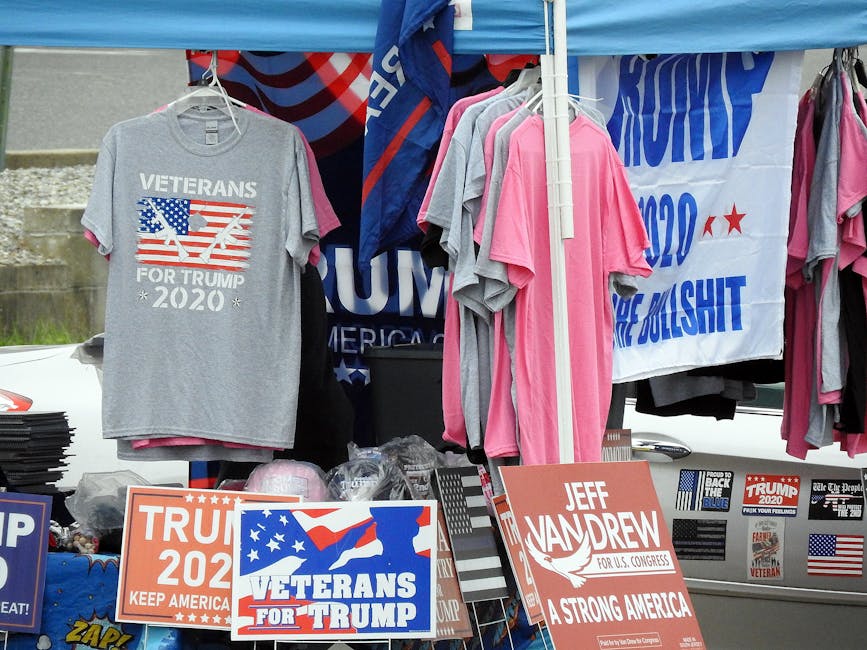
The specter of Donald Trump, while an American politician, casts a significant shadow over Canadian political discourse and potential election outcomes. Trump’s brand of populism, characterized by nationalist rhetoric, a skepticism of international institutions, and a focus on "America First" policies, has resonated with a segment of the electorate in many countries, including Canada. The parallels are often drawn in terms of communication style, a willingness to challenge established norms, and an appeal to voters who feel left behind by globalization and economic shifts. Trump’s presidency demonstrated how a populist leader could disrupt traditional political alliances and influence global trade and diplomatic relations. This has led to discussions in Canada about how such a political approach might be adopted or countered by domestic politicians. For instance, Poilievre’s more combative and nationalistic rhetoric can be seen as echoing some of Trump’s communication strategies, although his policy agenda remains distinctly Canadian. The potential for a more protectionist trade environment, influenced by a Trump-like foreign policy, would have direct implications for Canada’s economy, given its deep integration with the United States. Discussions around border security, immigration, and trade disputes often take on added significance when viewed through the lens of Trump’s past actions and rhetoric. The impact of Trump’s policies, such as the renegotiation of NAFTA (now USMCA), served as a tangible example of how American political decisions could directly affect Canadian economic well-being. This has fueled a greater awareness in Canada of the need for political leadership that can navigate such complex international dynamics. Furthermore, Trump’s success in mobilizing a dedicated base of supporters through direct communication and a potent narrative of grievance has served as a case study for political strategists worldwide, including in Canada.
The policy divergences between potential leaders like Carney and Poilievre highlight fundamental debates about the direction of the Canadian economy and society. Poilievre’s emphasis on tax cuts and deregulation aligns with a classical liberal, free-market approach, advocating for limited government intervention and prioritizing individual economic freedom. His supporters believe that such policies will stimulate investment, create jobs, and ultimately lead to greater prosperity for all Canadians. This perspective often views government spending and regulation as impediments to economic efficiency. Conversely, Carney’s focus on climate finance, sustainable development, and social equity suggests a more interventionist and progressive economic model. His supporters would argue that proactive government policies are necessary to address market failures, mitigate environmental risks, and ensure a more equitable distribution of wealth. This perspective often emphasizes the role of government in providing public goods and services, and in steering the economy towards long-term sustainability. The debate between these two approaches is not merely academic; it has direct implications for government spending priorities, tax policy, social programs, and Canada’s international commitments. For example, on climate policy, Poilievre’s approach might favor market-based solutions with less direct government mandates, while Carney would likely support more ambitious regulatory frameworks and direct public investment in green technologies.
The influence of Trump’s political style on Canadian elections is multifaceted. It can manifest in the adoption of populist messaging by domestic politicians seeking to tap into voter dissatisfaction. This might involve framing complex economic issues in simplistic, often divisive terms, and appealing to a sense of national pride or grievance. The use of social media to directly engage with voters, bypass traditional media scrutiny, and create viral content is another tactic that has been popularized by Trump and subsequently adopted by politicians globally. This can lead to a more personalized and often less policy-driven form of political campaigning. Moreover, Trump’s willingness to challenge established diplomatic norms and engage in protectionist trade policies forces Canadian politicians to consider how to best safeguard Canada’s interests in a potentially more unpredictable global environment. This can lead to a greater emphasis on national sovereignty and a more pragmatic approach to international relations, even among those who do not share Trump’s broader ideology. The polarization that characterized the Trump era in American politics has also been observed to some extent in Canada, with political discourse becoming more adversarial and less prone to compromise. This can make it more challenging for governments to implement long-term policies and can lead to a focus on short-term political gains.
The election of a leader with a distinct ideological bent, whether it be Poilievre’s fiscal conservatism or a more centrist or progressive approach potentially represented by someone like Carney, would have profound implications for Canada’s domestic policy. A Poilievre government would likely pursue significant cuts to government spending, potentially impacting social programs, public services, and federal transfers to provinces. Tax reform would likely be a priority, with a focus on reducing the tax burden on businesses and individuals. Deregulation would likely be a key objective, aiming to reduce red tape and stimulate private sector growth. On the other hand, a government influenced by Carney’s economic philosophy might prioritize investments in areas such as green infrastructure, renewable energy, and social safety nets. Tax policy might be used as a tool to address income inequality and incentivize socially responsible behavior. The role of government in managing the economy and addressing societal challenges would likely be expanded.
Internationally, the impact of Canadian election outcomes can be equally significant. A more nationalist and protectionist-leaning government in Canada could lead to friction with trading partners, particularly the United States, especially if a similar political climate persists south of the border. Conversely, a government committed to multilateralism and international cooperation, as might be expected from a leader like Carney, would likely seek to strengthen alliances and play a more active role in global governance. The approach to climate change negotiations, international trade agreements, and global security issues would all be shaped by the ideology of the elected leadership. The ability of Canada to exert influence on the global stage would depend on its chosen diplomatic and economic strategies. The ongoing evolution of Canadian federal elections, shaped by these influential figures and global trends, underscores the importance of informed public discourse and the need for thoughtful consideration of the diverse policy proposals and their potential consequences. The interplay between domestic aspirations and international realities will continue to define Canada’s political future.
