Malaysia’s Deforestation Risk: EU Data Re-evaluation and the Need for Current Metrics
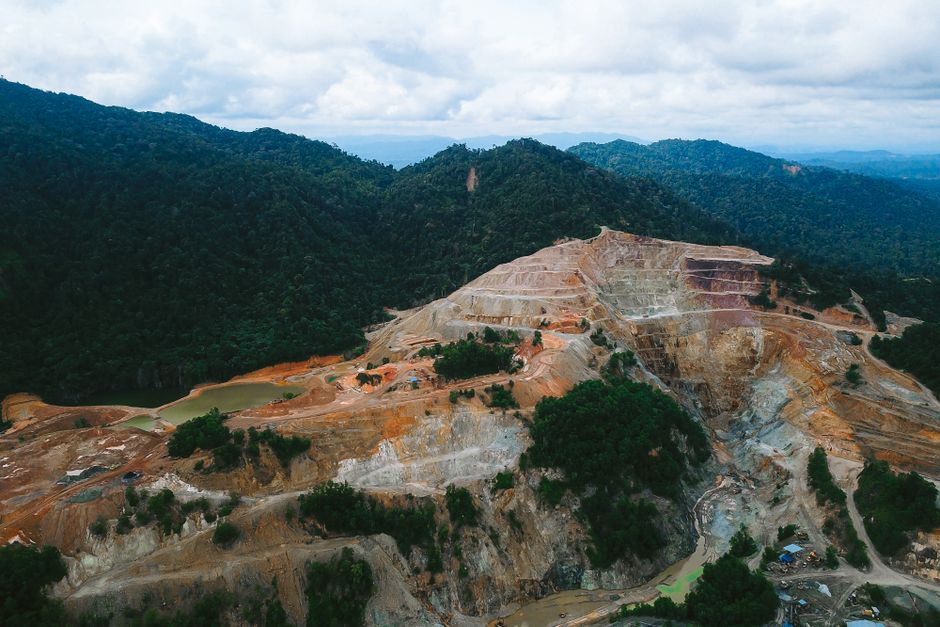
Malaysia’s environmental standing, particularly concerning deforestation, has been significantly impacted by the European Union’s (EU) Deforestation Regulation (EUDR). The EUDR, aimed at ensuring that products placed on the EU market do not contribute to deforestation or forest degradation, utilizes a risk-based approach to identify countries and commodities requiring greater scrutiny. While the intention behind the EUDR is commendable, Malaysia has found itself on the receiving end of a high-risk rating, a designation that has been largely attributed to the reliance on historical data within the EU’s assessment framework. This reliance, critics argue, paints an inaccurate and outdated picture of Malaysia’s current deforestation trends and its robust efforts in forest conservation and sustainable land management.
The EUDR’s risk assessment methodology categorizes countries into low, standard, and high risk based on a complex algorithm that considers various factors. These factors include, but are not limited to, deforestation rates, forest degradation trends, land-use change patterns, and the effectiveness of national deforestation governance. For Malaysia, the high-risk rating has been a point of contention, as it has been observed that the data underpinning this assessment often dates back several years, failing to capture the significant progress Malaysia has made in recent times. This disparity between the EU’s assessment and Malaysia’s contemporary reality creates challenges for Malaysian exporters, potentially leading to increased due diligence requirements and market access hurdles.
Malaysia’s commitment to forest conservation is not a recent development. The country has a long history of implementing policies and initiatives aimed at protecting its invaluable rainforests. For decades, Malaysia has actively managed its forest resources through sustainable forestry practices, including the implementation of the Malaysian Timber Certification Council (MTCC) scheme, which aligns with international standards for sustainable forest management. The MTCC scheme, established in 2001, provides an independent certification system that assures consumers that timber products come from sustainably managed forests. This certification process involves rigorous audits and assessments of forest operations, ensuring compliance with environmental, social, and economic criteria. Furthermore, Malaysia has also been a signatory to international agreements and conventions related to biodiversity conservation and climate change mitigation, demonstrating a broader commitment to environmental stewardship.
The historical data used by the EU in its risk assessment often reflects periods of more rapid agricultural expansion and land-use change, particularly related to the development of the palm oil industry. While palm oil remains a significant commodity for Malaysia, its cultivation has undergone substantial transformation. Modern palm oil plantations are increasingly adopting sustainable practices, with a greater emphasis on not clearing virgin forests and on replanting on existing agricultural land. The Malaysian government has also implemented policies to limit the expansion of oil palm cultivation into forest reserves and to promote the replanting of old palms, which can increase yields without requiring additional land. These evolving practices and policy shifts are crucial for understanding the current deforestation landscape, but they are often overlooked when outdated data is the primary source for risk assessment.
Beyond palm oil, other commodities that have historically been linked to deforestation in Malaysia, such as rubber and cocoa, have also seen shifts in their production methods. There is a growing trend towards intensified cultivation on existing land, coupled with a renewed focus on conservation areas. National parks, wildlife reserves, and permanent forest estates cover a substantial portion of Malaysia’s landmass, and these areas are protected from deforestation. The establishment and expansion of these protected areas represent a significant commitment to preserving biodiversity and forest cover. Moreover, the Malaysian government actively engages in reforestation and afforestation programs, aiming to restore degraded lands and enhance forest cover.
The discrepancy in data presents a critical challenge. When the EU designates Malaysia as a high-risk country, it implies a higher likelihood of deforestation being associated with products originating from Malaysia. This perception can deter European businesses from sourcing Malaysian commodities, even if the specific producers adhere to stringent sustainability standards. The burden of proof then falls disproportionately on Malaysian exporters to demonstrate the sustainability of their products, a process that can be costly and time-consuming, especially for small and medium-sized enterprises (SMEs). This can create an uneven playing field and disadvantage Malaysian businesses in the competitive global market.
Moreover, the high-risk rating can have broader economic implications. It can affect investment decisions, insurance premiums, and the overall reputation of Malaysia as a trading partner. While the EUDR aims to promote responsible supply chains, its current data-driven approach risks creating unintended consequences by penalizing countries that are actively working towards greater sustainability. A more nuanced and up-to-date assessment would better reflect the progress made and encourage continued investment in sustainable practices.
To address this issue, there is a pressing need for a collaborative and data-driven approach involving both Malaysia and the EU. Malaysia possesses granular, real-time data on land-use change, forest cover, and sustainable agricultural practices. Sharing this information with the EU and working together to develop a more dynamic and responsive risk assessment methodology would be mutually beneficial. This could involve joint monitoring initiatives, data-sharing platforms, and expert consultations to ensure that the risk assessments are accurate, current, and reflective of on-the-ground realities.
The EUDR’s success hinges on its ability to foster genuine change and support countries in their transition towards more sustainable production. For Malaysia, this means having its efforts recognized and its progress acknowledged. A reliance on outdated data can inadvertently undermine these efforts by creating a perception of non-compliance and risk, even when significant strides have been made. The development of a more robust and forward-looking risk assessment framework, one that incorporates the latest data and acknowledges the evolving landscape of sustainable land management, is crucial for ensuring that the EUDR achieves its intended objectives without creating undue burdens on countries committed to environmental protection.
Malaysia has consistently demonstrated its commitment to sustainable forest management and agricultural practices. The country’s dedication to environmental protection is evident in its extensive network of protected areas, its active reforestation programs, and its implementation of certification schemes like MTCC. The palm oil industry, a key export commodity, has also seen significant advancements in sustainability, with a focus on responsible cultivation and land-use planning. The EUDR, while a valuable tool for promoting global deforestation-free supply chains, needs to be underpinned by the most current and accurate data available. The current reliance on historical data for Malaysia’s risk rating presents a disconnect that can hinder progress and create unfair trade barriers.
The implications of this outdated data extend beyond trade. It can affect diplomatic relations, international cooperation on environmental issues, and Malaysia’s ability to attract sustainable investments. By accurately reflecting Malaysia’s current environmental performance, the EU can foster a more constructive and collaborative relationship, one that encourages continued improvement and celebrates achievements in conservation and sustainable development. The development of a revised EUDR methodology that incorporates real-time data and recognizes the dynamic nature of deforestation trends in countries like Malaysia is not just a matter of trade fairness, but a critical step towards achieving global sustainability goals. Malaysia stands ready to engage in dialogue and collaboration to ensure that its environmental efforts are accurately represented and that its contributions to global sustainability are fully acknowledged.
Furthermore, it is important to recognize that deforestation is a complex issue with multiple drivers, and a holistic approach is required for effective mitigation. Malaysia’s strategies encompass a multi-faceted approach that includes not only land-use planning and regulation but also the promotion of sustainable livelihoods for communities dependent on forest resources. Initiatives aimed at empowering local communities, supporting ecotourism, and developing non-timber forest products contribute to the economic viability of forest conservation, creating a more sustainable model for land use. These socio-economic dimensions are often overlooked in purely data-driven risk assessments that focus solely on land-cover change metrics.
The development of advanced monitoring technologies, such as satellite imagery analysis and remote sensing, has significantly improved the ability to track deforestation in near real-time. Malaysia has been an adopter and developer of these technologies for its own environmental monitoring purposes. Integrating such real-time data into the EUDR’s risk assessment framework would provide a more accurate and dynamic picture of deforestation trends. This would allow for more targeted interventions and support for countries demonstrating genuine efforts in combating deforestation, rather than applying broad-brush classifications based on outdated information.
The potential for a "one-size-fits-all" approach to deforestation risk assessment is a significant concern. Each country has its unique geographical, socio-economic, and political context that influences its approach to land management and forest conservation. Malaysia’s experience, with its long history of forest management and its current efforts towards sustainability, should be assessed within this specific context. A collaborative approach that allows for the incorporation of country-specific data and mitigation strategies would lead to more effective and equitable outcomes under the EUDR.
The call for a revision of the EU’s data sources for deforestation risk assessment for Malaysia is therefore a call for accuracy, fairness, and a more effective global approach to tackling deforestation. By embracing current data and fostering collaboration, the EU and Malaysia can work together to ensure that trade policies support, rather than hinder, the global effort to protect our planet’s vital forest ecosystems. This necessitates a commitment to continuous data evaluation and a willingness to adapt risk assessment methodologies to reflect the evolving realities of environmental stewardship. The long-term success of initiatives like the EUDR depends on their ability to be both ambitious and adaptable, recognizing the progress made by countries that are genuinely committed to a sustainable future.
