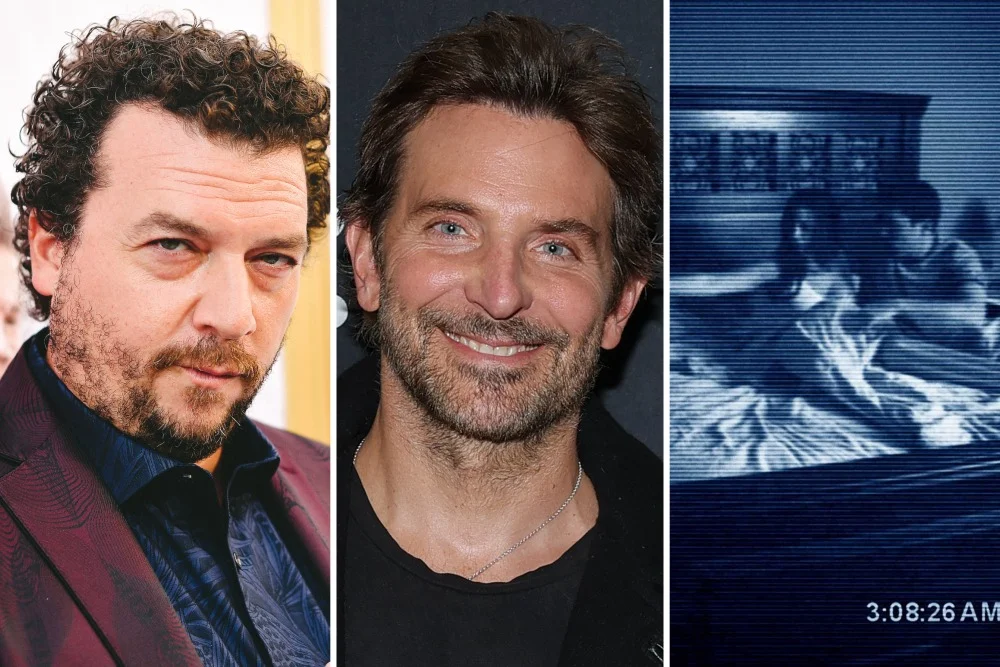
The modern cinematic landscape is undergoing a profound structural evolution, driven by corporate consolidation, strategic asset management, and a renewed emphasis on recognizable intellectual property. In a major scheduling update that highlights the ambitious slate of the newly combined entertainment giant, Paramount Pictures and its parent leadership have officially set a wide theatrical release for the upcoming Danny McBride-directed G.I. Joe reboot on October 20, 2028. Starring Bradley Cooper as the iconic field commander Duke, the project represents a daring, high-profile reimagining of Hasbro’s legendary military action franchise.
Simultaneously, the studio announced a strategic shift for another cornerstone of genre cinema: the next installment in the Paranormal Activity horror franchise, now shepherded by the newly rebranded Blumhouse Atomic banner, will vacate its original May window to debut in the coveted Halloween corridor on October 22, 2027. These release date announcements arrive on the heels of massive corporate restructuring led by David Ellison’s Skydance, following its high-profile consolidation uniting Paramount and Warner Bros. As the newly formed mega-studio ramps up its production output toward a targeted annual slate of 30 theatrical releases, industry analysts are closely examining how legacy franchises are being repositioned to maximize box office returns, cross-generational appeal, and global brand synergy.
A Fresh Tactical Direction for G.I. Joe
The journey of G.I. Joe from a classic 1960s Hasbro toy line to a multimedia empire spans comic books, animated television series, and multiple live-action feature films. However, the property has long sought a definitive, critically resonant cinematic identity. Under the upcoming 2028 feature, Paramount is banking on a distinct creative voice by tapping Danny McBride to direct. Best known for his subversive comedic sensibilities and distinct authorial voice in television and film, McBride’s involvement signals that the studio may be charting a surprisingly fresh, perhaps character-driven or sharply tuned tonal path for the elite military operatives.
McBride co-wrote the screenplay alongside frequent collaborators Jeff Fradley and John Carcieri, ensuring a cohesive creative vision behind the camera. While specific plot details remain closely guarded by the studio, casting announcements have already generated substantial industry buzz. Bradley Cooper is officially locked in to portray Duke, one of the most recognizable and steadfast heroes within the G.I. Joe mythos. The production is backed by a powerhouse producing team, including Lorenzo di Bonaventura, Mark Vahradian, and Zev Foreman representing Hasbro Entertainment.
For Paramount and Skydance, positioning the film for an October 20, 2028 release demonstrates immense confidence in the project’s long-term commercial viability. By giving the creative team ample runway for production, visual effects, and post-production polish, the studio hopes to distance the new venture from the uneven box office performance and mixed critical reception of previous cinematic iterations, such as 2009’s G.I. Joe: The Rise of Cobra, 2013’s G.I. Joe: Retaliation, and the 2021 spin-off Snake Eyes.
Paranormal Activity Shifts to the Halloween Corridor
Horror cinema thrives on seasonal alignment, and Paramount’s decision to move the latest Paranormal Activity entry from May 21 to October 22, 2027, underscores a calculated return to form. The film, directed by Ian Tuason, will now claim the ultimate horror release window, capitalizing on the heightened appetite for spine-chilling content during the autumn months.
The roots of the franchise run deep within modern film history. Created by Oren Peli on a notoriously micro-budget, the original 2007 Paranormal Activity became a cultural phenomenon, grossing nearly $194 million worldwide and cementing itself as one of the most profitable independent films ever made. Utilizing the found-footage aesthetic pioneered or popularized by earlier milestones, the movie spawned a sprawling cinematic universe. Across seven total installments to date, the franchise has collectively pulled in more than $900 million globally, proving that low-budget, high-concept terror can consistently yield staggering profit margins.
The upcoming installment features a fresh ensemble cast led by Chase Yi, Sonia Mena, and Maya Da Costa. Behind the scenes, franchise progenitor Oren Peli returns to produce under his Solana Films banner. They are joined by horror heavyweights James Wan and Jason Blum, producing for the newly renamed Blumhouse Atomic. Executive producer duties are managed by Michael Clear and Judson Scott for Blumhouse Atomic, with Alayna Glasthal overseeing the day-to-day development for the company. Additional executive production is provided by Steven Schneider for Room 101, Inc., alongside Dan Slater and Cody Calahan. Shifting this title to October not only aligns with audience expectations for the genre but also provides Blumhouse Atomic with a premier platform to showcase its signature brand of terror under its new corporate identity.
The Skydance Consolidation and the 30-Film Strategy
These high-profile dating announcements do not occur in a vacuum; they are direct manifestations of a broader, aggressive content strategy spearheaded by David Ellison’s Skydance. Following the monumental corporate consolidation that united Paramount and Warner Bros., the newly formed super-studio has wasted no time restructuring its vast portfolio of intellectual property to maximize commercial potential across global markets.
Under the leadership of Ellison, the combined studio has committed to a prolific theatrical output, targeting approximately 30 feature films per year. This massive volume requires a meticulous balancing act of legacy franchises, new IP expansions, and prestige filmmaking. The strategy was recently underscored by the announcement of an upcoming Transformers project featuring legendary filmmaker Steven Spielberg attached to guide the franchise as a producer.
At the same time, the studio pipeline was already robustly stocked with major sequels and prequels. Paramount entered the merger actively developing new chapters for timeless properties such as Top Gun, Teenage Mutant Ninja Turtles, Sonic the Hedgehog, and Star Trek. Simultaneously, the Warner Bros. side of the ledger is moving forward with an ambitious array of projects, including an Ocean’s 11 prequel directed by and starring Bradley Cooper alongside producer Margot Robbie, additional entries in The Lord of the Rings universe, and the highly anticipated Weapons sequel titled Gladys.
This sheer density of premier intellectual property illustrates why the studio is systematically evaluating release calendars years in advance. By staking out prime calendar real estate—such as G.I. Joe’s autumn slot in 2028 and Paranormal Activity’s Halloween placement in 2027—the studio aims to prevent franchise cannibalization while ensuring steady, predictable box office performance throughout the fiscal year.
Economic Implications and Industry Outlook
The recalibration of Paramount and Blumhouse Atomic’s release schedules offers a clear window into how modern Hollywood mitigates financial risk in an increasingly volatile theatrical marketplace. Mid-tier and tentpole releases alike must carefully navigate streaming windows, international box office dynamics, and shifting consumer habits.
For G.I. Joe, the four-year runway leading up to 2028 allows the creative partnership between McBride, Cooper, and the producers to construct a world that feels distinct from past cinematic attempts. By stepping away from the rushed production cycles that historically plagued mid-2000s action franchises, the studio is signaling a commitment to quality control and brand rehabilitation. A successful reinvention of G.I. Joe could unlock lucrative global merchandising opportunities, consumer products lines, and interconnected universe expansion—vital revenue streams for the modern Hasbro Entertainment partnership.
Meanwhile, the strategic repositioning of Paranormal Activity highlights the enduring economic viability of the horror genre. Horror remains one of the most reliable theatrical investments, characterized by low production costs and high return-on-investment ratios. By placing the film squarely in October, the studio guarantees optimal counter-programming against fall blockbusters while feeding the insatiable global demand for theatrical horror experiences.
As the dust settles from the historic Skydance-Paramount-Warner Bros. consolidation, the industry is watching closely to see whether this massive concentration of creative assets can successfully sustain a 30-film annual release model. Announcements like Danny McBride taking the helm of G.I. Joe and Blumhouse Atomic reclaiming the Halloween holiday suggest that the studio’s leadership is placing its bets on proven creative talent, seasoned producers, and meticulously timed release corridors to navigate the competitive waters of the late 2020s box office.