Canadian Wildfire Smoke Blankets Third of US: A Growing Environmental and Health Crisis
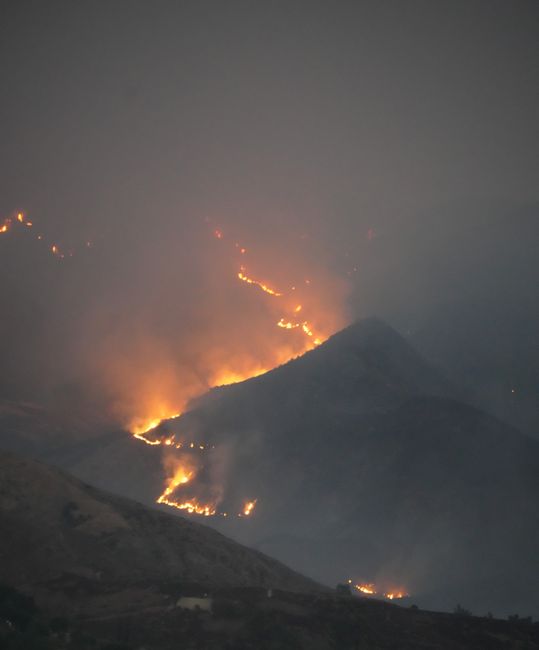
The encroaching tendrils of smoke from Canada’s unprecedented wildfire season have stretched across a significant portion of the United States, impacting air quality and posing substantial health risks to millions. What began as localized blazes in provinces like Quebec and Alberta has, through atmospheric currents, transformed into a widespread environmental event, painting skies hazy orange from the Great Lakes to the Atlantic coast, and even reaching as far south as the Carolinas and as west as the Rockies. This widespread dissemination of fine particulate matter, primarily PM2.5, represents a stark reminder of the interconnectedness of global ecosystems and the far-reaching consequences of climate change. The sheer scale of the Canadian infernos, fueled by prolonged drought conditions and record-breaking temperatures, has overwhelmed suppression efforts, leading to an estimated millions of hectares burned. These fires are not merely terrestrial events; they are injecting vast quantities of pollutants into the atmosphere, creating a public health emergency that transcends political borders.
The geographical extent of the smoke’s reach is staggering. Initially, the Northeast corridor, including major metropolitan areas like New York City, Boston, and Philadelphia, experienced the most severe impacts, with Air Quality Index (AQI) readings soaring into "unhealthy," "very unhealthy," and even "hazardous" categories. These levels signify that the air is unsafe for everyone, particularly sensitive groups. Visibility plummeted to near-zero in some locations, disrupting air travel and daily commutes. However, the atmospheric dynamics governing smoke dispersion are complex and dynamic. Prevailing wind patterns, often influenced by jet stream activity, have carried this smoky plume southward and westward, turning normally clear skies into a muted, oppressive veil. Cities as far south as Charlotte, North Carolina, and even parts of the Southeast have reported diminished air quality, albeit generally at less severe levels than the initial impact zones. Furthermore, the western United States, while not directly under the densest plumes, has also experienced elevated PM2.5 levels due to the broader atmospheric circulation patterns that can transport smoke across continental distances. This expansive reach underscores the pervasiveness of the problem and the challenge of localized containment.
The primary concern for public health stems from the composition of wildfire smoke. It is a complex mixture of gases and microscopic solid particles, with fine particulate matter (PM2.5) being the most insidious. These particles are less than 2.5 micrometers in diameter, roughly 30 times smaller than the width of a human hair. Their diminutive size allows them to penetrate deep into the lungs, reaching the alveoli where oxygen exchange occurs. From there, they can even enter the bloodstream, leading to a cascade of adverse health effects. For individuals with pre-existing respiratory conditions such as asthma, COPD, or emphysema, exposure to wildfire smoke can trigger severe exacerbations, leading to increased hospitalizations and even fatalities. Symptoms can include coughing, wheezing, shortness of breath, and chest tightness. Beyond respiratory issues, PM2.5 has also been linked to cardiovascular problems, including heart attacks and strokes, as the particles can promote inflammation and contribute to blood clotting. Children and the elderly are particularly vulnerable to these effects due to their developing or compromised respiratory and immune systems. Pregnant women are also at increased risk, with studies suggesting potential links between smoke exposure and adverse birth outcomes.
The economic ramifications of this widespread smoke event are also significant. Air quality advisories have led to the cancellation or postponement of outdoor events, impacting businesses that rely on tourism and recreational activities. Sporting events, concerts, and festivals have been forced to shut down or relocate, resulting in substantial revenue losses. The transportation sector has also faced disruptions. Reduced visibility has led to flight cancellations and delays at airports across affected regions, impacting both passenger and cargo operations. The cost of these disruptions, both in terms of lost revenue and operational inefficiencies, is considerable. Furthermore, businesses that require clean air for their operations, such as those in the food processing or electronics manufacturing industries, may face production slowdowns or temporary closures. Healthcare systems are also experiencing increased strain. The surge in respiratory and cardiovascular emergencies directly attributable to smoke exposure places a significant burden on emergency rooms, hospitals, and healthcare providers, leading to increased costs for both individuals and the public health infrastructure. The long-term economic impacts, including potential decreases in tourism and a general decline in quality of life, are also factors to consider.
Addressing the root causes of this escalating wildfire crisis requires a multifaceted approach that acknowledges the role of climate change. The scientific consensus points to a direct correlation between rising global temperatures and increased wildfire activity. Warmer temperatures lead to drier vegetation, creating more abundant and flammable fuel for fires. Longer and more intense heatwaves, coupled with altered precipitation patterns, exacerbate these conditions. Human activities, including historical land management practices that suppressed natural fire cycles, and ongoing industrial emissions of greenhouse gases, have contributed to this dangerous trend. Mitigation strategies must therefore focus on reducing greenhouse gas emissions through transitioning to renewable energy sources, improving energy efficiency, and implementing sustainable land use policies. Adaptation measures are also crucial. These include developing more robust wildfire detection and suppression systems, improving early warning systems for smoke events, and investing in public health infrastructure to manage the health consequences of smoke exposure. Forest management practices that promote resilience, such as prescribed burns and fuel reduction techniques, are also essential components of a comprehensive strategy.
The immediate response to severe smoke events involves public health advisories and recommendations. Authorities issue AQI reports and advise individuals to limit strenuous outdoor activity. For those who must be outdoors, wearing N95 or P100 respirators is recommended to filter out fine particulate matter. Indoor measures include closing windows and doors, using air purifiers with HEPA filters, and avoiding activities that generate indoor air pollution, such as burning candles or using fireplaces. Educational campaigns are vital to inform the public about the risks associated with wildfire smoke and the protective measures they can take. This includes dispelling misinformation and promoting evidence-based advice from public health organizations. The long-term implications of recurrent and intensifying wildfire smoke events necessitate a fundamental shift in how societies approach environmental policy and climate action. The current situation in Canada, with its unprecedented scale, serves as a critical inflection point, demanding immediate and sustained global cooperation to address the underlying drivers of climate change and build resilience against its inevitable impacts. The continuous spread of Canadian wildfire smoke across the United States is not an isolated incident; it is a symptom of a larger, interconnected global challenge that requires urgent and unified action. The economic costs are mounting, the health implications are dire, and the environmental degradation is undeniable. Ignoring these realities is no longer an option; a proactive and comprehensive response is imperative.
