Energy and Infrastructure 2: Powering the Future, Sustaining the Present
The intricate nexus of energy and infrastructure forms the bedrock of modern civilization. Category Energy and Infrastructure 2, in particular, delves into the evolving landscape of power generation, distribution, and the foundational physical and organizational structures that support it. This segment is not merely about the lights turning on; it’s a dynamic arena encompassing renewable energy sources, grid modernization, the critical role of transmission and distribution networks, and the overarching need for robust, resilient, and sustainable infrastructure development. Understanding this category is paramount for policymakers, investors, engineers, and the public alike as we navigate the profound challenges and opportunities presented by a world demanding more energy while simultaneously striving for environmental stewardship. The transition from fossil fuel dependency to cleaner, more distributed energy systems is a central theme, driving innovation in areas like advanced battery storage, smart grid technologies, and decentralized power generation. Furthermore, the very definition of infrastructure is expanding beyond traditional power lines to include the digital backbone that enables efficient energy management and the physical assets required for emerging technologies like electric vehicle charging networks.
Renewable energy sources, a cornerstone of Category Energy and Infrastructure 2, represent a paradigm shift in how we generate electricity. Solar photovoltaic (PV) and wind power have witnessed exponential growth, driven by declining costs, technological advancements, and supportive government policies. Solar PV technology, from crystalline silicon panels to emerging thin-film and perovskite technologies, continues to improve in efficiency and affordability. The integration of solar power, however, presents challenges related to its intermittency. This necessitates advancements in energy storage solutions, such as lithium-ion batteries, flow batteries, and emerging technologies like solid-state batteries, to ensure a stable and reliable power supply. Wind energy, encompassing onshore and offshore turbines, also plays a crucial role. Offshore wind, with its stronger and more consistent wind speeds, is emerging as a significant contributor, though it presents its own set of logistical and environmental considerations. Beyond solar and wind, other renewable sources like geothermal, hydropower, and bioenergy are integral to a diversified energy portfolio. Geothermal energy taps into the Earth’s internal heat, offering a constant and low-emission power source. Hydropower, while mature, still holds potential for expansion and modernization, particularly with pumped-storage hydropower systems that act as large-scale batteries. Bioenergy, derived from organic matter, can provide dispatchable power and a pathway for utilizing waste streams, though sustainability considerations regarding land use and feedstock sourcing are critical. The research and development within this sub-category are ceaselessly pushing the boundaries of efficiency, cost-effectiveness, and environmental impact reduction, paving the way for a cleaner energy future.
The modernization of electricity grids, a critical component within Energy and Infrastructure 2, is indispensable for accommodating the influx of renewable energy and meeting the demands of a digitized world. Traditional, unidirectional grids are being transformed into intelligent, bi-directional networks, often referred to as smart grids. These smart grids leverage advanced digital communication and control technologies to monitor, manage, and optimize the flow of electricity in real-time. Key elements of grid modernization include the deployment of smart meters, which provide granular data on energy consumption, enabling consumers to manage their usage and utilities to better balance supply and demand. Advanced sensors and communication networks allow for the detection and isolation of faults, reducing outage durations and improving grid resilience. Furthermore, smart grids facilitate the integration of distributed energy resources (DERs), such as rooftop solar panels, battery storage systems, and electric vehicles (EVs), enabling them to actively participate in grid operations. Demand-side management (DSM) strategies, enabled by smart grid technology, empower consumers to adjust their energy consumption in response to price signals or grid constraints, thus alleviating peak load pressures. The cybersecurity of these interconnected systems is also a paramount concern, requiring robust security protocols and continuous monitoring to prevent malicious attacks that could disrupt power supply. The evolution towards a more decentralized and digitized grid is not merely an upgrade; it’s a fundamental rethinking of how electricity is delivered and consumed.
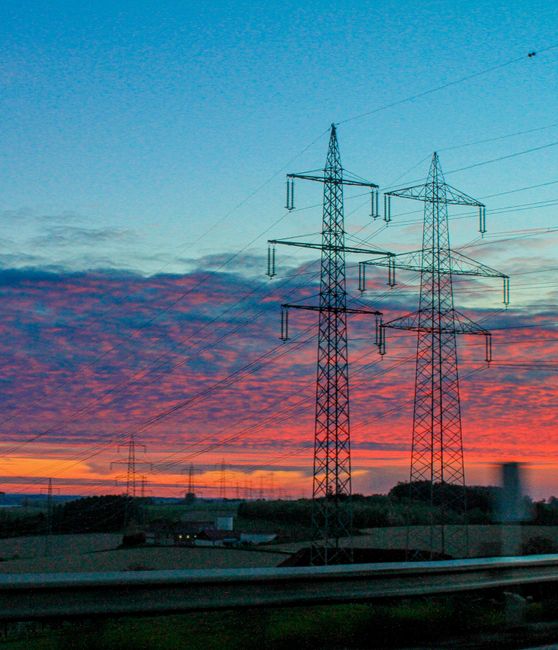
Transmission and distribution networks form the essential circulatory system for electricity, a core focus of Energy and Infrastructure 2. Transmission lines carry electricity at high voltages from power generation facilities to substations, where voltage is stepped down for distribution to homes and businesses. Distribution networks then deliver electricity at lower voltages to end-users. Enhancing the capacity, reliability, and efficiency of these networks is crucial for the secure and economic delivery of energy. Aging infrastructure, a pervasive challenge, often necessitates significant investment in upgrades and replacements to prevent failures and reduce energy losses. The integration of high-voltage direct current (HVDC) technology offers significant advantages for long-distance transmission, reducing energy losses and enabling the efficient transport of renewable energy from remote locations to load centers. Advanced conductors and towers are also being developed to increase capacity and improve resilience against extreme weather events. Furthermore, the deployment of advanced conductors can increase the thermal rating of existing lines, effectively boosting capacity without requiring new rights-of-way. The operational management of these vast networks is increasingly reliant on sophisticated control systems, predictive maintenance technologies, and geographic information systems (GIS) to optimize performance and respond effectively to disruptions. The expansion of these networks is also vital for connecting new renewable energy projects and supporting the growing demand for electricity driven by electrification trends.
The development of robust and sustainable infrastructure is a overarching imperative within Category Energy and Infrastructure 2. This encompasses not only the physical assets for energy generation and delivery but also the organizational structures, regulatory frameworks, and financial mechanisms that support them. Investments in infrastructure are significant, requiring long-term planning and strategic allocation of resources. Public-private partnerships (PPPs) are increasingly being employed to leverage private sector expertise and capital for large-scale infrastructure projects. The concept of "resilience" is central to modern infrastructure development, emphasizing the ability of systems to withstand and recover from disruptions, whether they be natural disasters, cyberattacks, or extreme weather events exacerbated by climate change. Building redundancy into critical systems, hardening infrastructure against physical threats, and developing effective emergency response plans are all part of this proactive approach. Sustainability considerations extend beyond the environmental impact of energy generation to encompass the entire lifecycle of infrastructure, from material sourcing and construction to operation and decommissioning. This includes the use of low-carbon construction materials, efficient construction practices, and the development of circular economy principles within the infrastructure sector. The policy and regulatory landscape plays a vital role in shaping infrastructure development, setting standards, providing incentives, and facilitating the necessary permitting processes. Streamlining regulatory processes while maintaining robust environmental and safety standards is a constant balancing act.
Energy storage technologies are revolutionizing the flexibility and reliability of power systems, a vital sub-sector of Energy and Infrastructure 2. Beyond their role in integrating intermittent renewables, storage solutions are increasingly being deployed for grid services like frequency regulation, peak shaving, and voltage support. Lithium-ion batteries, currently dominant in grid-scale applications, continue to improve in energy density, lifespan, and cost. However, research is actively exploring alternative battery chemistries like sodium-ion, flow batteries, and solid-state batteries, each offering unique advantages in terms of cost, safety, and performance. Pumped-storage hydropower (PSH) remains the largest form of grid-scale energy storage globally, utilizing gravity to store energy by pumping water to higher reservoirs. Advancements in PSH technology are focusing on improving efficiency and minimizing environmental impact. Other emerging storage solutions include compressed air energy storage (CAES), which stores energy by compressing air in underground caverns or tanks, and thermal energy storage, which stores heat or cold for later use. The strategic deployment of energy storage is critical for unlocking the full potential of renewable energy sources and ensuring a stable, reliable, and cost-effective electricity supply for the future. The optimization of storage systems, including their sizing, placement, and operational strategies, is a complex area of ongoing research and development.
The role of digital technologies and data analytics in energy and infrastructure is transformative, representing a significant evolution within Category Energy and Infrastructure 2. The proliferation of sensors, smart meters, and communication devices generates vast amounts of data, which, when analyzed effectively, can provide invaluable insights for optimizing grid operations, predicting equipment failures, and managing energy consumption. Artificial intelligence (AI) and machine learning (ML) algorithms are being employed to forecast energy demand, detect anomalies in grid performance, and automate complex control processes. Predictive maintenance, leveraging data analytics to anticipate equipment failures before they occur, can significantly reduce downtime and maintenance costs, enhancing the reliability of energy infrastructure. The development of digital twins – virtual replicas of physical assets – allows for the simulation of various scenarios, enabling utilities to test new strategies and optimize system performance in a risk-free environment. Cybersecurity is an increasingly critical aspect of this digital transformation, as interconnected systems become more vulnerable to cyber threats. Robust cybersecurity measures, including intrusion detection systems, encryption, and access controls, are essential to protect the integrity and security of energy infrastructure. The integration of advanced data analytics is fundamental to achieving the ambitious goals of grid modernization and the efficient management of a complex and evolving energy landscape.
The economic and policy drivers shaping Energy and Infrastructure 2 are multifaceted and influential. Government incentives, such as tax credits and subsidies for renewable energy development and energy efficiency upgrades, play a crucial role in accelerating the transition to cleaner energy sources. Regulatory frameworks, including carbon pricing mechanisms, renewable portfolio standards (RPS), and grid interconnection rules, create the market conditions that encourage investment in sustainable infrastructure. The increasing focus on climate change mitigation and adaptation is driving policy shifts towards decarbonization targets and the promotion of low-carbon technologies. International agreements and national climate commitments are influencing long-term infrastructure planning and investment decisions. Furthermore, the growing investor demand for sustainable and ESG- (Environmental, Social, and Governance) compliant investments is channeling capital into renewable energy and green infrastructure projects. The cost of capital for such projects is also influenced by perceived risks and the stability of regulatory environments. Understanding these economic and policy dynamics is essential for navigating the complex landscape of energy and infrastructure development and for fostering innovation and investment in the sector. The interplay between market forces and regulatory interventions will continue to shape the pace and direction of energy and infrastructure evolution.
The future of energy and infrastructure, within the context of Category Energy and Infrastructure 2, points towards a more decentralized, digitized, and sustainable paradigm. The integration of distributed energy resources (DERs), coupled with advanced energy storage, will empower consumers and communities to play a more active role in energy generation and management. The concept of the "prosumer" – a consumer who also produces energy – is gaining traction. Microgrids, localized energy systems that can operate independently or connect to the main grid, are emerging as a key solution for enhancing resilience and providing reliable power in remote areas or during grid outages. The electrification of transportation, heating, and industrial processes will significantly increase electricity demand, underscoring the need for robust and scalable infrastructure. The development of electric vehicle charging infrastructure, for instance, is a critical parallel development. Furthermore, the circular economy will become increasingly important, with a focus on resource efficiency, waste reduction, and the reuse and recycling of materials within the energy and infrastructure sectors. The ongoing research and innovation in materials science, digital technologies, and grid management will continue to drive advancements, making energy systems more efficient, reliable, and environmentally responsible. The overarching trend is a move towards intelligent, adaptive, and sustainable energy ecosystems that can meet the growing demands of society while minimizing environmental impact and ensuring long-term resilience.
