Revolutionizing Healthcare: The Exponential Growth and Impact of Medical Technology
Medical technology, often referred to as medtech, encompasses the vast array of devices, software, and equipment used in healthcare to diagnose, treat, monitor, and prevent disease. This dynamic and rapidly evolving field is at the forefront of transforming patient care, improving clinical outcomes, and driving efficiency within healthcare systems globally. The relentless pace of innovation in medtech is not merely about incremental improvements; it signifies a paradigm shift, moving healthcare from a reactive, illness-focused model to a proactive, personalized, and preventative approach. From sophisticated imaging systems that peer into the human body with unprecedented clarity to minimally invasive surgical robots that enhance precision and recovery, medtech is fundamentally reshaping how we understand, manage, and combat illness. The economic impact is equally profound, with the global medical technology market projected for substantial growth, fueled by an aging global population, increasing prevalence of chronic diseases, rising healthcare expenditures, and a burgeoning demand for advanced diagnostic and therapeutic solutions. This article will delve into the core components of medical technology, explore its most impactful applications, discuss key trends and emerging innovations, and examine the challenges and opportunities that define this critical sector.
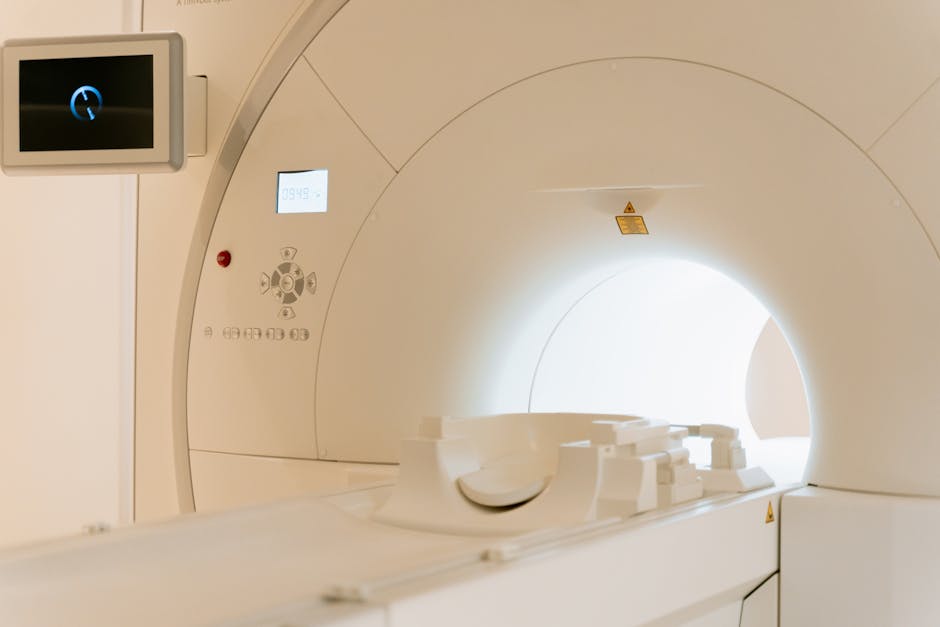
The foundation of medical technology lies in its diverse categories, each contributing uniquely to the healthcare ecosystem. Diagnostic imaging, for instance, includes technologies like Magnetic Resonance Imaging (MRI), Computed Tomography (CT) scans, X-rays, and ultrasound, enabling physicians to visualize internal structures and identify abnormalities with remarkable accuracy. These tools are indispensable for early disease detection, treatment planning, and monitoring disease progression. Laboratory diagnostics, another crucial segment, involves sophisticated instruments and reagents used for analyzing biological samples such as blood, urine, and tissue. This includes automated analyzers, genetic sequencers, and point-of-care testing devices, which provide vital information for diagnosis, prognosis, and personalized medicine. Therapeutic devices form another expansive category, encompassing a wide spectrum of interventions. This includes implantable devices like pacemakers and artificial joints, as well as external devices such as ventilators, dialysis machines, and infusion pumps, all designed to restore, maintain, or improve bodily function. Surgical technologies are rapidly advancing, with robotic surgery systems offering enhanced dexterity, minimally invasive approaches, and improved patient recovery times. Furthermore, digital health technologies, including telemedicine platforms, wearable health trackers, electronic health records (EHRs), and artificial intelligence (AI)-powered diagnostic tools, are revolutionizing patient engagement, data management, and clinical decision-making. The integration of these disparate categories is creating a more interconnected and intelligent healthcare landscape, where data flows seamlessly and insights are leveraged to optimize patient care pathways.
The impact of medical technology on patient outcomes is demonstrably profound. Early and accurate diagnosis, facilitated by advanced imaging and laboratory diagnostics, allows for timely intervention, often leading to better prognoses and reduced treatment complexity. For example, the early detection of cancers through advanced imaging techniques like PET-CT scans can significantly increase survival rates by enabling treatment before the disease has metastasized. Similarly, rapid and precise diagnostic testing for infectious diseases can prevent outbreaks and ensure appropriate treatment protocols are implemented swiftly. In the realm of chronic disease management, medical devices play a pivotal role. Implantable insulin pumps and continuous glucose monitoring systems empower individuals with diabetes to better manage their condition, reducing the risk of long-term complications. Advanced cardiovascular devices, such as artificial heart valves and defibrillators, extend and improve the quality of life for patients with heart conditions. Minimally invasive surgical techniques, enabled by robotic surgery and advanced endoscopic tools, result in smaller incisions, less pain, reduced blood loss, and faster recovery periods, minimizing patient discomfort and hospital stays. Furthermore, the advent of personalized medicine, driven by advancements in genetic sequencing and companion diagnostics, allows for treatments tailored to an individual’s genetic makeup, leading to greater efficacy and fewer side effects. Telemedicine, a burgeoning area of medtech, extends healthcare access to remote or underserved populations, enabling remote consultations, chronic disease monitoring, and follow-up care, thereby democratizing access to medical expertise.
Several key trends are shaping the current and future trajectory of medical technology. One of the most significant is the increasing integration of Artificial Intelligence (AI) and Machine Learning (ML). AI algorithms are being developed to analyze medical images for early detection of diseases like diabetic retinopathy and skin cancer, predict patient deterioration, assist in drug discovery and development, and personalize treatment plans. The ability of AI to process vast datasets and identify subtle patterns often imperceptible to the human eye is a game-changer for diagnostic accuracy and efficiency. Another prominent trend is the rise of connected health and the Internet of Medical Things (IoMT). Wearable devices, remote patient monitoring systems, and smart medical equipment are generating a continuous stream of real-time health data, empowering individuals to take a more active role in their health and enabling healthcare providers to proactively intervene. This data can be used to track vital signs, monitor medication adherence, and identify early warning signs of adverse events, leading to more proactive and preventative care. The miniaturization of medical devices is also a critical trend, leading to less invasive procedures, improved patient comfort, and the development of novel implantable technologies. Nanotechnology is emerging as a powerful tool for targeted drug delivery and advanced diagnostics, opening up new frontiers in treatment. Furthermore, there is a growing emphasis on personalized medicine, driven by advancements in genomics, proteomics, and bioinformatics. This allows for treatments to be tailored to an individual’s unique biological profile, leading to more effective therapies and a reduction in adverse drug reactions. Finally, the drive towards value-based healthcare is pushing medtech innovation to focus on solutions that not only improve clinical outcomes but also reduce healthcare costs and enhance overall system efficiency. This includes developing technologies that streamline workflows, reduce hospital readmissions, and enable more efficient resource allocation.
Despite the remarkable progress, the medical technology sector faces several significant challenges. Regulatory hurdles represent a substantial obstacle, with the lengthy and complex approval processes for new medical devices and therapies often delaying market entry and increasing development costs. Ensuring the safety and efficacy of these technologies while fostering innovation requires a delicate balancing act for regulatory bodies. Cybersecurity is another paramount concern, particularly with the increasing digitization of healthcare and the proliferation of connected medical devices. Protecting sensitive patient data from breaches and ensuring the integrity of medical equipment is critical to maintaining patient trust and preventing potentially life-threatening disruptions to care. The high cost of some advanced medical technologies can also be a barrier to widespread adoption, especially in resource-limited settings. This necessitates a focus on developing cost-effective solutions and exploring innovative financing models to ensure equitable access to cutting-edge treatments. Interoperability between different medical devices and healthcare IT systems remains a persistent challenge, hindering seamless data sharing and the full realization of connected health. Achieving true interoperability requires standardized data formats and robust communication protocols. Ethical considerations, particularly surrounding AI in healthcare, such as algorithmic bias, data privacy, and accountability, require careful and ongoing examination. Ensuring that AI technologies are developed and deployed in a responsible and equitable manner is crucial for their successful integration into clinical practice. Finally, the rapid pace of technological change necessitates continuous education and training for healthcare professionals to ensure they can effectively utilize new devices and software.
The future of medical technology is exceptionally bright, brimming with opportunities for further innovation and transformative impact. The continued advancement of AI and ML promises to unlock even more sophisticated diagnostic capabilities, personalized treatment regimens, and predictive analytics for population health management. The convergence of AI with robotics is poised to further revolutionize surgery, enabling even greater precision and autonomy in complex procedures. The expansion of IoMT will lead to more comprehensive and continuous patient monitoring, shifting the focus of healthcare from acute care to proactive wellness and early intervention. Advancements in gene editing technologies like CRISPR-Cas9 hold immense potential for treating genetic diseases at their root cause, opening up entirely new avenues for therapeutic intervention. The development of regenerative medicine and tissue engineering offers the possibility of repairing or replacing damaged organs and tissues, holding promise for conditions currently considered incurable. Furthermore, the integration of virtual reality (VR) and augmented reality (AR) in healthcare is expanding beyond surgical training to encompass patient rehabilitation, pain management, and therapeutic interventions. The increasing focus on preventative healthcare, driven by consumer demand and the potential for cost savings, will spur innovation in early detection technologies, lifestyle monitoring, and personalized health coaching solutions. The ongoing globalization of healthcare and the growing demand for quality medical care in emerging economies will create significant market opportunities for medtech companies that can deliver innovative, cost-effective, and accessible solutions. Ultimately, the relentless pursuit of innovation in medical technology is driven by an unwavering commitment to improving human health, extending lifespan, and enhancing the quality of life for individuals worldwide. The collaborative efforts between researchers, engineers, clinicians, and policymakers will be instrumental in navigating the challenges and capitalizing on the vast opportunities that lie ahead, ensuring that medical technology continues to be a powerful force for good in shaping the future of healthcare.
