Category Energy Investments 2: Decarbonization, Decentralization, and Digitalization Driving the Next Wave of Energy Sector Transformation
The global energy landscape is undergoing a profound metamorphosis, driven by a confluence of powerful forces that are collectively reshaping investment priorities. This evolution, broadly categorized as "Energy Investments 2," is characterized by three intertwined pillars: decarbonization, decentralization, and digitalization. These megatrends are not merely incremental changes; they represent a fundamental paradigm shift, demanding new strategies, technologies, and capital allocations from investors seeking to navigate and capitalize on the future of energy. Decarbonization, the imperative to reduce greenhouse gas emissions, stands as the overarching driver, necessitating a move away from fossil fuels and towards cleaner energy sources. Decentralization breaks the traditional centralized power generation model, empowering localized energy production and consumption. Digitalization, the integration of advanced technologies like AI, IoT, and blockchain, is the enabler, optimizing efficiency, reliability, and accessibility across the entire energy value chain. Understanding the interplay of these forces is paramount for identifying lucrative investment opportunities within Category Energy Investments 2.
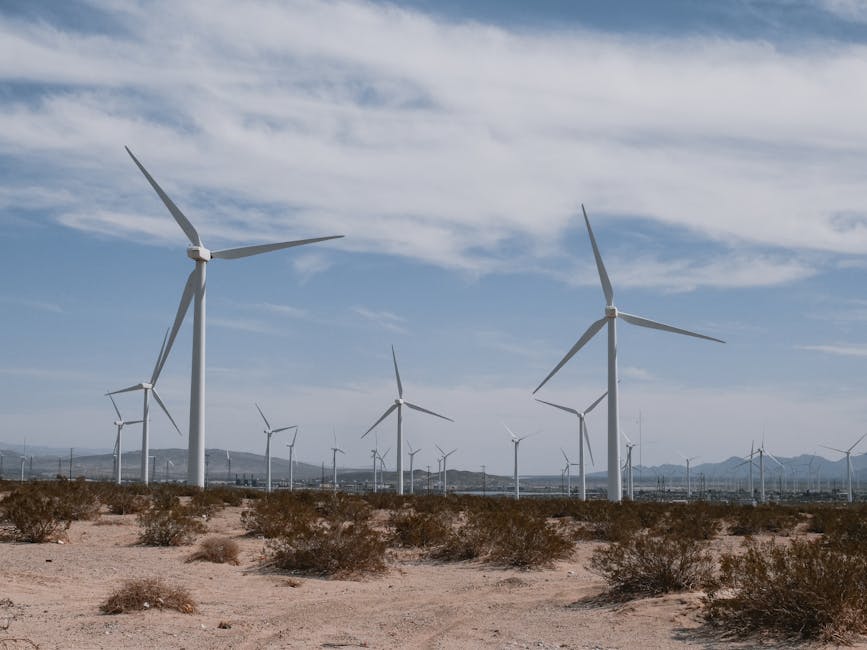
Decarbonization efforts are accelerating globally, spurred by mounting scientific evidence of climate change, increasing regulatory pressure, and growing public demand for sustainable solutions. This translates directly into massive investment opportunities in renewable energy technologies. Solar photovoltaic (PV) and wind power, once niche alternatives, have now become cost-competitive and are experiencing exponential growth. Investment is pouring into utility-scale solar farms and offshore wind projects, as well as distributed solar installations on residential and commercial rooftops. Beyond these established technologies, significant capital is being directed towards emerging renewable sources like geothermal energy, tidal power, and advanced biofuels, which hold the potential to diversify the clean energy portfolio and address specific regional needs. Furthermore, decarbonization necessitates a complete overhaul of existing energy infrastructure. This includes substantial investments in grid modernization, energy storage solutions (including battery technologies, pumped hydro, and hydrogen storage), and the development of carbon capture, utilization, and storage (CCUS) technologies. CCUS is particularly critical for hard-to-abate industrial sectors where direct electrification or renewable substitution is challenging. Investors are also scrutinizing the entire lifecycle of energy production, leading to increased scrutiny and investment in sustainable sourcing of materials for renewable technologies and the responsible decommissioning of aging fossil fuel infrastructure. The concept of a circular economy is gaining traction, pushing for investments in recycling and repurposing of components from wind turbines, solar panels, and batteries. The financial instruments supporting these decarbonization initiatives are evolving, with green bonds, sustainability-linked loans, and dedicated climate funds becoming increasingly prevalent.
Decentralization is fundamentally altering the traditional, one-way flow of electricity from large power plants to end-users. The rise of distributed energy resources (DERs) – including rooftop solar, battery storage, electric vehicles (EVs), and smart appliances – is creating a more resilient, flexible, and consumer-centric energy system. Investment is flowing into technologies and business models that facilitate the integration and management of these DERs. This includes microgrids, which can operate independently of the main grid, providing reliable power during outages and enhancing energy security. Virtual power plants (VPPs), which aggregate and control distributed energy assets to provide grid services, are another area of intense investment interest. Companies developing software platforms for VPP management, demand response programs, and peer-to-peer energy trading are attracting significant capital. The decentralization trend also empowers communities and individuals to become active participants in the energy transition. Community solar projects, energy cooperatives, and blockchain-based energy marketplaces are emerging, offering new avenues for investment and ownership in clean energy. This shift necessitates investments in grid edge technologies and sophisticated control systems that can manage the bidirectional flow of energy and data. The economic implications of decentralization are profound, potentially leading to lower energy costs for consumers, new revenue streams for DER owners, and the creation of local jobs. Investors are looking for companies that can effectively navigate this complex ecosystem, offering innovative solutions for grid integration, asset management, and market participation. The increasing adoption of EVs, for instance, represents a massive distributed energy resource, and investments are surging in charging infrastructure, battery technology, and vehicle-to-grid (V2G) capabilities, further amplifying the decentralization trend.
Digitalization is the invisible hand that enables and optimizes the decarbonization and decentralization of the energy sector. The integration of advanced digital technologies is revolutionizing how energy is generated, transmitted, distributed, and consumed. Artificial intelligence (AI) and machine learning (ML) are being deployed to optimize renewable energy forecasting, improve grid stability, predict equipment failures, and enhance energy efficiency. Internet of Things (IoT) devices are enabling real-time monitoring and control of energy assets, from smart meters in homes to sensors on wind turbines. Blockchain technology is being explored for secure and transparent energy trading, managing distributed ledger technologies for grid data, and facilitating smart contracts for energy transactions. Investments in energy analytics platforms, cybersecurity solutions for critical energy infrastructure, and digital twin technologies for asset management are crucial. The proliferation of data generated by smart grids and connected devices presents significant opportunities for data analytics companies and those developing AI-powered solutions to extract actionable insights. Digitalization also plays a crucial role in improving energy efficiency across all sectors. Smart building technologies, advanced metering infrastructure (AMI), and energy management systems are all benefiting from significant investment. Furthermore, the development of digital platforms for managing and optimizing EV charging infrastructure is a key area of focus. The ability to leverage data effectively is becoming a competitive advantage, and investors are keen to back companies that possess robust data capabilities and innovative digital solutions. The increasing sophistication of digital tools is also enabling better integration of variable renewable energy sources into the grid, enhancing grid resilience and reliability through advanced forecasting and real-time control mechanisms. Cybersecurity is becoming an increasingly critical concern as the energy sector becomes more digitized and interconnected, leading to substantial investment in solutions designed to protect critical infrastructure from cyber threats.
Beyond the three core pillars, several complementary investment categories are emerging within Energy Investments 2. Energy efficiency technologies, encompassing insulation, smart thermostats, LED lighting, and industrial process optimization, continue to attract significant investment as a cost-effective way to reduce energy demand and emissions. Sustainable transportation, including EVs, charging infrastructure, and alternative fuels like green hydrogen, represents a rapidly expanding investment frontier. Industrial decarbonization, focusing on solutions for heavy industries like steel, cement, and chemicals, where direct electrification is challenging, is a critical and capital-intensive area. This includes investments in green hydrogen production, CCUS, and the development of novel low-carbon materials. The circular economy, with its emphasis on resource efficiency and waste reduction, is also creating new investment opportunities in recycling technologies, remanufacturing, and sustainable material sourcing across the energy value chain. Furthermore, the increasing electrification of various sectors, from transportation to heating and industry, is creating demand for new electrical equipment, grid upgrades, and specialized power electronics. Investors are also closely watching the development of next-generation energy technologies, such as advanced nuclear power (including small modular reactors), fusion energy, and novel energy storage chemistries, which could play a significant role in the long-term decarbonization of the global energy system. The regulatory environment plays a pivotal role in shaping investment flows within these categories. Government incentives, carbon pricing mechanisms, and ambitious renewable energy targets are all powerful drivers of capital allocation. Investors need to carefully assess the policy landscape and identify regions with supportive regulatory frameworks to maximize their returns. The geopolitical landscape also influences investment decisions, with energy security and the diversification of energy supply chains becoming increasingly important considerations.
The investment opportunities within Category Energy Investments 2 are diverse and span various asset classes, from venture capital and private equity to public equities and infrastructure funds. Venture capital and early-stage private equity are crucial for funding disruptive technologies and innovative business models that are poised to redefine the energy sector. Investments in areas like advanced battery chemistries, green hydrogen production technologies, direct air capture, and novel grid management software are prime examples. Growth equity and later-stage private equity play a vital role in scaling up proven technologies and supporting the expansion of established clean energy companies, such as solar and wind developers, EV manufacturers, and energy efficiency solution providers. Public equity markets offer opportunities to invest in publicly traded companies at various stages of the energy transition, from established utilities investing in renewables to specialized technology providers. Infrastructure funds are increasingly focused on developing and acquiring large-scale renewable energy assets, grid modernization projects, and EV charging networks, providing stable, long-term returns. The concept of blended finance, combining public and private capital, is becoming increasingly important for mobilizing the massive investments required for the energy transition, particularly in emerging markets. Investors are also exploring new financing mechanisms such as yieldcos, which own and operate operational renewable energy assets and distribute a significant portion of their cash flow to investors, and green bonds, which are specifically issued to finance environmentally friendly projects. The rigorous due diligence process for energy investments within this category requires a deep understanding of technological viability, market dynamics, regulatory risks, and the competitive landscape. ESG (Environmental, Social, and Governance) considerations are no longer an afterthought but a fundamental component of investment analysis, with investors actively seeking companies that demonstrate strong ESG performance and contribute positively to sustainability goals. The long-term nature of many energy transition investments necessitates a patient approach and a focus on sustainable value creation.
The challenges and risks associated with Category Energy Investments 2 are also significant and require careful consideration. Technological risk remains a key factor, as nascent technologies may not achieve commercial viability or widespread adoption. Market risk, including fluctuating energy prices, policy uncertainty, and evolving consumer preferences, can impact the profitability of energy investments. Regulatory and policy risk, such as changes in government subsidies, carbon pricing, or environmental regulations, can create unforeseen headwinds or tailwinds for specific investment strategies. Geopolitical risk, particularly concerning supply chain disruptions, resource availability, and international trade relations, can also influence investment outcomes. Operational risk, inherent in any infrastructure or industrial investment, includes the potential for project delays, cost overruns, and equipment failures. Cybersecurity risk, as mentioned earlier, is a growing concern in an increasingly digitized energy sector. Financial risk, including access to capital, interest rate fluctuations, and currency exchange rate volatility, needs to be managed effectively. Furthermore, the sheer scale of the energy transition requires unprecedented levels of investment, and ensuring sufficient capital availability across all segments of the market remains a critical challenge. Navigating these complexities demands robust risk management frameworks, diversification strategies, and a forward-looking perspective. Investors must conduct thorough due diligence, engage with experienced industry partners, and stay abreast of the rapidly evolving energy landscape to mitigate these risks and capitalize on the immense opportunities presented by Category Energy Investments 2. The transition to a sustainable energy future is a marathon, not a sprint, and strategic, well-informed investments are crucial for achieving both financial returns and positive environmental impact.
