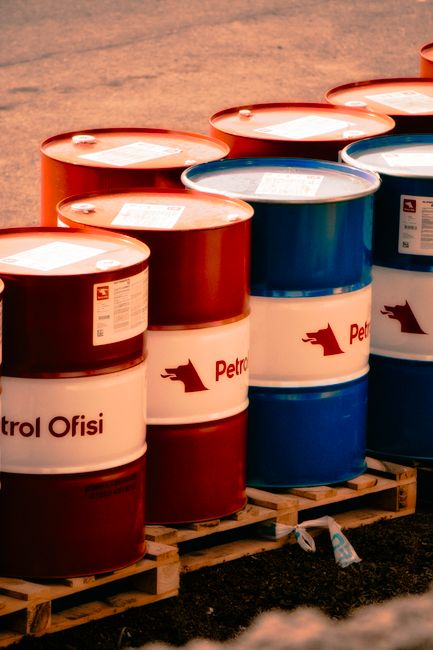
Category: Energy Oil 2
Category: Energy Oil 2, a critical classification within the broader energy sector, encompasses a diverse range of liquid hydrocarbons and their derived products. This category is fundamental to global economics, powering transportation, industry, and a myriad of consumer goods. Understanding the nuances of Energy Oil 2 is paramount for investors, policymakers, and industry professionals alike. It’s a dynamic segment subject to complex geopolitical influences, technological advancements, and evolving environmental regulations, making its analysis a constant endeavor. The primary components within this category are crude oil itself, which is the raw material extracted from the earth, and refined petroleum products, which are the result of processing crude oil into usable fuels and other materials. The classification signifies a specific tier or grade of oil, often differentiated by its sulfur content, density, and viscosity, impacting its suitability for various refining processes and its ultimate market value.
The classification of crude oil into different categories, such as "Energy Oil 2," is a vital aspect of the global petroleum market. This categorization is primarily based on the oil’s physical and chemical properties, which in turn dictate its refining characteristics and the types of products that can be derived from it. The most common parameters used for classification are API gravity (a measure of density) and sulfur content. API gravity indicates how heavy or light crude oil is. Higher API gravity signifies lighter, less dense oil, while lower API gravity indicates heavier, denser oil. Sulfur content, measured as a percentage by weight, is another crucial differentiator. Crude oils with low sulfur content (typically less than 0.5%) are known as "sweet" crudes, while those with high sulfur content (above 0.5%) are classified as "sour" crudes. Energy Oil 2, as a category, would likely fall within specific ranges for these properties, influencing its price, the complexity of its refining, and the types of end products it yields. For instance, a lighter, sweeter crude might be preferred for producing gasoline and jet fuel, while a heavier, sourer crude might require more intensive refining but be rich in heavier distillates like diesel fuel and fuel oil.
The extraction and production of crude oil, forming the initial stage of Energy Oil 2, involve sophisticated geological surveying, drilling, and extraction technologies. Exploration teams utilize seismic imaging and geological analysis to identify potential reservoirs deep beneath the earth’s surface, both onshore and offshore. Once a viable reservoir is discovered, drilling operations commence, employing specialized rigs and equipment to penetrate rock formations and access the oil. Various extraction techniques are employed, ranging from natural flow driven by reservoir pressure to enhanced oil recovery (EOR) methods that utilize water flooding, gas injection, or chemical additives to increase the amount of oil that can be economically extracted. The global distribution of these oil reserves is uneven, with significant deposits concentrated in regions like the Middle East, North America, and Russia. The geopolitical landscape surrounding these oil-producing regions significantly impacts the supply, pricing, and accessibility of Energy Oil 2, often leading to price volatility influenced by political instability, international relations, and trade policies.
Refining is the transformative process that converts raw crude oil into a multitude of usable products, and it is central to the understanding of Energy Oil 2. Refineries employ complex distillation, cracking, and treating processes to separate crude oil into its various hydrocarbon components and remove impurities like sulfur. The initial separation occurs in atmospheric distillation units, where crude oil is heated and vaporized, then cooled and condensed at different temperature levels to yield fractions like naphtha, kerosene, gas oil (diesel), and heavier residues. Further processing, such as catalytic cracking or hydrocracking, breaks down larger hydrocarbon molecules into smaller, more valuable ones, increasing the yield of lighter products like gasoline. Hydrotreating processes are specifically designed to remove sulfur and other contaminants, crucial for meeting environmental standards for fuels. The specific properties of Energy Oil 2, such as its sulfur content and density, will influence the type of refining processes required and the overall efficiency and cost of converting it into marketable products. For example, a sweeter crude might require less hydrotreating, reducing operational costs.
The products derived from Energy Oil 2 are the lifeblood of modern society. Transportation fuels, including gasoline (petrol), diesel fuel, and jet fuel, are the most significant outputs, powering vehicles, aircraft, and machinery. Beyond fuels, refined petroleum products are essential feedstocks for the petrochemical industry, which manufactures plastics, synthetic fibers, fertilizers, pharmaceuticals, and countless other industrial and consumer goods. Lubricants, asphalt for road construction, and waxes are also derived from crude oil. The demand for these diverse products directly influences the global consumption patterns of Energy Oil 2, with fluctuations in economic activity, population growth, and technological adoption all playing a role in shaping market dynamics. The interconnectedness of these end-use markets highlights the pervasive influence of crude oil derivatives across almost every sector of the global economy.
The market dynamics of Energy Oil 2 are characterized by a complex interplay of supply and demand. Supply is influenced by production levels from oil-producing nations, the discovery of new reserves, the operational capacity of refineries, and geopolitical factors that can disrupt supply chains. Demand is driven by global economic growth, transportation needs, industrial activity, and seasonal variations. Major benchmarks like West Texas Intermediate (WTI) and Brent crude are used as pricing references, and their prices are influenced by a multitude of factors, including inventory levels, futures market speculation, and global economic outlooks. The classification of Energy Oil 2 as a specific grade or type of crude will mean it trades at a premium or discount relative to these benchmarks, based on its quality and the current market demand for crudes with its particular characteristics.
Environmental considerations and regulatory frameworks are increasingly shaping the landscape of Energy Oil 2. Concerns over greenhouse gas emissions, air and water pollution, and the long-term sustainability of fossil fuels have led to stricter regulations on fuel quality, refinery emissions, and the exploration and production of oil. The transition to cleaner energy sources, such as renewables and electric vehicles, is also creating a long-term shift in energy consumption patterns, impacting the future demand for traditional oil products. Governments worldwide are implementing policies to incentivize the development of renewable energy technologies and to reduce reliance on fossil fuels, posing both challenges and opportunities for the Energy Oil 2 sector. Adapting to these evolving regulations and consumer preferences is crucial for the long-term viability of the industry.
Technological innovation continues to be a driving force within the Energy Oil 2 sector. Advancements in seismic imaging and drilling techniques have enabled the extraction of oil from previously inaccessible reserves, such as deepwater fields and unconventional formations like shale oil. In refining, new catalysts and process technologies are being developed to improve efficiency, reduce emissions, and enable the processing of heavier and more challenging crude oils. Furthermore, innovations in digital technologies, such as artificial intelligence and the Internet of Things (IoT), are being applied to optimize exploration, production, and refinery operations, leading to increased productivity and cost savings. The continuous pursuit of technological advancements is essential for maintaining competitiveness and addressing the evolving demands of the market and regulatory environment.
The classification of Energy Oil 2 within the broader energy market is not static. The relative value and demand for different crude grades can shift based on technological advancements in refining, changes in the types of products consumers demand, and the availability of alternative energy sources. For example, if the global demand for gasoline declines due to the widespread adoption of electric vehicles, heavier crudes that yield more diesel and fuel oil might become relatively more valuable. Conversely, if new refining technologies emerge that can efficiently process a wider range of crude types, the specific premium associated with a particular grade like Energy Oil 2 might diminish. This fluidity underscores the need for continuous analysis of market trends and a flexible approach to production and investment strategies.
The global trade of Energy Oil 2 involves a complex network of shipping, pipelines, and storage facilities. Major oil-producing regions export their crude to refining centers around the world. The cost and efficiency of transportation are significant factors influencing the landed cost of crude oil and, consequently, the price of refined products. Geopolitical events can disrupt these trade routes, leading to supply shortages and price spikes. The development of new pipelines and the expansion of shipping capacity are ongoing efforts to improve the efficiency and security of the global oil supply chain. The specific type of crude oil that falls under the "Energy Oil 2" classification will influence its trade patterns, as certain grades are more suited for specific refining locations or transportation methods.
The economic impact of Energy Oil 2 is profound and far-reaching. Oil revenues are a significant source of income for many oil-producing nations, funding government services and national development. Fluctuations in oil prices can have a substantial impact on global inflation, economic growth, and the balance of payments for both importing and exporting countries. The energy sector is a major employer, providing jobs in exploration, production, refining, transportation, and related industries. The strategic importance of secure and affordable energy supplies makes Energy Oil 2 a central focus of national security and foreign policy for many nations.
In conclusion, the category of Energy Oil 2 represents a vital segment of the global energy industry. Its classification, production, refining, and consumption are intricately linked to global economics, geopolitics, and technological advancements. Understanding the specific characteristics of Energy Oil 2, its place within the broader crude oil market, and the forces that shape its supply and demand is crucial for navigating the complexities of the modern energy landscape and for anticipating future trends and challenges.
