Medical Technology: Revolutionizing Healthcare Delivery and Patient Outcomes
Medical technology, or MedTech, encompasses the vast array of devices, diagnostics, digital solutions, and services that are used to improve health and healthcare. It represents a dynamic and rapidly evolving sector that is fundamentally reshaping how diseases are diagnosed, treated, and prevented, as well as how healthcare systems operate. The core objective of MedTech innovation is to enhance patient outcomes, increase efficiency, reduce costs, and expand access to quality care. This multifaceted field spans from sophisticated surgical robots and advanced imaging systems to simple yet vital diagnostic tools and the increasingly pervasive digital health platforms. The influence of MedTech is evident across the entire healthcare continuum, from preventative care and early detection to acute treatment, rehabilitation, and long-term management of chronic conditions.
The historical trajectory of medical technology is one of continuous innovation, driven by scientific discovery, engineering prowess, and an ever-present need to address unmet medical needs. Early breakthroughs, such as the invention of the stethoscope and the X-ray, laid the groundwork for more complex advancements. The 20th century witnessed an explosion in MedTech, with the development of electrocardiograms (ECGs), pacemakers, advanced prosthetics, and the foundational technologies for modern imaging like CT scans and MRIs. The advent of the digital age has further accelerated this progress, ushering in an era of interconnected devices, artificial intelligence (AI)-powered diagnostics, telemedicine, and personalized medicine. This relentless pursuit of improvement has led to a healthcare landscape where previously untreatable conditions are now managed, and life-saving interventions are more precise and less invasive. The economic impact of MedTech is also substantial, with the global market valued in hundreds of billions of dollars and employing millions worldwide, underscoring its critical role not only in public health but also in global economies.
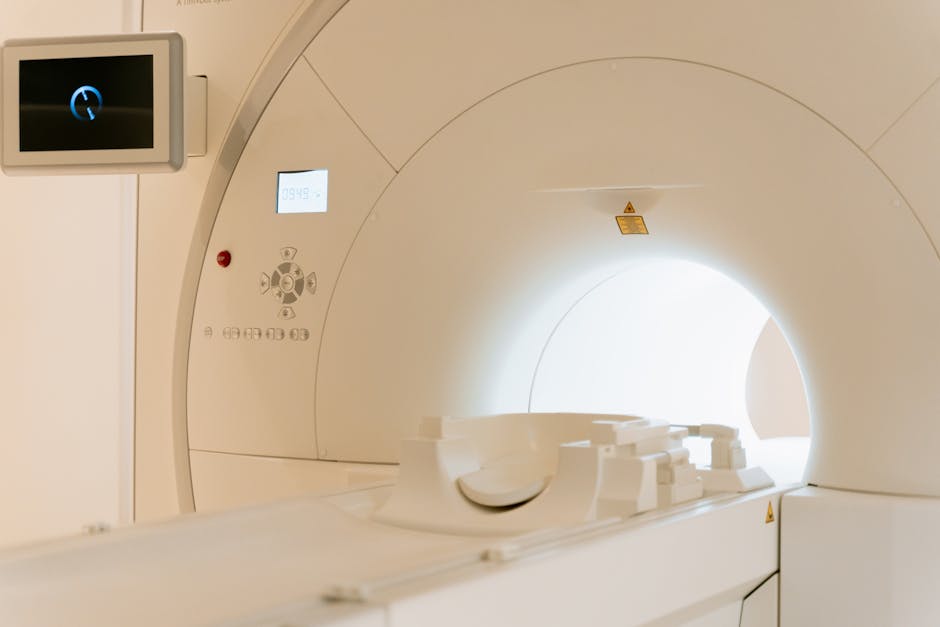
Diagnostics represent a cornerstone of medical technology, enabling the identification of diseases and conditions at various stages. This category includes a broad spectrum of tools and techniques, from basic laboratory tests that analyze blood and urine to highly sophisticated imaging modalities. In vitro diagnostics (IVDs), for example, are crucial for detecting biomarkers, infectious agents, and genetic predispositions. Innovations in IVDs have led to faster, more accurate, and often point-of-care testing, reducing the time between sample collection and diagnosis. Molecular diagnostics, utilizing techniques like PCR and genetic sequencing, have become indispensable for identifying infectious diseases, guiding cancer treatment through genomic profiling, and predicting individual responses to medications. Imaging technologies, such as magnetic resonance imaging (MRI), computed tomography (CT) scans, and ultrasound, provide non-invasive visualization of internal organs and structures, allowing for the detection of tumors, anatomical abnormalities, and signs of disease progression. The ongoing development in this area focuses on improving resolution, reducing scan times, enhancing patient comfort, and integrating AI for image interpretation and anomaly detection.
Therapeutic devices form another vital segment of medical technology, designed to treat or manage diseases and injuries. This category encompasses a wide range, from implants and prosthetics to drug delivery systems and external therapy devices. Implantable devices like pacemakers, defibrillators, and artificial joints have dramatically improved the quality of life for millions. Minimally invasive surgical tools, including endoscopic instruments and robotic surgical systems, are transforming surgical procedures, leading to shorter recovery times, reduced pain, and a lower risk of complications. Robotic surgery, in particular, offers enhanced precision, dexterity, and visualization, enabling surgeons to perform complex operations with greater control. Drug delivery systems are evolving beyond traditional oral medications, with advancements in transdermal patches, implantable pumps, and targeted nanoparticle delivery systems that aim to enhance therapeutic efficacy and minimize side effects. External therapy devices, such as ventilators, dialysis machines, and therapeutic ultrasound devices, play a crucial role in supporting organ function, managing chronic conditions, and facilitating rehabilitation.
The digital revolution has profoundly impacted medical technology, giving rise to the field of digital health. This encompasses a diverse range of applications, including electronic health records (EHRs), telehealth platforms, mobile health (mHealth) applications, and wearable devices. EHRs are central to modern healthcare, providing a comprehensive digital record of a patient’s medical history, improving care coordination, and reducing medical errors. Telehealth and telemedicine have gained significant traction, enabling remote patient consultations, monitoring, and even diagnosis, thereby increasing access to healthcare for individuals in rural or underserved areas and improving convenience for all patients. mHealth apps empower individuals to track their health metrics, manage chronic conditions, and adhere to treatment plans. Wearable devices, such as smartwatches and fitness trackers, collect continuous physiological data, offering insights into activity levels, heart rate, sleep patterns, and more, which can be leveraged for preventative care, early disease detection, and personalized wellness. The integration of AI and machine learning within digital health platforms is further enhancing capabilities, enabling predictive analytics, personalized treatment recommendations, and automated administrative tasks.
Surgical technologies represent a highly specialized and rapidly advancing area within MedTech. The shift towards minimally invasive surgery has been a defining trend, driven by the development of smaller, more sophisticated instruments and visualization systems. Laparoscopic and endoscopic procedures, which involve inserting instruments and cameras through small incisions, have become standard for many operations, leading to reduced scarring, less pain, and faster recovery. Robotic-assisted surgery takes this a step further, providing surgeons with enhanced precision, three-dimensional visualization, and greater degrees of freedom for instrument manipulation. Systems like the da Vinci Surgical System allow surgeons to control robotic arms with instruments attached, performing intricate maneuvers with unprecedented accuracy. Innovations in surgical navigation systems and intraoperative imaging provide real-time guidance to surgeons, improving the safety and efficacy of complex procedures. Furthermore, advancements in implantable biomaterials and tissue engineering are paving the way for regenerative medicine and tissue repair, offering novel therapeutic avenues for conditions involving organ damage or loss.
The field of biomaterials and regenerative medicine is at the forefront of innovation in medical technology, offering the potential to repair, replace, or regenerate damaged tissues and organs. Biomaterials are substances that interact with biological systems for medical purposes, ranging from inert metals used in implants to biocompatible polymers and ceramics. The development of smart biomaterials that can actively interact with the body, release drugs, or guide tissue growth is a key area of research. Regenerative medicine seeks to harness the body’s own healing processes, often through the use of stem cells, gene therapy, and tissue engineering, to restore function to damaged tissues and organs. This field holds immense promise for treating conditions such as heart disease, neurodegenerative disorders, diabetes, and severe injuries. Advances in 3D bioprinting are enabling the creation of complex biological structures, including functional tissues and even organs, offering a potential long-term solution to organ shortages and rejection issues associated with transplantation.
The regulatory landscape for medical technology is complex and critical for ensuring patient safety and product efficacy. Regulatory bodies like the Food and Drug Administration (FDA) in the United States and the European Medicines Agency (EMA) in Europe establish rigorous standards and review processes for the approval of new medical devices and technologies. These regulations aim to balance the need for rapid innovation with the imperative to protect public health. The approval process often involves extensive preclinical testing, clinical trials, and post-market surveillance. The increasing complexity and interconnectedness of MedTech products, particularly in the digital health space, present new challenges for regulators, requiring adaptive frameworks to address cybersecurity, data privacy, and the evolving nature of AI-driven medical tools. Harmonization of regulatory standards across different countries is an ongoing effort to streamline market access for innovative technologies.
The economic forces shaping medical technology are substantial. The global MedTech market is characterized by significant investment in research and development, driven by both established multinational corporations and agile startups. Mergers and acquisitions are common as larger companies seek to acquire innovative technologies and expand their product portfolios. Reimbursement policies from government and private insurers play a crucial role in determining the adoption and accessibility of new medical technologies. Technologies that can demonstrate clear clinical benefits and cost-effectiveness are more likely to be reimbursed, influencing market demand. The rise of value-based healthcare models, which focus on patient outcomes rather than the volume of services, is also influencing MedTech innovation, pushing for technologies that improve efficiency and reduce long-term healthcare costs.
Future trends in medical technology are poised to further revolutionize healthcare. Personalized medicine, driven by advances in genomics, diagnostics, and data analytics, will enable treatments tailored to an individual’s unique genetic makeup and disease profile. AI and machine learning will become even more integrated, assisting in diagnosis, drug discovery, treatment planning, and patient monitoring. The development of more sophisticated and less invasive surgical techniques will continue, with a focus on automation and augmented reality for surgical guidance. Wearable and implantable sensors will provide continuous, real-time physiological data, enabling proactive health management and early intervention. The convergence of MedTech with other fields, such as nanotechnology and biotechnology, will unlock new therapeutic possibilities and diagnostic capabilities. The expansion of remote care and home-based healthcare solutions, facilitated by digital technologies, will improve accessibility and patient convenience.
The ethical considerations surrounding medical technology are paramount and require careful consideration as these powerful tools become more pervasive. Issues of data privacy and security are critical, particularly with the vast amounts of sensitive patient data collected by digital health devices and platforms. Ensuring equitable access to advanced medical technologies is another significant challenge, as disparities in wealth and infrastructure can lead to unequal distribution of benefits. The potential for over-reliance on technology, the impact on the doctor-patient relationship, and the ethical implications of AI in clinical decision-making also warrant ongoing discussion and careful policy development. As MedTech continues its rapid advancement, a proactive and ethical approach is essential to ensure that these innovations serve the best interests of all individuals and society as a whole.
