Precious Metals: Investment, Industry, and Intrinsic Value
Precious metals, a category encompassing gold, silver, platinum, and palladium, have held a unique position in human civilization for millennia, transcending mere monetary function to embody wealth, status, and industrial utility. Their rarity, inherent durability, and aesthetic appeal contribute to their enduring desirability, making them a cornerstone of both investment portfolios and critical manufacturing processes. Understanding the multifaceted nature of precious metals is crucial for investors seeking diversification, individuals interested in tangible assets, and industries reliant on their exceptional properties. This article will delve into the defining characteristics, investment avenues, industrial applications, and market dynamics of these valuable commodities.
Gold, often considered the king of precious metals, is distinguished by its unparalleled luster, extreme malleability and ductility, and remarkable resistance to corrosion and tarnishing. Its atomic symbol, Au, derives from the Latin word "aurum," meaning shining dawn. Historically, gold has served as a primary medium of exchange, a store of value during economic uncertainty, and a symbol of power and divinity across numerous cultures. Its scarcity, with estimated global reserves being finite and extraction becoming increasingly challenging and costly, underpins its consistent demand and price stability, albeit with market fluctuations influenced by geopolitical events, inflation expectations, and central bank policies. The intrinsic value of gold is not solely tied to its market price; its cultural significance and its role in preserving wealth across generations contribute to its enduring appeal. Investment in gold can take various forms, including physical bullion (bars and coins), exchange-traded funds (ETFs) that track gold prices or hold physical gold, and futures contracts. The physical ownership of gold offers a direct, tangible connection to the asset, providing a sense of security, especially in times of systemic financial risk. However, it also entails storage and insurance costs. Gold ETFs offer a liquid and accessible way to gain exposure to gold prices without the logistical burdens of physical possession, making them popular for retail and institutional investors alike. Gold futures provide leveraged exposure and are typically favored by more sophisticated traders aiming to capitalize on short-term price movements. The global demand for gold is driven by a combination of investment, jewelry, and industrial sectors. Investment demand, particularly from central banks and individual investors, often surges during periods of economic instability, currency devaluation, or rising inflation, as gold is perceived as a safe-haven asset. The jewelry sector, historically a significant consumer of gold, continues to exert influence, especially in emerging markets. Industrial applications, while less substantial than investment or jewelry, are crucial for specific technologies.
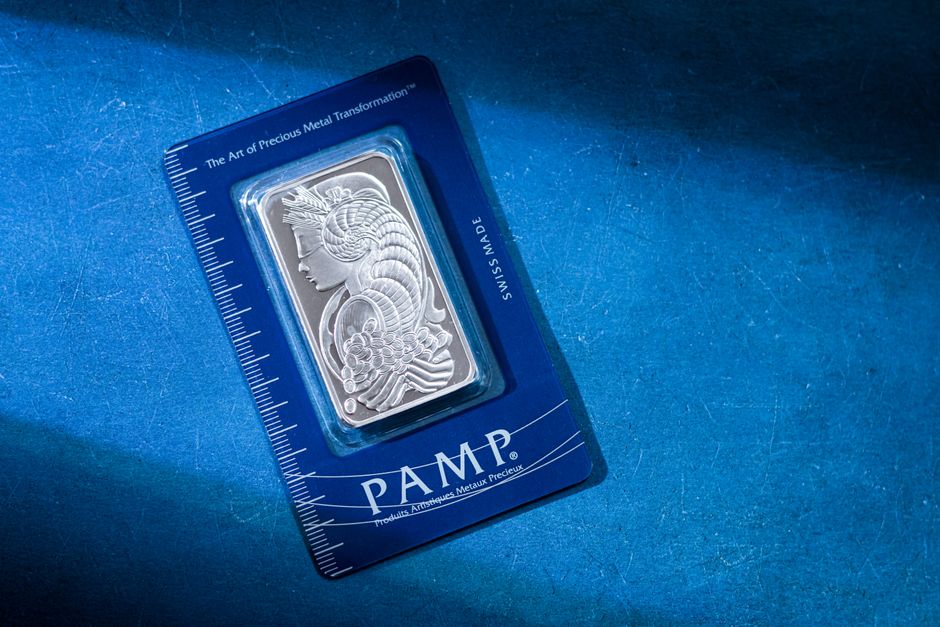
Silver, also known by its atomic symbol Ag from the Latin "argentum," meaning bright or shining, is the second most abundant precious metal and exhibits exceptional electrical and thermal conductivity, making it indispensable in a wide range of industrial applications. While less dense and valuable than gold, silver possesses its own unique set of characteristics that drive demand. Historically, silver has also served as currency, though its volatility compared to gold has made it less consistent as a long-term store of value. Its aesthetic appeal, affordability compared to gold, and unique antimicrobial properties also contribute to its multifaceted utility. The industrial demand for silver is a significant driver of its market price, often exceeding investment demand. Key industrial uses include photography, where its light-sensitive properties were historically vital, although digital technology has reduced this demand. However, silver remains critical in solar panels, where its conductivity facilitates energy transfer. It is also used in electronics, medical devices, water purification systems, and as an antibacterial agent in textiles and coatings. The investment landscape for silver mirrors that of gold, with options including physical bullion (coins and bars), silver ETFs, and futures contracts. The lower price point of silver per ounce makes physical acquisition more accessible for a broader range of investors. Silver ETFs provide a convenient way to invest in silver without physical storage. Silver futures offer leveraged trading opportunities for those seeking to profit from price fluctuations. The price of silver is often influenced by the broader economic climate and investor sentiment, but its strong industrial demand provides a foundational support level that can cushion against significant price drops. The interplay between industrial requirements and investment speculation creates a dynamic market for silver, where supply and demand in specific sectors can have a pronounced impact on its overall valuation.
Platinum, represented by the atomic symbol Pt, is a rare and lustrous silvery-white metal known for its exceptional resistance to corrosion, high melting point, and catalytic properties. Its scarcity, with annual production significantly lower than gold or silver, contributes to its high market value. Platinum’s unique chemical and physical characteristics make it invaluable in several high-tech and critical industries. Its primary application is in catalytic converters for vehicles, where it facilitates the conversion of harmful exhaust gases into less toxic substances. This demand is intrinsically linked to global automotive production and increasingly stringent environmental regulations. Beyond automotive use, platinum finds application in the chemical industry as a catalyst in processes like nitric acid production. It is also used in jewelry, particularly for its durability and hypoallergenic properties, and in certain medical devices and laboratory equipment due to its inertness and resistance to extreme temperatures. Investment in platinum can be achieved through physical platinum bars and coins, platinum ETFs, and futures contracts, similar to gold and silver. The limited supply and high demand from key industrial sectors can lead to significant price volatility for platinum. Geopolitical events, shifts in automotive manufacturing trends, and the discovery or depletion of platinum mining reserves can all exert considerable influence on its market price. The investment case for platinum often hinges on its industrial utility and the potential for supply disruptions, making it a commodity with a distinct set of drivers compared to gold or silver.
Palladium, bearing the atomic symbol Pd, is another platinum group metal (PGM) that shares many of silver’s desirable properties, including excellent conductivity and catalytic activity, but with even greater rarity. Like platinum, palladium is predominantly used in catalytic converters, accounting for the vast majority of its global demand. Its effectiveness in reducing emissions from gasoline-powered vehicles has made it a critical component in modern automotive technology. Palladium’s demand has seen a significant surge in recent years, driven by increasingly stringent vehicle emission standards worldwide and a shift in automotive production towards vehicles that utilize palladium-based catalysts. Beyond automotive applications, palladium is used in electronics, jewelry (often alloyed with other precious metals), dentistry, and certain chemical processes. Investment in palladium follows similar avenues to other precious metals, including physical palladium bars and coins, palladium ETFs, and futures contracts. The market for palladium is characterized by its extreme price volatility, primarily due to its concentrated demand in the automotive sector and its relatively low global supply. Fluctuations in vehicle production, changes in emission regulations, and the reliance on a limited number of mining operations in specific geographic regions can lead to dramatic price swings. The recent surge in palladium prices has highlighted its vulnerability to supply chain disruptions and shifts in demand within the automotive industry, making it a more speculative investment compared to gold.
The global market for precious metals is influenced by a complex interplay of supply and demand dynamics, macroeconomic factors, and geopolitical events. Mining output, recycling rates, and the strategic reserves held by central banks all contribute to the supply side. Demand is driven by investment appetite (individual, institutional, and central bank purchases), industrial consumption across various sectors, and the enduring market for jewelry. Inflationary pressures tend to drive investors towards precious metals as a hedge against the erosion of purchasing power. Conversely, rising interest rates can make interest-bearing assets more attractive, potentially dampening demand for non-yielding precious metals. Currency fluctuations also play a role, as precious metals are often priced in U.S. dollars; a weaker dollar can make them cheaper for holders of other currencies, thus increasing demand. Geopolitical instability, such as wars, trade disputes, or significant political shifts, can trigger a flight to safety, with investors flocking to precious metals as perceived safe-haven assets. The futures markets for precious metals allow for speculation on future price movements and hedging against price risk. Understanding these interconnected forces is paramount for anyone considering precious metals as part of an investment strategy or as a business reliant on their supply. The long-term allure of precious metals lies in their tangible nature, historical role as a store of value, and their critical contributions to modern industrial and technological advancements. Their intrinsic worth, coupled with their historical significance, ensures their continued relevance in the global economic landscape.
