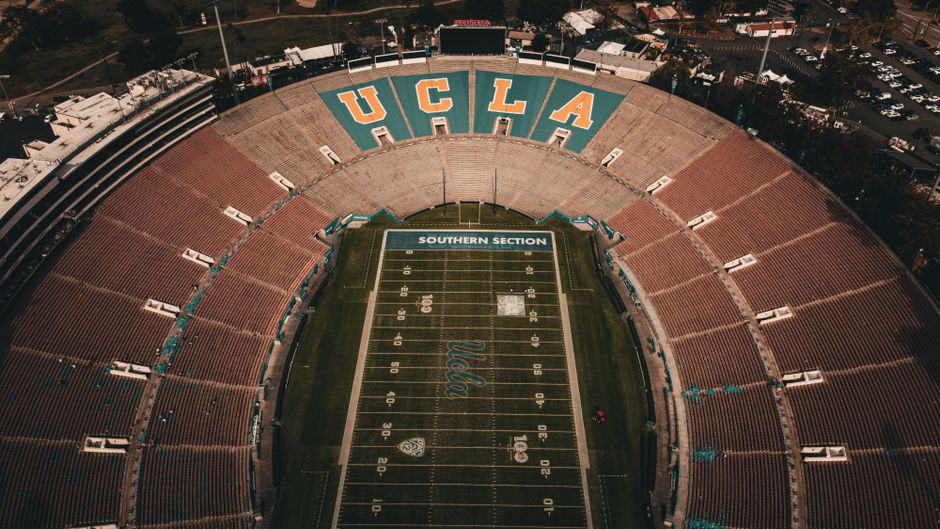
UCLA, Penn State Deny Reports of Private Equity Funding Elevating Athletics: Unpacking the Financial Realities
Recent speculative reports circulating across sports media outlets have suggested that major collegiate athletic programs, specifically the University of California, Los Angeles (UCLA) and Pennsylvania State University (Penn State), are actively engaged in discussions or have received private equity funding to bolster their athletic departments. These reports, often fueled by anonymous sources and a desire to explain perceived competitive advantages, have sparked considerable debate about the evolving financial landscape of NCAA Division I athletics. However, both UCLA and Penn State have categorically denied these claims, issuing clear statements that refute any direct private equity investment or partnerships aimed at injecting capital into their respective athletic programs. This article will delve into the reasons behind such rumors, explore the legitimate financial pressures and opportunities facing elite college sports programs, and analyze the implications of private equity’s growing influence in the broader sports industry.
The genesis of these rumors likely stems from a confluence of factors impacting collegiate athletics. The burgeoning NIL (Name, Image, and Likeness) era has fundamentally altered how athletes are compensated and how athletic departments operate. The introduction of NIL collectives, which are often funded by boosters and, in some cases, by outside investment entities, creates a complex web of financial flows. While these collectives are ostensibly separate from the universities, their proximity to recruiting and athlete retention has led to increased scrutiny. Furthermore, the escalating costs associated with maintaining competitive athletic programs, from facility upgrades and coaching salaries to travel and compliance, place immense financial strain on many institutions. In this environment, any large influx of capital, regardless of its source, can be misconstrued as external private equity involvement. The desire of universities to remain competitive, particularly as they navigate conference realignments and the potential for a bifurcated collegiate sports model, makes the prospect of substantial financial resources, whether internally generated or externally sourced, a topic of intense interest and speculation.
UCLA, a member of the Pac-12 Conference before its impending move to the Big Ten, and Penn State, a cornerstone of the Big Ten, are two of the most prominent and financially robust athletic departments in the nation. Their large fan bases, substantial media rights deals, and strong historical performance contribute to significant revenue streams. However, even for these powerhouses, the financial demands are ever-increasing. The transition to the Big Ten for UCLA, for instance, comes with a more lucrative media rights deal but also increased travel costs and competitive pressures. Penn State, as a long-established Big Ten member, already operates at a high level of expenditure. The rumors of private equity funding, therefore, serve as a stark indicator of the financial anxieties pervading college sports, where even the most successful programs are perceived to be perpetually seeking an edge, leading to conjecture about unconventional funding models.
The official denials from UCLA and Penn State are crucial in understanding the current regulatory and ethical boundaries within NCAA athletics. The NCAA has historically maintained strict regulations regarding the amateur status of student-athletes and the separation of athletic department finances from external commercial entities. While NIL has introduced a significant shift, the direct involvement of private equity firms in the core operations or capital structure of university athletic departments would represent a profound departure from established norms and could raise numerous compliance and ethical questions. Such arrangements could blur the lines between student-athletes and professional athletes, potentially impacting academic integrity, scholarship structures, and the fundamental purpose of collegiate sports. The swiftness and clarity of the denials suggest a commitment from both institutions to operate within the existing frameworks and to avoid any perceptions of impropriety or undue external influence.
However, the existence of these rumors highlights a growing trend in the broader sports industry: the increasing involvement of private equity. Globally, private equity firms have been actively investing in professional sports franchises, leagues, and related businesses. They see sports as an asset class with strong revenue potential, driven by media rights, sponsorships, merchandise, and ticket sales. This trend is not limited to professional sports. While direct ownership of NCAA athletic departments by private equity is not permissible under current NCAA rules, these firms are finding indirect avenues to participate. This can include investments in NIL collectives, sports technology companies that service athletic departments, or even sports-related media ventures. The perceived profitability and growth potential of the collegiate sports market, particularly with the advent of NIL and potential future professionalization of certain sports, makes it an attractive target for private capital.
The financial pressures faced by collegiate athletic departments are multifaceted. Revenue generation, while robust for elite programs, is often outpaced by escalating expenses. Coaching salaries have reached unprecedented levels, driven by intense competition for top talent. Facility upgrades are a constant necessity to attract recruits and provide a competitive environment. Travel costs, especially with expanded conference schedules and national championships, are substantial. The cost of ensuring compliance with NCAA regulations and providing comprehensive support services for student-athletes – including academic advising, sports medicine, and mental health services – adds to the financial burden. In this environment, the allure of a significant capital infusion, even if from a source that might introduce new complexities, is understandable from a purely financial perspective.
The role of NIL collectives warrants particular attention in the context of these rumors. These entities are designed to facilitate NIL opportunities for student-athletes, and they are often funded by significant donations from wealthy alumni and boosters. The complexity arises when these donations are aggregated and managed by entities that may have professional management and investment strategies. While not direct university funding, the resources flowing through these collectives can significantly impact a program’s ability to attract and retain top talent, thereby influencing competitive outcomes. The line between booster funding and external investment can become blurred, leading to the speculation that private equity is, in essence, fueling these collectives and indirectly benefiting university programs.
Looking forward, the financial model of collegiate athletics is likely to continue evolving. The increasing commercialization of college sports, coupled with the demands of student-athletes for greater economic opportunities, will necessitate ongoing discussions about revenue sharing, athlete compensation, and institutional financial management. The rumors surrounding UCLA and Penn State, though officially denied, serve as a potent reminder of the pressures and possibilities inherent in this evolving landscape. Universities will need to navigate these challenges with transparency and a commitment to their core educational mission. The potential for private equity involvement, whether direct or indirect, raises fundamental questions about the future of amateurism in college sports and the ethical considerations that must guide financial decision-making.
The financial health of elite college athletic departments is a complex ecosystem. Revenue streams include ticket sales, broadcasting rights, corporate sponsorships, donations, licensing, and NCAA distributions. However, expenses are equally significant, encompassing coaching salaries, administrative costs, facility maintenance and upgrades, student-athlete well-being programs, travel, and scholarship costs. For programs like UCLA and Penn State, the scale of these operations means that even minor shifts in revenue or expenditure can have a substantial impact. This constant need for financial optimization makes them susceptible to speculative reporting, as any perceived financial advantage is quickly attributed to powerful, often unseen, forces.
The Big Ten Conference, with its lucrative media rights deals, is a prime example of the immense financial power now concentrated in certain collegiate athletic conferences. UCLA’s move to the Big Ten is expected to significantly increase its athletic department’s revenue, providing a more stable financial footing. However, this also means facing even more intense competition, both on and off the field. Penn State, as a long-standing member, is already accustomed to this high-stakes environment. The existence of rumors suggesting private equity involvement underscores the perception that even these financially secure programs are constantly seeking additional capital to maintain their competitive edge in a rapidly changing landscape.
The NCAA’s evolving stance on NIL has opened the door for a more commercialized environment in college sports. While the NCAA has attempted to provide a framework for NIL, the implementation and management of NIL opportunities are largely decentralized, leading to the rise of third-party collectives. These collectives, often funded by external sources including what could be interpreted as private equity interests, are now a significant factor in athlete recruitment and retention. While UCLA and Penn State may deny direct private equity funding for their athletic departments, it is plausible that entities connected to private equity are investing in the broader NIL ecosystem that supports their athletes. This indirect influence is a critical distinction and a source of ongoing debate.
The future of collegiate athletics will undoubtedly involve a re-evaluation of its financial models. As the lines between amateurism and professionalism continue to blur, institutions will need to make difficult decisions about how to generate and allocate resources. The denials from UCLA and Penn State are significant because they affirm a commitment to existing structures, but they do not diminish the broader trend of private capital seeking opportunities within the sports industry. The conversation about private equity in college sports is not just about direct investment in universities, but also about its influence on the surrounding ecosystem that directly impacts the competitive landscape. Understanding these nuances is crucial for a comprehensive view of the financial realities facing elite collegiate athletic programs.
