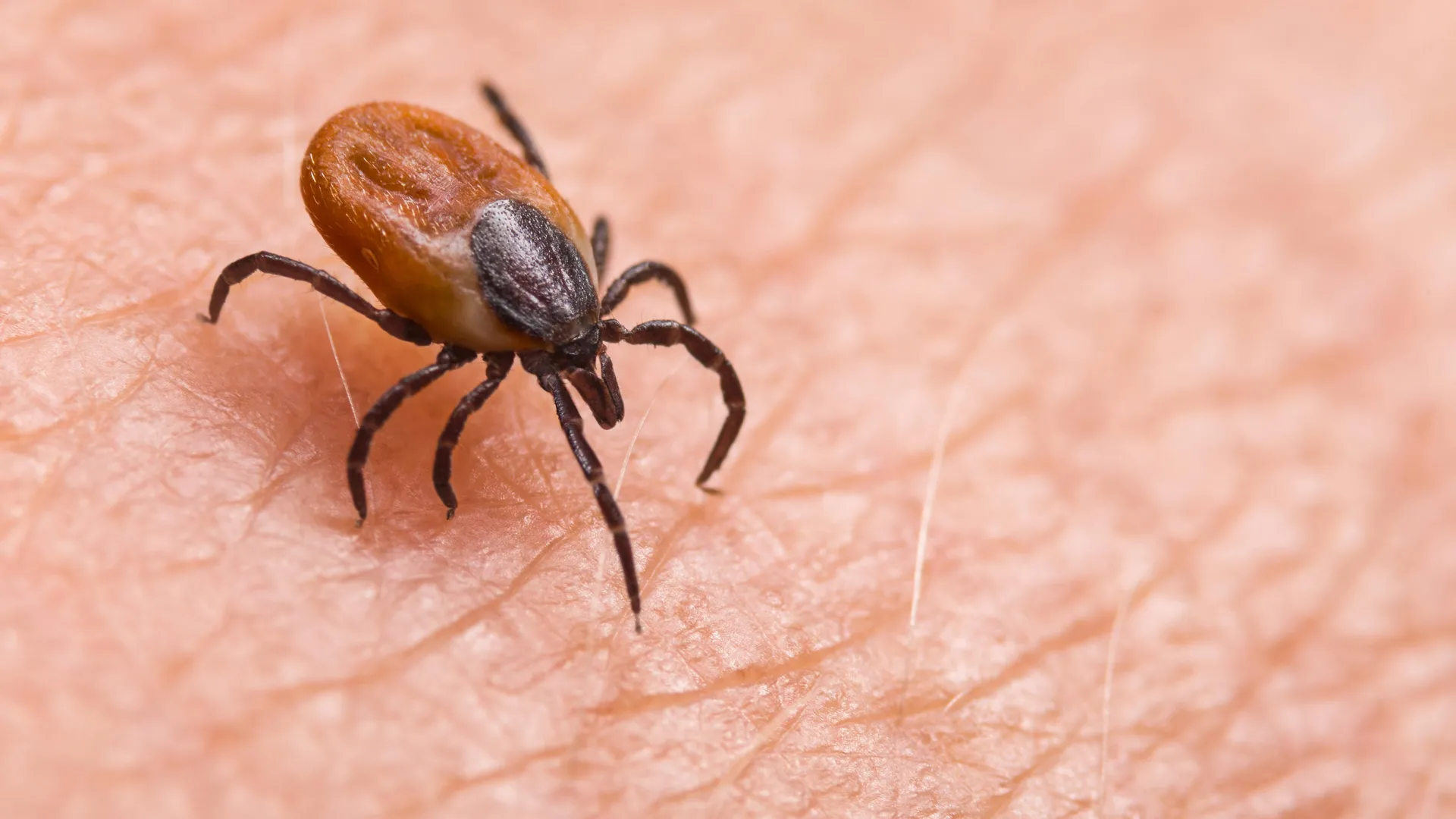
Researchers in Beijing have identified a novel tick-borne pathogen, designated the Asian longhorned tick nairovirus (ALTNV), which is responsible for a previously unexplained flu-like illness characterized by fever, profound fatigue, gastrointestinal distress, and abnormal laboratory findings. The discovery, detailed in a prominent report published in the New England Journal of Medicine, marks a significant development in the ongoing surveillance of zoonotic and vector-borne diseases across Asia. Led by a team at the State Key Laboratory of Pathogen and Biosecurity in Beijing, the scientific investigation successfully isolated the virus, mapped its genetic profile, and confirmed its transmission vector, providing critical insights into public health challenges posed by tick populations in the region.
The identification of ALTNV addresses a longstanding diagnostic mystery in regional medicine. For years, clinicians across endemic provinces in China observed a substantial cohort of patients presenting with symptoms closely mirroring Dabie bandavirus (DBV)—the causative agent of severe fever with thrombocytopenia syndrome (SFTS)—yet routinely testing negative for the pathogen. DBV is a well-documented hazard in parts of Asia, recognized for causing acute illness accompanied by thrombocytopenia, a condition marked by critically low levels of blood platelets essential for coagulation. With case-fatality rates ranging historically between 10% and 30%, the World Health Organization (WHO) classifies DBV as a priority pathogen requiring robust research, active surveillance, and heightened clinical vigilance. The persistence of SFTS-like symptoms in virus-negative patients prompted an exhaustive molecular investigation to determine whether another, unrecognized infectious agent was circulating concurrently.
The chronology of the discovery began with targeted epidemiological fieldwork designed to track unexplained tick-borne pathologies. Investigators established cooperative arrangements with sentinel hospitals located in geographic regions historically recognized for high densities of tick-borne viral activity. Between these clinical sites and field collection initiatives, researchers amassed comprehensive biological samples from individuals who presented with acute febrile illnesses following documented tick bites. Utilizing advanced molecular biology tools, including high-throughput RNA sequencing and viral isolation protocols, the Beijing-based research team systematically interrogated the samples. By screening for anomalous genetic signatures that failed to align with known pathogens, the laboratory successfully isolated the novel orthonairovirus.
Subsequent genetic characterization placed the newly discovered agent firmly within the orthonairovirus genus of the family Nairoviridae. Further sequence analysis revealed a distinct genomic profile: the proteins encoded by ALTNV shared less than 80% amino acid identity with established species within the genus, fulfilling the international taxonomic criteria required to classify ALTNV as a novel, distinct viral species. To corroborate these findings biologically, the team exposed permissive laboratory cell lines to human serum samples containing ALTNV RNA. The virus demonstrated robust replication kinetics in vitro, and researchers utilized immunofluorescence assays to detect specific viral antigens. Electron microscopy confirmed that the viral particles possessed morphological structures characteristic of orthonairoviruses, verifying their physical integrity and replication capability across multiple cellular environments.
To gauge the clinical prevalence and epidemiological footprint of ALTNV, the research team conducted a retrospective and prospective analysis involving 3,163 patients evaluated at participating medical centers. Of this broad cohort, 10.4% tested positive for ALTNV, confirmed either through the direct detection of viral RNA or the presence of immunoglobulin M (IgM) antibodies, which serve as a reliable serological marker for recent infection. Crucially, the detection rate escalated when filtering for patients who had previously tested negative for DBV; within this specific subset, 15.1% tested positive for ALTNV. This statistical overlap confirmed that a notable fraction of historical, undiagnosed tick-borne illnesses was attributable to the newly identified pathogen.
Clinical profiling of patients infected exclusively with ALTNV delineated a characteristic presentation. Fatigue emerged as the predominant symptom, documented in 84% of isolated ALTNV cases. Gastrointestinal complications—ranging from nausea and vomiting to abdominal discomfort—affected 80% of patients. Laboratory evaluations revealed that 38% developed thrombocytopenia, while 36% exhibited elevated serum aminotransferase levels, signaling localized tissue inflammation or mild hepatic injury. Fortunately, prognostic outcomes for patients with isolated ALTNV infections were highly favorable, with all individuals achieving full clinical recovery following supportive medical care.
However, the clinical picture grew considerably more complex when researchers investigated cases of viral coinfection. The study identified 38 patients who harbored both ALTNV and DBV simultaneously. Comparative analyses between patients infected solely with DBV and those experiencing dual infections revealed stark differences in clinical severity and complication rates. Coinfected individuals suffered from respiratory symptoms at a markedly higher frequency—affecting 61% of coinfected patients compared to 38% of those with DBV alone. Furthermore, renal impairment manifested in 84% of coinfected cases, significantly exceeding the 66% incidence observed in the single-infection DBV cohort. Most critically, the mortality rate among the dual-infection group reached 18.4%, with seven of the 38 coinfected patients succumbing to their illnesses.
In parallel with the clinical studies, the research team conducted an extensive ecological survey to map the environmental reservoir and vector distribution of ALTNV. Investigators collected a total of 47,428 ticks from natural habitats and animal hosts across 15 Chinese provinces. Molecular testing revealed that 1.3% of the total tick collection harbored ALTNV RNA. Prevalence rates varied by species, with the highest concentration discovered in Haemaphysalis longicornis, widely known as the Asian longhorned tick, where 1.8% of specimens tested positive for the virus. To establish a definitive causal link between the vector and pathogen transmission, the team performed controlled laboratory experiments. By exposing naive animal models to infected Haemaphysalis longicornis specimens, researchers successfully demonstrated that the tick species is biologically capable of transmitting viable ALTNV to mammalian hosts.
The simultaneous circulation of ALTNV and DBV across overlapping geographic areas, combined with their utilization of a shared tick vector, has prompted urgent calls for enhanced clinical diagnostics. Public health specialists and the study’s authors emphasize that the clinical similarities between SFTS and ALTNV-associated illness can easily lead to misdiagnosis in routine medical settings, particularly in rural or resource-limited regions where sophisticated molecular testing is not immediately accessible. Because the therapeutic management and prognostic trajectories of single versus dual infections differ significantly, accurate differential diagnosis is paramount for effective patient triage and clinical intervention.
Medical experts and virologists reviewing the findings have underscored the broader implications for biosecurity and regional public health surveillance. The identification of ALTNV highlights the continuous, evolving threat posed by tick-borne zoonoses, many of which remain under-detected due to limited diagnostic panels focused exclusively on historically recognized pathogens. As environmental shifts, agricultural expansion, and human encroachment into natural ecosystems continue to alter the contact zones between human populations and wildlife reservoirs, the baseline incidence of novel vector-borne pathogens may face upward pressure.
In response to these findings, healthcare institutions and vector control agencies in endemic zones are evaluating the feasibility of incorporating ALTNV screening into existing surveillance frameworks. Public health advisories are expected to reiterate preventative measures for residents and agricultural workers in high-risk provinces, including the use of protective clothing, prompt and proper tick removal, and the application of Environmental Protection Agency-registered repellents. Meanwhile, the research consortium in Beijing plans to expand its longitudinal studies to investigate potential animal reservoirs that sustain the virus in nature, evaluate the broader geographic range of ALTNV outside of China, and monitor for potential genetic mutations that could influence human pathogenicity.