When homeowners consider major capital improvements to prepare a property for the market, roofing is frequently at the top of the list. From bustling metropolitan areas like Boston, Massachusetts, to the expanding suburban landscape of Denver, Colorado, real estate professionals frequently encounter questions regarding the financial return on investment (ROI) associated with roof replacements. Evaluating whether a new roof truly drives up property values requires an examination of national cost-versus-value data, structural assessments, home appraisal mechanics, and prevailing real estate market dynamics.
The relationship between structural maintenance and property equity has long been a focal point for sellers, buyers, and financial analysts alike. Industry metrics demonstrate that while installing a new roof undeniably enhances marketability and structural integrity, recouping the total out-of-pocket expenses is rarely a one-to-one proposition. Understanding the nuanced interplay between upfront costs, appraisal criteria, and buyer psychology is essential for homeowners navigating the decision to repair or replace before listing a property.
National Cost-Versus-Value Analysis: What the Numbers Tell Us
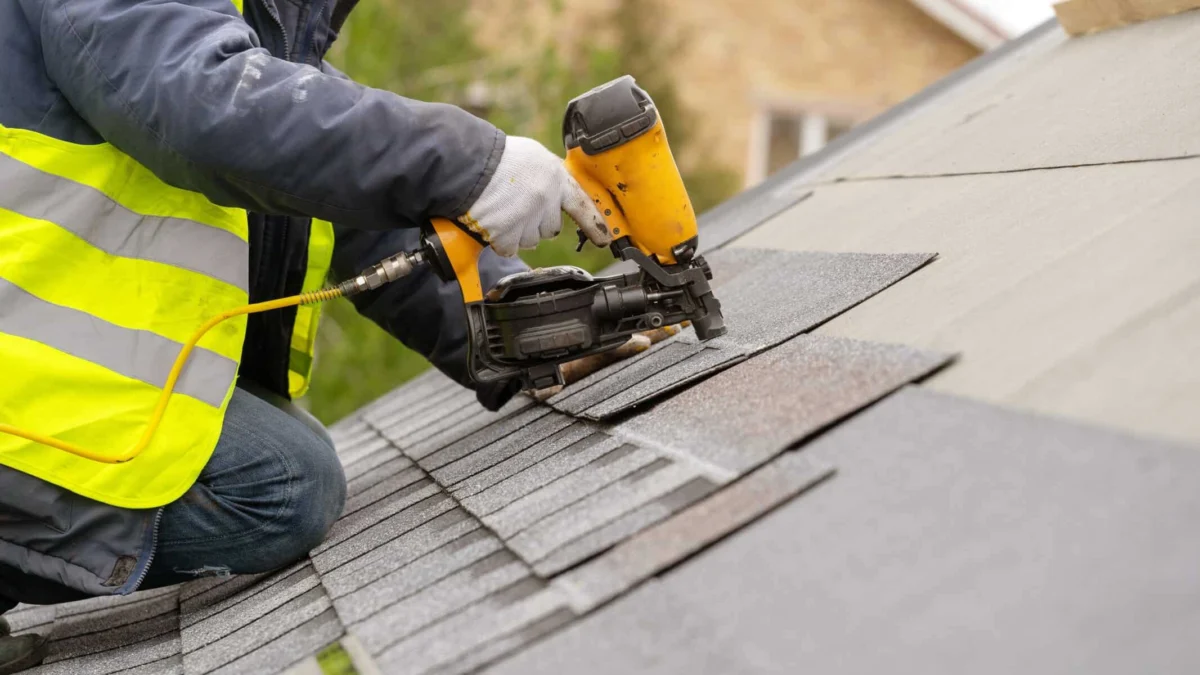
Evaluating the financial viability of a roof replacement begins with hard data. According to national real estate and construction benchmarks, an asphalt-shingle roof replacement typically commands a substantial investment, with national averages hovering around $31,871. When properties transition to the market following this upgrade, the estimated resale value added sits at approximately $21,501. This translates to an average cost-recoupment rate of roughly 67.5%.
However, these figures represent broad national aggregates and can fluctuate dramatically based on regional economic climates. Homeowners in high-cost-of-living coastal markets or regions prone to severe weather events often experience different cost-recovery ratios compared to those in moderate interior climates. Furthermore, the baseline condition of the outgoing roof dictates the magnitude of the financial impact. Replacing a severely compromised, leaking, or structurally compromised roof yields a far greater relative jump in market appeal than replacing a roof that still possesses a decade of useful structural life.
Pricing for modern roofing projects generally ranges between $4 and $11 per square foot for standard materials. For a typical residential structure, overall expenditures span from $8,000 to $30,000, while premium alternatives—such as architectural standing-seam metal, slate, or synthetic composite tiles—push initial capital requirements even higher. These specialized materials extend the overall lifespan of the system, occasionally lasting 40 to 50 years, thereby shifting the long-term value proposition for prospective buyers.
Industry Perspectives on Market Appeal and Risk Mitigation
Beyond direct appraisal calculations, real estate experts and general contractors emphasize the psychological and transactional advantages of a fresh roofing system. Mark Mueller, founder of Mueller Builders, highlights how a modern roof alters the dynamics of a home sale.
"A new roof significantly enhances a home’s market appeal by eliminating one of the most daunting inspection hurdles for potential buyers," Mueller notes. "Beyond immediate curb appeal, a modern roofing system offers buyers peace of mind regarding long-term structural integrity—and replacing an aging roof frequently prevents price concessions and helps homes sell much faster."
This sentiment is echoed by Jordan Phillips, President of Liberty Home Remodeling, who observes the immediate operational benefits during the listing preparation phase. "A new roof is often one of the first improvements addressed when preparing a home for a new listing," Phillips explains. "It’s a valuable investment improving curb appeal while increasing its value and marketability."
Conversely, entering the market with a visibly deteriorating roof can create severe transactional friction. Ken Girard, President of Apex Exteriors, warns that deferred maintenance carries an amplified penalty in competitive real estate environments.

"An aging roof can have the opposite effect, since buyers may factor the cost of a future replacement into their decision," Girard states, noting that prospective buyers frequently discount their initial offers well beyond the actual, estimated cost of a professional replacement. Furthermore, Girard points out that material longevity heavily influences buyer confidence, observing that architectural asphalt shingles reassure purchasers that major capital outlays will not be required for two decades or more.
How Appraisers Evaluate Roof Condition During Property Assessments
Homeowners frequently assume that spending $25,000 on a roof replacement will automatically result in a $25,000 increase in the final bank-issued appraisal value. However, professional property appraisers operate under a more complex evaluation framework.
During an official home appraisal, licensed evaluators examine a property’s square footage, functional utility, location, recent comparable sales, and overall condition. A roof is not evaluated in a vacuum as a standalone financial asset; rather, its physical state contributes to the holistic grading of the home’s overall condition.
If an existing roof features missing shingles, active leaks, or structural sagging, the appraiser may categorize the property’s condition lower, which directly suppresses the appraised value. Replacing a damaged roof rectifies these deficiencies, elevating the property’s condition score back to baseline expectations. However, if the prior roof was already in functional, sound condition, installing a brand-new system may yield a negligible shift in the final appraised valuation. Consequently, financial advisors generally caution against executing a total roof replacement solely for the purpose of manipulating an appraisal score unless the existing infrastructure is fundamentally compromised.
Strategic Decision Guide: Repair, Partial Re-Roof, or Full Replacement?
Determining the appropriate course of action requires a systematic evaluation of physical wear and tear against financial constraints. Property owners must weigh the severity of structural damage before committing to capital-intensive construction projects.
| Current Property Situation | Recommended Industry Solution | Financial and Structural Implications |
|---|---|---|
| A few isolated shingles are damaged, curling, or cracked | Spot repairs | Easily and economically executed; requires color and material matching to preserve aesthetic uniformity. |
| Water stains on ceilings or a single localized leak | Partial re-roof | A cost-effective intervention for localized wear, though viable only a limited number of times before structural fatigue demands a full tear-off. |
| The roofing system is 20 years of age or older | Full replacement (Tear-off vs. overlay) | Mitigates cascading structural vulnerabilities, protects underlying decking, and maximizes immediate buyer confidence. |
| Visible roof sagging, uneven lines, or spongy decking | Full replacement with professional structural assessment | Indicates underlying framing damage; essential for code compliance, safety, and long-term home stability. |
| Excessive shingle granules accumulating in gutters | Spot repairs or partial re-roofing | Signals advanced material degradation and weathering; proactive intervention prevents interior water intrusion. |
The Impact of Home Inspections and Negotiation Dynamics
In modern real estate transactions, the home inspection contingency remains one of the most critical milestones between contract execution and closing. Even if a seller successfully markets a property with an aging roof, professional home inspectors will systematically document granular flaws, granule loss, flashing failures, and inadequate attic ventilation.
When inspection reports highlight significant roofing deficiencies, buyers typically respond with one of several negotiation tactics:
- Demanding a financial credit issued directly at closing to cover future contractor expenses.
- Requesting a direct reduction in the agreed-upon purchase price.
- Issuing a formal demand that the seller complete a full professional roof replacement prior to the transfer of title.
- Exercising contractual contingency clauses to terminate the purchase agreement entirely.
By proactively addressing roofing deficiencies before listing the property, sellers retain control over project timelines, contractor selection, and material costs, thereby preventing reactive, high-pressure negotiations during escrow.
Broader Economic Implications and Strategic Takeaways
Ultimately, deciding whether a new roof increases home value depends on a careful synthesis of timing, local market supply and demand, and baseline property conditions. In seller’s markets characterized by low inventory, buyers may be more forgiving of minor deferred maintenance. Conversely, in balanced or buyer-leaning markets, a turn-key property with a brand-new architectural shingle or metal roof serves as a distinct competitive differentiator, drawing immediate interest online and in person.
Homeowners are advised to consult with licensed local contractors and experienced real estate agents to conduct a pre-listing evaluation. By balancing estimated installation expenses against projected equity gains and potential negotiation concessions, property owners can make informed, data-driven capital investments that protect their structural assets and optimize their ultimate financial return.